
Most gym floors do not fail on looks. They fail on zoning, when one surface is asked to absorb dropped barbells, carry sprint drills and survive sled straps at the same time.
Published layout guides answer with a rubber flooring artificial turf split. Rubber absorbs impact where weights fall, turf carries the dynamic lanes, and every zone gets a thickness matched to its own load. Our team tufts artificial grass on a production line, so we read the rubber half the way those guides do and the turf half from inside the factory. Start with the plan, not the product.
Why One Floor Cannot Serve Every Zone
Walk any commercial fit-out and the failure pattern repeats. Cardio machines sit on padding too soft to stabilise the frame, dumbbells land on material too thin to protect the slab, and a sled drags across all of it. Suppliers who publish zoning guides reach the same verdict: a single surface cannot serve every zone, and pretending otherwise is where budgets leak.
The split works because the loads differ. Rubber compresses and recovers under point impact, which is why every thickness chart puts the deepest layers under free weights. Turf does the opposite job: its pile gives consistent, directional grip for sleds, sprint drills and crawls, work that rubber handles badly.
So the first decision is not a product but a map. Divide the floor into cardio, strength, free-weight, functional and recovery zones, then let each zone nominate its own surface. A rubber flooring artificial turf plan drawn at this stage costs nothing; the same decision made after delivery costs a re-order.

One more habit from the guides is worth stealing early. Zones protect each other only when the plan gives them borders, because a dumbbell dropped on turf does the same damage as one dropped on bare concrete.
How Thick the Rubber Layer Gets by Zone
Rubber thickness is the most standardised question in the published guides, and the consensus transfers cleanly. Cardio and machine areas run 6–8mm, where the floor manages vibration rather than impact. General strength floors sit at 10–15mm, and free-weight zones climb to 20–30mm once plates start dropping from waist height.
The load numbers behind those bands are blunt. One UK supplier rates its tiles by drop capacity: 110kg on a 15mm tile, 140kg at 20mm and 200kg at 30mm. The lesson is that thickness is bought for the worst single drop a zone will ever see, not for its average day.
| Zone | Published thickness band | What the layer must do |
|---|---|---|
| Cardio and machines | 6–8mm | Damp vibration, stay stable under frames |
| General strength | 10–15mm | Absorb moderate drops, resist foot traffic |
| Free weights | 20–30mm | Protect the slab from plate drops |
| Olympic lifting | 30mm+ or a 30–50mm platform | Spread extreme point loads |
Two finer points from the same guides finish the picture. Acoustic rubber can cut sound transmission by up to 38 decibels, which decides feasibility for upper floors in mixed-use buildings. And density matters as much as thickness, since a high-density 15mm tile can out-cushion a soft 20mm one.
Format follows the zone as well. Rubber rolls suit large, open areas because they lay with few seams, while tiles swap out individually when damage happens. Interlocking mats cluster around racks and platforms, and the guides keep them out of the cardio rows. Whatever the format, subfloor preparation decides the outcome: the surface must be clean, level, dry and free of cracks before anything is laid.
Where Artificial Turf Earns Its Floor Space
Picture a loaded sled on bare rubber. Push it and the floor grabs: the sled chatters, the strap snatches, and the athlete burns effort fighting friction instead of moving weight. Set the same sled on a short, dense turf lane and the push turns smooth and repeatable, which is exactly what the surface is for.
That is why the functional zone earns its green. Sled pushes and pulls, sprint intervals, bear crawls, battle-rope slams and the running stations of a HYROX-format class all want the same thing: directional traction over distance. Facility guides map each activity to a surface for this reason, and in any rubber flooring artificial turf plan the turf takes every dynamic station.
Placement matters as much as area. The runway layout runs roughly 30 metres by 1.8 metres along the longest wall. It keeps high-speed work out of the traffic between racks, which is why guides prefer it to a centred island. A one-metre border of rubber around the turf shields its edges from stray dumbbells and plate drops.
The station list behind the layout explains the shape. A HYROX-format class pairs running with sled pushes and pulls, wall balls, burpee broad jumps, farmers carries, sandbag lunges and rowing or ski work. Only the running and sled portions need turf, which is why a single well-placed lane covers the format without carpeting the gym.
Width flexes with the programme. Functional tracks run 2–3 metres across in larger facilities, while boutique studios often split the room half turf, half rubber. Either way the green is planned space, not a leftover corner.
Making Turf and Rubber Meet Flush
Height difference is where most hybrid floors fail, and the layout guides say so directly. A 15mm rubber roll meets a 10mm turf and the step becomes a trip line that athletes cross at speed. The fix is decided at planning, not improvised on installation day.
The standard method is to match total build-up. A common pairing sets 10mm turf on a 5mm shock pad against 15mm rubber, so both surfaces land flush with no transition strip at all. Where the arithmetic cannot close the gap, a sloped strip takes the remainder, because a vertical edge has no place on a training floor.
Everything rests on the slab beneath. Guides flag an uneven or damp subfloor as the root cause of failed seams and inconsistent surfaces, so levelling and sealing come before any roll is opened. Zero-threshold is the goal; the shims and compounds are simply how you reach it.
Plan the rubber flooring artificial turf junction on the same drawing as the zones, so the installer receives one height story instead of two. It is a five-minute question at planning and an expensive one after handover.
Factory Parameters Behind Durable Gym Turf
Rubber specs are read from a supplier chart; turf specs are set at the machine, and that difference decides how a gym floor ages. Pile height leads the list. Short, dense pile, roughly 10–15mm for training lanes, springs back after thousands of foot strikes, while taller landscaping grass mats down and bogs sleds within a season.
Yarn and density do the durability work. A polyethylene monofilament paired with a polypropylene thatch layer is the common construction, and higher stitch density puts more blades under every stride for a firmer, more even feel. All of these parameters, colour included, are adjustable, so a facility can carry lane markings or brand tones without touching the performance spec.
Backing decides whether the seams survive the year. PP+Net suits level concrete under standard traffic, while a PU coating earns its place where moisture, heavy sled shear or long service hours enter the equation.

Roll width is the quiet lever, and it is the one buyers discover last. Rolls come in 2m, 4m and 5m widths, each 25m long, and a 5m width crosses a typical functional lane with no cross seam. Fewer joints mean fewer call-backs, so contractors settle width on the drawing before the quote, not at the loading dock. The продуктовую линейку искусственного газона shows how those parameters combine at roll level.
A production line view makes the process legible. After tufting, the roll passes through coating, drying, perforating and rolling up, and each stage sets one property a gym floor will feel for years. Coating locks the yarn into the backing, drying fixes that bond, and perforating opens the drainage path that matters the day someone floods a lane during cleaning. Buyers who understand the sequence ask sharper questions than buyers who compare photos.
Layout Ratios That Keep Traffic Moving
One worked example from the commercial guides makes the ratios concrete. On a 600 square metre floor, roughly 65 percent goes to rubber lifting zones, 15 percent to the turf runway, and the remaining 20 percent to walkways and buffer space. Members never cross an active sled lane to reach the dumbbell rack, which is the entire point of the split.
Buffer space is not wasted area. The guides keep a metre of rubber around every turf edge. Clear start-stop zones sit at both ends of each sled lane, so a pushed sled never meets a wall, a window or a member. Traffic paths of about 1.2 metres complete the picture, wide enough for two people to pass without stepping onto a working lane.
Ratios flex with the programme, but the order of decisions should not. Fix the zones, run the traffic, then buy the surfaces; a rubber flooring artificial turf floor planned in that sequence rarely needs revisiting. A floor planned the other way round gets beautiful renders and a walkway that dies at 6pm, when every member crosses the sled lane at once.
Cleaning Routines for Mixed Training Floors
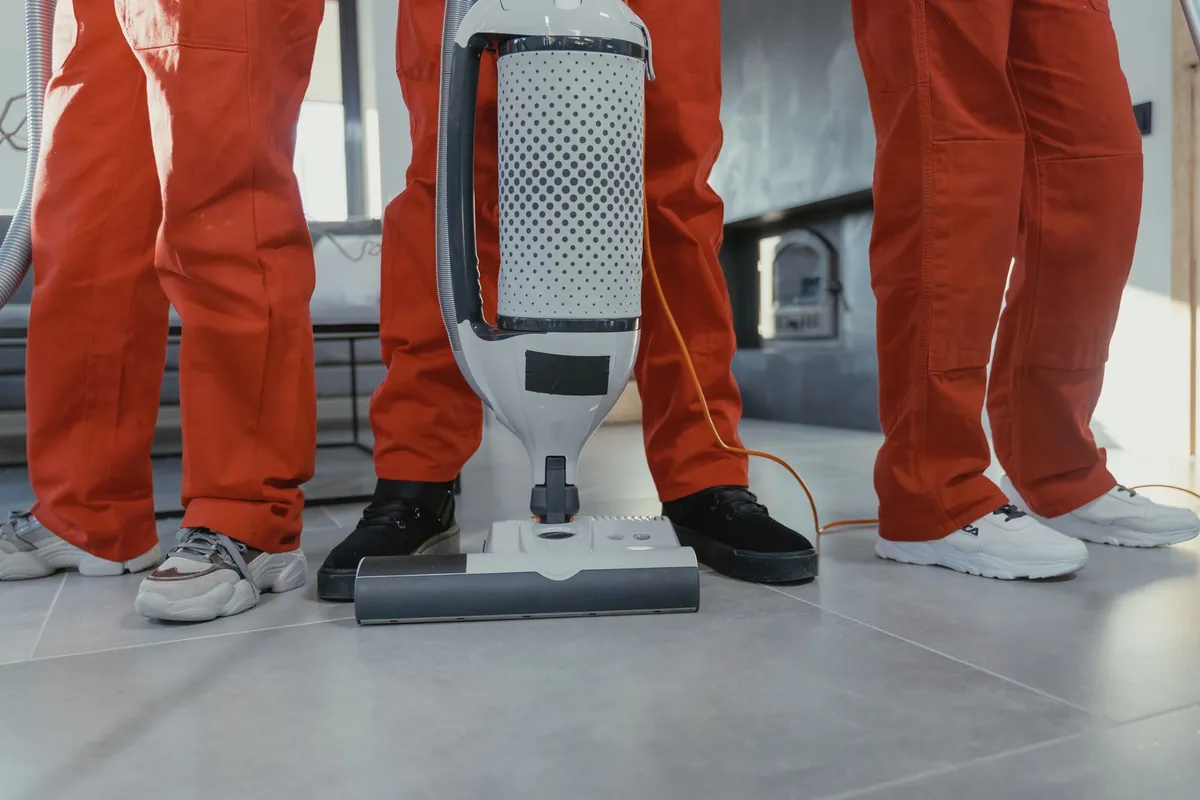
A hybrid floor carries two cleaning regimes, and mixing them shortens both surfaces. Turf takes a daily vacuum to lift dust and chalk out of the pile, with a neutral-pH cleaner for periodic deep cleans. Rubber wants the same pH discipline but different mechanics: a mop, seams checked for lift, and no harsh solvents or oily products, which can stiffen or slick the surface.
Grooming keeps the turf side of a rubber flooring artificial turf floor honest. High-traffic stretches at the head of a sled lane flatten first, and a stiff brush rakes the pile upright before flattening becomes permanent. Facility teams that fold both routines into one weekly checklist spend minutes on it; teams that skip the beat replace edge turf within a couple of seasons.
Ventilation and spill response finish the checklist. Rubber tolerates water well but holds odour where sweat pools, and turf dries faster when air moves across it. Neither surface needs exotic chemistry; consistency is the active ingredient.
The compound under the surface shapes that routine too. Recycled rubber is the dense, budget-grade workhorse of weight rooms, while virgin coloured compounds hold their tone and tolerate daylight better near glazing. Whichever the contractor picks, the cleaning rule stays the same: neutral pH, soft tools, and a log that someone actually signs.
Getting Turf Specified for Your Floor
The turf half of a rubber flooring artificial turf plan deserves a factory conversation before a purchase order. Pile height, stitch density, yarn blend, backing and roll width all set independently, and each one moves cost and lifespan in a different direction. Specifying them against your zone drawing, rather than against a brochure photo, is what separates a floor that ages well from one that mats by season two.
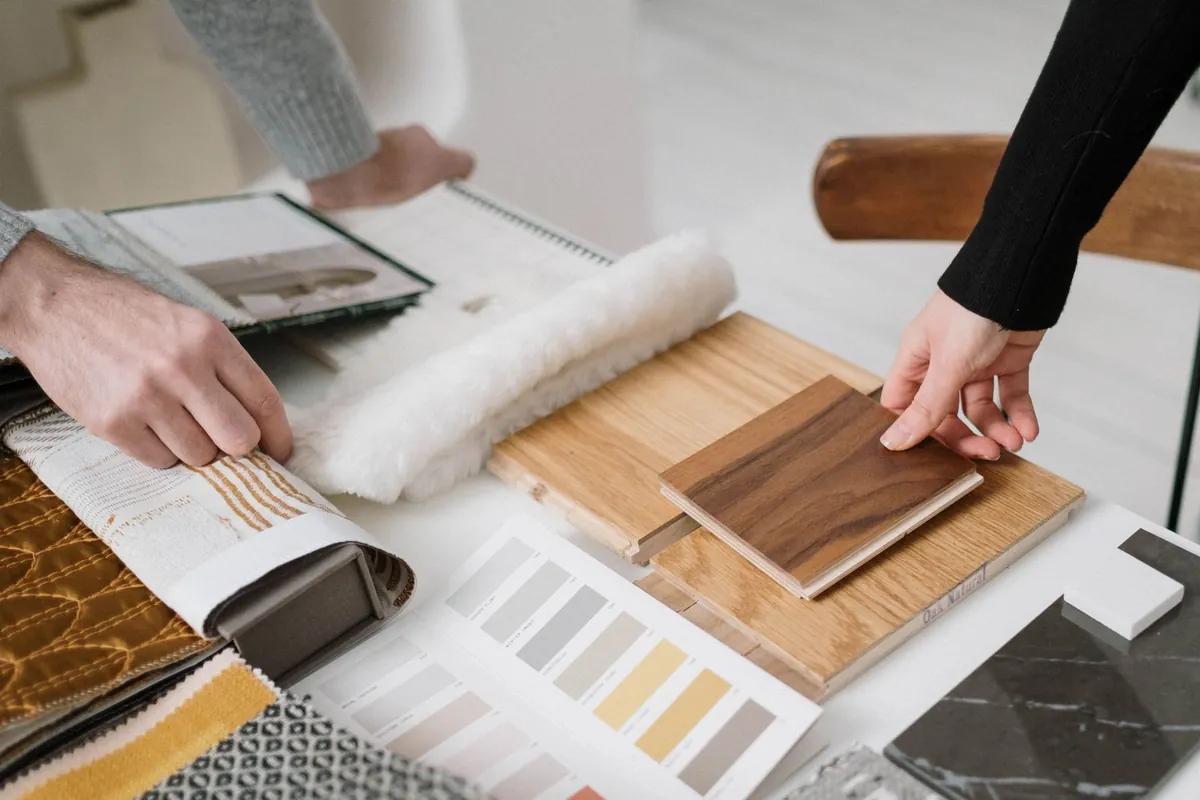
Samples make the decision cheap. A 20 by 20 centimetre swatch travels by DHL or FedEx in 4 to 6 days, freight collect, and custom specifications add 10 to 15 days of production time. Stand on the sample, drag a loaded plate across it, then commit.
Turf Lifting Where It Meets Rubber?
Different sub-bases move at different rates. We cut rolls for the transition. Factory-direct pricing, typically 30–50% below market on like-for-like specifications.
Cost Lines to Map Before You Build
Four cost lines decide the budget, and only one of them appears on a quote. Turf material for the functional zone runs $7–60 per square metre, indicative against grade and specification. Request an exact quote on the drawing, since roll width and total area move the number. Subfloor preparation is the second line on any rubber flooring artificial turf project, and the guides are blunt that the best surface fails on a slab nobody levelled.
The third line is labour at the junctions: shims, levelling compound and transition strips cost little at planning and plenty as rework. The fourth is layout waste, which roll width drives. A 5m roll crosses most lanes in one pass and leaves the offcut problem on the supplier side of the ledger.
Budget the zone map, not a single headline rate. A floor specified this way compares quotes like for like, because every bidder is pricing the same drawing.
Questions Facility Buyers Ask Suppliers
Before signing, facility buyers tend to ask the same short list. Can pile height, density and backing vary between zones on one order? How does replacement stock stay colour-matched in year five, and what does the factory need to quote? Square metres, roll width and the zone drawing usually settle that last one.
Bulk orders raise a second tier of questions. Minimum quantities decide whether a boutique studio and a chain rollout can buy from the same line. Batch colour control decides whether the lane installed next quarter matches the one installed today. A factory partner answers both from the production schedule rather than from a price list.
Lifespan comes up next. Commercial-grade artificial grass carries an up-to service life of 10 to 15 years. The honest variables are traffic, cleaning discipline and whether sled work stays on the lane built for it.
Этот sports artificial grass page sets out the parameter sheet a factory builds from. Walk a supplier through the zone plan and the answers arrive as specifications, not adjectives.
Часто задаваемые вопросы
How thick should rubber flooring be in a gym?
Published guides converge on 6–8mm for cardio machines, 10–15mm for general strength work, and 20–30mm where plates drop, with Olympic platforms layered at 30–50mm. Match the thickness to the heaviest drop the zone will see.
What pile height works for gym turf lanes?
Short and dense wins: 10–15mm pile resists flattening under sled straps and daily foot traffic. Taller landscaping grass bogs sleds down, so functional zones stay short while stretch corners can run slightly taller.
Can you push a sled on rubber flooring?
You can, but layout guides note the friction is wrong: sleds chatter and grab instead of gliding. A dedicated turf lane gives the consistent slide resistance that sled training is built around.
How do you make turf and rubber sit flush?
Match total build-up before installation. A common pairing in rubber flooring artificial turf layouts sets 10mm turf on a 5mm pad against 15mm rubber, with a sloped strip taking any remainder.
How much does gym artificial turf cost?
Ориентировочная стоимость материалов — от $7 до 60 за квадратный метр в зависимости от длины ворса, плотности и основы; запросите точный расчёт по вашему чертежу зоны. Ширина рулона и общая площадь в квадратных метрах влияют на итоговую цену сильнее, чем ожидают большинство покупателей.
What roll width suits a functional training zone?
Rolls come in 2m, 4m and 5m widths, each 25m long. A 5m roll lays most turf lanes in one pass with no cross seams, while 2m suits narrow spaces where handling matters more than speed.
 Russian
  English
  Arabic
  French
  German
  Portuguese
  Spanish