
Five moves cut artificial turf costs, ranked by payback speed: match roll width, spec pile to the use, buy factory-direct, sample first, consolidate the order. None of them asks you to buy a worse product. The overrun in a turf project usually starts before the quote, in habit decisions about width, pile and volume rather than in the sticker price.
Scope note first: our artificial grass cost guide covers price brackets and what drives them, so this article stays on the savings side. Where a cheap choice turns expensive within two seasons, we say so plainly. Sequence the five moves right and the same budget buys noticeably more usable lawn.
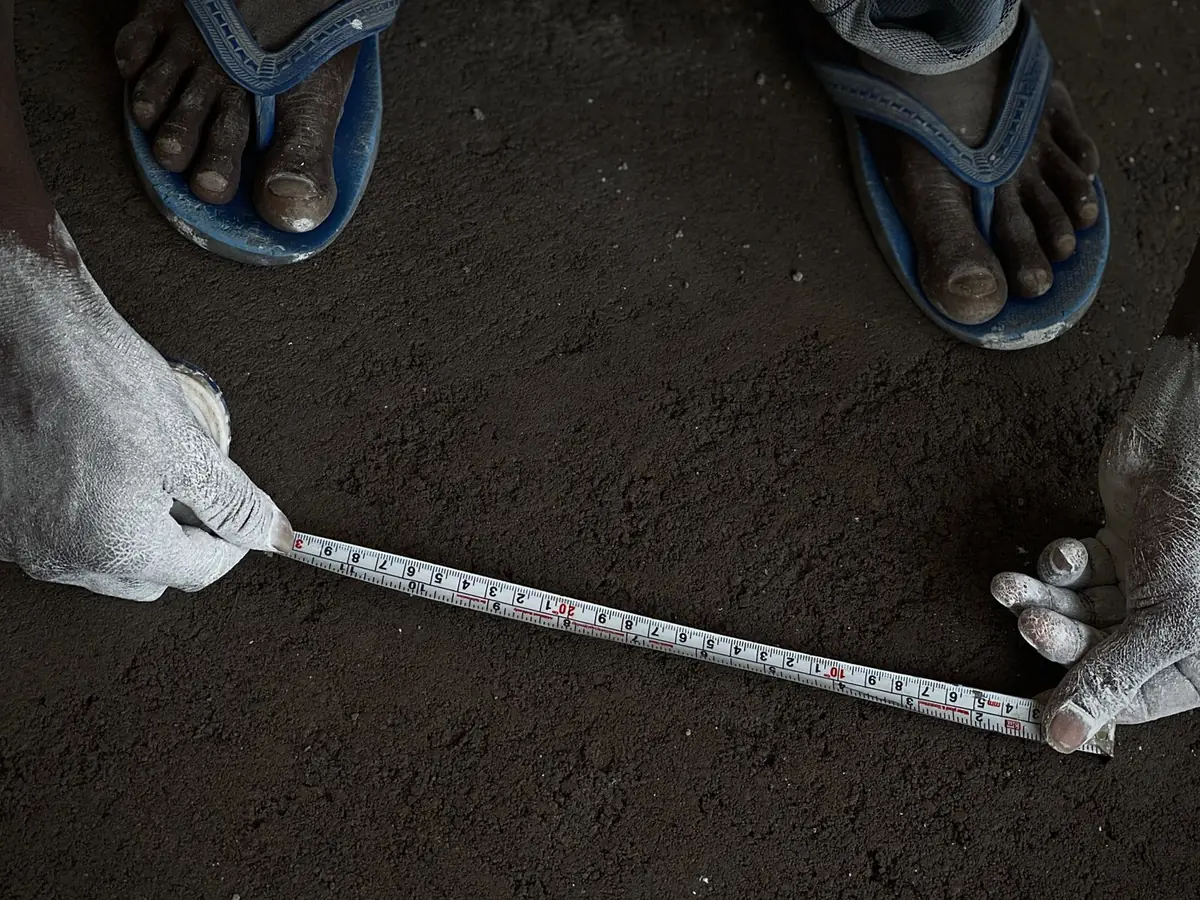
Combine a Largura do Rolo com o Seu Layout
Roll width is the cheapest decision you will never feel in the product. A landscaping crew we know measured a 9-metre-wide lawn and first drafted the plan around 2m rolls. Re-cutting the layout with 4m rolls dropped the seams from four runs to two and removed the pile of offcuts entirely. Same product, same area, less labour, less waste.
Rolls arrive at 2m, 4m or 5m on a standard 25m run, and each width earns its keep on a different job. Draw your seam lines before you order, then pick the width that lets most rolls land whole. The table below is how we match them on real projects.
| Roll width | Best fit | Cost logic |
|---|---|---|
| 2m x 25m | Small lawns, balconies, narrow side yards | Most economical to buy, easy to transport and install |
| 4m x 25m | Uncertain layouts, most residential and commercial grounds | Widest supply, covers most plans with fewer seams |
| 5m x 25m | Sports fields and large open areas | Almost no seams and little waste on big zones, heavier and pricier to ship |
| Custom width | Odd shapes where a seam cannot be tolerated | Tailor-made and seamless, but a premium niche product |
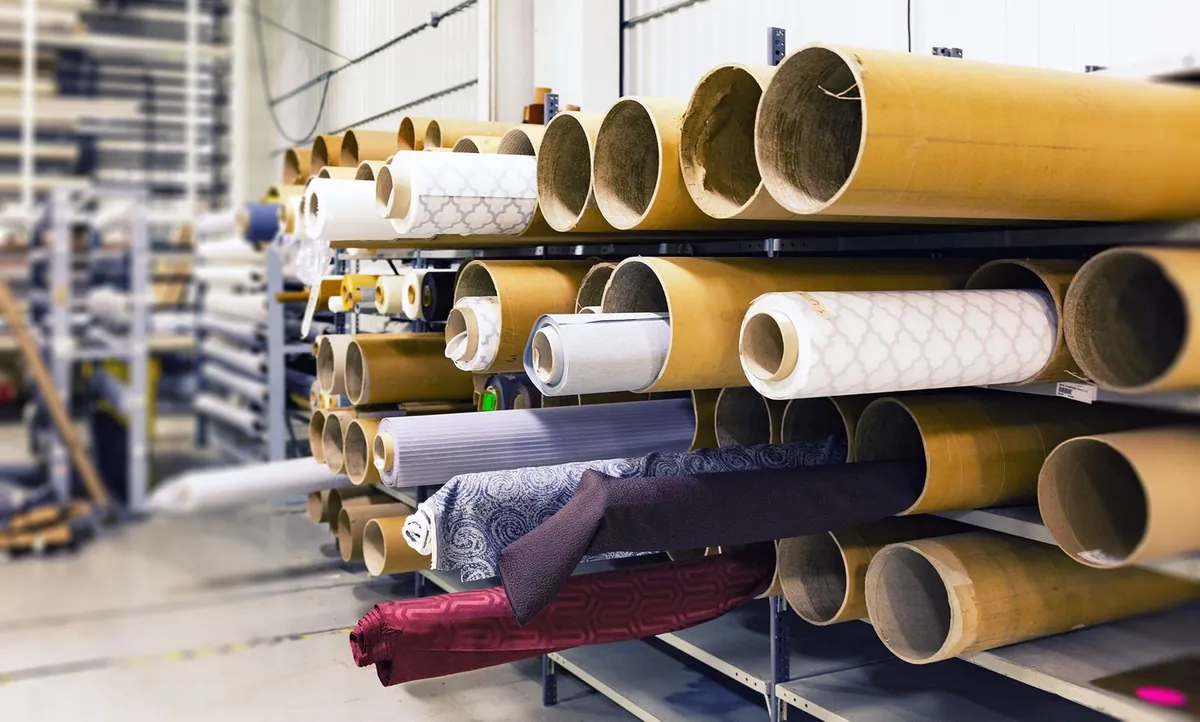
Width also touches the bill you never see: transport and handling. A 2m roll is the easiest to move through gates and onto small sites, while a 5m roll earns its freight only where a seamless field justifies the weight. Match the width to the access you actually have.
The habit to break is ordering one width for every job. A roll cut lengthwise down the middle is money you paid for and never installed.
Especifique a Altura
Buying pile height without matching it to traffic is like paying for a truck when a van does the job. The tallest roll in the catalogue photographs beautifully and usually does nothing extra on a decorative lawn. Supplier guidance keeps pointing the same way: shorter piles in the 20-35mm band cost less to make, need less infill and stay easier to maintain.

Our honest position is that most first-time buyers over-spec pile height. Traffic decides the spec, not the sample book. Decorative zones and low-use corners sit happily at the shorter end, while play areas, pets and carts need the density that justifies a taller, denser build. Pay for capability only where the surface earns it.
There is a second saving hiding in the same decision. A shorter pile uses less infill to hold the blades upright, and infill is a per-square-meter line item on every project. Spec the pile right and that line item shrinks with it.
Height is not the only dial, either. Backing choice moves the number too: our rolls leave the line on PP or PP with a reinforcing net, with a PU coating available where the job needs it. Choosing the backing for the site, not for the brochure, keeps the quote honest.
Buy Factory-Direct and Skip the Middle Margin
A maior alavanca para reduzir o custo do gramado sintético é quem emite a fatura. Comprar direto da fábrica elimina a camada do distribuidor entre a linha de produção e seu armazém. Nossa vantagem de custo em relação aos concorrentes internacionais é de 30-50% em especificações comparáveis, porque o processo e a cadeia de suprimentos estão ambos sob nossa gestão interna.
Factory-direct also changes what a quote can include. Raw material, yarn colour and shape, density, pile height, backing recipe and roll size are all customisable on our line. That means you can pull cost out of the spec instead of out of the quality. A distributor quoting from a fixed catalogue cannot re-cut the product for your budget; a factory can.
Direct buying also shortens the correction loop. When a spec needs adjusting mid-project, the change goes straight to the people running the tufting line instead of through a reseller’s order desk. Fewer hands between decision and machine means fewer expensive misunderstandings.
For buyers comparing quotes, ask every supplier the same question: is this price factory-direct or resold? That single check does more to cut artificial turf costs than any haggling, because the answer usually explains most of the gap before negotiation even starts.
Sample the Spec Before You Scale the Buy
A container is a big place to discover that the green tone looks wrong against your client’s pavers. Samples are free as 20cm x 20cm boards, usually three or four pieces per request, and you cover only the courier. DHL or FedEx delivers standard sample requests in 4-6 days; remote regions take 7-9.
The economics here are lopsided. A courier fee is rounding error against a mis-specified container, and a custom sample built to your exact spec takes an extra 10-15 days to produce. That is why the sampling decision belongs at the start of the project calendar, not the end.
Compare boards side by side, not one at a time. Put the candidates on the same table under the same light, check the thatch layer, the backing finish and how the pile springs back after you fold it. Differences that hide in a single sample stand out immediately in a lineup.
Judge samples the way the site will use them: bend a corner, check the backing, rub the pile and hold the colour against the ground it will sit on. Ordering volume against a tested spec is how you cut artificial turf costs without gambling.
Price Your Spec Direct From the Factory
Share the area, the application and the destination port, and we will match a roll width and spec that keeps the landed cost down. Sample boards go out free in 20cm x 20cm; you cover only the courier.
Consolidate the Buy to Cut Freight Waste
O frete recompensa a consolidação mais do que a negociação. Um importador que atendemos costumava enviar grama paisagística e gramado para pets como dois pedidos separados. Agora ambas as aplicações viajam em um único contêiner com especificação compatível, e o frete por metro quadrado diminui sem tocar no produto.
A consolidação funciona também no nível do pedido. Menos pedidos, mas em maior volume, significam rodadas de produção mais limpas do nosso lado, e essa eficiência se reflete no preço unitário. Dividir um projeto entre três fornecedores quebra exatamente essa lógica: três mínimos, três envios e três chances de variação de cor entre lotes de produção.
O armazenamento decide até onde você pode levar isso. Se o seu estoque comporta uma compra anual em vez de quatro compras trimestrais, a rodada de produção fica mais longa e o preço unitário fica menor. Mesmo um ano com dois pedidos supera um ano com seis em ambos os aspectos.
O padrão para reduzir os custos de gramado sintético aqui é pouco glamouroso: planeje a demanda anual e compre no menor número de rodadas de produção que seu armazenamento permita. Lento, chato e a fatura de frete mais barata que você já assinou.
Where Cutting the Budget Backfires Later
Nem toda economia é uma economia. Prepare a base fina demais e a superfície se move em uma estação; pule o planejamento de drenagem e a água fica onde seu cliente caminha. A fatura de retrabalho de uma instalação falha aniquila qualquer economia feita no momento do pedido.
A mesma regra se aplica ao próprio produto. Um resto ou um lote com desconto pode ser perfeito para um trabalho pequeno. Mas os lotes de produção variam ligeiramente de cor, e misturar lotes em um gramado visível mostra o descompasso por anos. Compre a especificação mais barata onde ninguém olha; compre a especificação compatível onde todos olham.
Comparar cotações exige a mesma disciplina. Dois preços só são comparáveis quando as fichas técnicas coincidem em altura da fibra, densidade, suporte e largura do rolo, e quando ambos os vendedores confirmam o mesmo ponto de entrega. Um número menor em uma especificação mais fina não é uma economia; é um produto diferente.
Nossa regra após mais de 500 clientes em mais de 50 países é simples: o rolo mais barato é aquele que você compra apenas uma vez. Compre a especificação uma vez, corretamente, e reduzirá os custos de gramado sintético de forma mais confiável do que qualquer desconto.
Perguntas Frequentes
Quanto custa o gramado sintético por metro quadrado?
Em nível de fábrica direta, espere $7-60 por metro quadrado como referência, com altura da fibra, densidade, suporte e almofada. Sua especificação e volume decidem onde você se enquadra nessa faixa, então solicite uma cotação exata.
Qual largura de rolo economiza mais dinheiro?
Não há um vencedor único. Um rolo de 2 m x 25 m é o mais econômico para áreas pequenas. Um rolo de 4 m cobre a maioria dos layouts com menos emendas, e um rolo de 5 m é ideal para campos grandes onde as emendas devem sumir.
Vale a pena pagar a taxa do mensageiro pelas amostras gratuitas?
Sim. Uma amostra de 20 cm x 20 cm é gratuita e você só cobre o mensageiro, geralmente 3 a 4 peças por solicitação. Comparado a um contêiner com pedido errado, essa taxa é erro de arredondamento.
Fibra mais curta é sempre a compra mais barata?
Fibra mais curta custa menos e exige menos material de preenchimento, o que explica por que as categorias decorativas de 20-35 mm têm o menor preço. Mas sob cães, crianças ou carrinhos, uma fibra fina se achata precocemente e a substituição apaga a economia.
O que nunca deve ser cortado para economizar?
Nunca sacrifique a qualidade da base, o planejamento de drenagem ou o layout das emendas para alcançar um número menor. Essas escolhas geram retrabalho, retornos e substituição precoce, que custam muito mais do que a margem economizada inicialmente.
 Portuguese
  English
  Arabic
  French
  German
  Russian
  Spanish