Systèmes de pelouse de sport

Gazon pour le lawn bowls

12 mm curled-yarn turf for the true-roll surface lawn bowls demands. Factory-direct from Relyir — 20 years of manufacturing.

12 mm de hauteur de poil Fil bouclé 52,500 tufts/m² Épaisseur de 3/16″
Depuis 2006 · 20 ans de fabrication
50+ pays · 500+ clients
12 000 m² usine au Jiangsu
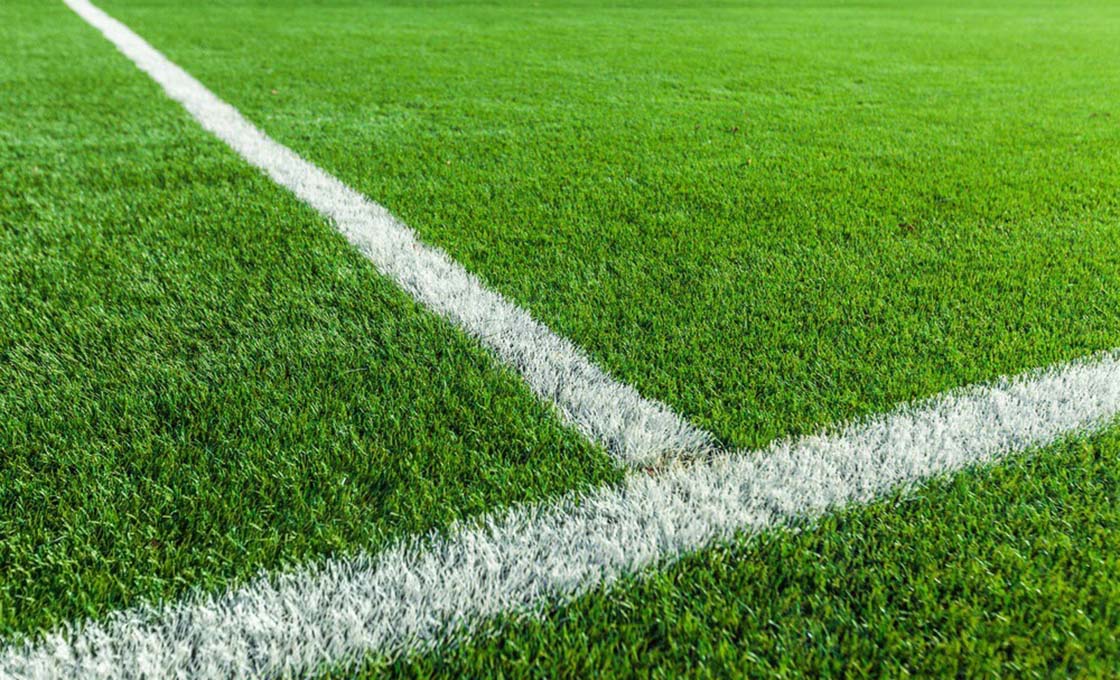
Lawn Bowls Turf — Relyir artificial grass

Why Specify Ultra-Short Pile for Lawn Bowls

The Tightest Tolerances in Sport

Lawn bowls is among the most surface-sensitive sports in existence. The bowl must travel in a true, predictable arc over distances of 30 meters or more — and even subtle surface irregularities alter the line. Relyir’s short-pile systems are engineered to deliver the consistency this sport demands.

Consistent Directional Bowl Run

Surface speed — how fast or slow the bowl travels — is the key performance attribute. A 12 mm pile at 52,500 tufts/m² installed over a precision-leveled base delivers the same speed across every rink, eliminating the patch-to-patch variation natural greens develop.

Laser-Level Surface Flatness

Bowls tolerances are among the strictest in sport. The synthetic system is installed over a laser-leveled base, and the carpet itself adds a uniform playing layer free from the bumps and depressions of natural turf.

Weather-Independent Play

Synthetic greens remain playable in conditions that close natural greens — frost, heavy rain, drought. Drainage through the carpet and base means play resumes quickly after rain, and the surface does not soften or harden with seasonal moisture changes.

Gamme de produits

Precision Short-Pile Systems for Bowls Greens

Lawn bowls demands the shortest, most consistent pile of any sport we serve. Flat Curly Tenacity 12 offers a 12 mm, 52,500 tufts/m² platform for high-density, low-profile play. Mesh Adventure 25 serves recreational greens with a slightly softer feel.

Modèle Hauteur de pile Fil Densité Jauge Taux de couture Support Couleurs
Flat Curly Tenacity 12 12 mm Monofilament PE 52,500 tufts/m² 3/16″ 25/10 cm PP + non-woven + PP (PU optional) Vert de champ
Mesh Adventure 25 25 mm Monofilament PE 27 300 insertions/m² 3/8″ 26/10 cm PP + PP (PU optionnel) Vert olive / blanc

Roll sizes: 4 × 25 m or 2 × 25 m, maximum roll width 5 m. Bowls greens require precision seaming — we provide layout guidance with every order. Full datasheets — including yarn weight and total weight — are provided with your quotation.

Conception performante

Engineering Green Speed and Bowl Bias Expression

The playing character of a lawn bowls green is defined by its speed — a measurable attribute influenced by pile height, density, pad type and surface friction. Shorter, denser pile with a smooth pad generally produces a faster green suited to competitive play, while a slightly taller pile creates a “heavier” green preferred for social bowling.

World Bowls approves named synthetic surfaces and publishes Performance Standards for Flat Green Bowls Surfaces. These standards cover surface speed, consistency, abrasion resistance and drainage, verified by accredited testers including Labosport and Sports Labs Ltd. Relyir supplies the turf product and specification documentation to support projects targeting this approval pathway.

A bowls green is a square with sides of 31.5–40 m, divided into rinks 4.3–5.8 m wide. A perimeter ditch 8–12 inches wide surrounds the green. These dimensions drive turf roll planning and seaming layout — minimizing visible seams is critical because any raised or uneven joint disrupts bowl trajectory.

Bowl bias — the curved path the bowl takes as it slows — is an inherent property of the bowl itself, but surface friction affects how that bias expresses on the green. A consistent synthetic surface allows players to learn and predict the bias curve reliably, which is why many competitive clubs prefer synthetic greens over natural turf.

Many clubs are converting natural grass greens to synthetic to reduce maintenance costs and extend playing hours. The conversion preserves the green’s footprint while upgrading to a weather-independent surface.

No loose infill is used on bowls carpets — the carpet and pad system alone determine surface characteristics. This distinguishes bowls from most other sports turf applications and requires precise manufacturing consistency across every roll.
Vente directe d'usine depuis le Jiangsu

Huit étapes de production sous un même toit

Relyir fabrique du gazon artificiel au Jiangsu depuis 2006. Chaque étape — des granulés de PE bruts aux rouleaux finis — se déroule sur place, ce qui nous permet de contrôler la qualité et de maintenir des prix inférieurs de 30–50% aux équivalents internationaux.

Les huit étapes de production sont gérées en interne, éliminant les écarts de qualité qui surviennent lorsque le mélangeage, le tissage en boucles et le revêtement sont effectués dans des installations séparées. La ligne automatique de gazon sportif, mise en service en 2015, a augmenté la capacité de production de 150% et renforcé la cohérence sur les commandes de gros volumes.

La personnalisation est intégrée à la ligne : la densité de filaments, la hauteur de la pile et les couleurs des fibres sont ajustées selon la spécification de chaque projet, avec des options de dos PP + filet et PU. L'équipe export a expédié à plus de 500 clients dans plus de 50 pays depuis 2009 et gère toute la documentation — des factures commerciales aux certificats d'origine.

  • 20 ans de fabrication depuis la fondation en 2006.
  • Site de 12 000 m² — entrepôt et atelier sous un même système de qualité.
  • Ligne sportive automatique mise en service en 2015, capacité +150%.
  • Assistance export complète — documentation, échantillonnage et coordination logistique.
Demander un tarif usine
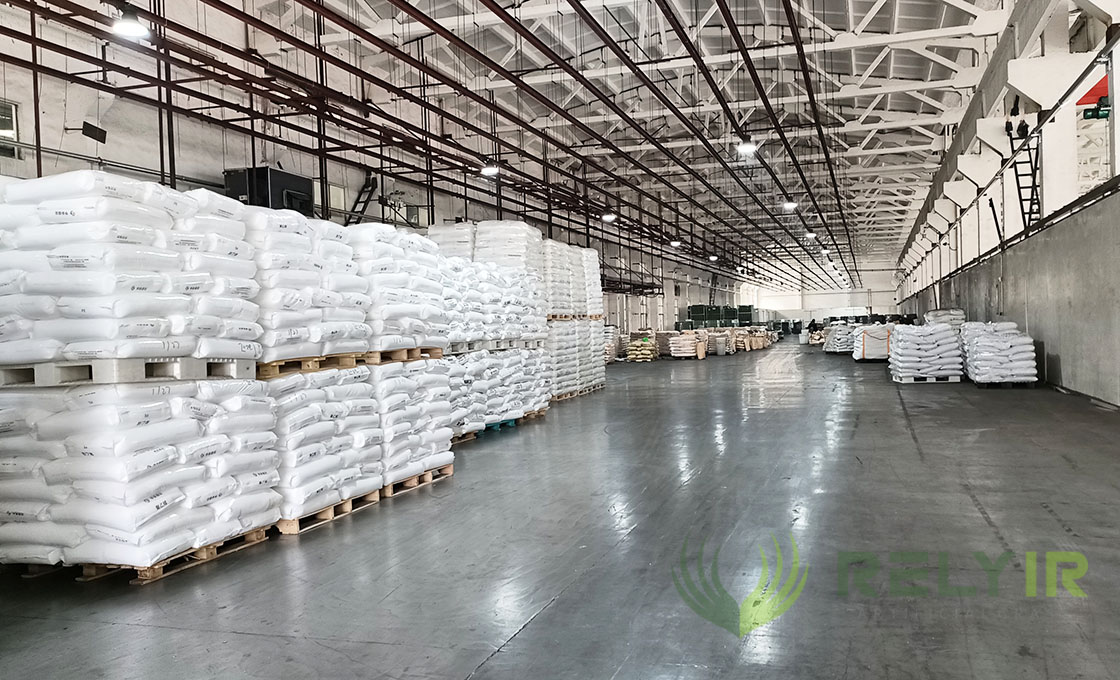
Relyir artificial grass production facility
1 Mélange 2 Extrusion 3 Torsion 4 Piquage 5 Enrobage 6 Séchage 7 Perçage 8 Enroulage

Montage du système

Four Steps to a Sanctioned-Grade Green

Bowls greens demand the tightest construction tolerances in sport. The system combines a laser-leveled base with a bonded carpet, and every step affects the final playing characteristics.

1

Bound Base with Laser Leveling

An asphalt or concrete base laser-leveled to extreme flatness tolerances. Any deviation at this level propagates through the carpet and changes bowl trajectory.

2

Shock Pad Underlay

A thin pad bonded to the base provides cushioning and contributes to green speed. Pad thickness is matched to the desired surface characteristics.

3

Carpet Bonding

The bowls carpet is fully glued to the pad or base. Seams are minimized and precisely aligned — visible or raised seams would disrupt bowl path.

4

Perimeter Ditch and Bank

The ditch and bank are formed around the green perimeter per the laws of the sport. Synthetic surfaces integrate with these features for a seamless transition.

Lawn bowls green installation showing precision seaming

Converting Natural Greens to Synthetic

Many clubs are converting natural grass greens to synthetic to reduce maintenance costs and extend playing hours. Our turf systems install over the prepared base of an existing green, preserving the club’s footprint while upgrading to a weather-independent surface. Regular brushing, moss treatment and periodic speed testing keep the green performing within specification.

  • Eliminates mowing, watering and seasonal reseeding
  • Consistent green speed across all rinks and weather conditions
  • No loose infill on the playing surface

Questions 44

Lawn Bowls Turf FAQ

Straight answers to the questions we hear most often from bowls clubs, greenkeepers and facility contractors.

Vous ne trouvez pas votre réponse ?

Notre équipe technique répond sous 12 heures.

Posez-nous votre question directement
Can synthetic bowls greens achieve World Bowls approval?

World Bowls approves specific synthetic surface products and publishes performance standards. Relyir supplies the turf product with full specification documentation for your testing program. The installed surface must pass verification by accredited testers such as Labosport or Sports Labs Ltd.

What determines green speed on synthetic surfaces?

Green speed depends on pile height, density, pad type and surface friction. Shorter, denser pile with a smooth pad generally produces a faster green. We work with your installer to match the target speed — whether that is a fast green for competitive play or a heavier green for social bowling.

How long does a synthetic bowls green last?

A well-installed synthetic bowls green typically lasts 10–15 years with proper maintenance. Regular brushing, debris removal and annual surface-speed checks keep the green performing within specification throughout its service life.

Can we convert our existing natural green to synthetic?

Yes. Existing grass greens can be converted by removing the turf, preparing the base to laser-level tolerances, and installing the synthetic carpet system. The conversion preserves the green’s footprint and perimeter features while upgrading to a weather-independent surface.

Does synthetic turf affect bowl bias?

Bowl bias is an inherent property of the bowl itself, but surface friction affects how that bias expresses on the green. A consistent synthetic surface allows players to learn and predict the bias curve reliably, which is why many competitive clubs prefer synthetic greens.

What maintenance does a synthetic bowls green require?

Regular brushing or sweeping to keep fibers upright and distribute wear, moss and algae treatment for outdoor greens, and periodic surface-speed testing. Maintenance is far less intensive than natural grass — no mowing, watering, fertilizing or seasonal reseeding.

Ready to Price Your Bowls Green?

Envoyez vos dimensions vertes et vos objectifs de performance. Notre service export vous répond sous 12 heures avec des recommandations de modèles, des fiches techniques et des tarifs usine.

Obtenir un devis gratuit
Depuis 2006 Plus de 50 pays Plus de 500 clients Usine de 12 000 m²
Retour en haut
fr_FRFrench
Besoin d'un devis rapide ? Discutez avec notre équipe d'exportation sur WhatsApp.