Relyir Grass
Factory-direct artificial grass since 2006 — full customization, samples and fast quotes.
Sports Turf Systems
12 mm curled-yarn turf for the true-roll surface lawn bowls demands. Factory-direct from Relyir — 20 years of manufacturing.
Why Specify Ultra-Short Pile for Lawn Bowls
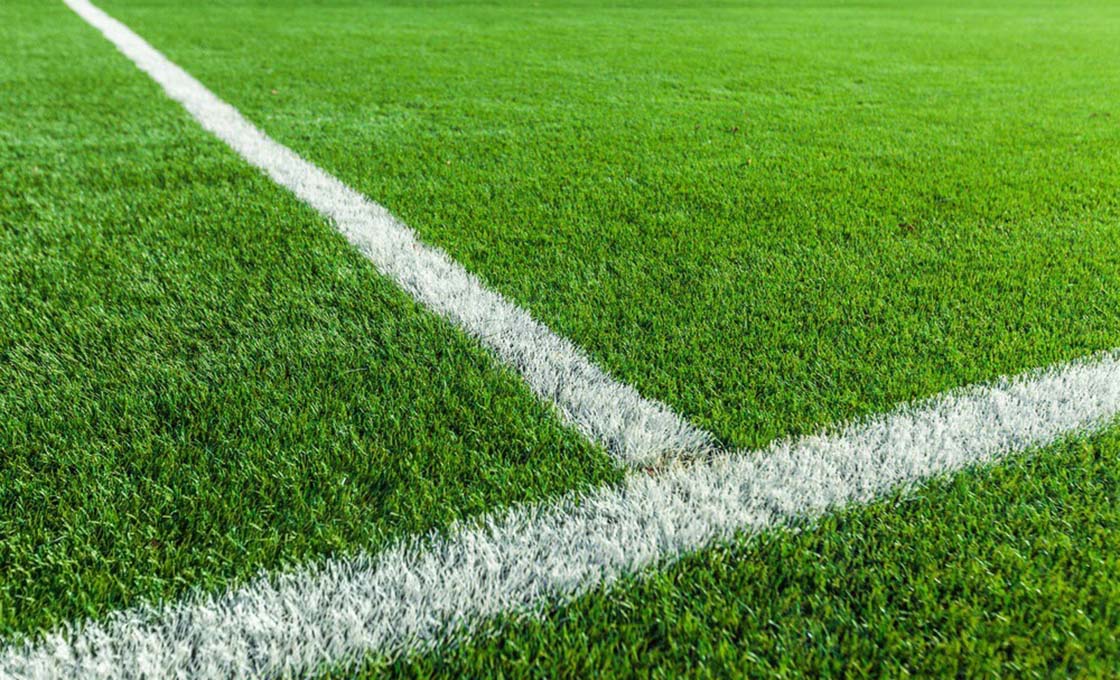
Lawn bowls is among the most surface-sensitive sports in existence. The bowl must travel in a true, predictable arc over distances of 30 meters or more — and even subtle surface irregularities alter the line. Relyir’s short-pile systems are engineered to deliver the consistency this sport demands.
Surface speed — how fast or slow the bowl travels — is the key performance attribute. A 12 mm pile at 52,500 tufts/m² installed over a precision-leveled base delivers the same speed across every rink, eliminating the patch-to-patch variation natural greens develop.
Bowls tolerances are among the strictest in sport. The synthetic system is installed over a laser-leveled base, and the carpet itself adds a uniform playing layer free from the bumps and depressions of natural turf.
Synthetic greens remain playable in conditions that close natural greens — frost, heavy rain, drought. Drainage through the carpet and base means play resumes quickly after rain, and the surface does not soften or harden with seasonal moisture changes.
Product Range
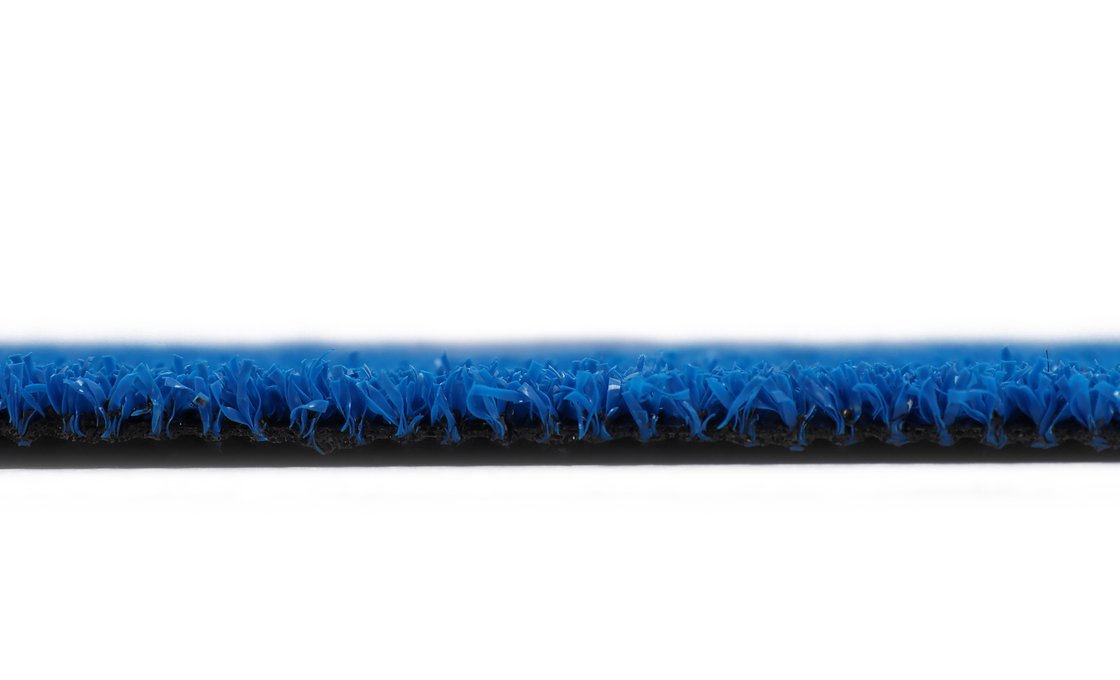
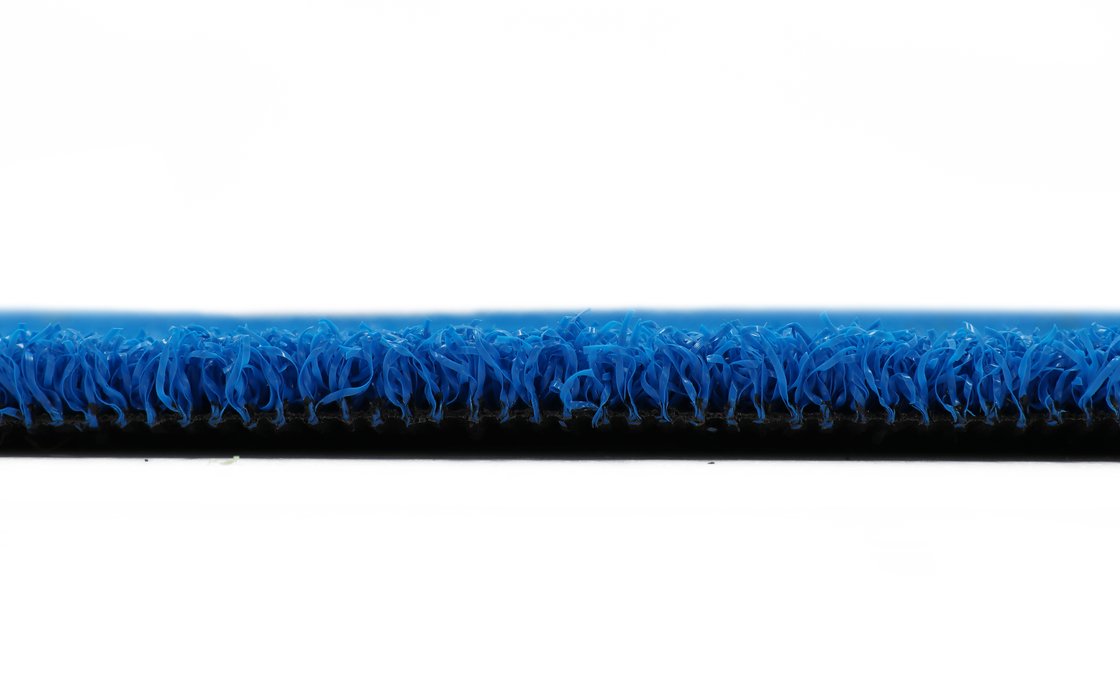
Bowls is our most demanding sport for one reason: the bias. Any irregularity shows up in the last metre, so these are our shortest, densest surfaces — 6 and 8 mm curly pile at 3/16″ gauge.
Performance Design
The playing character of a lawn bowls green is defined by its speed — a measurable attribute influenced by pile height, density, pad type and surface friction. Shorter, denser pile with a smooth pad generally produces a faster green suited to competitive play, while a slightly taller pile creates a “heavier” green preferred for social bowling.
World Bowls approves named synthetic surfaces and publishes Performance Standards for Flat Green Bowls Surfaces. These standards cover surface speed, consistency, abrasion resistance and drainage, verified by accredited testers including Labosport and Sports Labs Ltd. Relyir supplies the turf product and specification documentation to support projects targeting this approval pathway.
A bowls green is a square with sides of 31.5–40 m, divided into rinks 4.3–5.8 m wide. A perimeter ditch 8–12 inches wide surrounds the green. These dimensions drive turf roll planning and seaming layout — minimizing visible seams is critical because any raised or uneven joint disrupts bowl trajectory.
Bowl bias — the curved path the bowl takes as it slows — is an inherent property of the bowl itself, but surface friction affects how that bias expresses on the green. A consistent synthetic surface allows players to learn and predict the bias curve reliably, which is why many competitive clubs prefer synthetic greens over natural turf.
No loose infill is used on bowls carpets — the carpet and pad system alone determine surface characteristics. This distinguishes bowls from most other sports turf applications and requires precise manufacturing consistency across every roll.
Factory Direct from Jiangsu
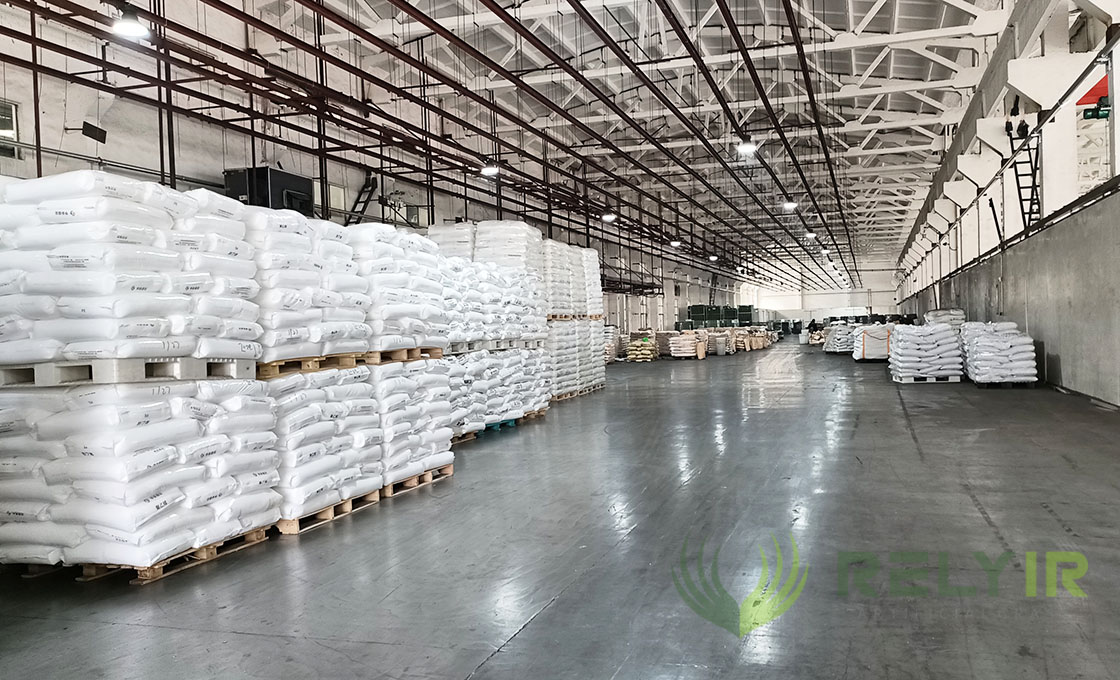
Relyir has manufactured artificial grass in Jiangsu since 2006. Every step — from raw PE pellets to finished rolls — runs on-site, which is how we control quality and hold pricing 30–50% below international equivalents.
All eight production stages are managed in-house, eliminating the quality gaps that arise when compounding, tufting and coating happen in separate facilities. The automated sports turf line, commissioned in 2015, lifted production capacity by 150% and tightened consistency across high-volume orders.
Customization is built into the line: blade density, pile height and fiber colors are adjusted to each project’s specification, with PP + net and PU backing options. The export team has shipped to more than 500 customers across 50+ countries since 2009 and handles all documentation — from commercial invoices to certificates of origin.
Every order is produced to specification — pile height, density, blade shape and color, backing composition and roll dimensions are all configured to your project requirements.
System Build-Up
Bowls greens demand the tightest construction tolerances in sport. The system combines a laser-leveled base with a bonded carpet, and every step affects the final playing characteristics.
An asphalt or concrete base laser-leveled to extreme flatness tolerances. Any deviation at this level propagates through the carpet and changes bowl trajectory.
A thin pad bonded to the base provides cushioning and contributes to green speed. Pad thickness is matched to the desired surface characteristics.
The bowls carpet is fully glued to the pad or base. Seams are minimized and precisely aligned — visible or raised seams would disrupt bowl path.
The ditch and bank are formed around the green perimeter per the laws of the sport. Synthetic surfaces integrate with these features for a seamless transition.
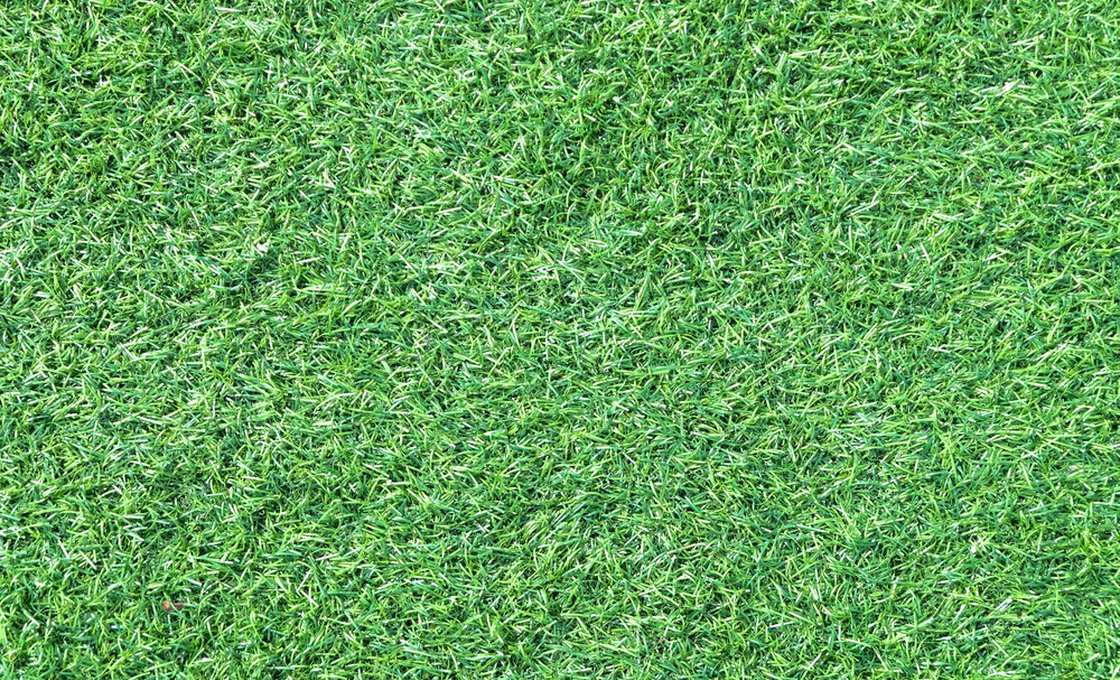
Many clubs are converting natural grass greens to synthetic to reduce maintenance costs and extend playing hours. Our turf systems install over the prepared base of an existing green, preserving the club’s footprint while upgrading to a weather-independent surface. Regular brushing, moss treatment and periodic speed testing keep the green performing within specification.
Lawn bowls is the most surface-sensitive sport we supply: the draw shot depends on a perfectly true, uniform roll over the full length of the green. Synthetic greens are built on engineered, laser-level bases with an ultra-short dense pile, which is why clubs adopt them to guarantee playability through seasons when natural greens would be closed or inconsistent. Roll speed is tuned with the dressing so the club’s preferred pace is maintained.
On a properly engineered base the roll is uniform across every rink, every day — no seasonal softness, no dry patches. Clubs typically convert because the surface removes the pace variation that natural greens develop through the season.
A level engineered base is the critical element, followed by the ultra-short carpet and dressing. Because the surface is the last step on a precision base, most club installations are planned around the base construction timeline.
World Bowls approves specific synthetic surface products and publishes performance standards. Relyir supplies the turf product with full specification documentation for your testing program. The installed surface must pass verification by accredited testers such as Labosport or Sports Labs Ltd.
Green speed depends on pile height, density, pad type and surface friction. Shorter, denser pile with a smooth pad generally produces a faster green. We work with your installer to match the target speed — whether that is a fast green for competitive play or a heavier green for social bowling.
A well-installed synthetic bowls green typically lasts 10–15 years with proper maintenance. Regular brushing, debris removal and annual surface-speed checks keep the green performing within specification throughout its service life.
Yes. Existing grass greens can be converted by removing the turf, preparing the base to laser-level tolerances, and installing the synthetic carpet system. The conversion preserves the green’s footprint and perimeter features while upgrading to a weather-independent surface.
Bowl bias is an inherent property of the bowl itself, but surface friction affects how that bias expresses on the green. A consistent synthetic surface allows players to learn and predict the bias curve reliably, which is why many competitive clubs prefer synthetic greens.
Regular brushing or sweeping to keep fibers upright and distribute wear, moss and algae treatment for outdoor greens, and periodic surface-speed testing. Maintenance is far less intensive than natural grass — no mowing, watering, fertilizing or seasonal reseeding.
Yes. Samples are free of charge — you only cover the shipping. Standard swatches are 20 × 20 cm and we typically send three to four models per project so you can compare pile heights and colors side by side. Standard samples ship via DHL or FedEx within 4–6 days; custom-matched samples add 10–15 days of production.
Yes. Choose between two options: delivered to your destination port, with export customs clearance in China, international ocean freight and cargo insurance included in one all-inclusive cost; or delivered to a Chinese port if you prefer to work with your own freight forwarder. Other delivery arrangements can be accommodated on request.
Orders range from single rolls for smaller installations to full container loads for large developments. Roll sizes of 2 m, 4 m and 5 m widths (25 m length) cover most layouts, and custom dimensions are produced to order. Volume pricing applies as order size increases.
Send your green dimensions and performance targets. Our export team replies with model recommendations, specification sheets and factory-direct pricing within 12 hours — typically 30–50% below international equivalents..
 English
  Arabic
  French
  German
  Portuguese
  Russian
  Spanish