
Application Solutions
Drainage-optimized turf for dog runs, kennels and pet yards. Easy-clean, odor-resistant, durable under paw traffic. Factory-direct from Relyir since 2006.
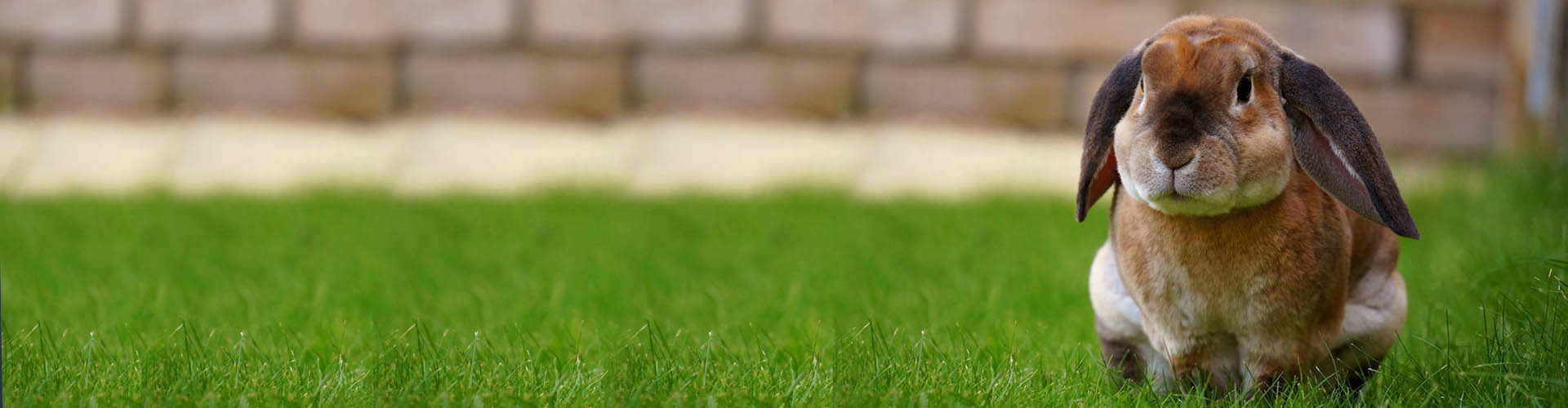
Why Pet Owners Choose Synthetic
Dogs are tough on natural lawns — urine burns create yellow patches, digging creates craters, running wears paths to bare dirt, and muddy paws track soil into the house. Synthetic turf eliminates every one of these problems.
Dog urine does not burn synthetic turf the way it kills natural grass. The perforated backing drains liquid through and away, leaving the surface clean and green. No more yellow spots, muddy runs or bare patches where your dog’s traffic concentrates.
Relyir pet turf is made from virgin polyethylene — the same food-grade plastic used in food containers. The fibers are lead-free, non-toxic and soft on paw pads. Dogs can run, roll and dig without exposure to the chemicals found in natural lawn treatments.
With no soil or mud on the surface, dogs come inside with clean paws. This eliminates the trail of muddy prints across floors and carpets that natural lawns produce, especially in wet weather. The synthetic surface stays clean regardless of rainfall.
Product Range
Pet turf lives or dies on two things: a backing that drains urine and a pile the claws can’t shred. Our dog-range models — from 20 mm balcony turf to 40 mm garden lawn — pair perforated backing with dense, stain-resistant fibre so the lawn stays clean and the smell stays out.
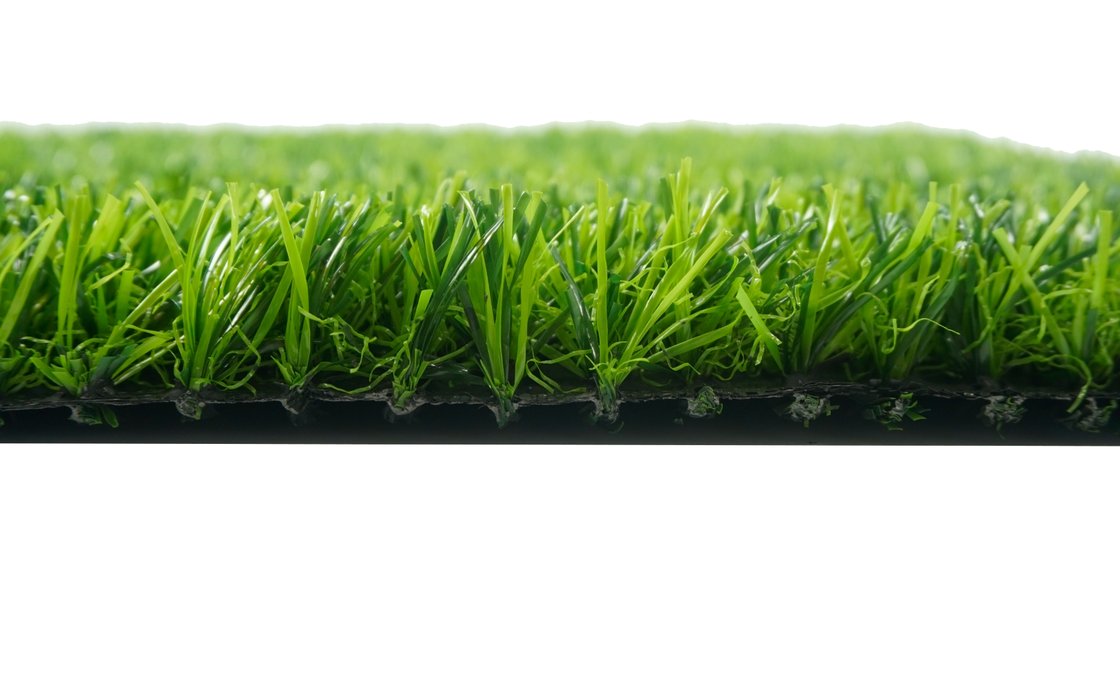 Entry Nest C 2012 20 mm · C shape Monofil PE+Curled PP · 12600 stitches/sqm Learn More
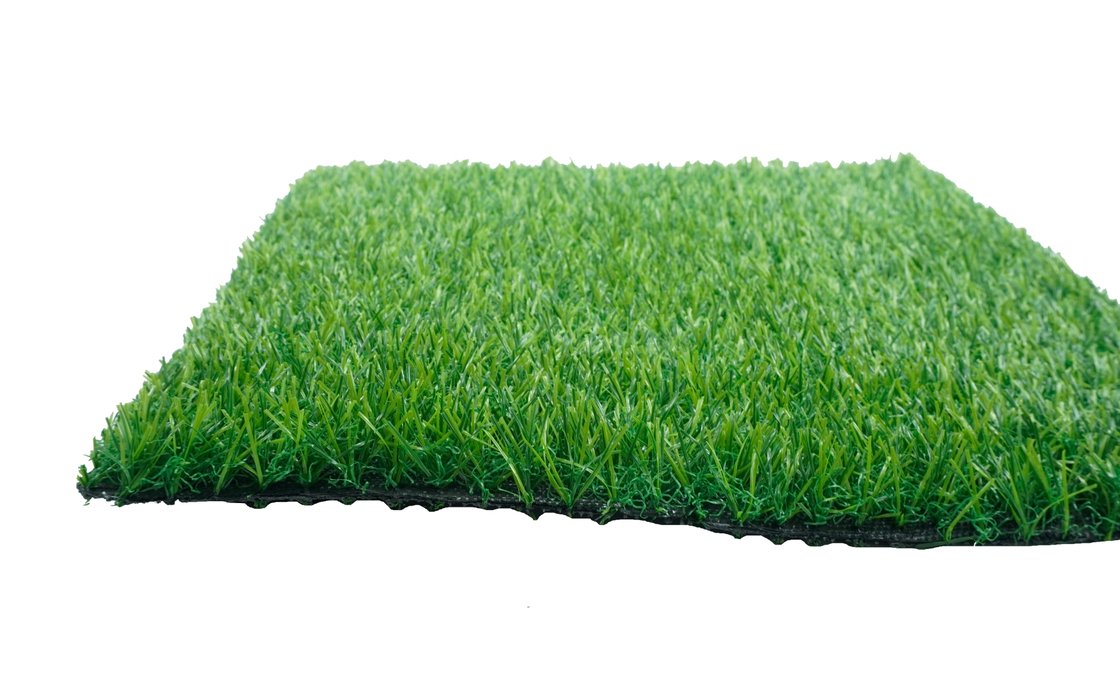 Entry Nest M 2016 20 mm · PE+PP-StemShape · 16800 stitches/sqm Learn More
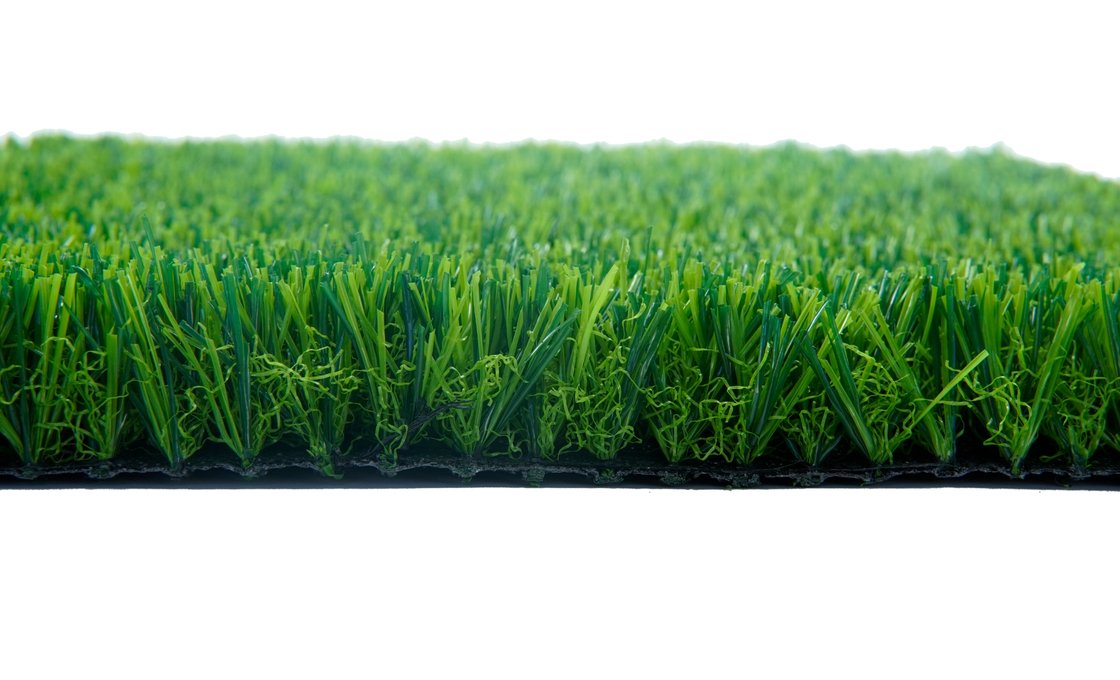 Entry Nest C 2516 25 mm · C shape Monofil PE+Curled PP · 16800 stitches/sqm Learn More
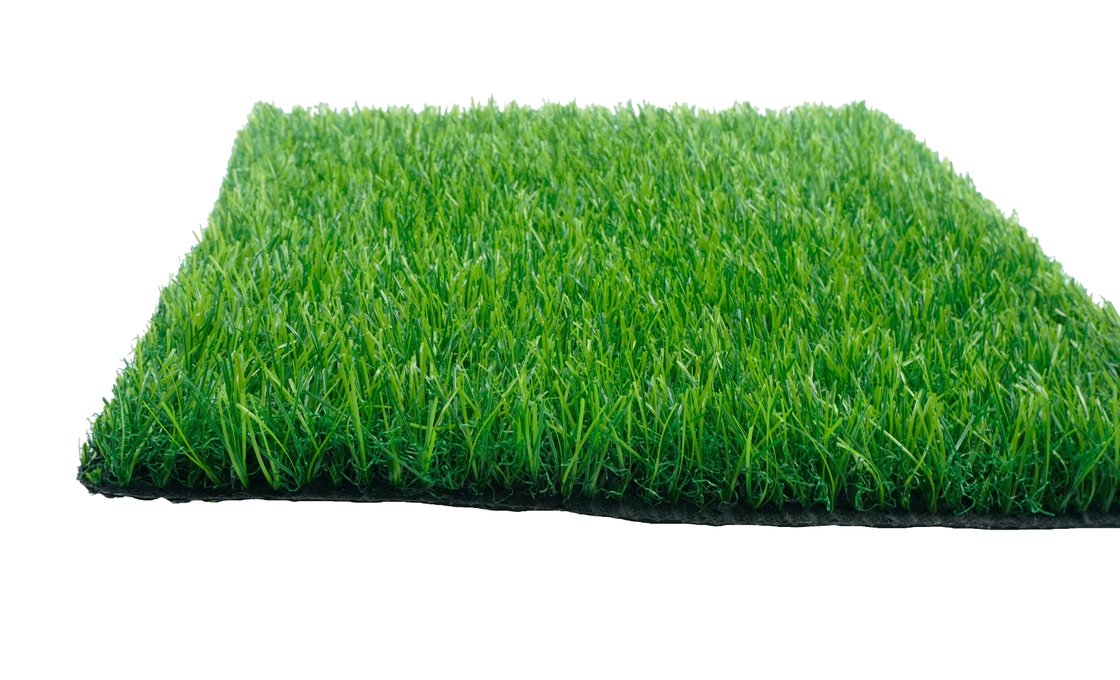 Entry Nest M 3016 30 mm · PE+PP-StemShape · 16800 stitches/sqm Learn More
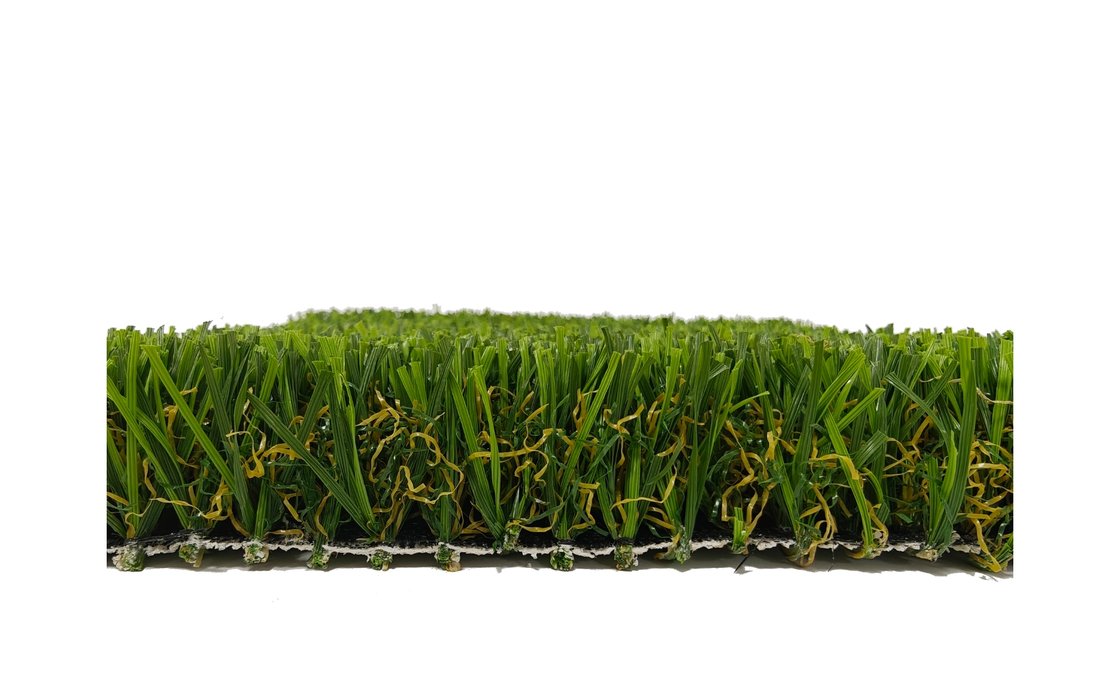 Entry Nest Mono 3014 30 mm monofilament Learn More
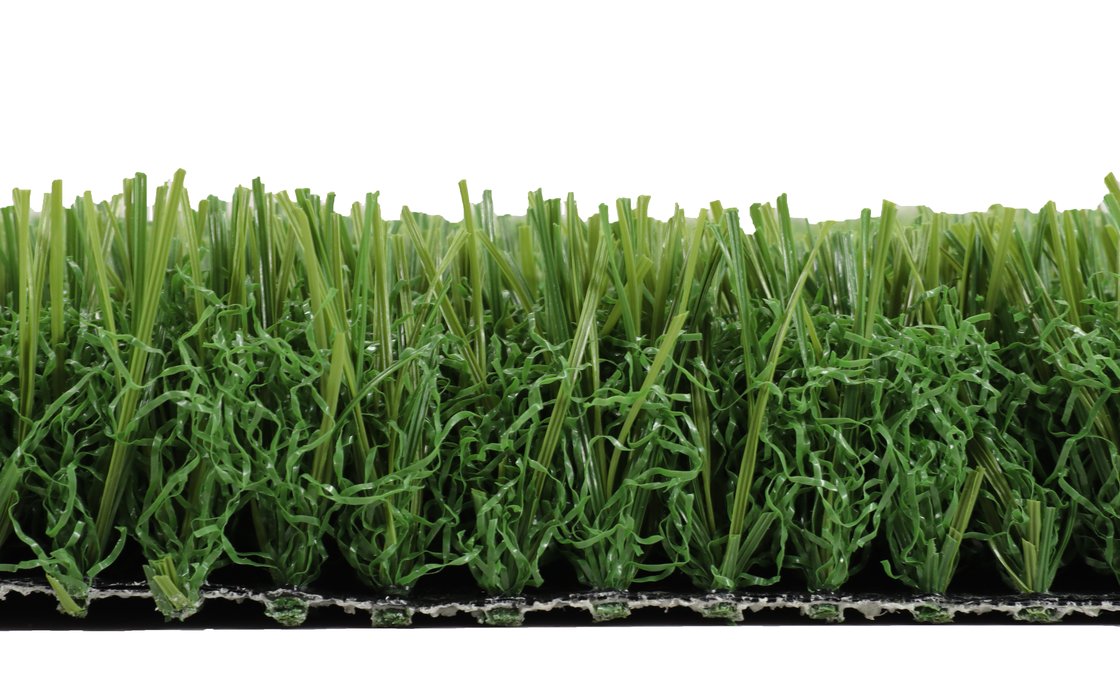 Standard Harmony Tri 3520 35 mm · 3 shape Monofil PE + Curled PP · 21000stitches/sqm Learn More
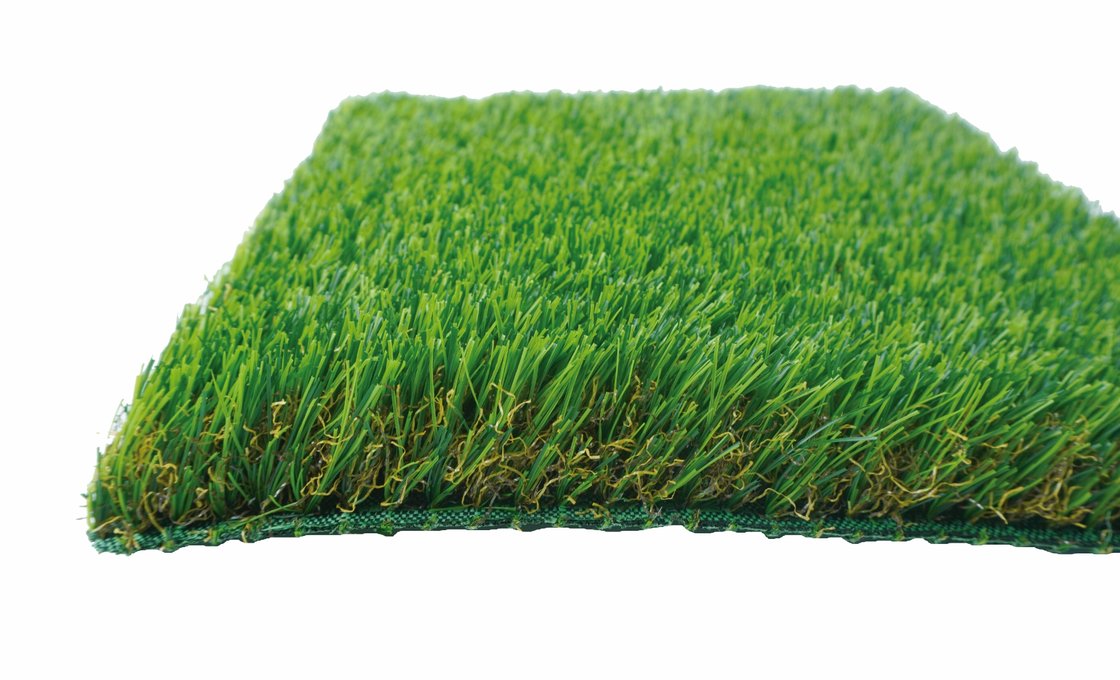 Standard Delicacy Mono 4015 40 mm · C shape Monofil PE+Curled PP Learn More
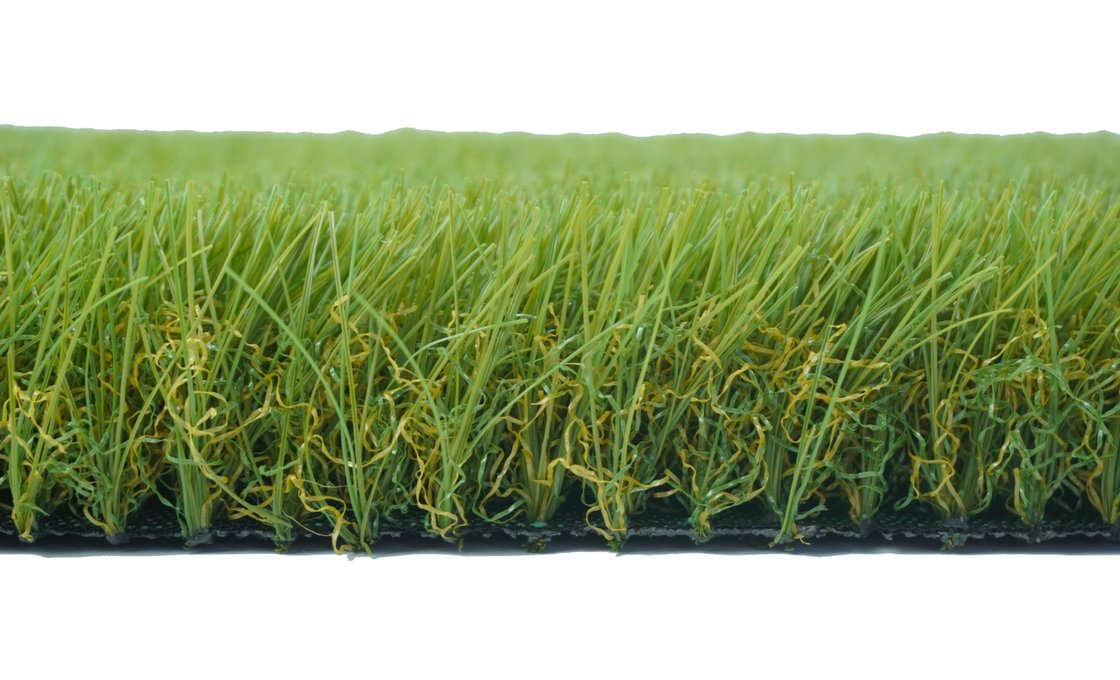 Standard Harmony C 4026 40 mm · C shape Monofil PE+Curled PP Learn More
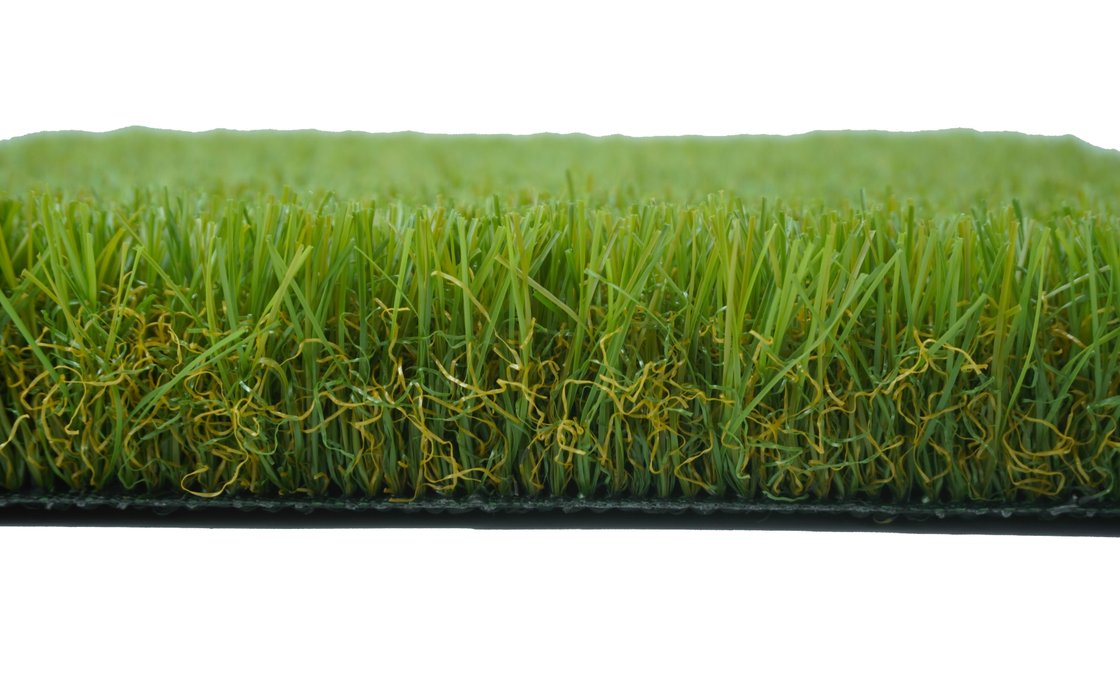 Advanced Elegant Mono 4029 40 mm · C shape Monofil PE+Curled PP Learn More
Pet-Specific Design
Not all artificial grass is equally suited to dogs. The three factors that separate pet-friendly turf from general-purpose landscaping grass are drainage, material safety and fiber durability.
Drainage is the most critical. Dog urine needs to pass through the turf quickly — pooling on the surface creates odor and hygiene issues. Relyir’s perforated backing has drainage holes punched during a dedicated production step, allowing liquid to flow through into the aggregate base below. For dedicated pet areas, we recommend a base with enhanced drainage capacity — more aggregate depth and a steeper crown slope.
Material safety is non-negotiable for pet turf. Dogs chew, lick and roll on the surface. Relyir uses virgin polyethylene — the same food-grade plastic used in food packaging — with no lead, no recycled content of unknown origin and no chemical treatments. The raw materials comply with NEN EN71-3 safety standards.
Fiber durability addresses the wear that claws and paws create. Dogs running, turning and digging concentrate force on individual fibers. Denser turf (higher tufts per m²) distributes this load across more fibers, reducing the chance of individual fiber pull-out. For dedicated dog runs and kennel areas, shorter and denser turf handles the concentrated wear best.
For kennels, veterinary clinics and dog daycare facilities, synthetic turf replaces concrete runs that are hard on joints and difficult to keep clean. The surface drains, cushions and can be sanitized with standard kennel cleaning products without damaging the fibers.
Factory Direct
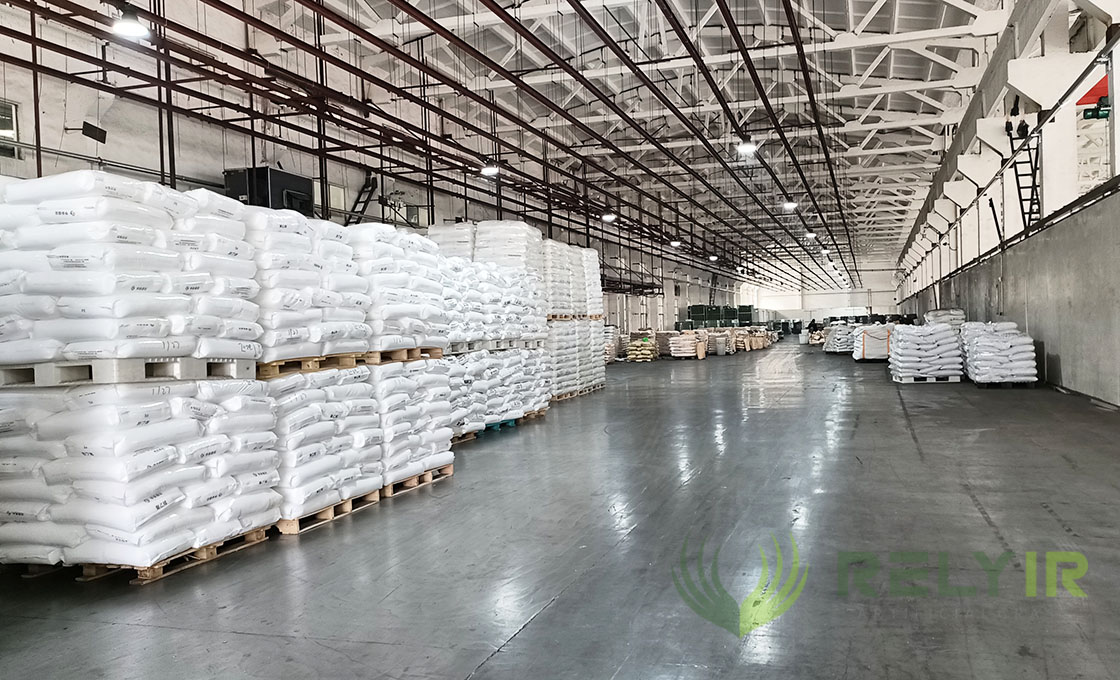
Relyir has manufactured artificial grass since 2006. Pet turf uses the same virgin PE materials and production standards as our full product range — safety is built into the manufacturing process, not added as an afterthought.
All eight production stages are managed in-house. The automated sports turf line, commissioned in 2015, lifted production capacity by 150%. Pet turf orders — from a single backyard dog run to a multi-area kennel installation — are produced with the same material standards and quality controls as every other product in our range.
The perforating step — where drainage holes are punched through the backing — is particularly important for pet applications. We ensure consistent hole spacing and size across every roll, so drainage performance is uniform regardless of where on the lawn liquid passes through.
Every order is produced to specification — pile height, density, blade shape and color, backing composition and roll dimensions are all configured to your project requirements.
Pet Area Installation
Pet turf installation follows the standard process with extra attention to drainage — the single most important factor for a dog area that stays clean and odor-free.
Build a deeper aggregate base (100–150 mm) than standard landscaping installations. The extra depth provides more void space for liquid to disperse. A steeper crown slope (2–3%) directs urine away from high-traffic areas.
Lay geotextile weed barrier over the base. Roll out and seam the turf using standard methods. Secure edges thoroughly — dogs will test perimeter edges by digging and pulling.
Use lighter sand infill (2–3 kg/m²) for pet areas. Too much sand can trap moisture and odor. The sand stabilizes the turf and helps fibers stand upright without compromising drainage speed.
For dedicated dog areas, an antimicrobial infill or deodorizing granule layer can be brushed into the pile to neutralize urine odor. This is optional but recommended for kennels and high-use pet runs.
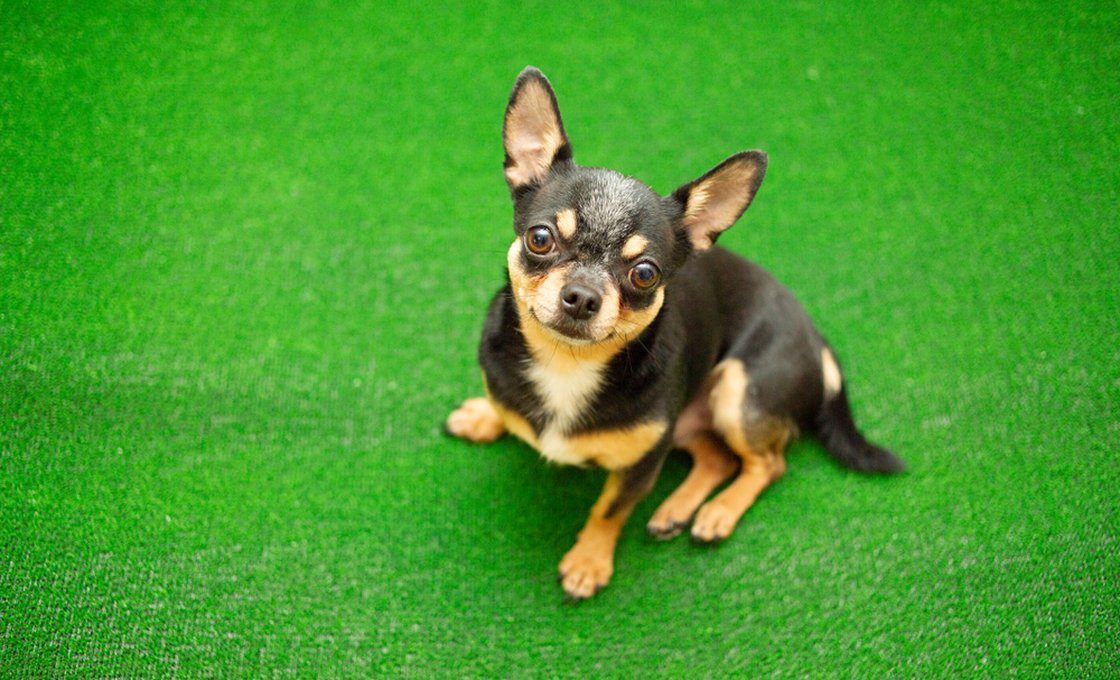
Pet turf maintenance is straightforward. Rinse the area with water regularly to flush urine through the drainage system. Pick up solid waste promptly. For deeper cleaning, an enzyme-based cleaner breaks down organic residue without harming the fibers.
Brush the surface monthly to keep fibers upright and prevent matting in high-traffic zones. With this basic care, the turf stays clean, green and odor-free through its full service life.
With pets, everything routes through drainage: urine that drains through the perforated backing and away from the pile is a maintenance task, urine that pools under the surface becomes an odor problem no cleaner can fix. That is why pet turf is specified as a system — short dense fibers for easy cleanup, a free-draining backing, and an infill chosen for odor control rather than looks. Industry guidance is unanimous that the rinse routine, not the carpet, keeps a pet lawn fresh.







