Relyir Grass
Factory-direct artificial grass since 2006 — full customization, samples and fast quotes.
Product Formats
Vertical grass wall panels for interior and exterior applications. Factory-direct from Relyir — 20 years of manufacturing.
Vertical Green Without the Maintenance
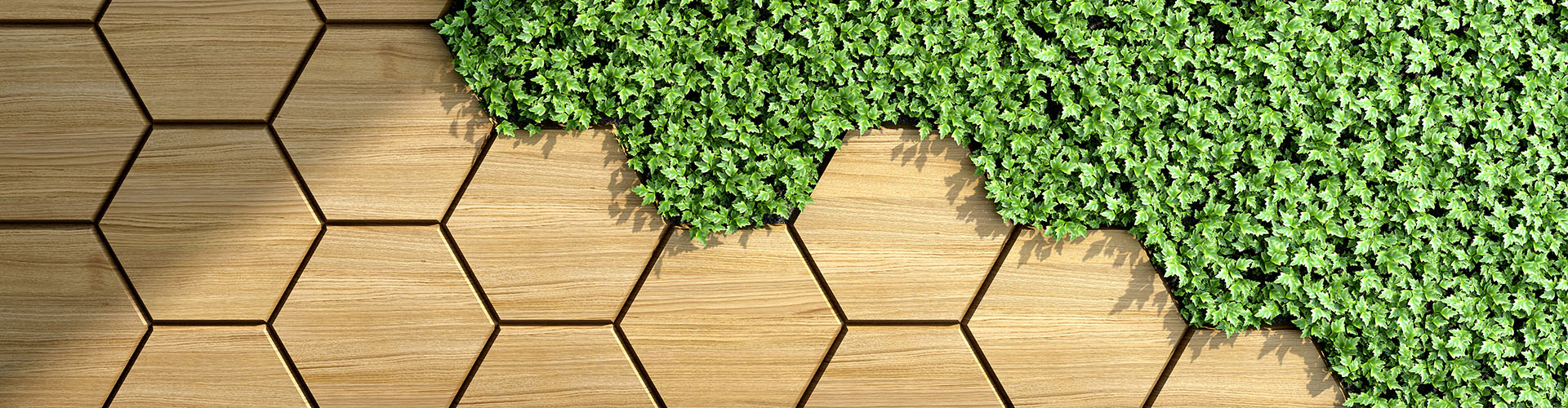
Grass walls deliver the visual impact of a living green wall without the irrigation systems, structural load, plant replacement cycles and ongoing horticultural maintenance that real vegetation requires.
A dense layer of synthetic fiber on a vertical surface adds thermal resistance — reducing heat transfer through the wall in summer and heat loss in winter. The fiber mass also absorbs sound, making grass walls a functional choice for noise-sensitive environments.
Grass walls create opaque, visually rich barriers that block sightlines more effectively than plain fencing. Residential applications include boundary walls, balcony screens and pool enclosures. Commercial uses include parking structure screening and building facade cladding.
Custom colors, mixed pile heights, integrated logos and LED lighting transforms a grass wall from a green surface into a branded design element. Retail displays, event backdrops and corporate lobbies use grass walls as focal points that reinforce brand identity.
Product Formats
Interior and exterior green walls turn blank surfaces into living backdrops for offices, events, retail and hospitality. Our wall turf installs on rigid panels or directly to flat substrates with adhesive.
Every format is extruded, tufted and coated in our Jiangsu plant and produced to your specification. Send us your dimensions and use case for factory-direct pricing and a sample.
Request a QuoteDesign Applications
The most common grass wall application is building facade cladding — covering a concrete or metal exterior with a continuous green surface that softens the building’s visual impact and provides insulation. This is particularly effective on parking structures, retaining walls and commercial buildings where natural vegetation is impractical.
Residential grass walls serve a different function: privacy screening on balconies, boundary walls and pool enclosures. The dense fiber layer blocks sightlines while looking more organic than metal or timber fencing. In coastal areas where salt spray kills real plants, a grass wall maintains its green appearance year-round without horticultural maintenance.
Interior applications are growing — corporate lobbies, restaurant feature walls, retail displays and event backdrops. Indoor grass walls require no sunlight or water, and the synthetic fiber is easy to clean with a vacuum or compressed air blower.
The design potential of a grass wall goes well beyond a flat green surface. By mixing pile heights, colors and textures, designers create depth and visual interest. Adding LED strip lighting behind the fiber tips creates a dramatic glow effect. Integrating artificial flowers, moss or foliage elements adds botanical variety.
For commercial branding, logos and brand colors can be tufted directly into the wall panel. This creates a branded environment that is more tactile and visually engaging than a printed banner or painted wall, and it lasts for years rather than the duration of a campaign.
Factory Direct from Jiangsu
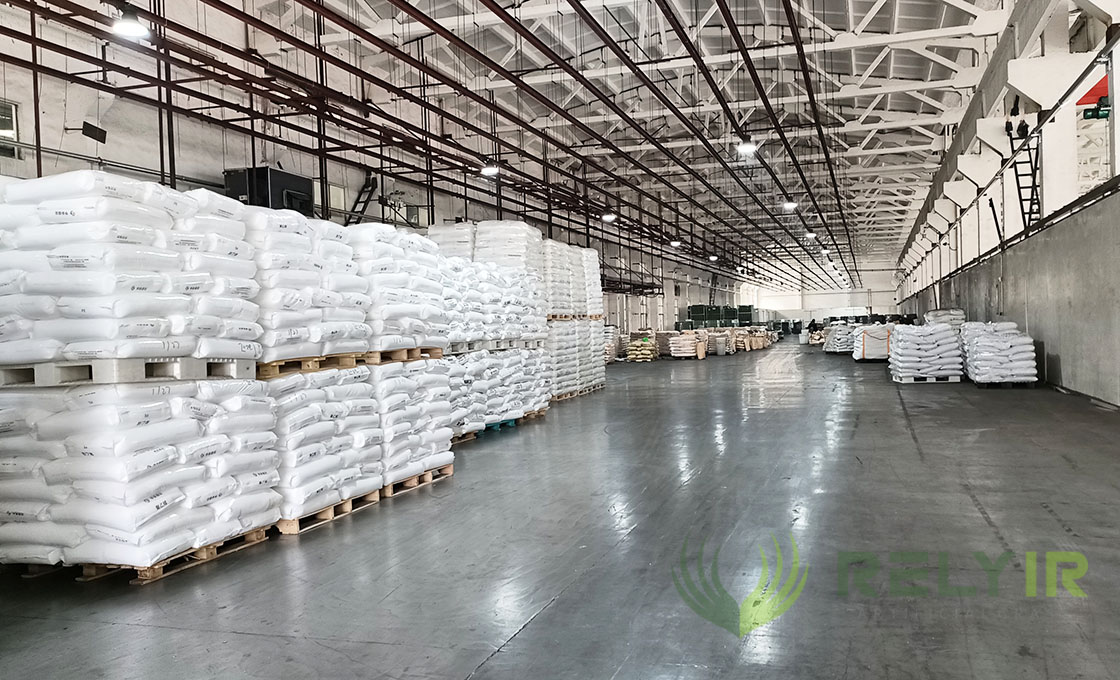
Relyir has manufactured artificial grass in Jiangsu since 2006. Grass wall panels are produced and assembled on-site, ensuring color consistency and quality control across your entire order.
All eight production stages are managed in-house. The automated sports turf line, commissioned in 2015, lifted production capacity by 150%. Wall panels are cut, assembled and quality-checked in the same facility — from raw fiber to finished, ready-to-mount panels.
Custom wall orders — specific colors, mixed pile heights, logo integration and non-standard panel sizes — are handled through the same production system as our standard product lines. The export team has shipped to more than 500 customers across 50+ countries since 2009.
Every order is produced to specification — panel dimensions, foliage color, coverage density and backing type are all configured to your project requirements.
Vertical Installation
Vertical installation requires a different approach than horizontal turf laying. The key consideration is weight distribution and long-term adhesion to the wall substrate.
Inspect the wall surface for structural integrity, moisture issues and load capacity. Clean and dry the substrate. Install a moisture barrier if the wall is prone to dampness. Apply a primer coat if using adhesive mounting.
Fix the grid-pattern backing fabric to the wall using mechanical fasteners (screws and washers) or construction adhesive, depending on the substrate. The backing provides the anchor layer that the grass panels attach to.
Attach grass panels to the backing using adhesive or hook-and-loop fasteners. Trim panels around openings, fixtures and edges. Add LED lighting strips, decorative flowers or signage as the design requires.
Outdoor grass walls need periodic rinsing to remove dust and pollen. Indoor walls can be maintained with a vacuum cleaner or compressed air blower. Inspect mounting points annually to ensure panels remain securely attached, especially in areas subject to wind loading.
The UV-stabilized fibers resist fading under sun exposure. For walls in extreme UV environments, the fiber color retains its appearance throughout the product’s outdoor lifespan of 5–12 years, depending on exposure intensity and climate conditions.
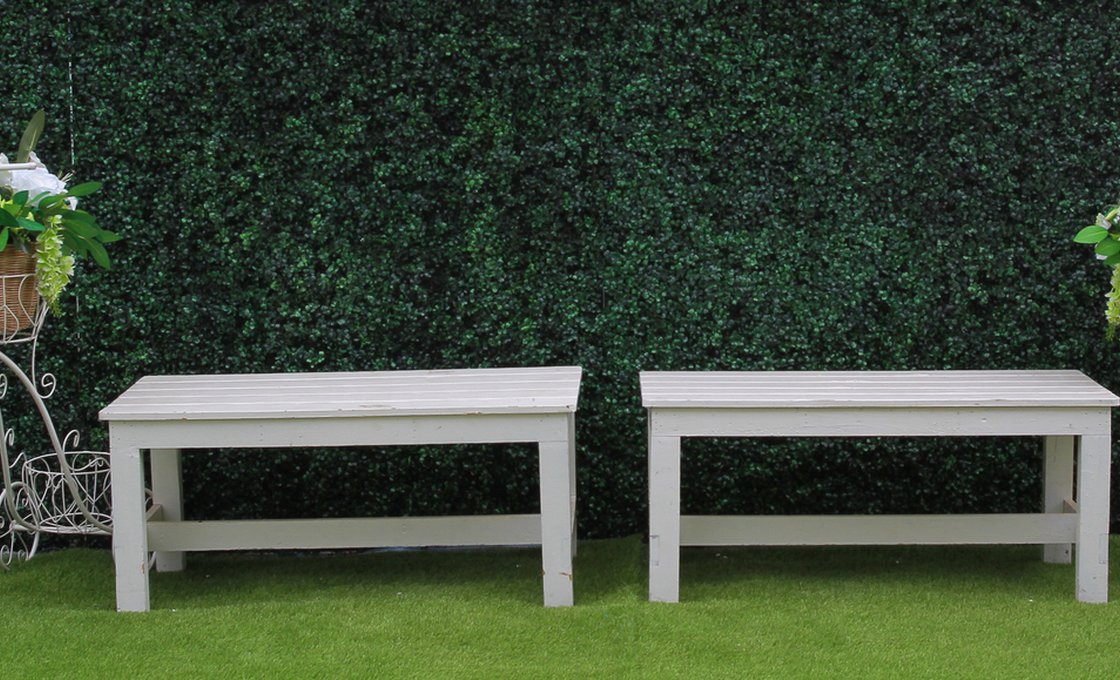
Artificial wall panels bring green surfaces to places living walls cannot survive — dim interiors, dry lobbies, exterior walls with no irrigation — and their value proposition is the zero-maintenance list: no watering, no pruning, no light requirements. The specification points that matter are UV stabilization for sun-exposed walls, panel density so the backing never shows through, and fire performance where commercial codes apply. Panels mount to any wall and combine into full-height installations.
UV-stabilized panels hold their color through years of sun exposure; non-stabilized greenery washes out within seasons, which is the main quality divider in this product class. For exterior walls, always confirm UV treatment.
Almost any substrate — timber battens, mesh, concrete, or interior drywall with fixings — because panels are lightweight and interlock. Layouts combine panels of different foliage types for a natural, layered look.
Concrete, brick, blockwork, metal cladding, timber and plasterboard are all suitable substrates. The mounting method varies — mechanical fasteners for masonry, adhesive for smooth surfaces, or a frame system for temporary or removable installations. We advise on the best method for your substrate.
Standard panels weigh approximately 3–5 kg/m² depending on pile height and density. This is well within the load capacity of most structural walls. For lightweight partition walls or suspended ceilings, we can supply lighter-weight configurations.
Yes. UV-stabilized fibers handle sun exposure across all climate zones. The outdoor lifespan is 5–12 years depending on UV intensity and weather conditions. Perforated backing allows rain to drain through the panel rather than pooling against the wall.
Fire performance depends on the specific fiber and backing materials. If your project requires compliance with a particular fire rating standard, share the requirement with us and we will advise on suitable product options and provide relevant test documentation.
Modular panels mounted with hook-and-loop or frame systems can be removed and replaced without damaging the wall substrate. This is common for retail and event applications where the visual design changes seasonally or per campaign.
Yes. Samples are free of charge — you only cover the shipping. Standard swatches are 20 × 20 cm and we typically send three to four models per project so you can compare pile heights and colors side by side. Standard samples ship via DHL or FedEx within 4–6 days; custom-matched samples add 10–15 days of production.
Yes. Choose between two options: delivered to your destination port, with export customs clearance in China, international ocean freight and cargo insurance included in one all-inclusive cost; or delivered to a Chinese port if you prefer to work with your own freight forwarder. Other delivery arrangements can be accommodated on request.
Orders range from small feature-wall quantities to full container loads. Panel dimensions, foliage colors and coverage density are produced to order, with volume pricing as quantities increase.
Send your wall dimensions, substrate type and design requirements. Our team replies with panel specifications, mounting recommendations and factory-direct pricing within 12 hours — typically 30–50% below international equivalents..
 English
  Arabic
  French
  German
  Portuguese
  Russian
  Spanish