Systèmes de pelouse de sport

Tapis pour luge

12 mm heavy-duty turf engineered for sled push and pull training. Factory-direct from Relyir — 20 years of sports turf manufacturing.

12 mm de hauteur de poil Fil bouclé 52,500 tufts/m² Épaisseur de 3/16″
Depuis 2006 · 20 ans de fabrication
50+ pays · 500+ clients
12 000 m² usine au Jiangsu
Sled Turf — Herbe synthétique Relyir

Why Specify Ultra-Dense Short Pile for Sled Lanes

Purpose-Built for Sled Training

Sled turf serves a specific purpose: a dedicated lane for pushing and pulling weighted sleds. The surface must reduce friction enough for smooth sled travel while remaining tough enough to resist abrasion from the sled runners — session after session, year after year.

Low-Friction Sled Glide

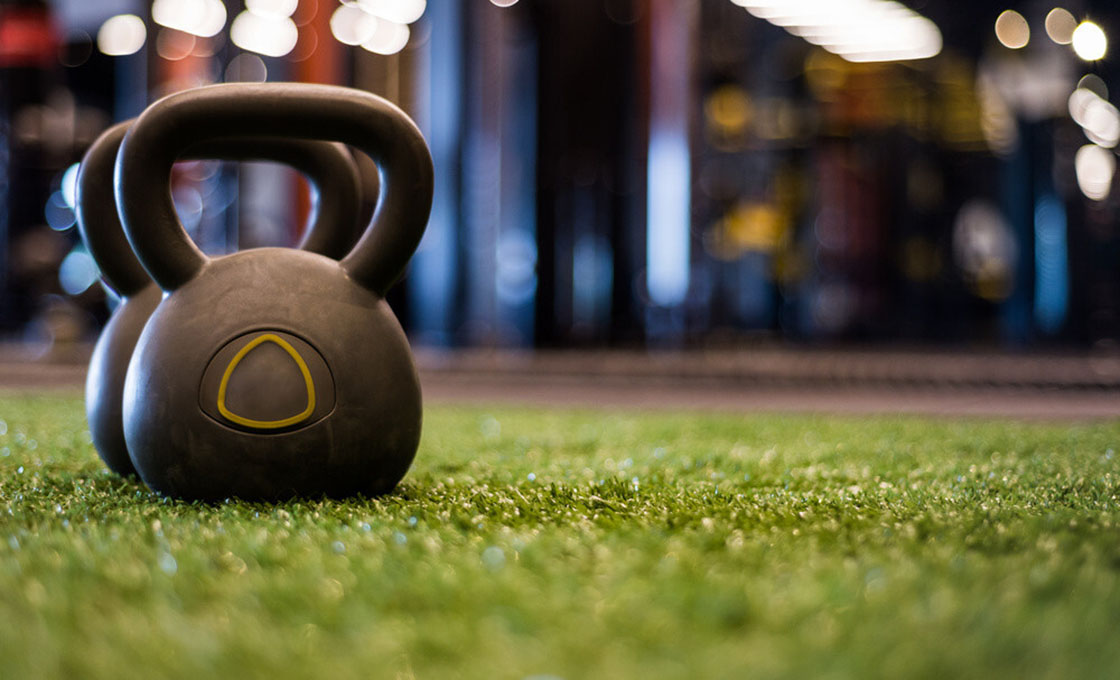
Short pile (12 mm) at 52,500 tufts/m² creates a smooth, firm surface that lets sled runners glide without catching. The turf is short enough to prevent the sled from sinking but dense enough to provide cushion underfoot for the athlete.

Survive Thousands of Sled Passes

A busy gym sled lane may see hundreds of loaded passes per day. PE monofilament at 52,500 tufts/m² distributes the abrasion across a dense fiber field, preventing the wear channels that develop in less dense products under continuous sled traffic.

Athlete Traction for Push and Pull

While the sled needs low friction, the athlete needs grip. The turf surface provides enough traction for aggressive push-off and stable footing during pull exercises — without the excessive rotational resistance that could strain joints during directional changes.

Gamme de produits

Dense Short-Pile System for Sled Training

Sled lanes need the shortest, densest pile in our sports range. Flat Curly Tenacity 12 at 52,500 tufts/m² is the primary recommendation — its ultra-dense 12 mm pile handles sled abrasion while providing athlete comfort.

Modèle Hauteur de pile Fil Densité Jauge Taux de couture Support Couleurs
Flat Curly Tenacity 12 12 mm Monofilament PE 52,500 tufts/m² 3/16″ 25/10 cm PP + non-woven + PP (PU optional) Vert de champ

Roll sizes: 4 × 25 m or 2 × 25 m, maximum roll width 5 m. Distance markings and custom widths available on request. Full datasheets — including yarn weight and total weight — are provided with your quotation.

Conception performante

Engineering the Friction Profile for Sled Work

Sled training is one of the most surface-demanding activities in functional fitness. The sled itself needs a low-friction path to glide smoothly, while the athlete pushing or pulling it needs firm grip underfoot. Generic gym flooring fails in both directions — rubber tiles tear under sled runners, and bare concrete provides no cushion for the athlete’s joints.

Flat Curly Tenacity 12 addresses both requirements through its 12 mm pile height and 52,500 tufts/m² density. The short pile keeps the sled runner riding on top of the fibers rather than sinking into them, while the extreme density distributes abrasion across enough fiber contact points to prevent wear-through.

Sled turf is typically installed as a narrow strip — 1–2 m wide and 10–20 m long — running the length of the training area. This format also doubles as a sprint lane and agility training area when the sled is not in use.

Different sled designs create different wear patterns. Push sleds with flat runners, pull sleds with rope attachments, and wheeled tank sleds all interact with the surface differently. The 52,500 tufts/m² density handles all three sled types, though flat runners and wheeled sleds create less concentrated wear than narrow metal runners.

Sled strips double as sprint lanes and agility training areas. The same low-pile, high-grip surface that works for sled training supports ladder drills, shuttle runs and lateral movement exercises.

No infill is used on sled turf — the short pile stands upright on its own at this density, and an infill-free surface ensures smooth, consistent sled travel without granule displacement under the runner.

Vente directe d'usine depuis le Jiangsu

Huit étapes de production sous un même toit

Relyir fabrique du gazon artificiel au Jiangsu depuis 2006. Chaque étape — des granulés de PE bruts aux rouleaux finis — se déroule sur place, ce qui nous permet de contrôler la qualité et de maintenir des prix inférieurs de 30–50% aux équivalents internationaux.

Les huit étapes de production sont gérées en interne, éliminant les écarts de qualité qui surviennent lorsque le mélangeage, le tissage en boucles et le revêtement sont effectués dans des installations séparées. La ligne automatique de gazon sportif, mise en service en 2015, a augmenté la capacité de production de 150% et renforcé la cohérence sur les commandes de gros volumes.

La personnalisation est intégrée à la ligne : la densité de filaments, la hauteur de la pile et les couleurs des fibres sont ajustées selon la spécification de chaque projet, avec des options de dos PP + filet et PU. L'équipe export a expédié à plus de 500 clients dans plus de 50 pays depuis 2009 et gère toute la documentation — des factures commerciales aux certificats d'origine.

  • 20 ans de fabrication depuis la fondation en 2006.
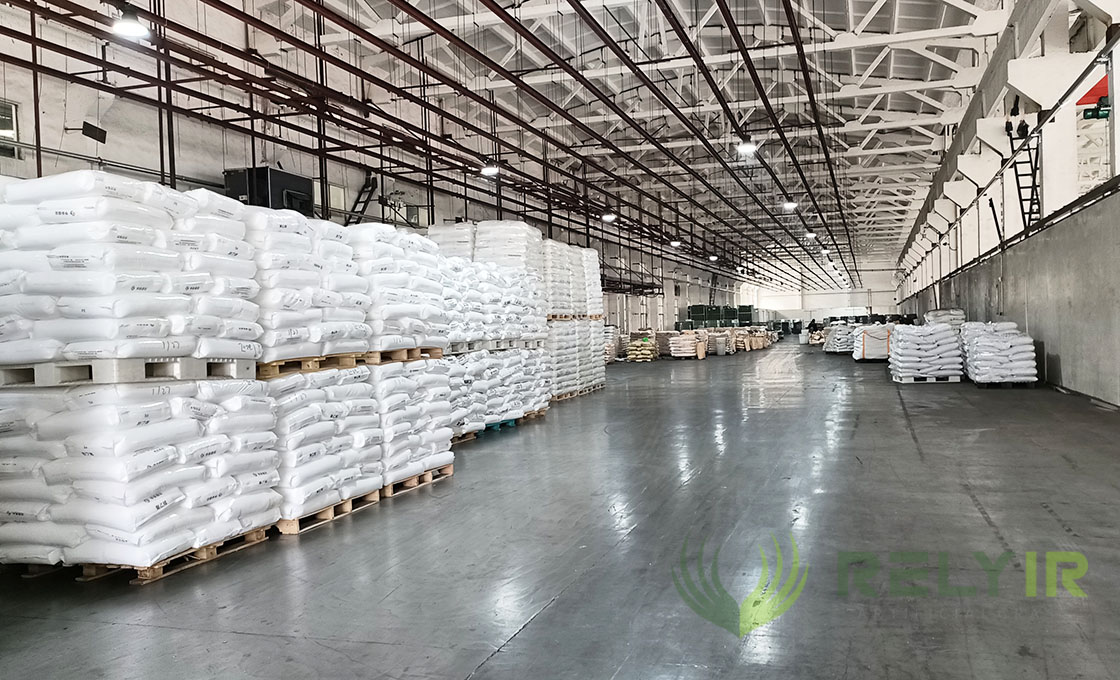
  • Site de 12 000 m² — entrepôt et atelier sous un même système de qualité.
  • Ligne sportive automatique mise en service en 2015, capacité +150%.
  • Assistance export complète — documentation, échantillonnage et coordination logistique.
Demander un tarif usine
Relyir artificial grass production facility
1 Mélange 2 Extrusion 3 Torsion 4 Piquage 5 Enrobage 6 Séchage 7 Perçage 8 Enroulage

Montage du système

Four Steps to a Sled Training Lane

Sled turf installation is straightforward — bond the turf to the gym floor and secure the edges. No infill is used, keeping the strip clean and low-maintenance.

1

Subfloor Preparation

Clean, dry concrete is the standard base. Any surface irregularities are filled and smoothed — bumps under a sled lane create friction points that affect sled travel and athlete safety.

2

Turf Layout and Cutting

Rolls are cut to the strip width (typically 1–2 m) and laid along the training lane. Seams are minimized by using full-width rolls where possible.

3

Full-Bond Adhesion

PU adhesive bonds the turf to the subfloor. Full bonding is essential — any loose area will lift under sled runners and create a tripping hazard.

4

Distance Markings

Distance markers can be tufted into the turf during production or painted after installation. Tufted markings last the life of the carpet and do not wear off under sled traffic.

Installation de bande de Sled Turf montrant le détail d'adhésion pleine surface

Purpose-Built for Sled Training

Generic gym flooring fails in sled lanes — rubber tiles tear, bare concrete destroys sled runners. Our Flat Curly Tenacity 12 at 52,500 tufts/m² provides the specific friction profile sled training demands: low enough for smooth sled travel, dense enough to survive thousands of loaded passes.

  • 12 mm pile for optimal sled-runner friction
  • 52,500 tufts/m² for abrasion distribution
  • No-infill installation for clean, low-maintenance lanes

Questions 44

Sled Turf FAQ

Straight answers to the questions we hear most often from gym operators, CrossFit affiliates and fitness flooring distributors.

Vous ne trouvez pas votre réponse ?

Notre équipe technique répond sous 12 heures.

Posez-nous votre question directement
What is the difference between sled turf and regular gym turf?

They can use the same product — Flat Curly Tenacity 12 at 52,500 tufts/m² works for both. The difference is in the installation format: sled turf is typically a narrow strip (1–2 m wide) optimized for sled travel, while gym turf covers a wider training zone. See our gym turf page for wider-area applications.

How wide should a sled turf strip be?

Standard sled strips are 1–2 m wide, which accommodates most push and pull sleds with room for the athlete alongside. We supply rolls in 2 m and 4 m widths — a 2 m roll works as a single strip, while a 4 m roll can be cut into two strips.

Will sled runners damage the turf over time?

Sled runners create wear, but the 52,500 tufts/m² density distributes abrasion across a large number of fibers. Flat runners and wheeled tank sleds create less wear than narrow metal runners. Rotating the sled’s position on the strip periodically extends turf life.

Does sled turf need infill?

No. Sled turf is installed without infill. The short 12 mm pile stands upright on its own at 52,500 tufts/m², and an infill-free surface ensures smooth, consistent sled travel without granule displacement.

Can sled turf double as a sprint lane?

Absolutely. The same surface properties that make the turf suitable for sled work — firm grip underfoot, short pile for speed — make it ideal for sprint intervals, shuttle runs and agility ladder drills.

What roll sizes are available for sled turf projects?

Standard rolls are 4 × 25 m or 2 × 25 m with a maximum width of 5 m. Custom widths and distance markings can be arranged on request. Full datasheets are provided with your quotation.

Ready to Price Your Sled Turf?

Send your lane dimensions and quantity. Our export team replies with model recommendations, specification sheets and factory-direct pricing within 12 hours.

Obtenir un devis gratuit
Depuis 2006 Plus de 50 pays Plus de 500 clients Usine de 12 000 m²
Retour en haut
fr_FRFrench
Besoin d'un devis rapide ? Discutez avec notre équipe d'exportation sur WhatsApp.