Relyir Grass
Factory-direct artificial grass since 2006 — full customization, samples and fast quotes.
Sports Turf Systems
50 mm PE monofilament engineered for match-level ball behavior and player safety. Five blade profiles, factory-direct from Relyir — manufacturing sports turf in China since 2006.

Why Specify 50 mm Monofilament
Football places the broadest set of requirements on any turf surface — ball roll, shock absorption, fiber uprightness, drainage. Every design choice in the Relyir football range addresses one of these measurable criteria.
A 50 mm pile combined with sand and performance infill keeps ball behavior predictable across the full pitch, in both dry and wet conditions. Fiber uprightness is what holds that consistency through seasons of play.
The fiber, infill and optional shock pad work together as a system to cushion falls and control rotational resistance — the two factors that field tests weigh most heavily for player safety.
Community and academy pitches host sessions almost every day. Dense PE monofilament at 10,500 tufts/m² with reinforced three-layer backing is engineered to hold blade structure under that workload and UV exposure.
Product Range
One yarn platform, four grades: 40–60 mm monofilament on reinforced backing, filled with silica sand and rubber granulate for shock absorption. Entry grades suit daily training; the flagship Ultra is engineered to FIFA Quality Pro.
 Entry
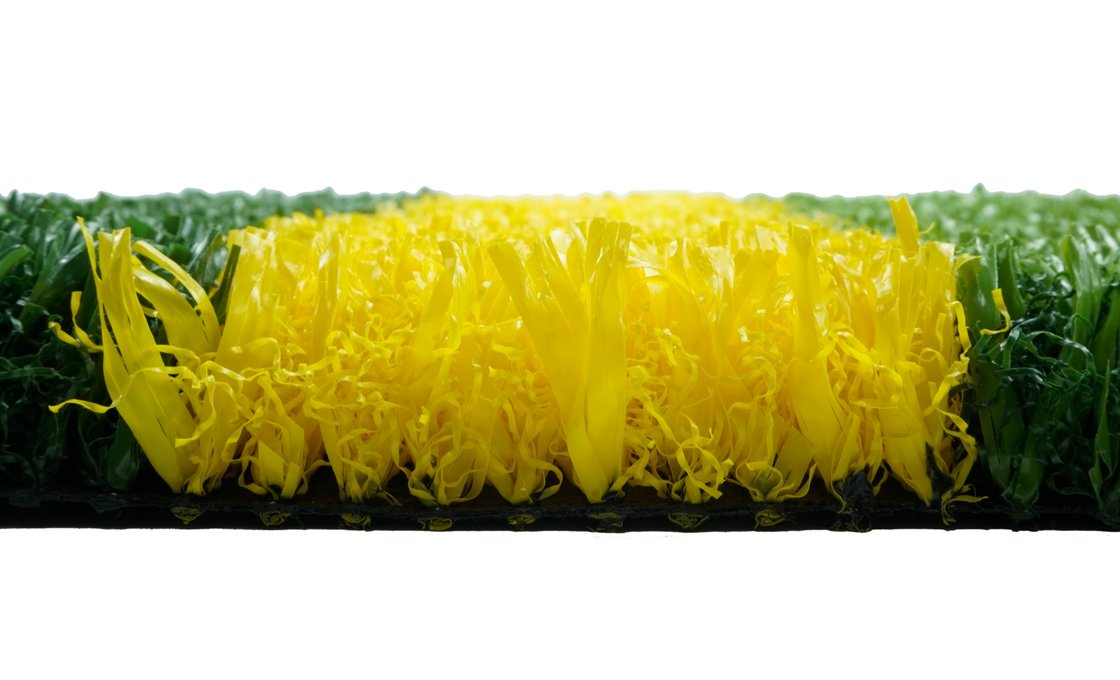
Tenacity Mono 3520
35 mm · PE+PP-FibrillatedShape · 21000 stitches/sqm
Learn More
Entry
Tenacity Mono 3520
35 mm · PE+PP-FibrillatedShape · 21000 stitches/sqm
Learn More
 Entry
Tenacity U 4014
40 mm · U shape Monofil PE+Curled PP · ,14700 stitches/sqm
Learn More
Entry
Tenacity U 4014
40 mm · U shape Monofil PE+Curled PP · ,14700 stitches/sqm
Learn More
 Entry
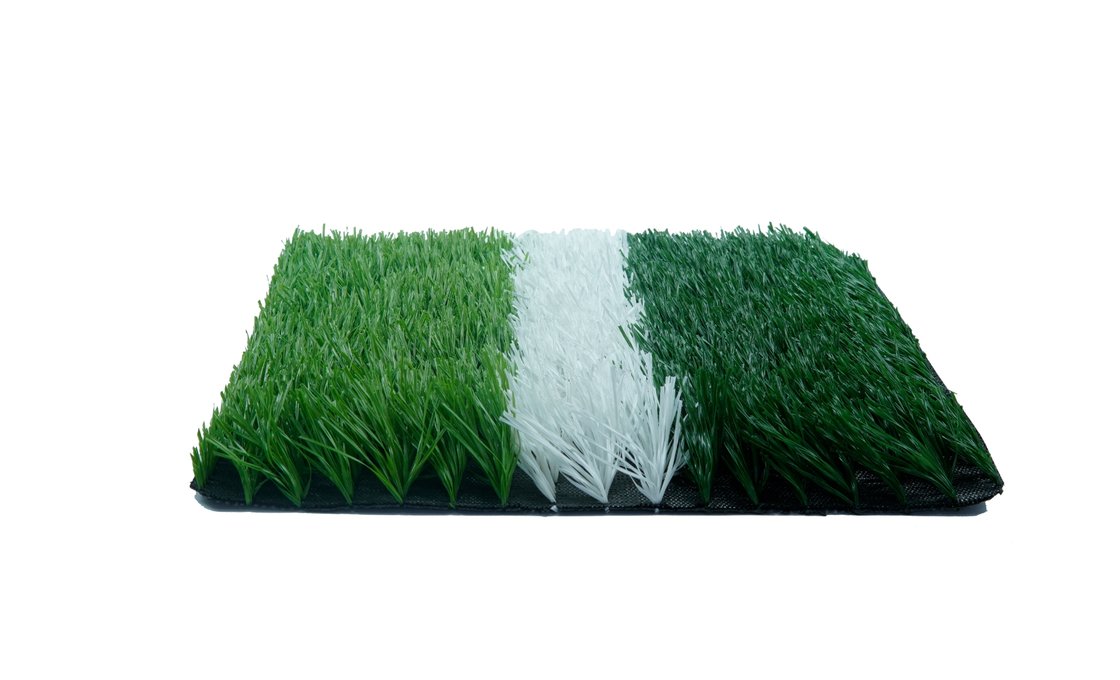
Tenacity Mono 5020 Duo
50 mm · S shape Monofil PE · 10500 stitches/sqm
Learn More
Entry
Tenacity Mono 5020 Duo
50 mm · S shape Monofil PE · 10500 stitches/sqm
Learn More
 Entry
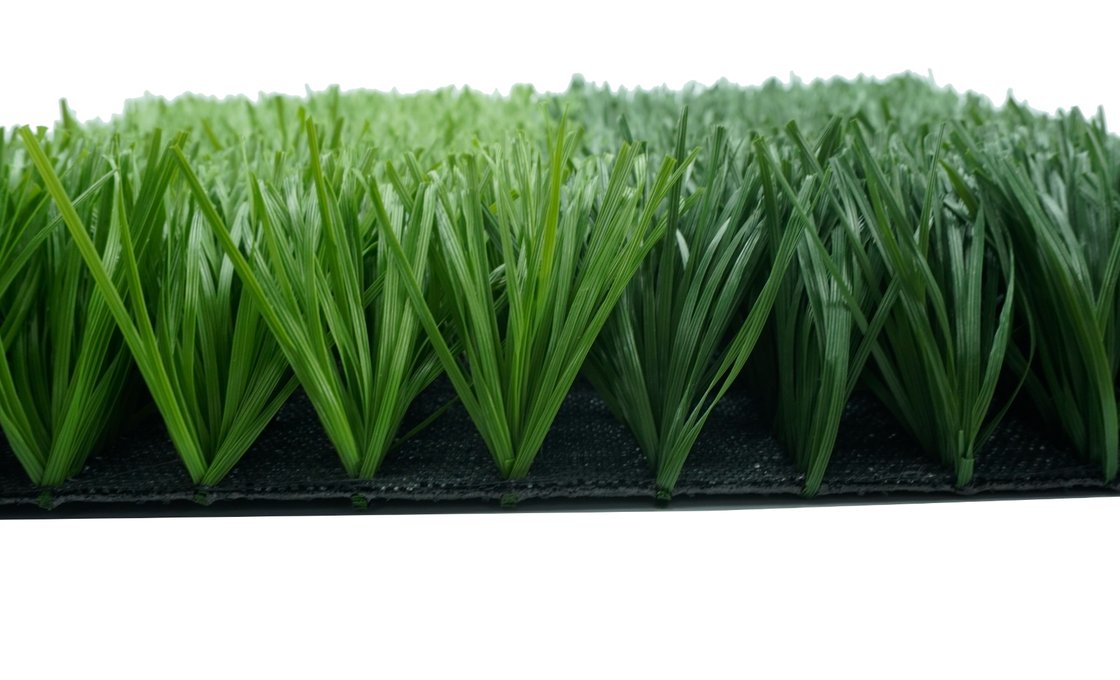
Tenacity Mono 5020 Marking
50 mm · PE-PagodaShape · 10500 stitches/sqm
Learn More
Entry
Tenacity Mono 5020 Marking
50 mm · PE-PagodaShape · 10500 stitches/sqm
Learn More
 Entry
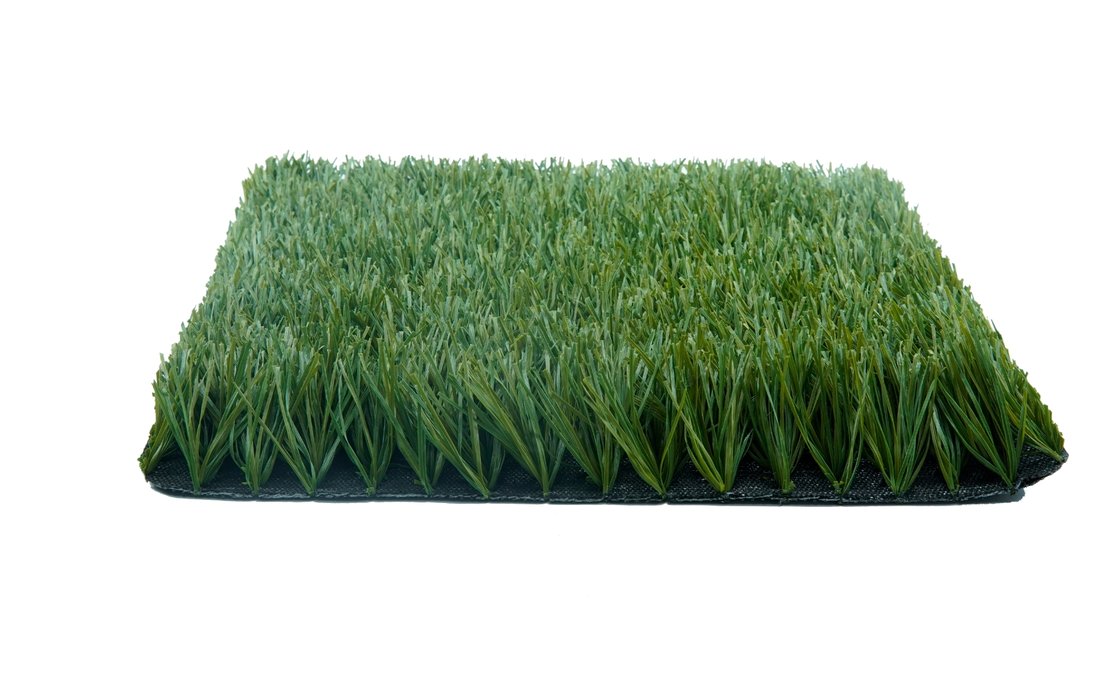
Tenacity Pagoda 5020
50 mm · PE+PP-PagodaShape · 10500 stitches/sqm
Learn More
Entry
Tenacity Pagoda 5020
50 mm · PE+PP-PagodaShape · 10500 stitches/sqm
Learn More
 Entry
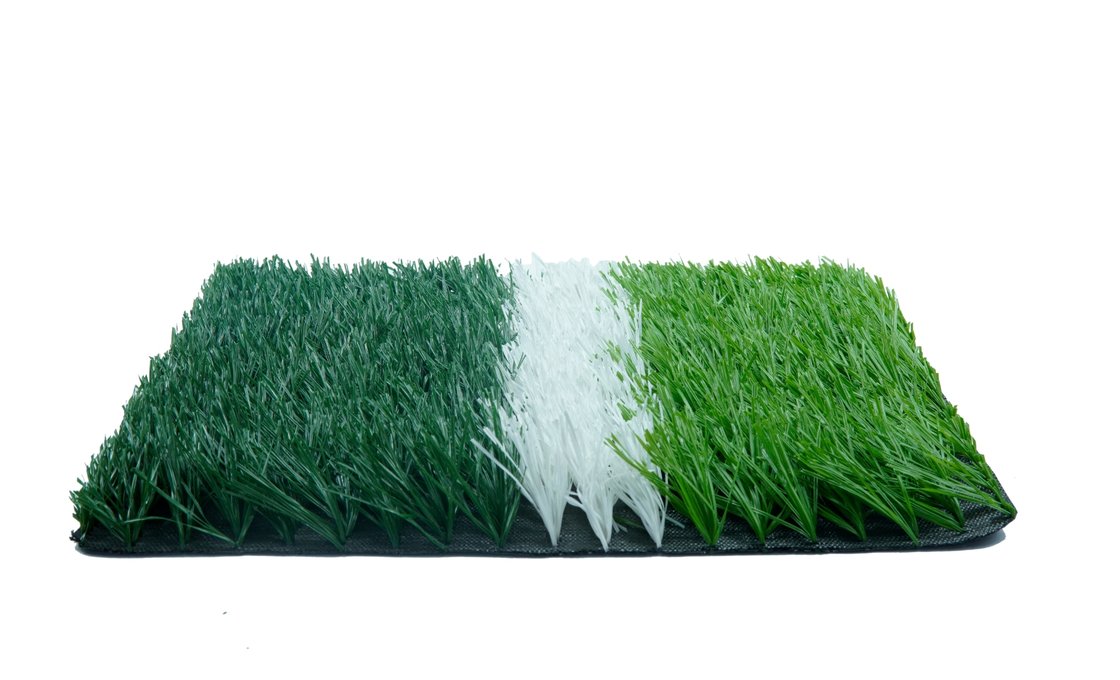
Tenacity S 5020
50 mm · S shape Monofil PE · 10500 stitches/sqm
Learn More
Entry
Tenacity S 5020
50 mm · S shape Monofil PE · 10500 stitches/sqm
Learn More
 Standard
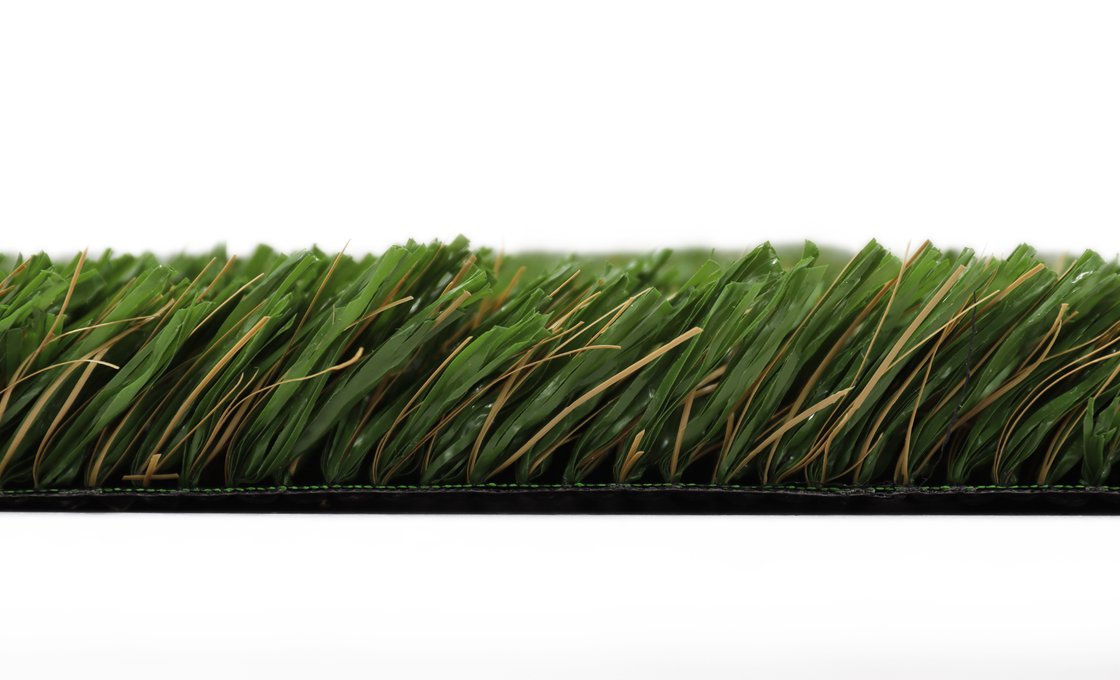
Vitality Curly 4514
45 mm · Curled PP · ,8820 stitches/sqm
Learn More
Standard
Vitality Curly 4514
45 mm · Curled PP · ,8820 stitches/sqm
Learn More
 Standard
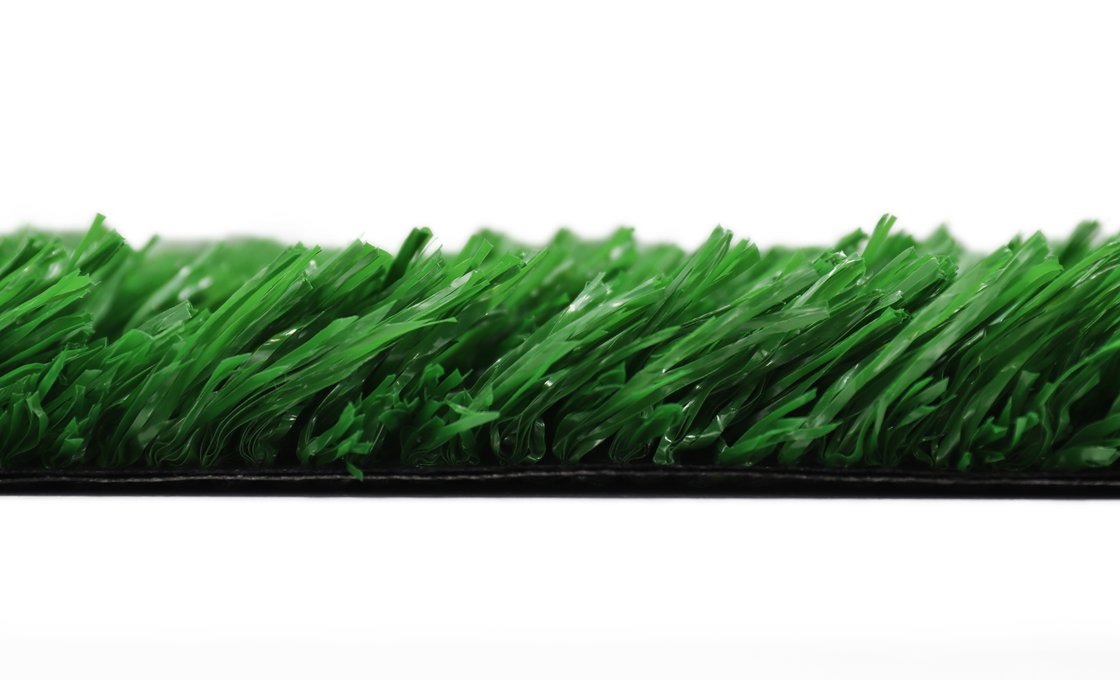
Vitality Slit 4514
45 mm · Slit Film PE · ,8820 stitches/sqm
Learn More
Standard
Vitality Slit 4514
45 mm · Slit Film PE · ,8820 stitches/sqm
Learn More
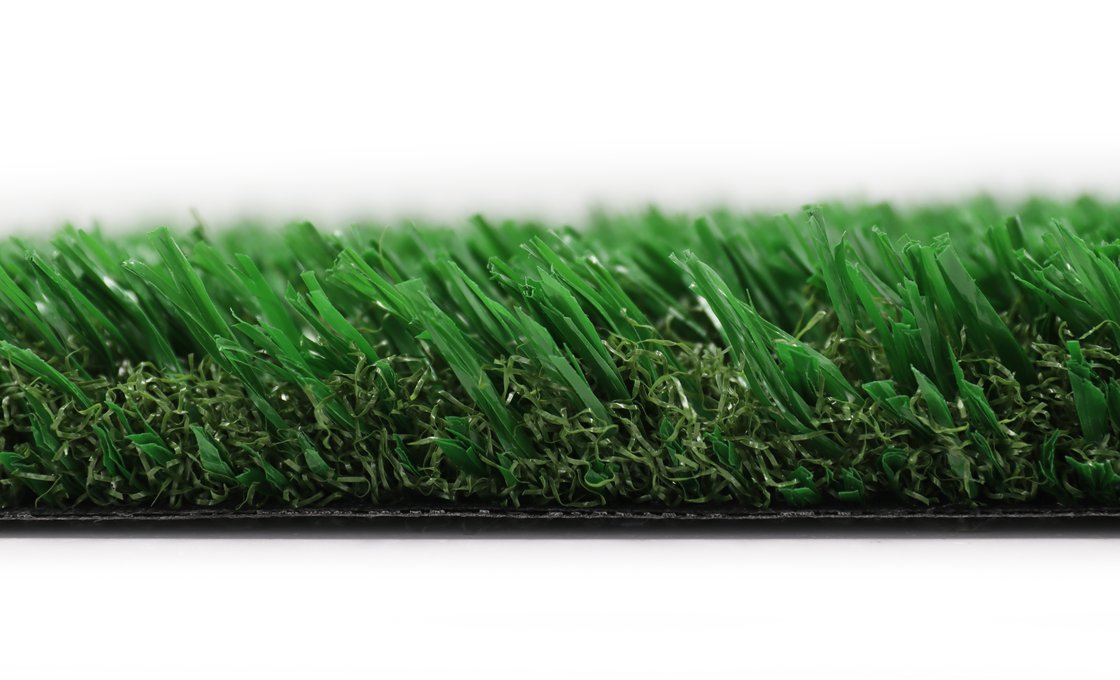 Standard
Vitality SlitC 4514 Emerald
45 mm · Slit Film PE+Curled PP · ,14700 stitches/sqm
Learn More
Standard
Vitality SlitC 4514 Emerald
45 mm · Slit Film PE+Curled PP · ,14700 stitches/sqm
Learn More
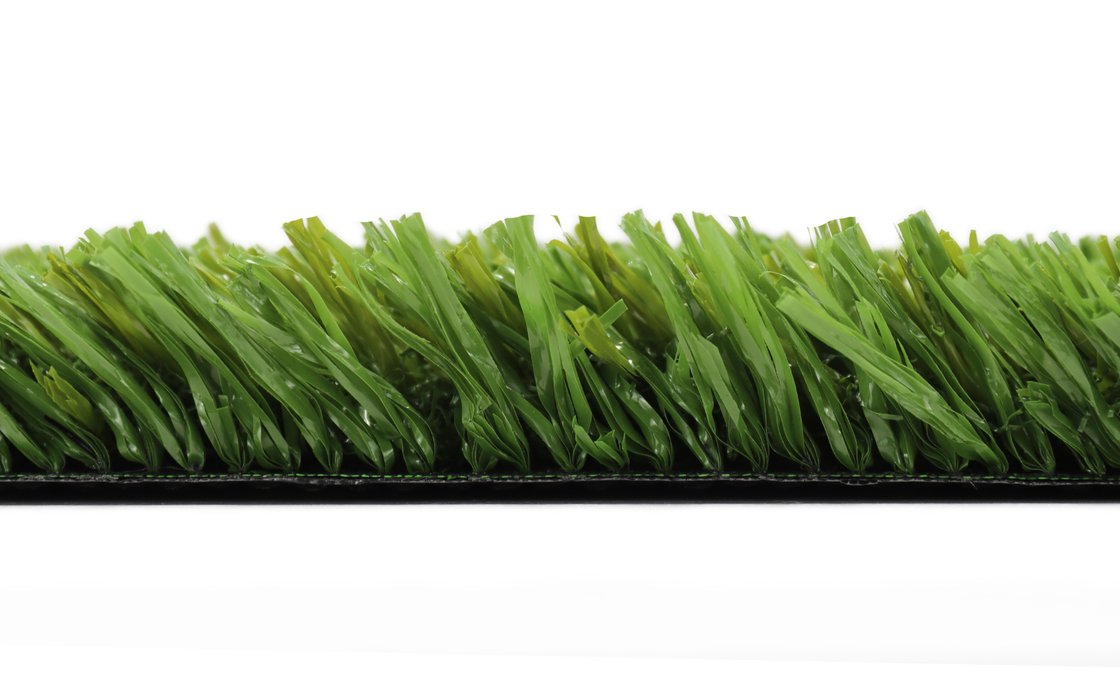 Standard
Vitality SlitC 4514 Fresh
45 mm · Slit Film PE+Curled PP · ,8820 stitches/sqm
Learn More
Standard
Vitality SlitC 4514 Fresh
45 mm · Slit Film PE+Curled PP · ,8820 stitches/sqm
Learn More
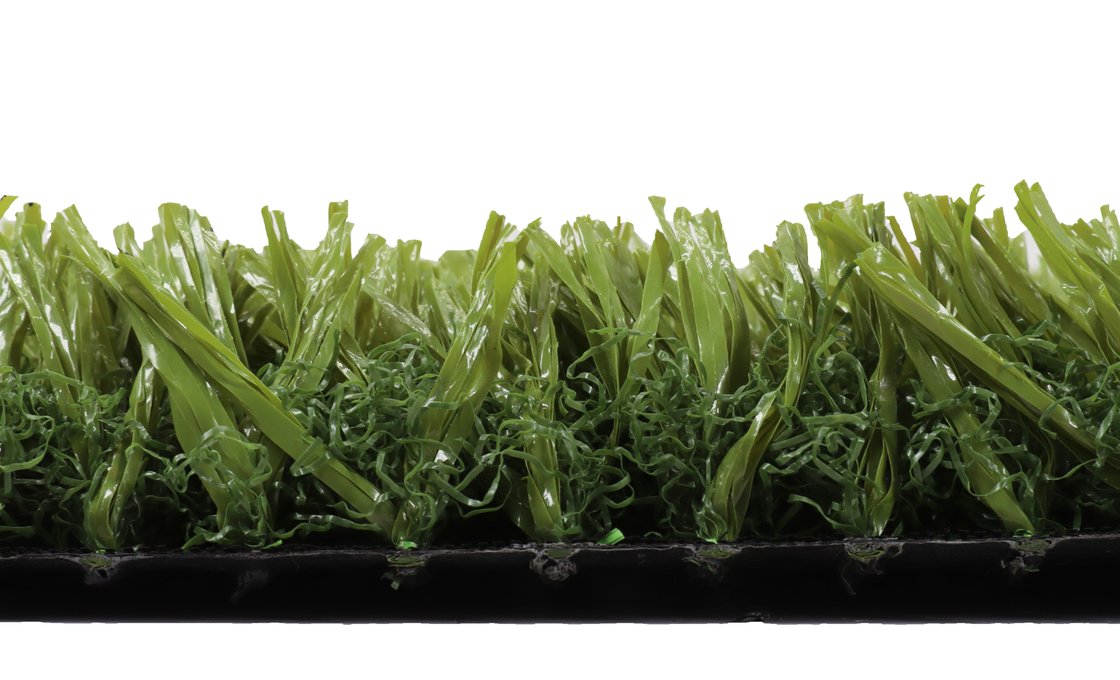 Standard
Vitality SlitC 4514 Lime
45 mm · Slit Film PE+Curled PP · ,8820 stitches/sqm
Learn More
Standard
Vitality SlitC 4514 Lime
45 mm · Slit Film PE+Curled PP · ,8820 stitches/sqm
Learn More
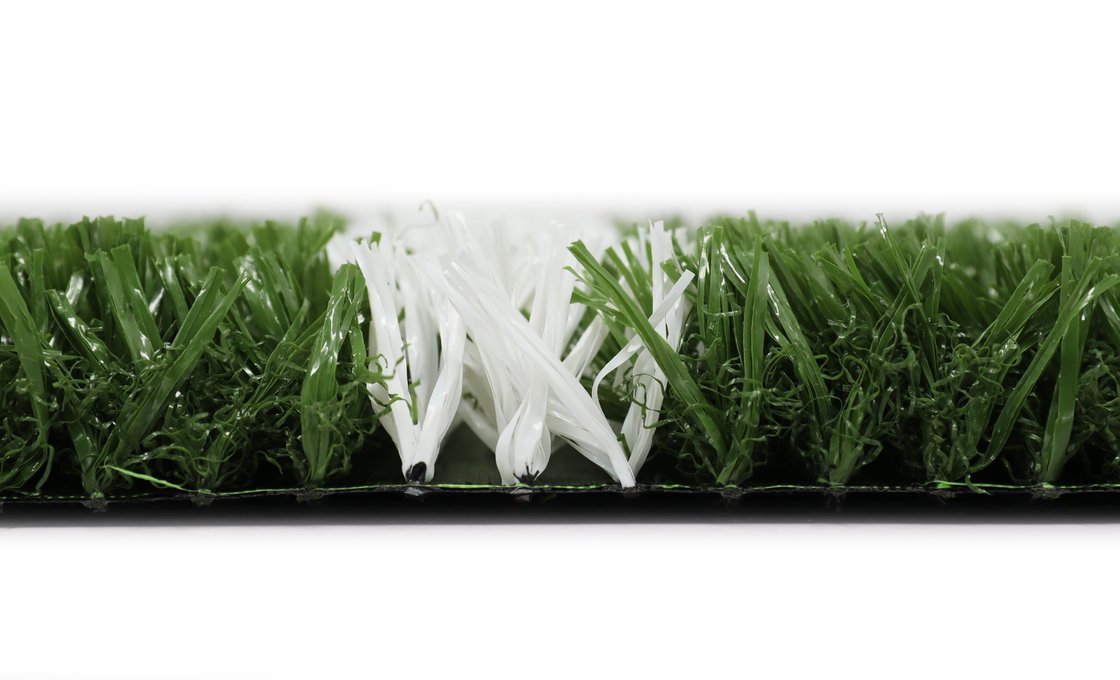 Standard
Vitality SlitC 4514 Marking
45 mm · Slit Film PE+Curled PP · ,8820 stitches/sqm
Learn More
Standard
Vitality SlitC 4514 Marking
45 mm · Slit Film PE+Curled PP · ,8820 stitches/sqm
Learn More
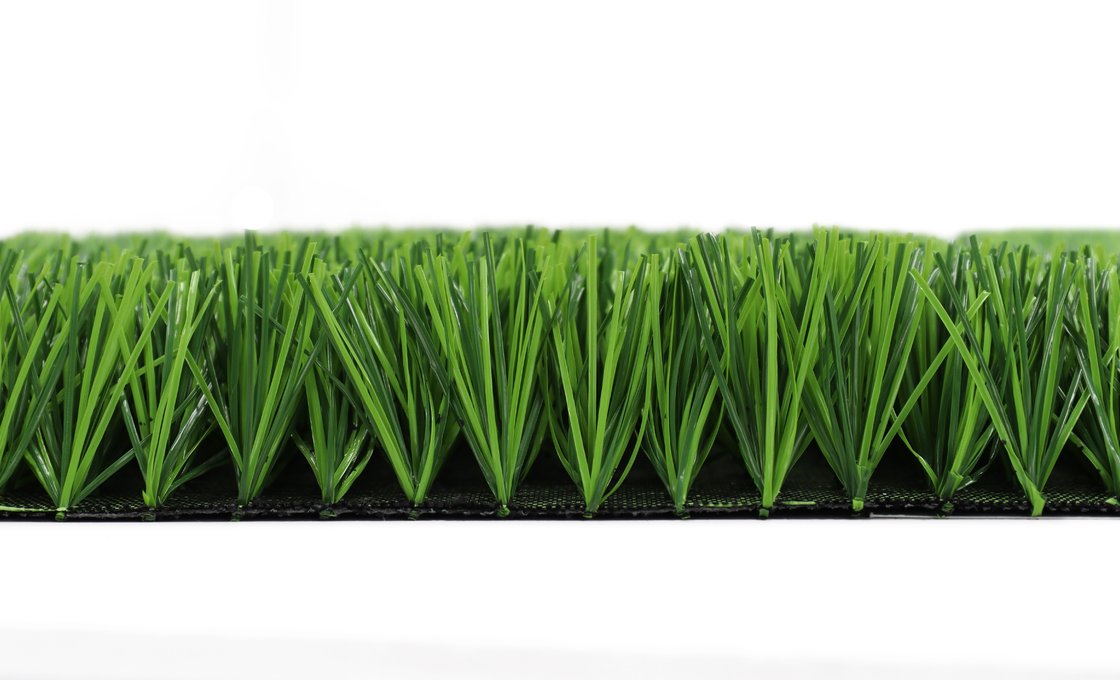 Advanced
Glory Spine 5018
50 mm · U with Spine shape Monofil PE · ,11340 stitches/sqm
Learn More
Advanced
Glory Spine 5018
50 mm · U with Spine shape Monofil PE · ,11340 stitches/sqm
Learn More
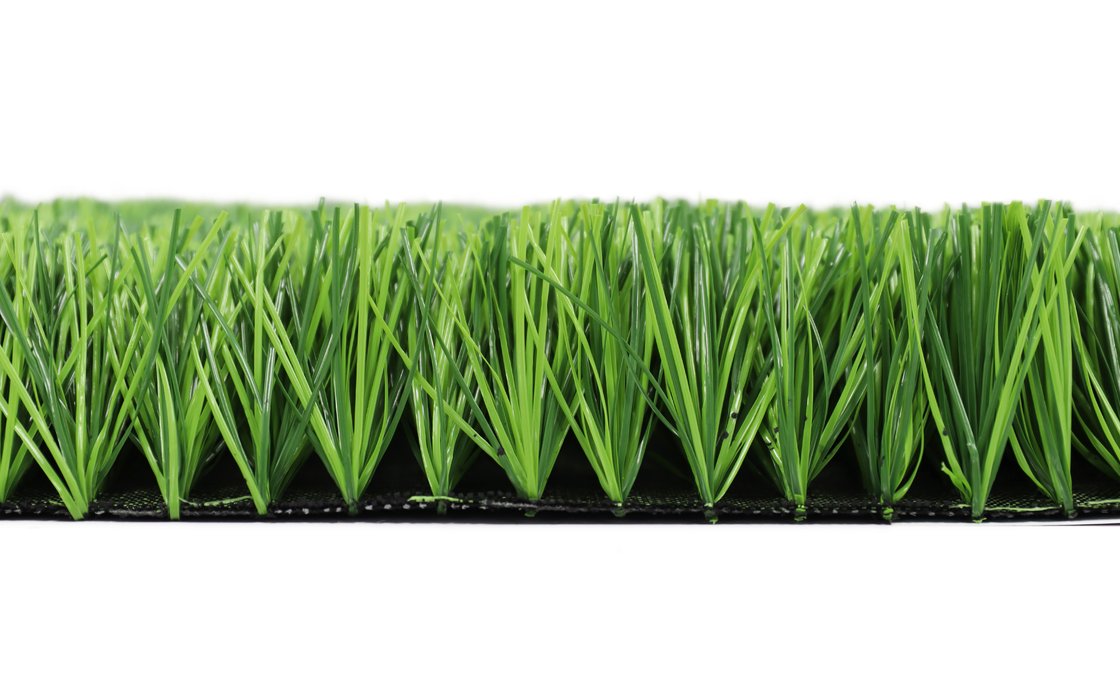 Flagship
Ultra Spine 6018
60 mm · U with Spine shape Monofil PE · ,11340 stitches/sqm
Learn More
Flagship
Ultra Spine 6018
60 mm · U with Spine shape Monofil PE · ,11340 stitches/sqm
Learn More
Performance Design
The playing character of a football pitch is shaped by what happens at the fiber level. Each of the five Relyir blade profiles — diamond, stem, double-stem, and two wave variants — distributes force differently when a ball rolls across the surface or a player changes direction.
Diamond-profile fibers resist flattening under repeated foot traffic, keeping the pitch looking and playing consistently in high-wear zones like the center circle and penalty areas. Stem and wave profiles offer a softer underfoot feel preferred by some clubs for training surfaces.
All five models sit on the same 3/4″ gauge and 10,500 tufts/m² density platform, which means the switch from one profile to another is a matter of play-style preference, not a structural rebuild.
Beyond the fiber itself, the three-layer backing — polypropylene, reinforcing mesh cloth, and a second polypropylene layer — is what anchors every tuft and transfers load across the carpet. An optional PU coating adds moisture resistance for projects in tropical climates or venues with heavy irrigation schedules.
For projects targeting international sports-surface testing programmes, Relyir supplies the product, full specification documentation and works with your field-test laboratory through the certification process.
Factory Direct from Jiangsu
Relyir has manufactured artificial grass in Jiangsu since 2006. Every step — from raw PE pellets to finished rolls — runs on-site, which is how we control quality and hold pricing 30–50% below international equivalents.
All eight production stages are managed in-house, eliminating the quality gaps that arise when compounding, tufting and coating happen in separate facilities. The automated sports turf line, commissioned in 2015, lifted production capacity by 150% and tightened consistency across high-volume orders.
Customization is built into the line: blade density, pile height and fiber colors are adjusted to each project’s specification, with PP + net and PU backing options. The export team has shipped to more than 500 customers across 50+ countries since 2009 and handles all documentation — from commercial invoices to certificates of origin.
Every order is produced to specification — pile height, density, blade shape and color, backing composition and roll dimensions are all configured to your project requirements.

System Build-Up
The turf roll is one component of a four-layer system. We supply the turf and share build-up guidance with every project so installers achieve the field behavior specified at design stage.
Compacted aggregate or asphalt with engineered drainage — the foundation that lets modern fields play through rain.
Silica sand, typically 20–30 kg/m², brushed into the pile to weigh the system and hold fibers upright.
SBR, TPE, EPDM or organic (cork) at 8–15 kg/m² — choice depends on budget, climate and regulation.
Optional elastic layer beneath the turf for projects targeting higher impact absorption thresholds.
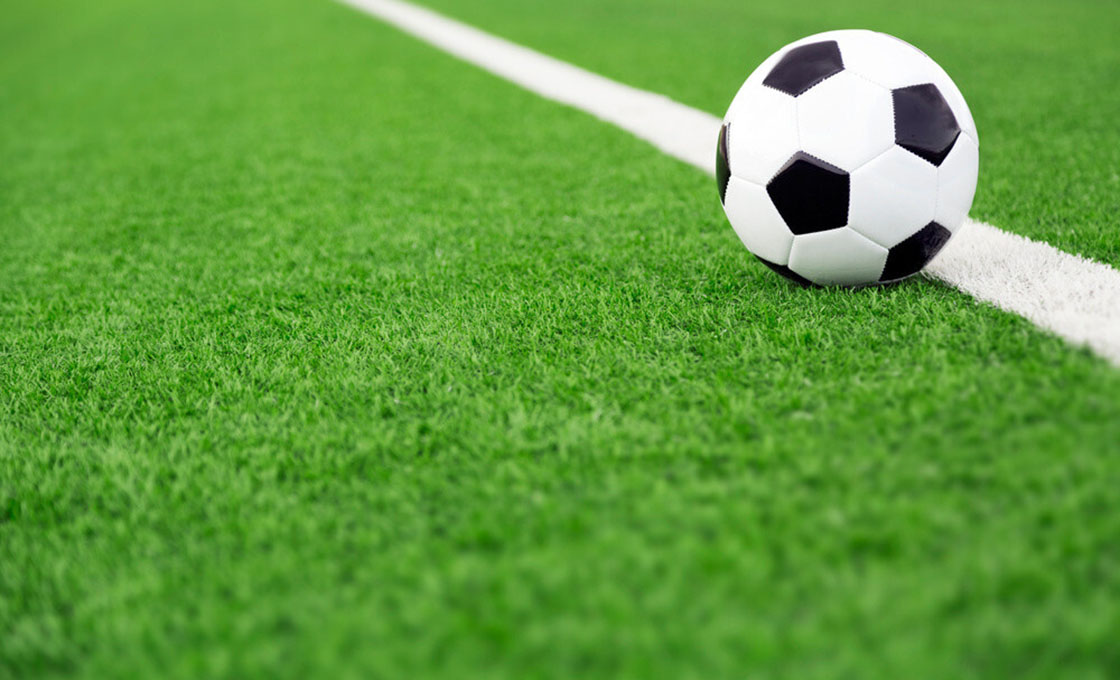
Every Relyir football turf ships with perforated backing — drainage holes punched during our dedicated perforating step — so water moves through the carpet into the stone base rather than pooling on the surface.
Pair the system with routine brushing and periodic infill top-up, and the pitch maintains match-ready conditions through its full service life. UV-stabilized PE fibers resist degradation under prolonged sun exposure across all climate zones.
Soccer turf lives or dies on how the ball behaves: roll speed over the surface, the bounce of a passed ball and the way the surface receives a slide. Infill is the heart of the system — it cushions impact, holds fibers upright and determines ball-surface interaction — which is why facility guides treat infill choice, not just the carpet, as the central buying decision. Wear concentrates in the goalmouths and the center corridor, and a correctly specified system keeps those zones playable through two-a-day training schedules.
Yes. The infill provides most of the shock absorption and ball-surface response; two identical carpets with different infill play like different fields. We specify infill type and depth together with the carpet so the system is tuned as a whole.
With correct grooming and infill top-ups, industry experience puts quality synthetic fields in the 8–10 year range before the carpet needs replacing, with high-wear zones often refreshed earlier by spot work rather than full resurfacing.
Full-size 11-a-side pitches typically use 50–60 mm fibers with sand and performance infill; 40–50 mm is common for futsal, 5-a-side and multi-sport courts. All Relyir football models run at 50 mm, the most widely specified height for community and match-level fields.
A standard 3G build uses a silica sand stabilizing layer of roughly 20–30 kg/m² plus 8–15 kg/m² of performance infill. SBR is the economical choice; TPE and EPDM offer higher performance; cork and other organic infills address EU microplastic regulations. We review climate, budget and regulation with you before recommending one.
Accreditation for a sports surface is awarded to the installed system — product laboratory testing plus on-site field testing by accredited institutes — not to a turf roll alone. Relyir supplies the turf product, full specification documentation and samples for your testing program, and works with your field-test laboratory through the project.
They share the same 50 mm, 10,500 tufts/m² platform but use different blade structures — diamond, stem, double-stem and wave profiles — and different colorways. We match the model to your pitch usage, climate and visual preference, and send datasheets with every quotation.
Standard rolls are 4 × 25 m or 2 × 25 m with a maximum width of 5 m. We tuft white line markings and team logos directly into the carpet, and can adjust blade density, pile height and fiber colors to project requirements.
No artificial pitch is maintenance-free. Plan regular brushing to keep fibers upright, periodic infill top-up, and seam inspections. Relyir provides maintenance guidance with every installation package so your pitch holds its playing characteristics through its service life.
Yes. Samples are free of charge — you only cover the shipping. Standard swatches are 20 × 20 cm and we typically send three to four models per project so you can compare pile heights and colors side by side. Standard samples ship via DHL or FedEx within 4–6 days; custom-matched samples add 10–15 days of production.
Yes. Choose between two options: delivered to your destination port, with export customs clearance in China, international ocean freight and cargo insurance included in one all-inclusive cost; or delivered to a Chinese port if you prefer to work with your own freight forwarder. Other delivery arrangements can be accommodated on request.
Orders range from single rolls for smaller installations to full container loads for large developments. Roll sizes of 2 m, 4 m and 5 m widths (25 m length) cover most layouts, and custom dimensions are produced to order. Volume pricing applies as order size increases.
Send your field dimensions, usage plan and target timeline. Our export team replies with model recommendations, specification sheets and factory-direct pricing within 12 hours — typically 30–50% below international equivalents..
 English
  Arabic
  French
  German
  Portuguese
  Russian
  Spanish