
When a storm lands on a Friday, the crew at a school or municipal sports complex starts doing arithmetic. A slow-draining grass field pushes fixtures back, refunds rentals, and turns the following week into patch repairs.
The advantages of turf surfaces in sports facilities come down to one idea: a surface you can schedule around. We build artificial grass rolls on our own line, which is why we watch specifications closely. Seven advantages drive the choice, along with the figures behind them and the limits that deserve honest weight.
Why Sports Facilities Are Reconsidering Their Surface
Natural grass is a living surface, and living surfaces carry a hidden cost: recovery time. Published field guidance caps grass use at roughly 20 hours per week, or about 680 hours across three seasons. Synthetic turf needs no recovery period.
The advantages of turf surfaces show up first in the calendar. Fewer cancellations mean fewer refunds, steadier rental income and a schedule coaches can trust. One county review found weekly use of 44 hours on synthetic pitches against 4.1 hours on natural turf.
Facilities rarely switch for one reason: water bills, chemical handling, multi-sport demand and player safety pull the same way.
Advantage 1: Play Through Rain and Summer Heat
Water is the first test, and it is where the advantages of turf begin. A perforated backing over an open-graded base moves rainfall through the surface instead of letting it pool. Quality backings with engineered perforation commonly rate 30 to 100 inches per hour.
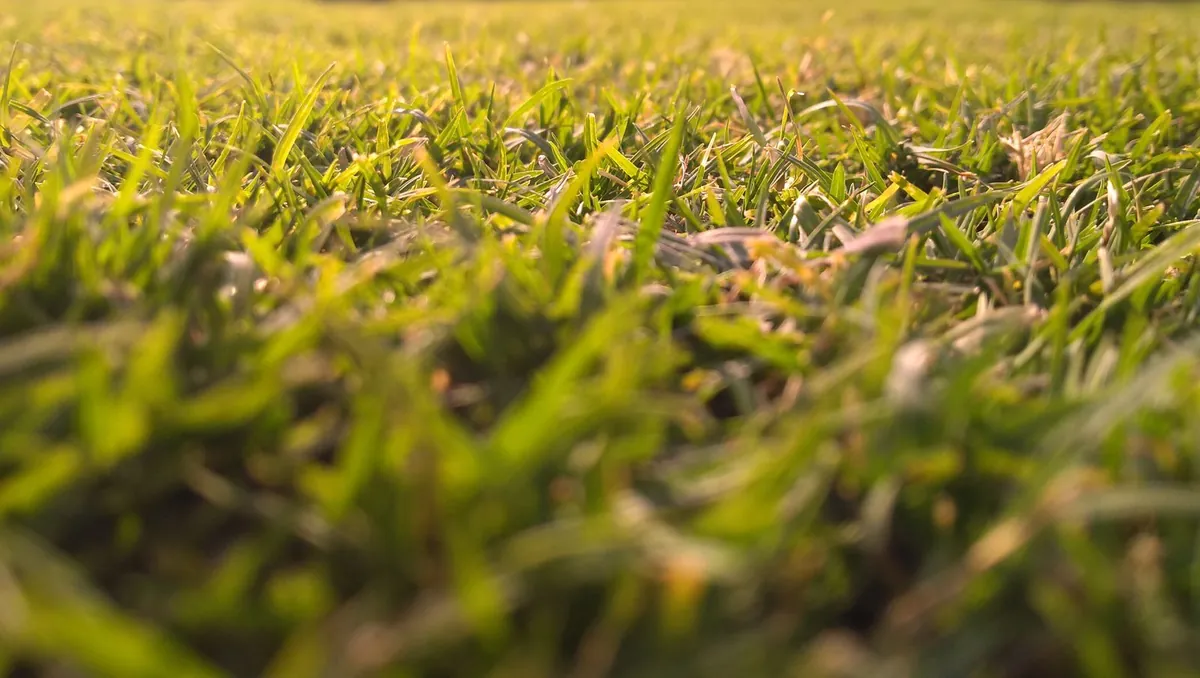
Rain and drought stop being schedule risks, because the surface does not turn to mud or bake hard. Heat is the exception. In a June 2025 case study, midday readings put synthetic turf near 130 F against 84 F on adjacent natural grass.
Advantage 2: More Playing Hours Every Week
Playing hours are where the advantages of turf become countable. Industry estimates put natural grass at 80 to 816 hours in a three-season year, against up to about 3,000 hours for synthetic turf. One review concluded that a single artificial field matches roughly three grass fields.
For a facility, that headroom converts straight into programming: more sessions per week, more tournaments, and fewer weeks lost waiting for grass to recover.
Roll format shapes how quickly that capacity arrives. Standard rolls come in 2, 4 and 5 metre widths at 25 metres long, and wider rolls reduce seam count. Review the standard roll formats and product formats before you fix a layout.
| Measure | Natural grass | Synthetic turf |
|---|---|---|
| Reported weekly use on pitches | 4.1 hours | 44 hours |
| Published weekly ceiling | About 20 hours | No fixed ceiling |
| Annual capacity estimate | 80 to 816 hours | Up to about 3,000 hours |
| Fields needed for the same programming | About 3 fields | 1 field |
| Water and chemical inputs | Irrigation and chemical treatment | No irrigation, no field chemicals |
Advantage 3: Consistent Ball Roll and Footing
Natural grass changes through a season. Wear zones thin out, rain leaves soft patches, and a ball that rolled true in September starts bouncing in November. A synthetic surface keeps the same profile every week.
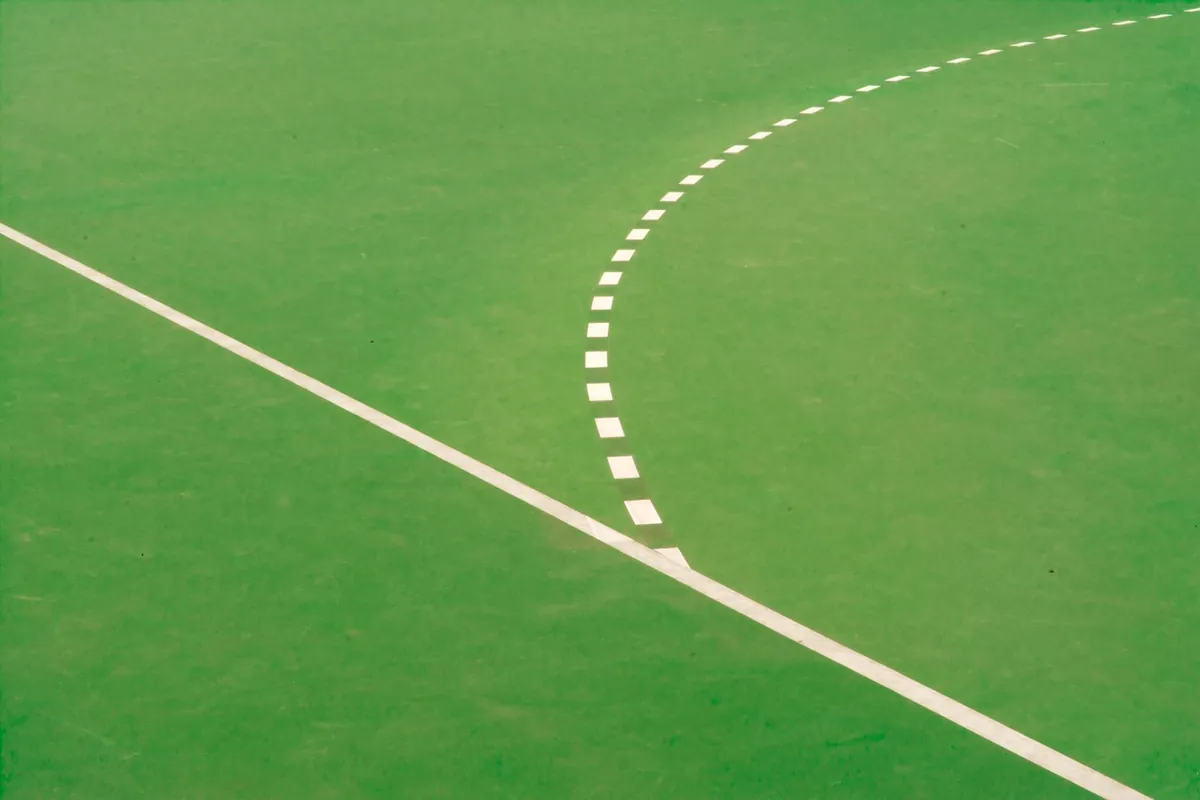
Consistency is also a safety variable. Uneven ground makes studs catch and ankles roll, which is why surface predictability matters more than softness. The same quality helps when one field carries several sports, because markings and line colours can be laid into the roll itself.
Advantage 4: Predictable Maintenance and Budgets
The advantages of turf surfaces shorten the maintenance list, though they do not empty it. Brushing lifts flattened fibres, infill gets topped up when levels drop, and debris is cleared after storms.
Mowing, watering, fertilising and reseeding leave the calendar, which turns an unpredictable line item into a plan. Our sports artificial grass systems are built to a stated pile, density and backing spec, so the quote matches the roll.
- Weekly: brush the pile and clear debris from the surface.
- Monthly: check infill depth across the high-wear zones.
- Seasonally: inspect seams, edges and drainage outlets.
- Annually: review fibre condition against the original specification.
Advantage 5: Lower Water and Chemical Use
A full-size grass field can consume between 0.5 and 1 million gallons of irrigation water in a year. Synthetic turf needs none of it. Landscape architecture guidance records an 80% reduction in water use as common on all-weather turf fields, with one campus proposal reaching 90%.
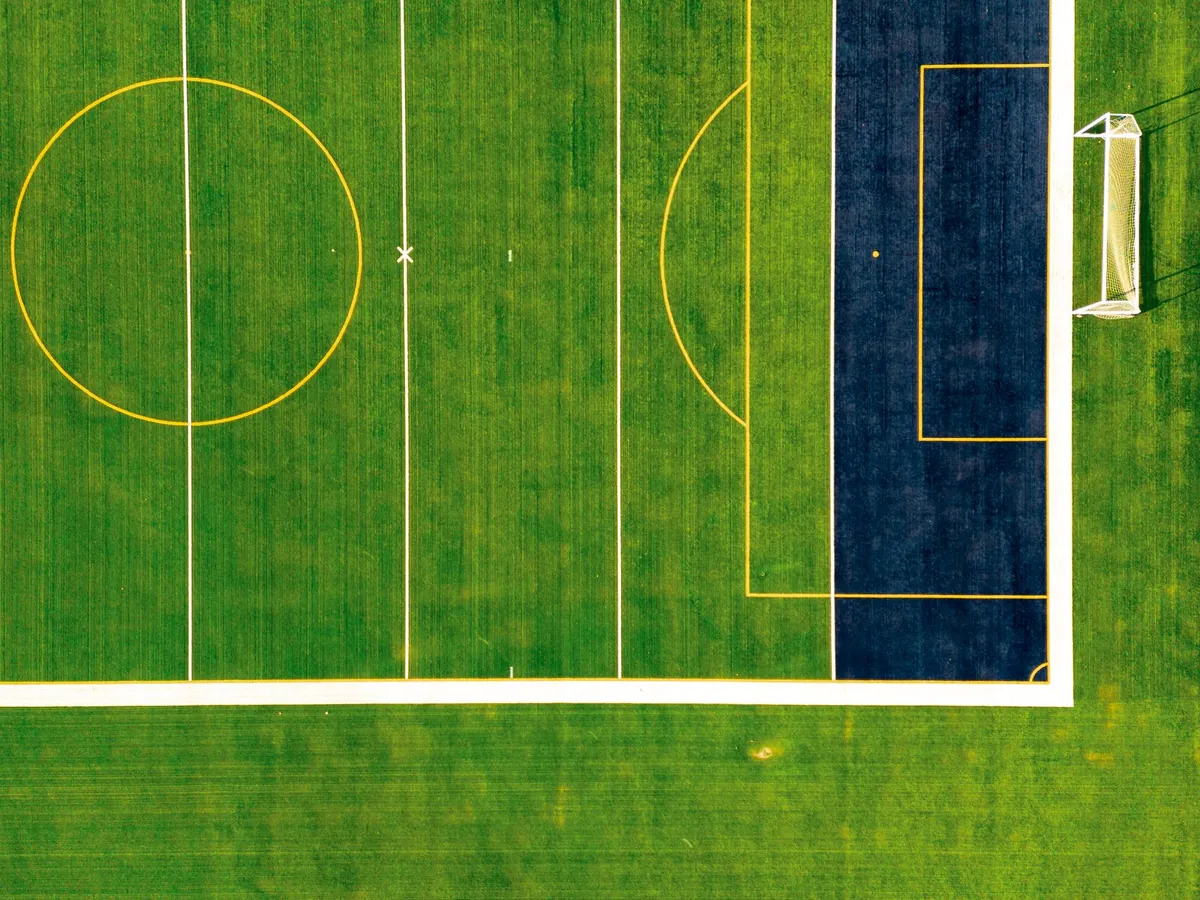
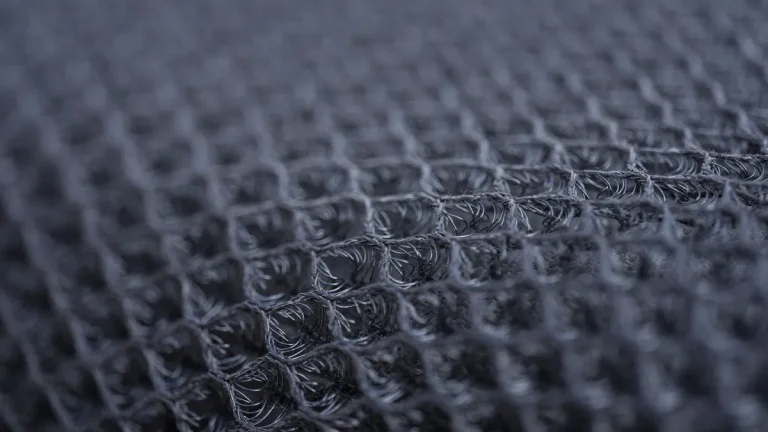
Chemicals leave with the irrigation: no fertiliser, herbicide or pesticide programme, so no chemical runoff into drains. A look at the roll construction and widths shows how the surface was built.
Lower water use is not the same as no water use. Rinsing dust off the pile and taking the edge off heat on a hot day still takes water, just a fraction of what irrigation demands.
Advantage 6: Multi-Sport Use From One Surface
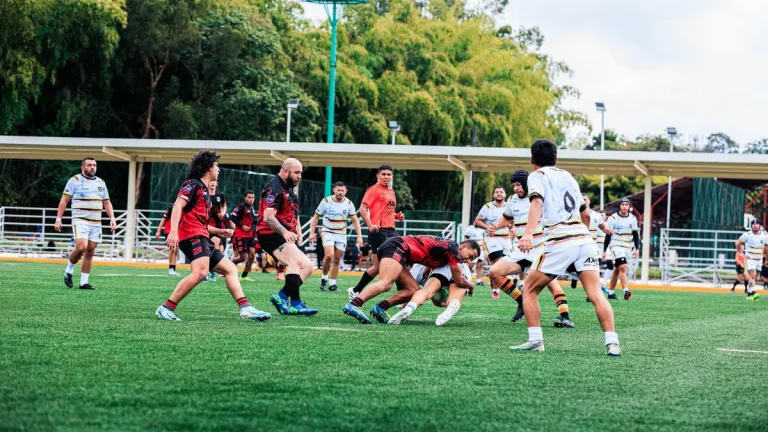
One artificial surface can carry football, rugby, athletics and physical education in the same week. Markings, colours and roll widths are planned together, so one field serves several programmes without a second site.
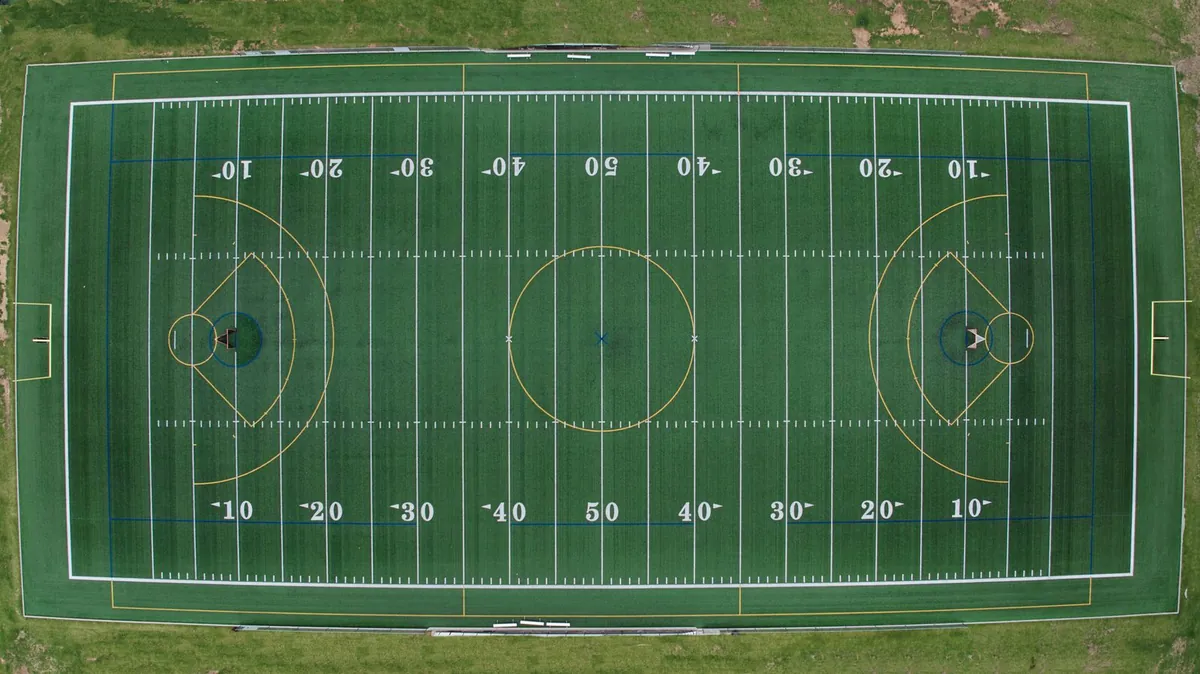
That flexibility turns a cost centre into a revenue line: bookings, tournaments and community sessions can run back to back, and the surface needs no recovery days.
- Name the primary sport first; the surface is chosen for whichever sport fills the most hours.
- Plan secondary markings as inlays so a second field is not needed.
- Widen rolls across the main playing area to cut seams, then trim offcuts at the edges.
- Use contrasting line colours so every marking stays readable from the stand.
Advantage 7: Shock Absorption and Player Safety
Cushioning comes from two layers working together: the infill around the fibres and, where the brief requires it, a shock layer beneath the carpet. Only an infilled surface over a quality shock layer reaches the impact-safety range of good natural grass.
Published reviews of third-generation surfaces report injury incidence and severity similar to or better than natural grass. Fill material has been studied for years. The federal research programme found chemicals present in tire crumb, but air releases were usually below detection limits.
Still Losing Fixtures to a Worn-Out Pitch?
Canceled fixtures and patched turf drain your season’s revenue. We build sports rolls to your pile, density and backing spec. Factory-direct pricing, typically 30–50% below market on like-for-like specifications.
Where Turf Surfaces Still Have Limits
Heat is where the advantages of turf surfaces meet their ceiling. On a clear day a synthetic surface can run 41 to 59 F above the air temperature. One 2025 case study measured about 130 F against 84 F on nearby grass.
Upfront cost also runs higher than renovating a grass field. The case rests on what leaves the budget afterwards: irrigation, mowing, fertiliser, fuel and chemical treatments over a ten to fifteen year horizon.
The third limit sits under the carpet. Drainage and base quality decide whether the system works, and a graded open base with the right fall is what keeps water moving. Federal research on fill materials is public reading, and a sample roll remains the fastest way to check what you are buying.
Specifying the Right Turf System
Selection starts with the sports you will host and the hours they will fill, not with a brochure. Pile height, yarn density, backing and roll width all follow from that brief.
| Facility type | Typical pile height | Infill approach | Roll width |
|---|---|---|---|
| School multi-use and five-a-side | 30 to 40 mm | Light sand dressing | 2 m or 4 m |
| School and community eleven-a-side | 40 to 50 mm | Sand plus rubber, moderate depth | 4 m |
| Club, college or municipal stadium | 50 to 60 mm | Deeper sand plus rubber | 4 m or 5 m |
| Indoor training and multi-sport hall | 20 to 40 mm | Light to moderate, or unfilled | 2 m, cut to fit |
Write the parameters down before you ask for anything. Our team produces custom pile heights, densities and colours against a stated brief, and rolls of 2, 4 or 5 metres cover most layouts without avoidable seams.
Weigh the advantages of turf against the limits above before you fix a specification, and confirm the numbers on a sample square in daylight.
Frequently Asked Questions
Do turf surfaces need infill to perform well?
Not always. Infill supports the fibres and cushions landings, so most full-size sports fields use it. Short-pile and indoor surfaces often run unfilled, which suits lighter training loads rather than match play.
How long does a sports turf surface last?
Commercial sports turf has a service life of up to 10 to 15 years. Where a field lands inside that band depends on weekly playing hours, infill upkeep and how well the base drains.
Are turf surfaces too hot for summer play?
Yes, in direct sun. Surface temperature can run 41 to 59 F above the air, and one case study measured about 130 F. Shift sessions to cooler hours, or rinse the surface before use.
Can one turf surface host several sports?
Yes. Markings, colours and roll widths are planned together, so one field can carry football, rugby, athletics and physical education without a second surface or seasonal re-turfing.
Does a turf field need watering?
No irrigation is needed to keep it playable. Water is used only to rinse dust, clean the surface or take the edge off heat on a very hot day.
How do I check a turf roll before a bulk order?
Request free 20 by 20 cm samples, usually three to four pieces. They ship by DHL or FedEx in 4 to 6 days with the courier freight covered by the buyer.
 English
  Arabic
  French
  German
  Portuguese
  Russian
  Spanish