
Most turf failures in extreme weather are not fiber failures. They are specification failures that surface only after a full season of sun, heavy rain, strong wind and freeze-thaw cycles. A product that looks right in the showroom can still fail the day the climate actually tests it.
We tuft, coat and inspect every roll on our own line, so the same climate questions reach us from contractors in very different regions. This guide explains how one set of turf specifications can stand up to UV, storms, wind and freezing at the same time.
Why One Spec Sheet Must Cover Every Climate
Buyers often ask for separate products for hot sun, for rain and for snow. In practice a single artificial turf installation faces all of those within one year. Specifying for only one condition leaves the other three unprotected when the season turns.
Our approach is to design one turf system that answers every climate stress at once. The four stresses below share the same root causes, so the same material choices resolve most of them together rather than fighting each other. A unified spec is also easier to buy, stock and install across regions. Climate is rarely polite. A site may see monsoon rain in July and hard frost in January, so the turf must perform across that whole range rather than only on one bad day.
Specify Weather-Ready Turf With Our Factory
Relyir is a factory-direct artificial grass manufacturer with customizable pile, backing, infill and drainage options. Tell us your climate and traffic, and request an exact quote for a turf system built for it.
UV Stability and Color Fastness Under Sun
Sunlight is the slowest stress and the most constant one. Ultraviolet light breaks down many polymers over time, which is why color fastness depends on the yarn chemistry rather than on a surface coating. A turf that fades loses its value long before it loses its function. The damage builds year by year, so the weak products fail quietly while the strong ones keep their look through the same seasons.
Every artificial turf installation we ship is built around UV-stabilized polyethylene and polypropylene yarns, so the color holds through years of direct sun. The stabilizer is mixed into the resin before extrusion, which means the protection runs through the whole fiber instead of sitting on top. This is a material decision made at the compounding stage, not a finish applied later. Our artificial grass products cover a range of UV-stable yarn options.
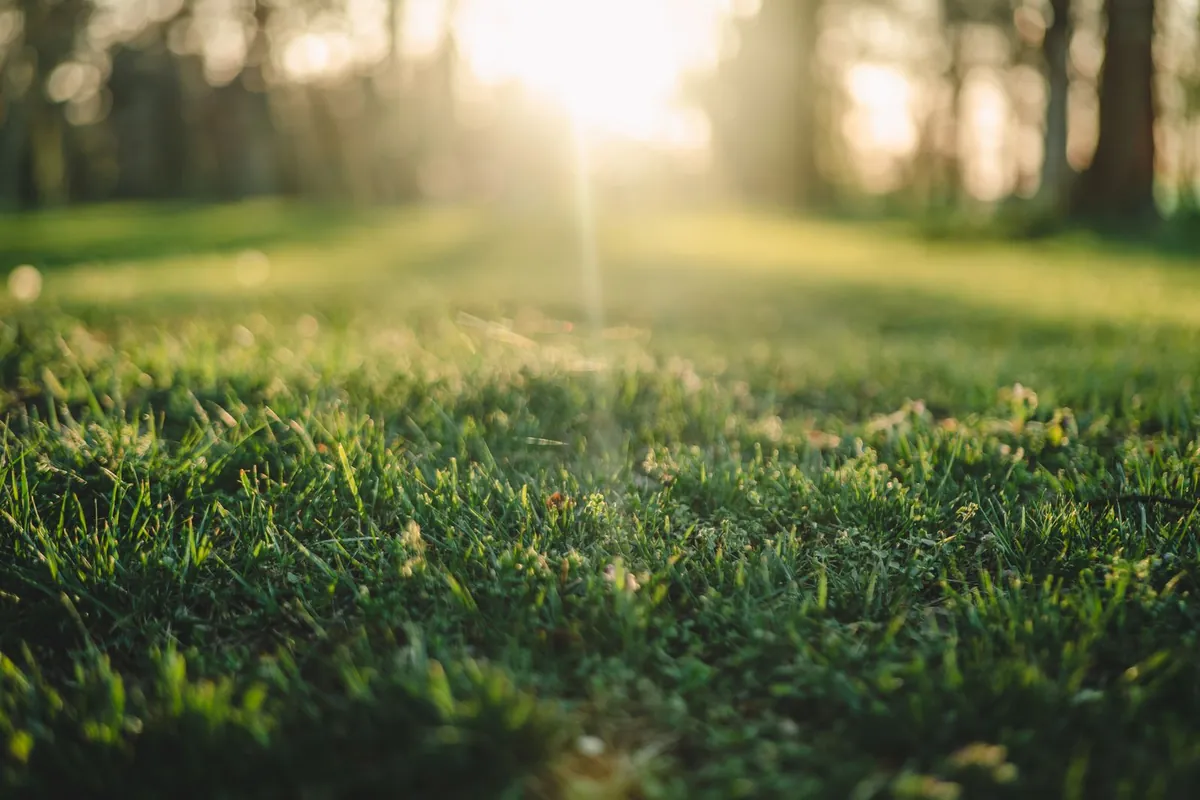
Backing color also matters, because a dark backing absorbs more heat during hot afternoons. Lighter, stabilized backings keep surface temperatures lower when the sun is strongest. For roofs and sunny yards, that small choice changes how the surface feels underfoot in midsummer and slows the aging of the whole system. Yarn shape plays a role too, because curved and shaped blades scatter light instead of trapping it.
Heat alone does not destroy turf, but heat plus trapped moisture under a dark backing can accelerate wear. We balance yarn profile, backing shade and infill color so the surface stays cooler and the fibers keep their memory through repeated hot summers. That balance is part of the spec, not an afterthought at the end of the build.
Rain and Stormwater Need Real Drainage
Standing water is the fastest way to ruin a lawn’s look and smell. Rain that cannot leave the surface pools, breeds bacteria and pushes the base soft underneath. Drainage is therefore a system property, not a feature of the grass blade alone. A lawn that drains well also stays usable sooner after a storm, which matters for schools, parks and commercial sites with fixed schedules.
A proper artificial turf installation sheds water through a perforated backing into a graded stone base below. The surface itself is permeable, and the base underneath stores and releases stormwater. We recommend a fall of about 2 percent toward the drains, the same grade used on well-built patios and paths.
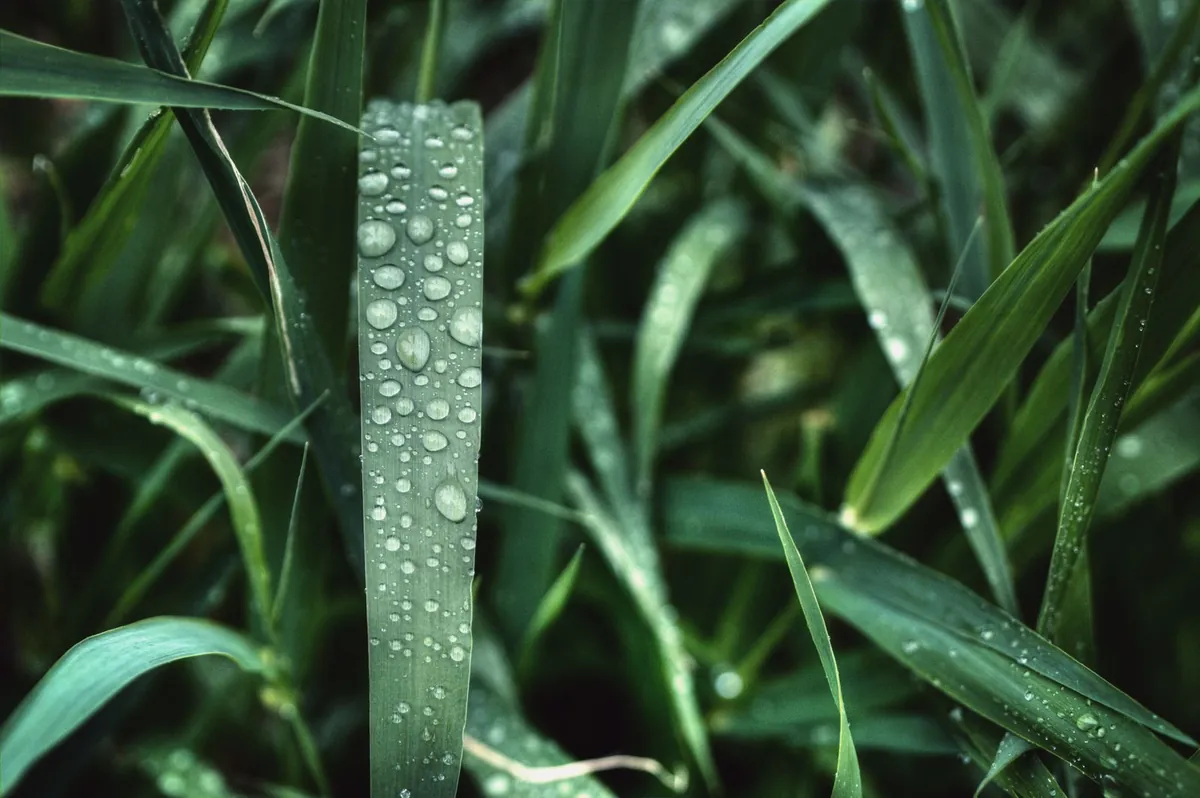
Infill choice affects drainage too. Some infill holds water, while others let it pass straight through to the base below. For wet climates, we pair a free-draining infill with a base designed for the local rainfall, so the artificial turf installation is dry again within an hour of a storm. The right infill also reduces splash and keeps the pile from compacting under repeated soakings.
Maintenance is light but not zero. A quick brush after the leaves fall and a rinse after heavy pollen season keeps the perforations open. Most drainage problems we see come from a base built too thin, not from the grass, which is why grade and stone matter more than the visible blade.
High Wind Calls for Ballast and Edges
Wind rarely lifts a well-laid lawn, but edges and seams are the weak points. A corner that curls in a gale becomes a trip hazard and a water trap at the same time. The fix is weight and fixing, applied at exactly the right places.
Infill adds ballast to the whole surface. A fully infilled lawn weighs enough that normal gusts cannot move it, and the weight also keeps the pile standing upright. Around the perimeter we use fixing suited to the substrate, from pins in soil to adhesive on hard surfaces, so the edge stays put through the entire season. The exact method depends on what the turf is laid over, and we match it to the site.
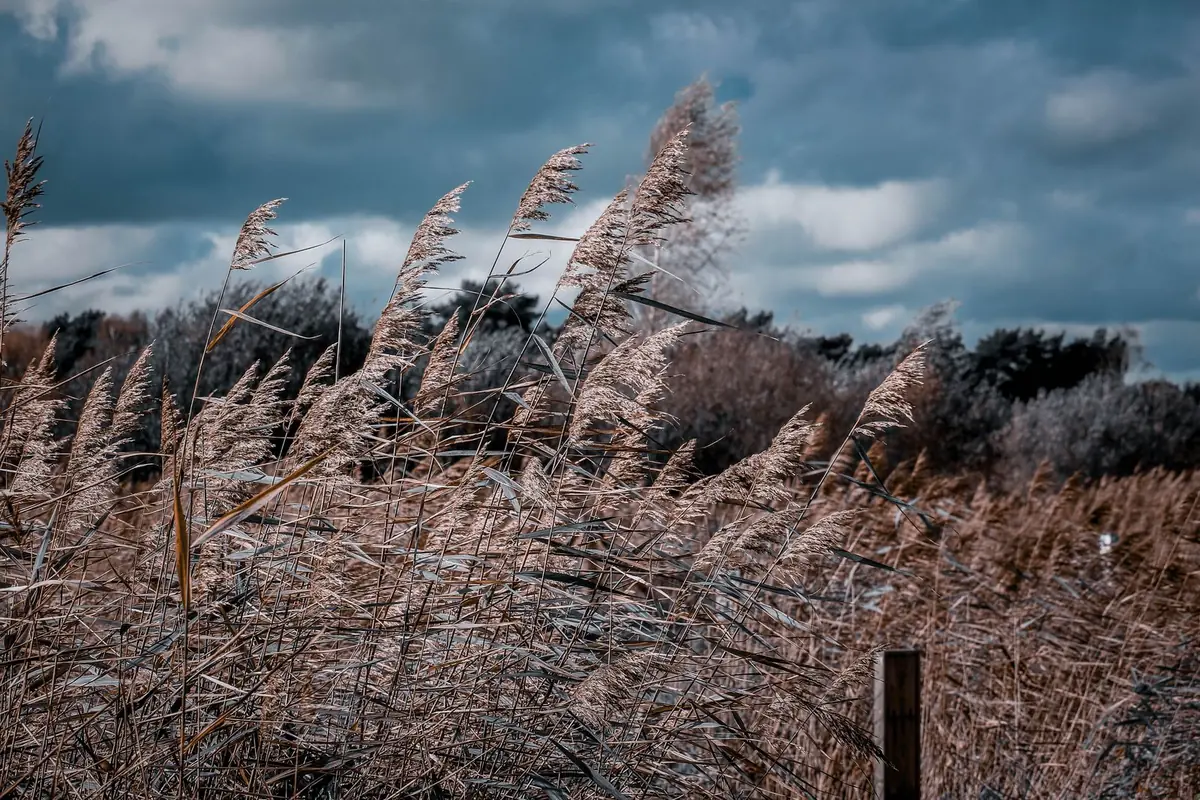
Seams need the same care as edges. A seam that lifts catches the wind like a small sail, so we lay seams on a flat, glued bond and dress the edge so nothing can get underneath. For roof and balcony installs, the whole sheet is fixed to the substrate rather than relying on its own weight alone.
Balcony and rooftop installs deserve special care because they sit high and exposed. There the sheet is fixed along every edge and through the field where needed, so wind cannot get a corner started. We also keep the perimeter detail simple, because a clean fix is a fix that survives the first big storm.
Freeze-Thaw Cycles Stress the Base
Freezing is not the enemy; the cycle of freeze and thaw is. Water that enters a poorly built base freezes, expands, and lifts the surface a little each winter. When it melts, the surface drops back uneven and slightly lower than before.
A base that drains and compacts correctly leaves no room for that water to sit. We build the sub-base from free-draining stone compacted to a firm density, so meltwater leaves instead of freezing in place. The turf itself stays flexible well below freezing and recovers its shape as temperatures rise again in spring. Snow load on top is not the problem; the water that follows the thaw is.
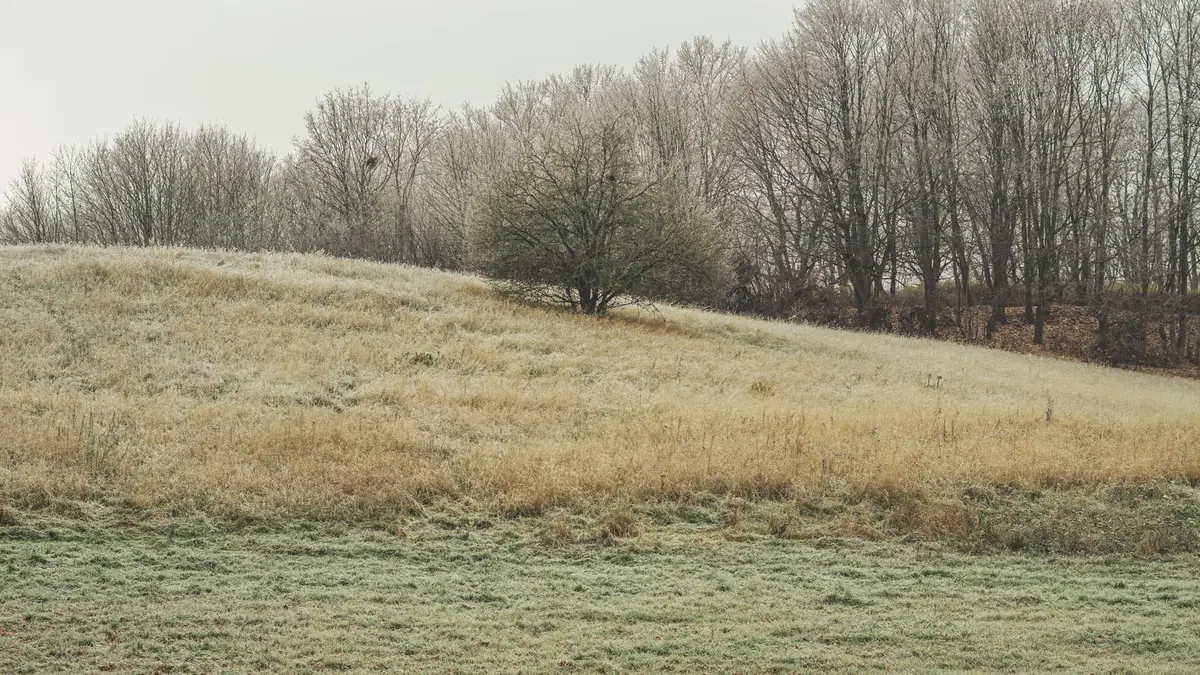
Edge fixing matters most in cold regions, because frost heave pushes from below. A perimeter fixed to a stable substrate resists the lift that would otherwise open seams by spring. Plan for the worst winter your site has seen, not the average one, and the base will outlast several surface replacements.
In regions with deep frost, we deepen and widen the free-draining layer so the frozen line never meets saturated soil. That extra margin costs little at build time and prevents the slow heave that opens seams a few seasons later. Plan the base for the winter your grandparents remember, not the one on the brochure.
A Harsh-Climate Spec Confirmation Checklist
Before you request a quote, confirm four points with your supplier. Each one maps to a stress above, and each one is customizable in our production line. Treat the list as a minimum, not a nice-to-have for tough sites. A supplier who waves these off is selling a product, not a specification built for your weather.
| Specification | What to confirm | Why it matters |
|---|---|---|
| Pile height and density | Match to sun exposure and traffic | Thicker, denser pile resists matting and wear |
| Backing type | PP+Net or PU, UV-stabilized | Holds seams and sheds water through freeze-thaw |
| Infill choice | Free-draining vs water-holding | Drives ballast, drainage and surface temperature |
| Drainage and grade | 2 percent fall, permeable base | Keeps the surface dry within an hour of rain |
If your supplier cannot answer all four, the turf is not specified for your climate. Our customization options let you set each value for the weather your site actually sees. Material prices run from $7 to $60 per square metre, an indicative range, so request an exact quote for your specification. The right combination usually sits well inside that band once traffic and climate are known.
Frequently Asked Questions
Does artificial turf fade in strong sunlight?
Quality turf uses UV-stabilized polyethylene and polypropylene yarns with the stabilizer mixed into the resin. The color runs through the whole fiber, so it holds through years of direct sun rather than peeling from a surface coating.
Can artificial grass handle heavy rain?
Yes. Water passes through the perforated backing into a graded stone base and drains away. With a 2 percent fall and a free-draining infill, the surface is usually dry again within about an hour of a storm.
Will wind blow artificial turf away?
Not when it is laid correctly. Infill adds ballast and perimeter fixing holds the edges, so normal gusts cannot lift the surface. Roof and balcony installs are fully fixed to the substrate rather than relying on weight alone.
Does freeze-thaw damage artificial turf?
The turf stays flexible below freezing and recovers as it warms. Damage comes from a bad base that traps water; a compacted, free-draining sub-base prevents the lift, so plan the base for the worst winter, not the average.
What turf specs matter most in hot climates?
UV-stabilized yarns and a lighter, stabilized backing keep color and lower surface heat. Higher density pile resists matting under strong sun. Confirm these with your supplier before you request a quote for a sunny site.
How much does weather-rated turf cost?
Material prices run from $7 to $60 per square metre depending on pile, backing and infill, quoted as an indicative range. Installation and site work are priced per project, so request an exact quote for your specification.
 English
  Arabic
  French
  German
  Portuguese
  Russian
  Spanish