

A natural lawn is where most bocce courts start, and it is the surface our team gets asked to replace most often. The pattern repeats at clubs, campgrounds and senior communities alike. A green lane plays well for a few weeks in spring, then spends the rest of the year punishing whoever booked it. Rain closes the court, mowing resets the pace, and bare patches open exactly where the pallina drops.
Bocce ball on synthetic turf fixes the failures a lawn cannot escape, and the reasons are physical rather than promotional. We build artificial grass rolls on our own line, so this comparison follows one court through a full year of roll, rain, maintenance, climate and money. Where grass genuinely still wins, the comparison says that too.
Why a Natural Lawn Fails Bocce
On grass, the surface rewrites the rules between weekends. Blades lean one way after mowing, traffic wears two bald channels down the playing line, and every soft patch bends a pointing shot off the line the thrower intended. Surface guides for the sport describe the same failures: uneven spots, muddy sections and inconsistent ball movement that no amount of care fully removes.
The wear is the part facilities underestimate. A lawn lane carries foot traffic down the same two corridors every session, and repeated play wears grass out quickly. Bare soil follows, bare soil holds water, and the lane that hosted the season opener becomes the court nobody books by August.

Bocce ball on synthetic turf ends that cycle because nothing in the surface is alive to fail. A lawn court is a contract that grass keeps rewriting; a turf court is a contract with one signature and no small print.
Roll Consistency: Turf Plays Every Frame
The game is decided by how far a ball runs, so the surface owes every player the same answer. Turf grass keeps a uniform height and texture, which delivers an even roll and a more consistent bounce than natural grass or sand. A pointing shot behaves the way the thrower judged it, frame after frame.
Speed is a specification rather than a surprise. Bocce surfaces are usually built on short, dense pile, tuned to the pace the club wants. A faster lane suits league play; a touch more give suits social sessions. Artificial turf installations for bocce are engineered around that decision, and the bocce ball turf surface options make the choice explicit.
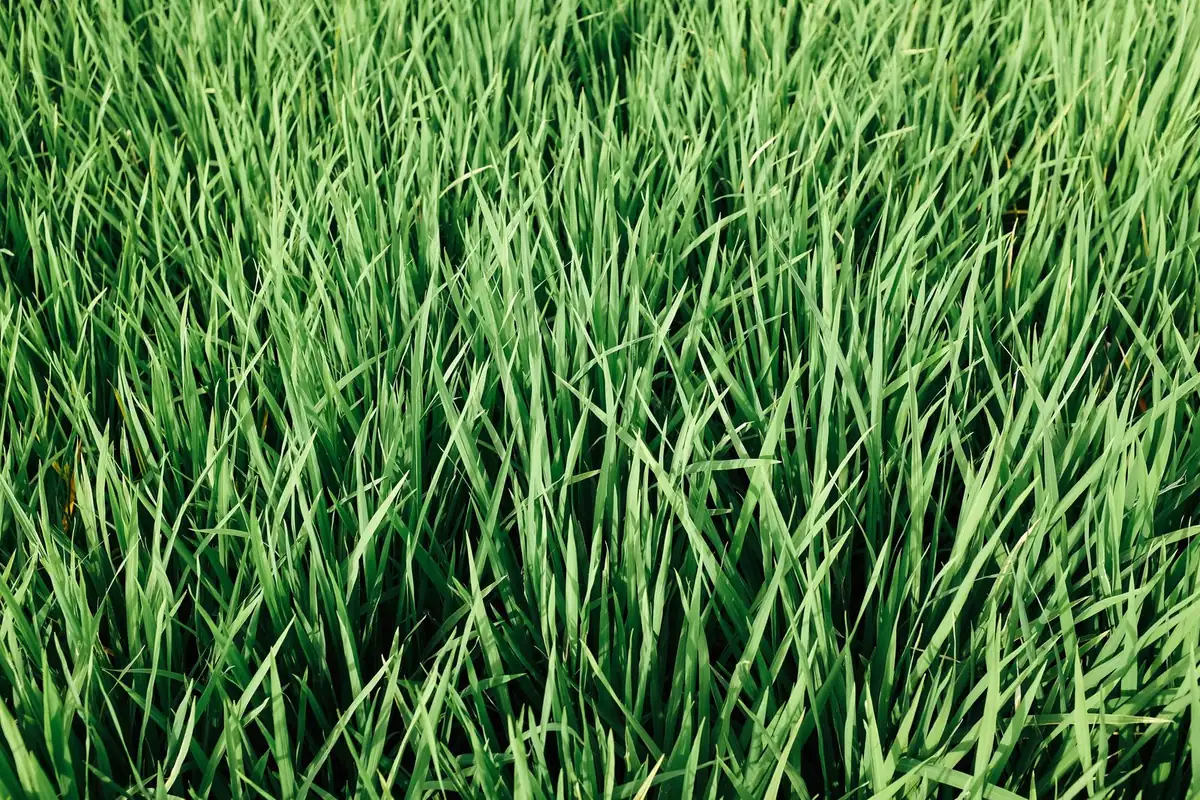
In our own bench checks, the difference shows up in the spread rather than the average. Ten throws across a lawn land in a wide band because the surface varies from footstep to footstep. Ten throws across short pile land in a narrow one, and players feel that within the first end.
Drainage Keeps the Court Open After Rain
Rain is where lawn courts surrender. Natural grass turns muddy and slippery after rainfall and stays closed until it dries, and a lane that dries slowly cancels every session stacked behind it. Bocce ball on synthetic turf runs a different schedule: permeable backings pass water through at more than 30 inches per hour per square yard.

That rate assumes the base was built properly. Artificial turf drains well over a properly prepared base with a drainage layer, while natural grass depends on soil structure that compacts under use and lets water pool. Same rain, two completely different weeks.
That base-first logic is why artificial turf installations for courts are planned around drainage before anything else. For a facility, the payoff converts directly into calendar. Court time that weather used to erase survives, and the league schedule stops revolving around the forecast.
Maintenance Hours You Never Get Back
A lawn court bills its owner in hours before it bills in money. Mowing, watering, trimming, fertilising, pest control and ongoing repair run all season, and shared properties feel that workload hardest because the crew serves everything else on site too.
Artificial turf installations replace that list with two tasks: an occasional brush to keep the fibres upright and a rinse to clear dust or leaves. No mowing, no irrigation and no chemical programme, which also takes fertiliser and pesticide handling off the site. The full picture of what that saves sits in our bocce court turf overview.
The water line alone changes the conversation. An 80% reduction in water use is common on all-weather turf fields, and irrigation is the largest recurring task a lawn court demands.
Climate Tolerance Across a Full Season
Climate decides whether a lawn court is an amenity or a liability. Water restrictions and high temperatures push natural grass into brown, thinning survival mode exactly when members want to play, and a drought year can write off a season. Synthetic turf stays green through the same conditions because nothing in it depends on rainfall.
Honesty requires the other half of the climate story. Turf runs hotter than grass in direct afternoon sun, and a lawn stays cooler underfoot on the warmest days. Scheduling is the working answer: move sessions to mornings or evenings, or rinse the court before play, and the heat stops being a booking problem.
The same quality that lets artificial turf installations hold green through drought cycles is what holds the schedule: the surface does not take days off. Courts that used to close for a season now open for all of it.
The Budget Case Beyond the Invoice
Synthetic turf costs more to install than seeding a lane, and pretending otherwise wastes everyone’s time. Natural grass wins the first invoice almost every time. The comparison turns over the following years, because grass keeps billing for labour, water and repair while turf’s upkeep fits into minutes a week.
How it lands depends on use. Facilities that convert compare quotes for artificial turf installations against seasons of lawn labour, resodding and rained-out bookings. The higher upfront spend is recovered in the sessions the court keeps selling. A garden that hosts a game once a month can keep its lawn; a calendar that fills every week cannot.
Is Your Lawn Court Cancelling More Games Than It Hosts?
Mud days and worn lanes drain a season’s bookings. We roll bocce carpet to your pile height, density and backing spec, factory-direct, typically 30–50% below market on like-for-like specifications.
Four Mistakes When Converting a Bocce Lawn
A lawn-to-turf conversion is the easiest bocce project to scope and the easiest to get wrong. Four mistakes account for most of the disappointment our team is called in to fix.
Mistake 1: Under-Building the Base and Drainage
The carpet is the visible part; the base decides how it plays. Turf drains well only over a properly prepared base with a drainage layer, and a compacted foundation is what keeps water moving and the lane true. Skip that work and the turf inherits the lawn’s puddles.
Mistake 2: Choosing Pile Height by Eye
Pile height sets the pace of the game, so a surface judged under showroom lighting tells you nothing about your lane. Decide the speed first, faster for league play and softer for social sessions, then pick the short, dense pile that delivers it and put the value in the quote.
Mistake 3: Guessing the Lane Width
Roll width decides how many seams cross a court. Standard rolls run 2, 4 and 5 metres wide by 25 metres long, so a lane measured after the fact either fits the roll plan or grows seams nobody priced. Measure the frame first and match the width to it.
Mistake 4: Judging the Surface Away From Daylight
Colour and texture read differently under shop lighting than under your sky. A sample checked in daylight, against the frame material and the surrounding landscape, is the only honest preview of the finished court. Free 20 by 20 centimetre samples exist for exactly this test.
Where a Lawn Keeps the Upper Hand
Fairness keeps a comparison honest, and grass holds three real advantages. It feels softer underfoot, it reads as unmistakably alive, and it stays cooler than turf on hot afternoons in direct sun.
Those advantages matter most where play is occasional. A garden that hosts a game once a month can keep its lawn and accept the bad bounces as part of the afternoon. For any court that earns its keep week after week, the three advantages above stop paying for themselves.
Specifying Turf for a Bocce Conversion
Write the comparison down before calling anyone, because the specification is where a conversion is won. The table below is the version our team sketches on the first call with a club or facility.
| Dimension | Natural lawn | Synthetic turf |
|---|---|---|
| Surface after rain | Muddy and slippery, closed until the lane dries | Drains through the backing, playable soon after |
| Ball roll and bounce | Changes with mowing, wear and moisture | Uniform height and texture, same roll every frame |
| Weekly upkeep | Mowing, watering, fertilising, pest control, repair | Occasional brush and rinse, no chemicals |
| Summer heat | Cooler underfoot, browns in drought | Hotter in direct sun, stays green |
| Water use | Continuous irrigation through the season | None beyond an occasional rinse |
| Bare spots and weeds | Develop with traffic | None |
| Service life | Reseeding and repair cycles | Up to 10 to 15 years |
| Season | Weather-dependent windows, cancelled sessions | Year-round |
Two decisions frame the quote: the pile spec and the roll plan. Our line produces rolls in 2, 4 and 5 metre widths at 25 metres, with custom pile height, density, colour and PP+Net or PU backing. The lane gets covered the way it was measured. The full parameter list lives in our guide to bocce court turf specifications.

Bocce ball on synthetic turf is specified the way any playing surface is. Start from the hours it must carry and the roll it must deliver, then work back to pile, density and backing.
Checklist Before You Confirm the Spec
Run these four checks in order and the quote that comes back will match the court that gets built.
Checklist Item 1: Fix the Playing Hours First
Usage decides everything else: how many hours the lane must carry, who plays on it, and how fast the surface must run. A league court is specced differently from a resort feature, and the weekly hours are the first number in that conversation.
Checklist Item 2: Lock Pile Height and Backing in Writing
Put pile height, density and backing, PP+Net or PU, into the quote as named values. A roll built to a stated specification can be checked against that specification on delivery, so the quote matches what arrives on site.
Checklist Item 3: Match Roll Width to the Frame
Walk the lane with a tape before signing anything. Widths of 2, 4 and 5 metres by 25 metres long cover most layouts, and the right plan keeps seams out of the playing line.
Checklist Item 4: Test a Sample in Daylight
Request a free 20 by 20 centimetre sample set, usually three to four pieces, and check it against the frame in daylight. Samples ship by DHL or FedEx in 4 to 6 days, with the courier freight paid by the buyer. The free turf samples are the cheapest insurance in the project.
Frequently Asked Questions
Is bocce ball on synthetic turf really better than grass?
Yes, for any court that gets regular play. The roll stays true, rain drains through, and upkeep drops to an occasional brush and rinse.
How fast does a turf bocce court drain?
Permeable backings pass water through at more than 30 inches per hour per square yard, so the surface is playable again shortly after rain stops.
Does turf bocce need mowing, watering or fertiliser?
No. The surface never grows, so mowing, irrigation and chemical programmes leave the calendar entirely. An occasional brush and rinse keeps it clean.
How long does a synthetic bocce surface last?
Quality commercial turf serves up to 10 to 15 years. Weekly playing hours, infill upkeep and base drainage decide where a court lands inside that band.
Does the surface get hot in summer?
It can in direct afternoon sun, and grass stays cooler. Shift sessions to mornings or evenings, or rinse the court to cool it before play.
Can we check the turf before a bulk order?
Request free 20 by 20 centimetre samples, usually three to four pieces. They ship by DHL or FedEx in 4 to 6 days, courier freight paid by the buyer.


 English
  Arabic
  French
  German
  Portuguese
  Russian
  Spanish