
Two buyers can order the same square footage in the same week and end up with opposite lawns. One stays dense and upright for years; the other flattens, fades and opens seams by the second summer. The difference is the order in which the decisions got made, and that order is learnable.
This page walks the chain a professional purchaser runs, from defining the job to handing the rolls to the artificial turf installation crew. We manufacture artificial grass on our own line and ship to landscapers, contractors and distributors worldwide, so the advice comes from the factory side of the quote. Follow the sequence and you will buy artificial grass turf like a pro, whether the job is a balcony or a housing development.
Before You Buy: Define the Job Your Turf Must Do
Every good purchase starts with the job the surface must do. A family lawn, a dog run, a play area and a rooftop terrace stress turf differently. Traffic decides face weight, pets decide drainage priorities, and sun exposure decides how much UV stabilisation to insist on.
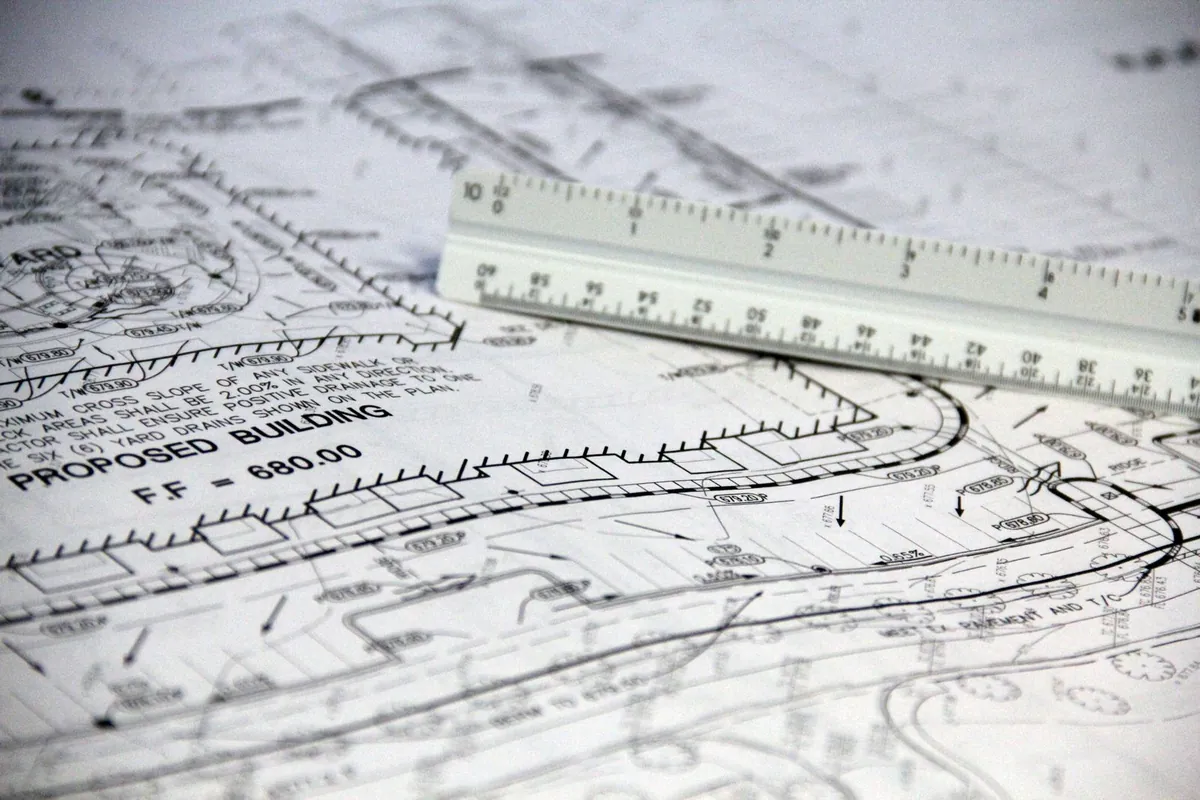
Then walk the site before you price anything. Note sun exposure, drainage fall, and how a 25-metre roll will physically reach the space. Measure in sections — longest and widest points, multiplied, plus roughly 10 percent for cuts and offcuts.
Match roll width to the layout early, because rolls come in 2m, 4m and 5m widths at 25m length and the right width keeps seams out of sight. Set a total budget envelope before you contact anyone, so the first quote cannot frame how you buy artificial grass turf. Our residential artificial grass guide covers the home settings in more depth.
Read an Artificial Grass Spec Sheet Like a Pro
Pile height comes first: short pile under 1.25 inches suits traffic and pets, a mid band of 1.5 to 1.75 inches fits most lawns, and taller pile is for looks.
Face weight and density matter more than any other line. Density is the best single quality indicator, because a dense carpet resists matting while a thin one goes flat within a season or two. Ask for stitches per meter too and compare both numbers across quotes.
Check the yarn family: polyethylene reads most natural, polypropylene is the budget option for light duty, and polyamide sits at the premium end for toughness. Blade shape — C, S or W — changes resilience and heat, with shaped blades recovering better under traffic. Then flip the sample over: look for even drainage perforation and a backing bond that does not separate when you flex it. Finally, confirm UV stabilisation is written on the sheet, because that line item decides how the turf ages.
| Spec line | What to ask | Pass mark |
|---|---|---|
| Pile height | Which band suits my traffic? | Mid 1.5–1.75 in for lawns |
| Face weight and density | Stitches per meter? | Higher density resists matting |
| Yarn family | PE, PP or PA? | Polyethylene for the natural look |
| Blade shape | C, S or W profile? | Shaped blades recover under traffic |
| Backing | Perforated and well bonded? | Even holes, no separation on flex |
| UV stabilisation | Stated on the sheet? | Written, never implied |
Our artificial grass products page maps each parameter to the lines we run. Where this page stays on process, our guide to the best artificial turf handles model-by-model selection, so keep the two jobs separate.
Warranty Terms: How to Read the Coverage Promise
A coverage promise is only as strong as its wording, and length is the least informative part of it. Two policies of equal length can protect different things: one names UV fade, tuft bind and backing integrity, another covers little beyond discolouration.
Put three questions to any supplier before you rely on the promise. Which failure modes are covered — fading, fibre wear, tuft bind loss or backing separation? What documentation does a claim require, and who decides whether it qualifies? And if a claim succeeds, who pays the labour to lift and relay the area? Vague answers on any of the three mean keep shopping.
Keep product coverage separate from installation workmanship. A manufacturer covers the carpet; the fitter covers the seams and the base. Get both in writing. Our own position is simple: we would rather quote a modest written policy than a bold verbal one.
Budgeting the Full Purchase, Not Just the Turf Price
The turf price is one line in a five-line stack: turf, infill, accessories, freight and installation labour. Freight and labour are often the heaviest lines in an artificial turf installation budget. Ask every supplier the same four questions: is tax in, is freight in, is installation in, and are accessories itemised?
Judge quotes on total landed cost, not the number on top — treat them like airline fares, where the headline means little until you know the baggage rules. A cheap roll with expensive freight and missing infill can lose to a mid-grade roll priced honestly. Factory-direct lawn grades run an indicative $7-60 per square meter before freight and site works, so request an exact quote against your spec.
| Line item | What it covers | Question to ask |
|---|---|---|
| Turf | The roll, per square meter or foot | Which spec sits behind the number? |
| Infill | Ballast, bounce and fibre support | Does my pile need infill at all? |
| Accessories | Tape, adhesive, fixings, edging | Itemised or bundled into the roll price? |
| Freight | Delivery of long, heavy rolls | Who ships, and who insures the load? |
| Labour | Base preparation, laying, seaming | Quoted per square meter or per day? |
Think in lifecycle terms as well: a bargain carpet bought twice costs more than a mid-grade one bought once. For the per-square-foot ranges behind these lines, our guide on how much artificial grass costs breaks the numbers down.
How to Shortlist and Vet Artificial Grass Suppliers
You have three realistic routes: direct from a manufacturer, through a distributor, or at a local store. Direct usually wins on unit price and customisation but carries minimum order quantities and freight you manage yourself. Distributors add margin but hold stock; local stores add speed at the highest price.
Collect feedback from projects like yours, and ask for the test reports behind any claim. Treat responsiveness as data: a supplier who answers spec questions within a day, with documents attached, is previewing their after-sales. Slow, vague pre-sales almost never becomes fast, clear post-sales.
Get quotes from at least three suppliers and compare full landed cost. When you buy artificial grass turf for a real project, the quote that documents its spec beats the quote that merely undercuts.
Get Samples and Run a Hands-On Test
Never commit from photographs when you buy artificial grass turf. Order free samples first — we cut 20cm × 20cm swatches, usually three or four, with freight covered by the customer. They reach most doors by DHL or FedEx in four to six days, or up to nine in remote areas.
Test each swatch as the site will use it, in your own daylight, not under shop lighting. Press the fibres flat with your palm: a good carpet stands back upright within seconds. Bend the backing sharply and check the bond does not crack, then pour a cup of water through and watch it drain.
Keep the approved swatch as your golden sample. It becomes the reference for the delivery inspection later.
Get Samples Before You Commit
Tell us the application, the traffic and the area, and we will match swatches to the job. Our free artificial grass samples go out by courier in four to six days, so you can judge the pile by hand first.
Questions to Ask and Paperwork to Get Before You Pay
Between an agreed price and a paid invoice sits a short checklist that prevents most disputes, confirmed in writing before money moves.
- A written spec sheet that matches the approved sample: pile height, density, yarn and backing.
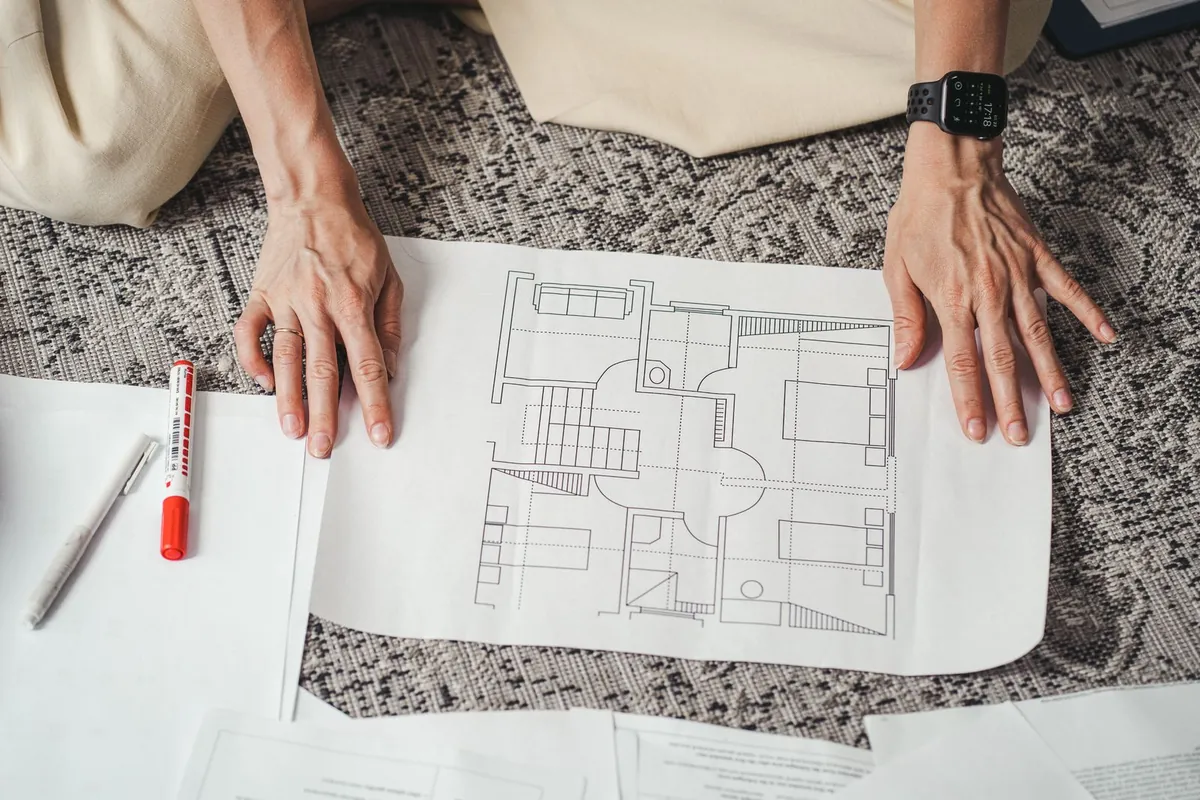
- Roll width and length confirmed against your layout plan, because mismatched widths mean extra seams and wasted offcuts.
- Freight terms: who ships, the lead time, and what happens if rolls arrive damaged.
- Return or replacement policy, plus the minimum order quantity if you buy direct.
- A final quote covering everything discussed — tax, freight, accessories, labour — with nothing left to be confirmed.
If the supplier is also quoting the artificial turf installation, ask which crew performs it and what workmanship coverage they offer in writing.
Inspecting Delivery: Quality Checks Before You Sign Off
Store the rolls flat in a cool, shaded spot until installation day, never standing on end, which sets a curl memory the carpet keeps for life.
Inspect against your golden sample the day the truck leaves, not the weekend after. Compare colour batch, stitch rate and backing across rolls; swaps are simple before the carrier departs. Check that drainage holes run open along the full length and that the backing bond looks even, with no dry patches or bubbles.
Photograph anything doubtful beside the golden sample and note it on the delivery document before signing. This is also the moment to confirm the artificial turf installation date, so rolls are not stored for weeks.
Common Buying Mistakes That Cost You Later
Most buying pain traces back to six habits that repeat wherever people buy artificial grass turf without a process, and each has a cheap fix.
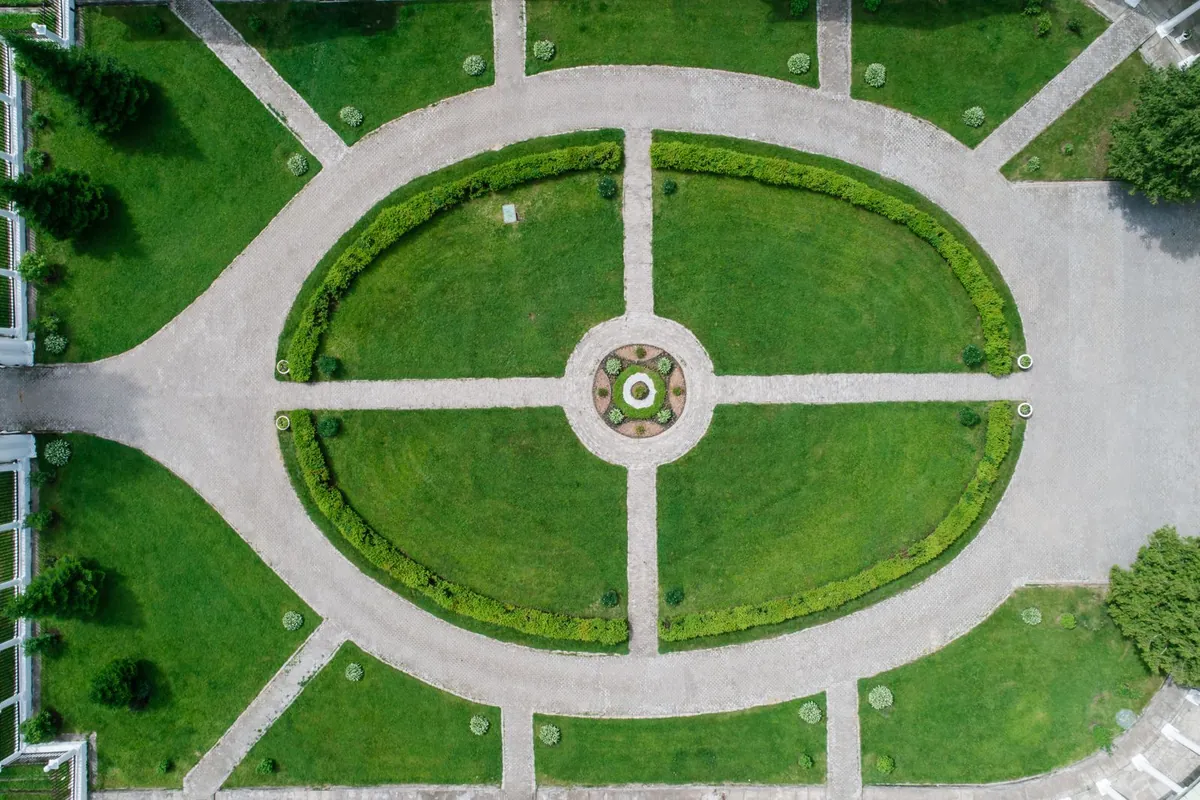
Planning and product selection feed into each other throughout the process.
Every stage of the buying process feeds into the next, from planning to product selection to delivery.
- Buying on price alone: under roughly $1 per square foot, backing and tufting are usually too thin to last — check those before the price.
- Ignoring roll width at design stage: match 2m, 4m or 5m widths to the layout before ordering, not after.
- Coverage promises left verbal: get the policy document referenced in the invoice notes.
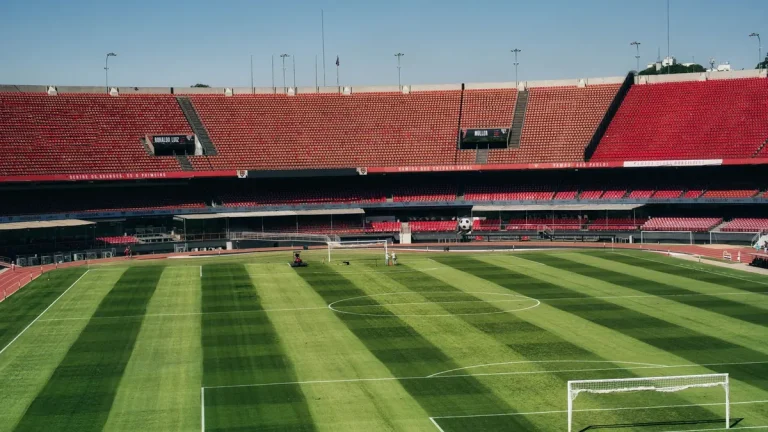
- Trusting sports-system labels: stadium certifications describe whole systems, not the carpet, so ask what the label applies to.
- Skipping samples because photos look identical: hands catch what eyes cannot, so order swatches anyway.
- Freight surprises: long heavy rolls cost extra and need access, so measure gates, stairs and turning space first.
None of these fixes costs money — only the ten minutes most buyers skip.
Handing Off to Installation Without Losing What You Bought
A small, simple area is a realistic DIY job; anything with drainage gradients, several seams or coverage terms attached is safer with a professional crew. Base preparation decides roughly half of the final look and lifespan, which is what makes the artificial turf installation a purchasing decision rather than an afterthought.
Handle the handover deliberately: keep rolls flat and dry until the crew arrives, and keep the golden sample on site. After laying, brush the fibres upright and add infill if the spec calls for it.
The step-by-step site prep and laying sequence belongs to our installation prep guide. What matters at handoff is that nothing you negotiated — spec, width, coverage, freight — gets lost between the invoice and the ground.
Frequently Asked Questions
How do I work out how much artificial grass to buy?
Measure the longest and widest points of each section, multiply for area, add about 10 percent for cuts, then match the total to roll widths to minimise joints.
What should I look for when buying artificial grass?
Density and face weight first, then pile height for traffic, a polyethylene yarn for natural look, stated UV stabilisation, a bonded perforated backing, and the coverage promise in writing.
Is it cheaper to buy artificial grass direct from the manufacturer?
The unit price is lower, but minimum quantities and freight raise the total. For small areas a local supplier can win — compare the full landed cost.
Can I buy artificial grass without ordering a sample first?
Not recommended. Photographs hide hand feel, rebound, backing stiffness and true colour. Free samples arrive in four to six days, a small delay for a permanent surface.
What warranty should I expect when buying artificial turf?
Expect a written policy, not a number on a flyer. Check which failures are covered — fade, wear, tuft bind, backing — how claims are documented, and who pays relaying labour.
 English
  Arabic
  French
  German
  Portuguese
  Russian
  Spanish