
Concrete balconies, tiled patios and rooftop decks share one problem: they are hard, hot and bare. Artificial grass turns that dead square metre into a soft green room you actually use, with no soil, mowing or watering to manage.
The ultimate buyers guide to fake grass for patios and balconies starts with the surface itself. We build rolls on our own line, so we watch what fails on a sixth-floor deck and what holds. Small hard areas need a different spec than a garden lawn, and the details below are where that spec is won.
Why Fake Grass Fits Patios and Balconies
A hard surface gives grass nowhere to root, so live turf is rarely practical on a balcony. Synthetic turf needs no soil and no irrigation, which is why it works where natural lawn cannot. The result is a usable floor that stays green through every season.
Weight is the first reason it fits. A roll of artificial grass is light, so it adds little to a structure that was never built for a garden. It also lays flat over tile, concrete or decking without a dig, which keeps a rental-friendly install simple to reverse.
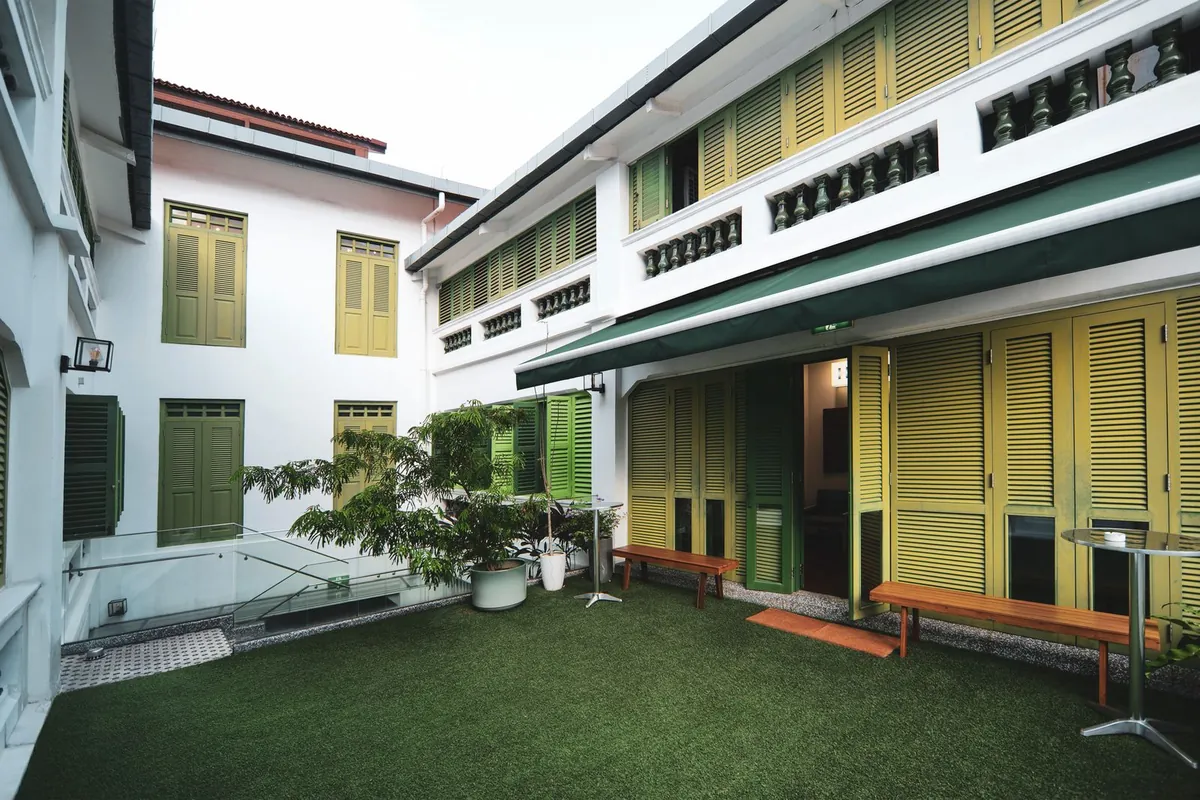
Fake grass earns its place on the small surfaces where a little green changes the room. The list below covers the spots owners ask about most.
- Balconies and loggias, where floor space is tight and load matters.
- Rooftop terraces exposed to wind, sun and open sky.
- Tiled patios and courtyards around the home.
- Pool decks that need a cool, drain-fast surface.
- Enclosed sunrooms and covered verandas.
Load and Weight Limits on Balconies
The one number that decides everything on a balcony is the allowable live load. An artificial turf installation itself is light, but the load that matters is the total of turf, furniture, planters and people. Confirm the figure with your building manager or a structural engineer before you buy.
Keep the assembly light by choosing a short-pile roll and skipping heavy layers you do not need. A lightweight system is easier to lift, easier to reverse if you rent, and kinder to a structure that was never designed for a garden. We size rolls so the floor load stays modest.
Planters are the silent weight gain. Use fibre, thin metal or composite pots instead of heavy ceramic, and set saucers under them so runoff never soaks the backing. A small turf patch with light furniture stays well inside most balcony limits.
Drainage on Concrete and Tile
Water is the test every patio fails or passes. A closed backing traps rain and a hose-down, which turns into a smelly puddle on a balcony. The fix is a perforated backing that lets rainfall and rinse water pass straight through to the drain below. Specify that perforated backing before the artificial turf installation reaches the deck.

Slope is the second half of drainage. If the deck is flat, give it a slight fall of about 1 to 2 percent toward the nearest outlet so water never sits under the turf. On very uneven decks, a thin drainage layer beneath the roll channels flow the same way.
Check the outlet before you lay anything. Clear leaves and debris from the drain so a storm runs off instead of backing up. Drainage is cheap to get right and expensive to fix after the roll is down, so it leads every spec we cut.
Wind Lift and Securing the Edges
Rooftops catch wind that a balcony never feels, and a lifted edge is the fastest way to ruin a tidy install. Anchor the perimeter so the roll stays put through gusts, and weigh the edges with furniture or planters you already own. Every artificial turf installation on an open roof needs that secured edge.
Many apartments ban drilling, which rules out screws and spikes. Perimeter adhesive, double-sided tape or a heavy edge trim hold the turf without breaking the surface, and they lift away cleanly when a lease ends. Choose the method your building allows.
Leave a small expansion gap around the perimeter. Artificial grass moves a little as temperatures swing, and a gap stops the edge from buckling or peeling at the corners. A calm, well-secured edge is what separates a pro look from a temporary one.
Roll Width and Cutting Waste
Standard rolls come in 2, 4 and 5 metre widths at 25 metres long. On a narrow balcony, the wrong width means offcut you pay for and a seam you see. Matching the roll to the space is the cheapest upgrade in the whole project. Plan the width before the artificial turf installation so the roll matches the balcony.
| Standard roll | Width | Length |
|---|---|---|
| Compact roll | 2 m | 25 m |
| Mid roll | 4 m | 25 m |
| Wide roll | 5 m | 25 m |
| Custom cut | Made to your plan | Made to your plan |
The ultimate buyers guide treats roll width as a cost lever, not a detail. We cut rolls to your exact balcony dimensions, so a 1.4 metre wide loggia gets a 1.4 metre roll and the offcut disappears. One width, one seam, one clean edge.
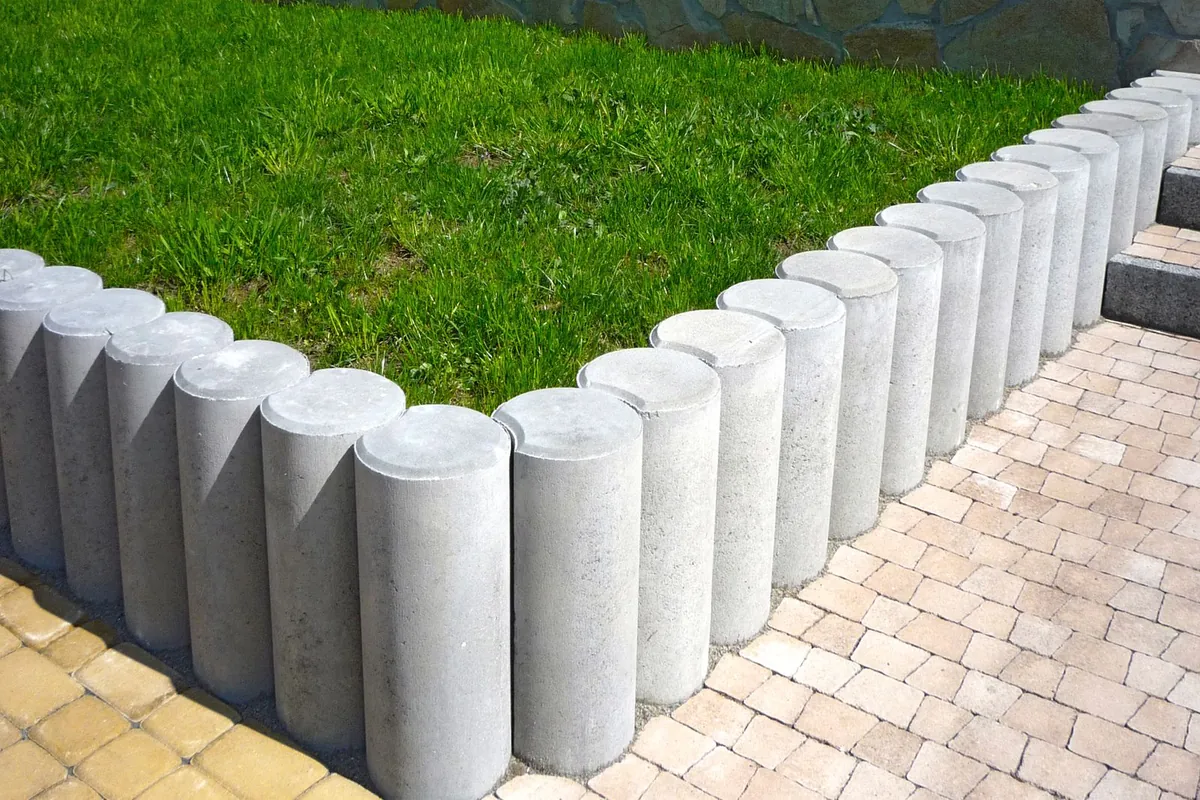
A light roll is also easier to handle where access is tight. Stairwells, lifts and narrow doors favour the 2 metre width, while a wide terrace suits 4 or 5 metres to cut seams. Review the roll formats and widths before you fix a layout, and ask about a custom width cut to your plan.
Pile Height and Density to Spec
Pile height decides how the turf reads and how it wears. Most balconies suit a 20 to 30 mm pile: short enough to resist flattening under chairs, tall enough to look like grass. Lounge decks that see little traffic can take the higher end of that band.
Density is what keeps blades upright. Balcony turf with over 18,000 stitches per square metre holds its shape when viewed from above, which is exactly how a balcony is seen. Match the density to the traffic, not to the showroom sample.
The ultimate buyers guide ranks pile height first because it drives every later choice. The table below maps a few common small-area uses to a sensible starting spec.
| Use | Pile height | Density note | Best fibre |
|---|---|---|---|
| Balcony, pets, daily use | 20 to 25 mm | High stitch count | Polyethylene blend |
| Balcony, compact, low traffic | 20 to 30 mm | Works best on compact terraces | Polyethylene |
| Decorative lounge deck | 30 to 35 mm | Softer, fuller look | Polyethylene |
| Patio with furniture | 32 to 44 mm | 70 oz per sq yd or more | Polyethylene |
| Vertical green wall | 10 to 25 mm | Drainage and UV backing | Polyethylene |
| Pool surround | Low, dense pile | Dense, drain-fast | Polyethylene |
Backing, UV Resistance and Safety
The backing is the part you never see but always rely on. PP+Net and PU backings are the two choices, and a perforated coating keeps fibres locked while water passes through. Pick the backing for drainage first, then for the surface below. Choose the backing before the artificial turf installation so drainage is set first.

UV stability matters more on a rooftop than in a garden. A UV-stable blade holds its colour through hot summers instead of greying by year two, so ask for it by name on any exposed deck.
Safety is simple: turf made from polyethylene is non-toxic and allergen-free, with no need for herbicide or fertiliser near where you sit. Rinse pet areas with water and the surface stays clean for bare feet and play.
Cleaning and Ongoing Upkeep Routine
Upkeep on a balcony is a few minutes a week, not a weekend of work. Rinse dust and pollen off with a hose, then brush the pile upright with a stiff broom so fibres do not mat after furniture moves.
Spot-clean spills with mild soap and water, and clear leaves before they trap moisture against the deck. Small areas clean fast, so a quick pass keeps the whole patio fresh. Our sample squares let you test a colour in your own light before you commit.
| Sample spec | Detail |
|---|---|
| Sample size | 20 by 20 cm |
| Pieces per set | 3 to 4 pieces |
| Transit time | 4 to 6 days by DHL or FedEx |
- Weekly: rinse dust and brush the pile upright.
- After storms: check the drain and clear any debris.
- Monthly: lift furniture and brush the worn spots.
- Seasonally: inspect edges and re-secure any lifted corner.
Building Rules Tenants Should Check
Renters move first by reading the lease. Some buildings forbid permanent adhesive or any change to the deck, which points you to a reversible, weighted install you can remove without a trace. Confirm the rule before you buy the roll.
The ultimate buyers guide flags building rules early because they shape the method, not just the product. Open balconies face more wind and rain and need firmer edge security; enclosed ones install faster and tolerate a plusher pile. Match the plan to the space.
Homeowners still check with the body corporate on rooftops, where fire and load rules can apply. A five-minute call avoids a finished deck you have to undo. Keep the install non-invasive unless the building says otherwise.
Match the Roll to Your Space
Struggling to Match Roll Width to a Narrow Balcony?
Off-the-shelf widths waste money and leave seams on a small deck. We cut rolls to your exact balcony dimensions, factory-direct, typically 30–50% below market on like-for-like specifications.
Common Patio and Balcony Mistakes
Most failures repeat the same handful of errors. Avoid the list below and a small install stays tidy for years instead of months.
Buying by Look Alone Flattens the Pile
A tall pile reads lush in the showroom but bends flat under a chair after one weekend. Match the pile height to the traffic so the surface keeps its shape.
A Closed Backing Traps Water and Smells
A non-perforated backing holds rain and a hose-down, which turns into a smelly puddle on a balcony. Pick a perforated backing so water drains straight through to the drain below.
Skipping the Slope Lets Rain Pool Under Turf
A flat deck holds water under the roll after every storm. Give the surface a 1 to 2 percent fall toward the drain so rain runs off instead of pooling.
Loose Edges Lift in Wind on Open Roofs
An unsecured edge peels up on the first gust and ruins a tidy install. Anchor the perimeter with adhesive, tape or weight before the wind finds the corner.
The Wrong Roll Width Wastes Money on Offcut
A width that overshoots the balcony leaves offcut you pay for and a seam you see. Match the roll to the space, or ask for a custom width cut to your plan.
Skipping Building Rules Risks a Costly Reversal
Some buildings ban drilling or permanent adhesive, which blocks the method you picked. Confirm the load and fixing rules with the building before you buy the roll.
Quick Spec Checklist for Small Areas
The ultimate buyers guide closes with a checklist you can carry to the order. Work it top to bottom and the spec writes itself.
Confirm the Allowable Live Load First
The allowable live load decides what the floor can hold. Confirm the figure with your building manager or a structural engineer before you buy the roll.
Pick a Perforated Backing and a Real Slope
A perforated backing lets rainfall pass through, and a 1 to 2 percent fall sends it to the drain. Together they stop puddles under the turf after a storm.
Secure the Edges Without Drilling If Banned
Anchor the perimeter with adhesive, double-sided tape or weight you already own. Skip drilling unless the building allows it, so the install stays reversible.
Match the Roll Width to the Balcony
A roll that fits the width leaves one seam and almost no offcut. Measure the space first, or ask for a custom width cut to your exact plan.
Spec a 20 to 30 mm Pile for Most Balconies
Most balconies suit a 20 to 30 mm pile that resists flattening under chairs and still reads as grass. Lounge decks that see little traffic can take a 30 to 35 mm pile.
Require UV-Stable Polyethylene for Exposed Decks
An exposed deck sees hot sun that fades a weak blade by year two. Require UV-stable polyethylene so the colour holds and the surface stays safe for bare feet.
Plan a Reversible Install If You Rent
Renters should choose a method they can lift away without a trace. Keep written proof of the building rules so the install passes a move-out check.
Keep the ultimate buyers guide checklist by the door, and the small green room you build will stay soft, dry and seam-free through every season. Request squares in your own light before you commit to a full roll.
Frequently Asked Questions
Can I put fake grass on a rented balcony?
Yes, with non-invasive methods. Use perimeter adhesive, double-sided tape or weighted edging instead of drilling, and choose a roll you can lift away when the lease ends. Check your tenancy terms first.
How much weight does artificial grass add to a balcony?
Very little on its own. Rolls are light, but the load that matters is the total of turf, furniture and planters. Confirm the allowable live load with your building manager before you buy.
Does fake grass need drainage holes on a patio?
Yes. A perforated backing lets rainfall and hose water pass straight through to the existing drain. Pair it with a slight slope toward the outlet so puddles never form under the turf.
What pile height works best on a balcony?
Short to mid pile. Most balconies suit a 20 to 30 mm pile: low enough to resist flattening under furniture, tall enough to read as grass. Lounge decks can take the higher end of that band.
Will wind lift artificial grass on a rooftop?
It can on exposed roofs. Anchor the edges with perimeter adhesive and weigh them with furniture or planters, then leave a small expansion gap so the surface breathes as temperatures change.
How do I clean artificial grass on a balcony?
Rinse with a hose to clear dust, then brush the pile upright with a stiff broom. Spot-clean spills with mild soap and water. A few minutes a week keeps a small balcony looking fresh.


 English
  Arabic
  French
  German
  Portuguese
  Russian
  Spanish