
Most buyers spend weeks comparing turf products and minutes reading the ground the turf will sit on. That order is backwards. When a synthetic lawn disappoints, the fault usually sits below the surface: water with nowhere to go, a base that settles, or a shaded corner that never dries.
We build artificial grass rolls on our own line, so the questions that decide whether a lawn works reach our bench long before any order is placed. The checks to make before installing artificial grass are the same for a courtyard and a full yard: area, ground, drainage, sunlight and use. Walk them in that order, and the product almost chooses itself.
Why the Site Outweighs the Grass You Choose
Installers repeat one observation because it is true: preparation determines how the finished lawn performs and how long it lasts. A poorly prepared site is the root cause of the vast majority of artificial grass problems, from uneven surfaces and drainage failures to premature base settlement. Drainage alone ranks as the number one cause of complaints after installation. Preparation is the part of an artificial turf installation that no product photo ever shows.
The product still matters, but it ranks second. A modest roll over a well-graded, well-compacted base outperforms a premium roll laid over rubble. That is why the walk-through comes before the specification, and why the specification should change once the site has spoken.
One check belongs at the very start: local rules. Some councils and homeowner associations restrict synthetic lawns or require approval, and a short call to the authority costs nothing compared with a delivery that cannot be installed.
Measure the Area and Choose Roll Width
Before installing artificial grass, measure each section of the lawn separately rather than trusting one total square figure, and note every obstacle and curve as you go. Irregular outlines eat material; straight rectangles do not. The layout you draw now is the layout the seams will follow later.
Rolls come in standard widths of 2 m, 4 m and 5 m, all 25 m long, and the width sets the seam count. A 2 m roll covers 50 m² of straight run, a 4 m roll covers 100 m² and a 5 m roll covers 125 m². On a yard 6 m wide, two 4 m strips leave no seam, while a single 5 m roll leaves a 1 m strip to fill from offcuts. That arithmetic belongs on the sketch, not at delivery.
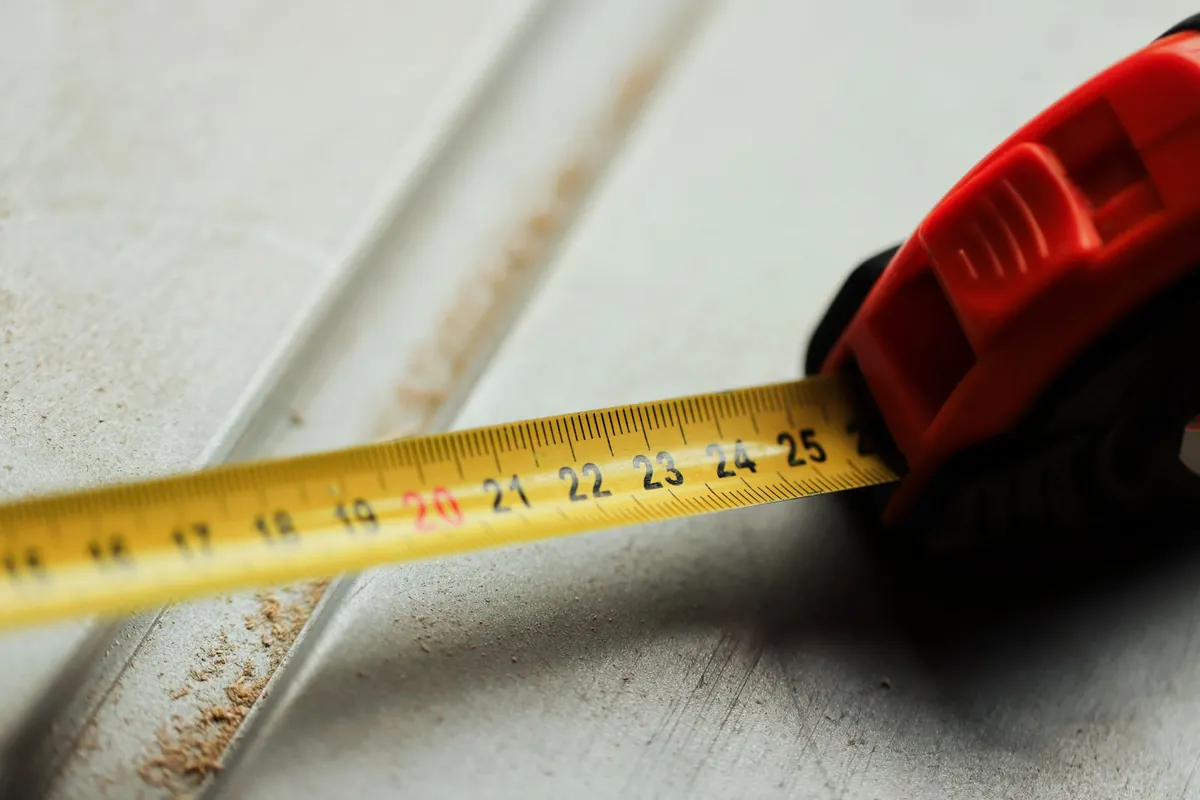
Two layout rules travel with the sketch. Seams should run perpendicular to the main route of travel, so feet cross the join rather than run along it. Every piece must also keep the same grain direction, because a reversed roll shows up as a visible colour change in daylight.
| Roll width | Coverage per 25 m roll | Best fit | Seam behaviour |
|---|---|---|---|
| 2 m | 50 m² | Small areas, side passages, balconies | More seams, easiest handling |
| 4 m | 100 m² | Most residential layouts | One seam on wider yards |
| 5 m | 125 m² | Large open areas | Fewest seams, heaviest to handle |
Where a standard width fights the layout, a different cut is normal production rather than a workaround. Review the roll formats and widths before you fix the plan.
Read the Ground: Base, Slope and Drainage
Synthetic turf is permeable, but the base beneath it decides where the water goes. A base that is not graded, or that sits on heavy clay, will pool water no matter how fast the backing drains. Quality backings report permeability of 30 to 100 inches per hour, yet the system only drains as fast as its slowest layer. The base is where an artificial turf installation either fails early or lasts for years.
A few numbers travel well between quotes. A residential dig usually reaches about 100–120 mm below the finished level. The base is 80–100 mm of compacted crushed rock topped with 15–20 mm of fines, and the finished surface falls 1 to 2 percent toward an outlet. On clay soils or dead-flat yards, perforated drains beneath the aggregate give the water an engineered path out.
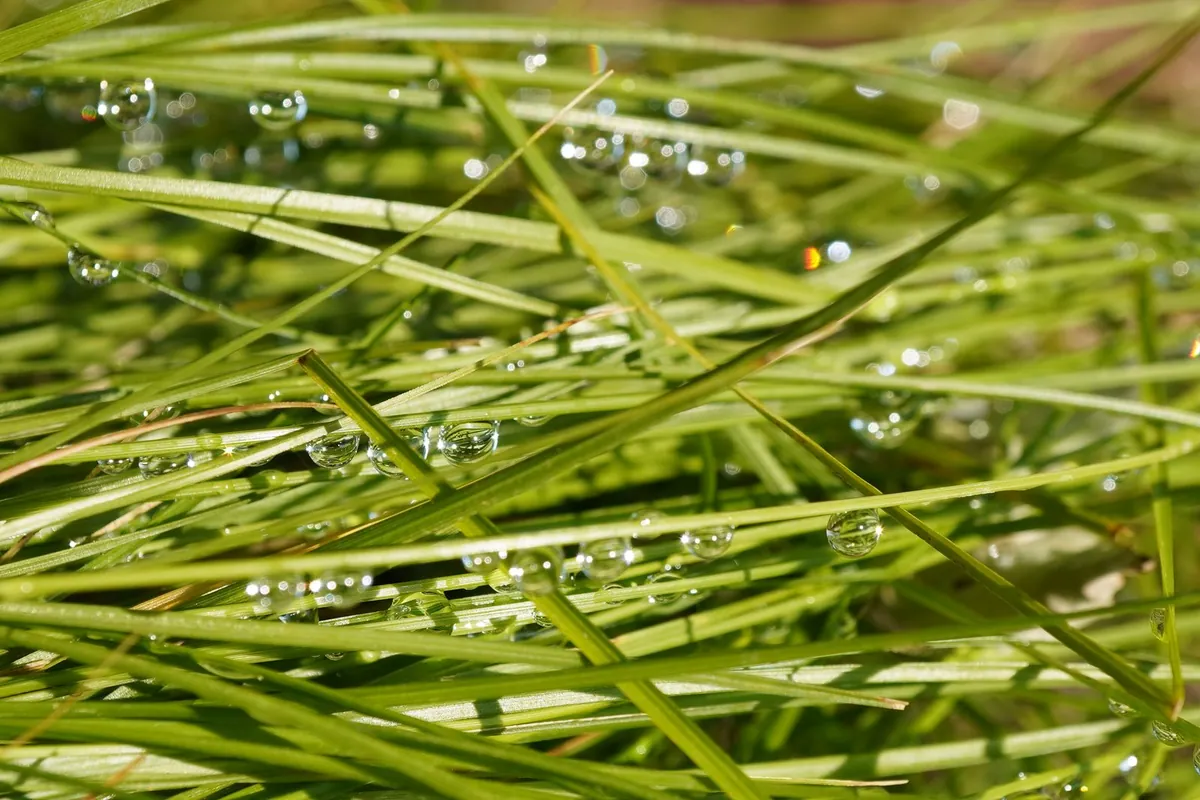
Clay deserves its own line on the checklist. It holds water, then swells and shrinks with the seasons, so it needs a more demanding base and drainage approach than sand or loam. A handful of damp soil that squeezes into a smooth, plastic ball is telling you what to plan for.
Compaction is the other quiet decider. The stone goes down in multiple passes with a plate compactor. Soft spots get cut out and rebuilt rather than topped up, because a base that settles later shows through the turf as a dip.
Flatness and Hard Surfaces Change the Job
The finished base should feel firm underfoot, with no soft spots, and read level under a long straight edge before the turf goes down. Anything organic left beneath the surface — roots, lawn, weeds — rots and settles, and the lawn above it dips.
Four ground types, four different jobs. The table sets out what each surface needs before the roll arrives.
| Ground under the turf | Base to build | Drainage and fixing note |
|---|---|---|
| Soil or an old lawn | Strip the organic layer, lay a weed membrane, then build 80–100 mm of compacted crushed rock topped with 15–20 mm of fines | Compact in several passes so the base cannot settle, and hold a 1 to 2 percent fall toward an outlet |
| Concrete or a balcony | No dig; the turf goes straight onto the hard surface | Drainage holes and a fixing method are still required |
| A roof | Fully permeable backing laid on a drainage mat | Confirm the roof drain can carry the flow before any base work starts |
| Freeze-thaw ground | A base compacted enough to resist heaving | The backing must stay flexible below zero |
The acceptance test is the same in every case. Stand on it, walk it, and look along a straight edge: what is wrong now will still be wrong under the roll. That walk is the cheapest insurance an artificial turf installation can buy.
Judge Sun, Heat and Shade Honestly
Heat is the honest one. In full desert sun, turf blades can exceed 150 °F. UV-stabilized fibres and heat-dissipating infills such as coated sand or cork keep surface temperatures down, and planning use around the cooler hours costs nothing.
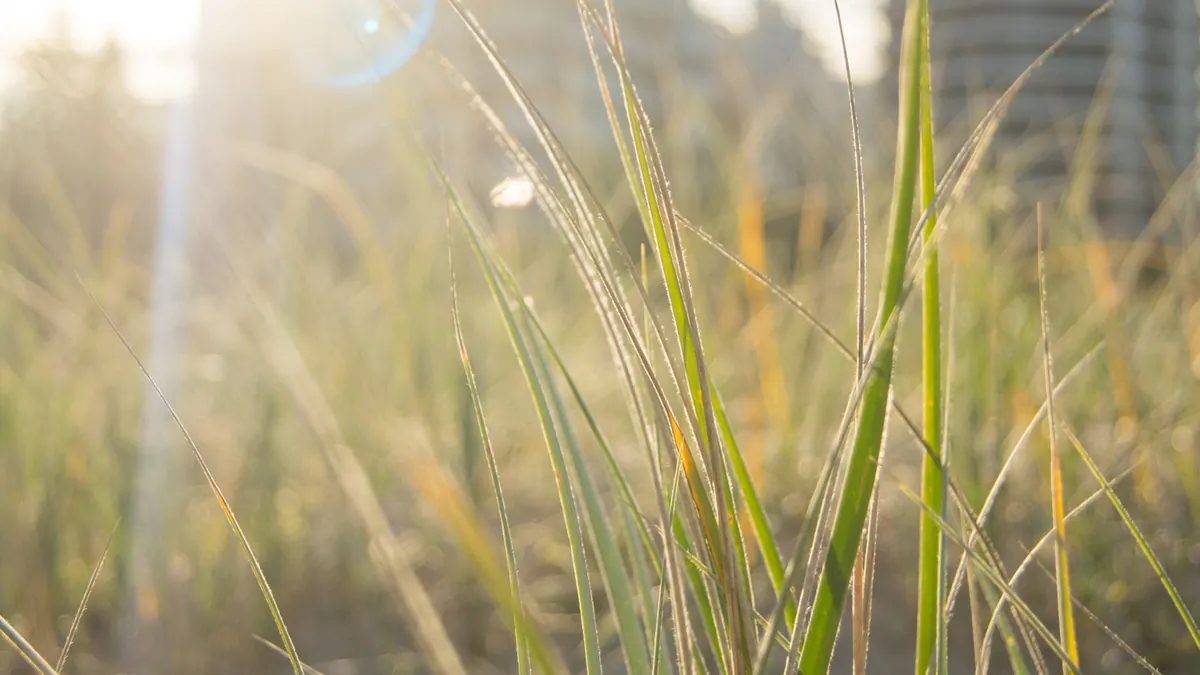
Shade runs the other way, and it is the condition most often ignored before installing artificial grass. Algae and moss colonise synthetic turf in shaded, damp or poorly drained corners, fed by moisture, organic debris and still air. A wall-side strip that never sees sun is a high-maintenance spot whatever the product sheet says.
The check is simple: stand where the lawn will go and count the hours of direct sun. Full sun answers one set of questions, and full shade answers a different, more expensive one.
Match Pile and Drainage to Pets and Kids
Use decides specification before aesthetics do. Short pile suits heavy foot traffic; taller pile looks lusher under light use. A dog run wants maximum drainage through the backing and a rinse routine, while a play lawn wants a resilient face over a stable base. A pet-friendly artificial turf installation lives or dies on that drainage and rinse plan.
Pet areas push drainage from a feature to a requirement. Pet-oriented lawns add enhanced drainage and antimicrobial treatment, and a regular rinse keeps odours out of the pile. If the site pools today, sort the water first, or the same puddle returns on top of the new surface.

Children add two more lines to the brief: fibre resilience under repeated falls, and a surface temperature you can live with in summer. Where the lawn also takes playground traffic, compare the parameters against playground turf as well as residential artificial grass, then lock the spec before pricing anything.
The Conditions Where Turf Is the Wrong Answer
Some sites should not get turf yet, and a few should not get it at all. The honest test to run before installing artificial grass is what the site does with water, sun and debris — the three things a roll cannot fix by itself.
Water That Stands for Days After Rain
When water still sits on the ground days after rain, the site is not ready. A roll cannot rescue an artificial turf installation whose base sheds nothing, and the puddle returns on top of the new surface. Add drains or regrade to a 1 to 2 percent fall first.
Ground That Stays Shaded and Damp All Year
Damp shade is the condition most often missed before installing artificial grass. Moss and algae take hold where moisture, debris and still air meet, and the corner stays slick. Expect real maintenance, or choose another surface there.
Overhanging Trees and Heavy Leaf Fall
Leaf fall is manageable, but it has to be budgeted. Debris feeds the same moss and algae that shade encourages. Trim the canopy and plan regular clearing instead of assuming the lawn looks after itself.
A Roof With Unverified Drain Capacity
A roof is where the answer should be stop until the capacity is proven. Confirm what the drain can carry and how the mat sits under a permeable backing. Unproven capacity leaves the load with nowhere to go.
A Slope With No Outlet for Runoff
A slope only helps if the water has somewhere to land. Establish the fall and a real outlet before materials are ordered, because even 1/8 inch per foot needs a destination. Runoff otherwise pools at the bottom.
Firm, sunlit, free-draining ground is the easy verdict, and it goes straight to specification. None of these verdicts is about the product. They are about the site, and sites can change — drains laid, falls cut, canopies lifted. What cannot change is the physics after the roll is down.
How Long the Surface Lasts and Where Budget Goes
Commercial artificial grass carries a service life of up to 10 to 15 years, and preparation decides where inside that band a lawn lands. An artificial turf installation over a base that drains, stays compacted and sits in reasonable light finishes near the top of the range. Standing water, year-round shade or stone never compacted will not. The roll is also only one line in the budget. Excavation, aggregate, membrane and drainage are fixed long before the turf is laid, so settle roll width, pile height, density and backing in writing before quotes are compared.
Turn the Site Survey Into a Specification
By now the walk-through has produced numbers: section sizes, a fall, an outlet, sun hours and a use profile. Turn them into a written specification — pile height, density, backing, roll width and seam plan — and the pricing conversation shortens to one round instead of three. The written spec is what protects an artificial turf installation from guesswork.
Still Collecting Quotes Without a Fixed Roll Spec?
Spec drift re-opens quotes and puts seams where feet find them. We build rolls to your stated pile, density and backing. Factory-direct, typically 30–50% below market on like-for-like specifications.
Check a Sample Square Before You Commit
Numbers on a screen flatten everything; a sample square does not. Request free 20 cm × 20 cm samples, usually three or four pieces, and they travel by DHL or FedEx in 4 to 6 days. Lay them where the lawn will go, and look at them at the hour you actually plan to use the garden.
Check three things against the specification: fibre colour in daylight, the feel of the pile underfoot, and how quickly the sample sheds a cup of water. A free sample request is the fastest way to run all three.
A Final Walk-Through Before the Rolls Arrive
Delivery day goes smoothly when the checklist has already been walked once more. These are the five checks that matter most before installing artificial grass.
Recheck Section Measurements Against the Sketch
Take the sketch back to the site and measure every section again, obstacles and curves included. A number that moved during ground works changes the cut, and a piece cut short cannot be joined back.
Confirm the Fall Still Reaches the Outlet
Water has to find the outlet after the base is finished, not only on the plan. Check where runoff actually goes; a low point that holds water now will hold it under the turf too.
Test the Base for Firmness and Soft Spots
Walk the finished base, press a heel into it, and read it against a long straight edge. A soft spot means the stone was never compacted, and the surface above it will dip within a season or two.
Mark Grain Direction the Same on Every Piece
Grain direction belongs on the plan before the first cut. Two pieces laid in opposite directions show as a colour change in daylight, and the join becomes the most visible line on the lawn.
Walk the Delivery Route With the Roll Widths
A 5 m roll has to reach the far corner, not just the kerb. Check gates, path widths, steps and low branches first; where access is tight, a narrower roll or a custom cut solves it early.
Where a standard width fights the layout, the cut can be different. Custom roll widths and stated parameters are a normal production brief for us, not a favour.
Before installing artificial grass, the site has already voted on drainage, heat, seams and specification. Read that vote first, write it down, and the roll that follows is the easy part.
Frequently Asked Questions
How wide is a standard artificial grass roll?
Standard rolls come in 2 m, 4 m and 5 m widths, all 25 m long. A 2 m roll covers 50 m², a 4 m roll 100 m² and a 5 m roll 125 m², and custom widths are tailor-made.
How level does the ground need to be?
Firm and level. The finished base should show no soft spots and read flat under a long straight edge, because organic matter left below settles into visible dips within a season or two.
What slope does an artificial lawn need?
A minimum fall of 1 to 2 percent toward a drainage point. Flat or clay-heavy sites also benefit from perforated drains beneath the base aggregate.
Can artificial grass go over concrete?
Yes. Turf can be laid directly on a hard surface, but it still needs drainage holes and a fixing method; on roofs, confirm the drain capacity first.
Does artificial grass get hotter than real grass?
Yes, in direct sun. In full desert sun blades can exceed 150 °F, so plan rinsing, shade or cooler-hours use for children and pets.
How do turf samples arrive?
Free samples are 20 cm by 20 cm, usually three or four pieces, delivered by DHL or FedEx in 4 to 6 days; remote areas take 7 to 9 days.
 English
  Arabic
  French
  German
  Portuguese
  Russian
  Spanish