

Quoting season has a way of exposing budgets. An estimator prices the roll, the base rock and the crew, and then the infill line lands quietly at the bottom of the sheet. It looks small next to the roll price. It never closes, because granules compact, migrate and wash out for as long as the field stands.
We see the same pattern from the maker’s side of the roll: the fill bill, not the carpet, is the line that keeps billing. The case for non-infill turf infill cost savings starts there. An unfilled system moves the performance into yarn density and backing structure, and removes a purchase that repeats for the life of the surface. The honest version has three parts: what fill costs per published figures, why the line repeats, and what an unfilled system still cannot do.
Why Infill Is a Recurring Line Item
Almost every artificial turf installation that carries granules buys them twice: once at install, then again every season after. Sand settles and hardens under foot traffic. Rubber crumb breaks down, splashes out of the high-wear zones and washes toward the drains.
How that drift shows up is familiar to anyone who runs a field. Thin granule layers let fibres lie flat in the goalmouth and harden after a dry week. The surface does not fail; it drifts. Budgets feel that drift as grooming hours and fill purchases, not as one dramatic repair.
Installer guidance treats infill as its own cost line for this reason. One published installation breakdown lists infill material at $0.50 to $1.50 per square foot, separate from the turf roll, the base and the labor. It is the only line on the sheet that buys a consumable. The roll is bought once; the fill is bought on a schedule.
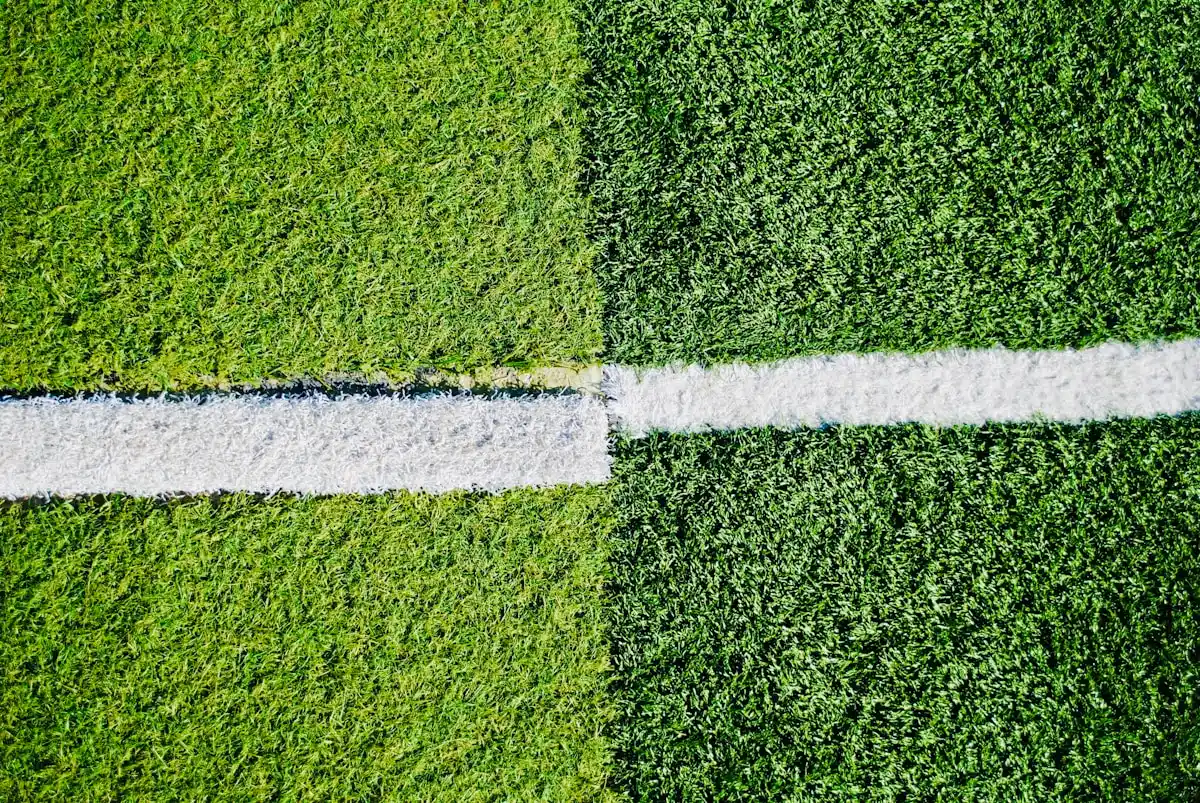
Once granules sit on a surface, they start moving. Foot traffic presses them down, rain carries the fines away, and pets or maintenance carts scoop them out of thin spots. A non-infill manufacturer’s published analysis treats that as a recurring bill: filled turf needs frequent replenishment of sand and rubber granules, which carries an additional annual cost. Every artificial turf installation that carries granules inherits that schedule, whether the surface is a pet run or a training field.
The difference is structural, not cosmetic. A filled field leans on outside material for stack, cushioning and blade support, so part of its performance budget walks off site every season. An unfilled carpet carries those jobs in the yarn profile and the backing instead, which is why its roll price runs higher and its consumable bill does not exist.
What Published Infill Prices Actually Show
Fill pricing is public, and it swings by type. Per published installer figures, silica sand runs $0.50 to $1.00 per square foot and is the budget default for general landscaping. Crumb rubber, the sports choice for cushioning, lists at $0.75 to $1.25 per square foot.
Ranges, not single prices, are the honest unit here, because fill is a commodity and commodity prices move with region, freight and volume. A published range survives being quoted six months later. A single number does not, which is why every figure in this piece is carried with its band.
Premium fills climb from there. Zeolite, used for odor control in pet areas, lists at $1.00 to $1.50 per square foot. Envirofill, a coated antimicrobial sand, runs $1.00 to $2.00 on the same installer guidance. Another published 2026 guide lists organic cork and coconut fills at $1.50 to $2.50 per square foot for cooler surfaces.
| Infill type | Published range per sq ft | Typical use |
|---|---|---|
| Silica sand | $0.50 – $1.00 | General landscaping |
| Crumb rubber | $0.75 – $1.25 | Sports fields and playgrounds |
| Zeolite | $1.00 – $1.50 | Pet areas, odor control |
| Envirofill (coated sand) | $1.00 – $2.00 | Antimicrobial applications |
| Organic (cork, coconut) | $1.50 – $2.50 | Cooler surfaces, pet areas |
| Antimicrobial (pet) upcharge | +$0.50 – $1.00 | Pet systems, odor control |
Two independent guides disagree by pennies, not by multiples, which is what makes these ranges usable. The calculator guide spans $0.30 to $0.80 per square foot for silica sand, rising to $1.50 to $2.50 for organic fills. The installer breakdown centres the line item at $0.50 to $1.50. The US price guide puts it as high as $3.50 per square foot where turf density demands it.
Pet-grade systems add an antimicrobial upcharge on top of the base fill. The fill type a buyer picks matters more than the supplier they pick.
The spread matters for the savings case too. A pet run paying the top of the published band for odor-control fill removes a pricier line than a landscape lawn buying sand at the bottom. The upcharge rows stack: a pet lawn buying coated sand pays the base price plus the antimicrobial premium. Match the fill type to the site before you compare systems. Reviewing the roll formats and product specs first keeps the carpet side of the quote honest.
How Much Infill a Field Consumes
Volume is the multiplier behind every fill bill. Any artificial turf installation that uses granules carries roughly 1 to 2 pounds of fill per square foot, per published calculator guidance. A 1,000 square foot lawn therefore holds about 1,000 to 2,000 pounds of granules. A full-size field carries proportionally more.
Depth and area are the two numbers that turn a published range into a real bill, and both live in the buyer’s own documents. Neither is a supplier secret. A tape measure and the system drawing give the area, and the spec sheet states the depth the surface was sold with. Those two numbers are where non-infill turf infill cost savings get sized.
Weight matters twice. It is mass a buyer pays to freight alongside the roll, and mass someone has to spread, broom and level on site. A large artificial turf installation measures that fill in tonnes, not bags.

At the published silica range, refilling that 1,000 square foot surface costs roughly $500 to $1,000 per application; at the crumb rubber range, roughly $750 to $1,250. Those are single-application figures. Filled surfaces repeat them whenever levels drop below spec.
Area converts the ranges quickly. Playgrounds and lawns sit at the light end because their loads are thinner and their fill is mostly sand. Sports surfaces sit at the heavy end: deeper profiles, rubber over sand, and high-wear zones that shed material fastest. The heavier the profile, the more every published range is worth multiplying by.
Where Infill Money Goes Each Year
Annual infill spend is not one number; it is a stack of small ones. The table below splits the recurring lines that the published record and installer pages consistently describe. Where a figure is not published, the row stays qualitative on purpose. Read it as a budget map rather than a price list.
| Cost line | What drives it | How often | Basis |
|---|---|---|---|
| Initial fill load | 1 to 2 lbs per sq ft of depth across the area, priced by fill type | One-off at install | Published depth guidance |
| Top-up material | Granules compact, migrate and wash out below spec | Recurring, no fixed calendar | Published installer pages (qualitative) |
| Grooming labor | Redistribution, de-compaction and leveling of the fill profile | Recurring through the season | Published analyses (qualitative) |
| Cleaning and hygiene | Granule dust pollution that demands extra cleaning resources, plus grooming to fight compaction | Ongoing | Published cost analysis (qualitative) |
| Infill install step | Labor plus sub-base run 50 to 60 percent of total cost on landscape-grade jobs | One-off at install | Published calculator guidance |
No published source gives a fixed annual top-up calendar, because use intensity varies too much between a school field and a pet run. What the sources agree on is direction. Filled surfaces buy granules more than once, and each repeat carries material, labor and cleaning with it.
Frequency is the quiet variable in the stack. A top-up estimate needs an area, a depth and a published price, and every number in that sentence is checkable. What no guide prices honestly is the second-order effect: granule loss accelerates in the zones that are used hardest, so the surface pays most where it earns most.
That is why the non-infill turf infill cost savings question splits into four smaller ones: the initial load, the top-ups, the grooming hours, and the cleanup.
Grooming and Labor Behind Filled Systems
On an artificial turf installation, granules never stay exactly where the crew spread them. A non-infill manufacturer’s published analysis describes compaction, migration and loss on filled fields requiring regular grooming or resurfacing. Redistribution, de-compaction and topping up are labor, not materials, and labor recurs every month the surface is used.
The install step carries the same character. Infill application is a second installation pass of its own, and published calculator guidance puts labor plus sub-base at 50 to 60 percent of a landscape-grade total. On an artificial turf installation, that pass is the one an unfilled roll removes outright. Anything that adds site hours adds real money.
Equipment is part of the labor story too. Spreading rigs, power brooms and top-dressing attachments are not tools a general groundskeeper keeps on hand for other work. Filled fields either rent the gear, hire the service, or accept the compaction that follows when neither happens.
An unfilled system deletes the spreading step entirely. The roll goes down like carpet, seamed and fixed, with no spreaders or brooms on the schedule. A non-infill manufacturer’s published analysis puts the difference in upkeep terms: routine care for an unfilled surface is limited to sweeping or blowing away debris.
What replaces that calendar on an unfilled surface is shorter and cheaper. Sweeping or blowing off debris, a rinse where dust builds up, and an occasional brush to lift the pile cover the published upkeep list. None of it needs granules, and none of it schedules a top-dressing visit.
When Non-Infill Turf Pays Back Faster
Non-infill turf infill cost savings are not a discount on the roll. Dense, resilient yarns and reinforced backings usually raise the carpet price. The savings sit in the lines the surface stops generating: no granules to buy again, no top-up crew, no migrated sand in the drains and doorways.
The math lands best where fill is expensive and use is heavy. Pet areas buying antimicrobial or zeolite fills at the top of the published ranges save the whole line every year. Playgrounds and training areas cut the grooming calendar with it. Rooftops and pool surrounds add the cleanup savings, because there is no sand to track through a lobby.
Payback windows follow the use calendar, not the invoice. A municipal dog park that groomed on a schedule and refilled by the calendar collects the savings faster than a decorative lawn that never needed a top-up at all. Non-infill turf infill cost savings collect fastest on surfaces that never stop being used.
Sports use is the boundary case. Landscaping, pet runs, playground surrounds and light training run unfilled comfortably. Full-size match play usually still specifies an infilled, impact-tested system, and that trade-off deserves its own section below.
Specifying for it follows use, not fashion. Higher stitch rates and resilient yarn shapes carry the load where traffic is constant, while lighter profiles suit decorative areas that never see a boot. The pile stands because of the carpet, so the carpet has to be specified for the job it inherits.
Watching Infill Quotes Eat Your Margin?
One specification rarely covers every zone. Give us the traffic, the climate and the dimensions, and we tuft to those figures before production runs.
Mistakes Buyers Make Comparing Infill Costs
Three mistakes separate a real non-infill turf infill cost savings figure from a wish. Each one shows up whenever quotes for an artificial turf installation arrive as bare system numbers. The published record makes all three avoidable. Each mistake has a published antidote, which is why the ranges above belong in the tender pack.
Quoting the Roll Without the Infill Line
A per-square-metre turf price and a per-square-foot infill price do not add up on sight, so estimators drop the second line and compare carpets instead. The published installation breakdown treats infill as its own line at $0.50 to $1.50 per square foot for a reason. The published line exists precisely so this mistake is easy to catch. Compare system quotes against system quotes, and the fill line stays visible.
Assuming the Cheapest Fill Is the Cheapest System
Silica sand anchors the bottom of the published range, but pet runs buy zeolite for odor and playgrounds buy coated or organic fills for hygiene. Per the same calculator guide, fill types run from $0.30 to $0.80 per square foot for silica sand up to $1.50 to $2.50 for organic cork and coconut. The fill choice can move a total more than the supplier choice, so price the type first.
Counting Materials and Forgetting Cleanup
Granules travel. The published cost analysis flags dust pollution that demands extra cleaning resources. The result is cleaning hours and deodorizer spend that never appear on a turf quote. The cleaning bill traces back to the same root cause, because granules migrate and compact, which is why the published record keeps grooming and resurfacing on the calendar. It is also the line an unfilled system shrinks the most, so budget for it before the comparison flatters the filled system.
Where Non-Infill Systems Still Fall Short
Non-infill turf infill cost savings come with a bill of limits, and the first is impact safety. In a filled field, part of the cushioning lives in the granule layer. An unfilled surface must get its give from yarn geometry and, where the brief requires it, an underlayer. That is why full-size match play rarely runs unfilled.

Heat is the second limit, and it cuts both ways. Published calculator guidance notes that organic fills such as cork and coconut run cooler in summer, which is partly why pet areas pay extra for them. Dense dark yarn in direct summer sun still runs hot, whichever system sits on the base. Light-coloured or low-use areas change the picture, so measure the site rather than assuming the worst.
Upfront cost is the third limit. Non-infill products sit at the dense end of the carpet market, and the payback math only closes over years of avoided top-ups. Buyers who relocate or rebuild a surface every two seasons will not collect the savings.
Drainage is the fourth limit, and it is a design question rather than a product question. Filled profiles hold water in the granule layer until it drains through; unfilled carpets rely entirely on their perforated backing and the base below. Either way, the base decides, so the inspection checklist looks similar on both sides.
Material scrutiny applies to the comparison as well. The federal research program on recycled tire crumb found chemicals present in tire crumb. For many chemicals detected during active play at outdoor fields, concentrations in air were not different from background samples. It is public reading for anyone weighing fill against no fill.
Checklist for Costing a Non-Infill Project
Costing an artificial turf installation takes four steps, and the published record supports each one. Run them in order and the filled-versus-unfilled comparison stops being a matter of taste.
Convert Depth Into Tonnage First
Take the published depth of 1 to 2 pounds per square foot, multiply by the measured area, and hold the result next to the freight quote. On 1,000 square feet that is 1,000 to 2,000 pounds of granules that a filled system ships, spreads and eventually replaces. Write the tonnage into the tender so bidders cannot hide the fill line.
Price Each Infill Type Against Published Ranges
Pull the published range per type and score every quote against it. Silica sits at $0.50 to $1.00 per square foot, crumb rubber at $0.75 to $1.25, and zeolite or antimicrobial fills higher. A bid far below the published band is a spec question, not a bargain. Ranges also expose quotes that quietly assume the cheapest fill type. Note which guide each range comes from, so the comparison survives scrutiny.
Put Grooming Hours Into the Ten-Year View
List who brushes, redistributes and tops up the surface, and how often, using the site’s actual use hours. Labor is the line that never appears on a material quote, yet it compounds every season on a filled field. A filled surface and an unfilled one share this line item, so cost it for both.
Confirm Density and Backing Specs in Writing
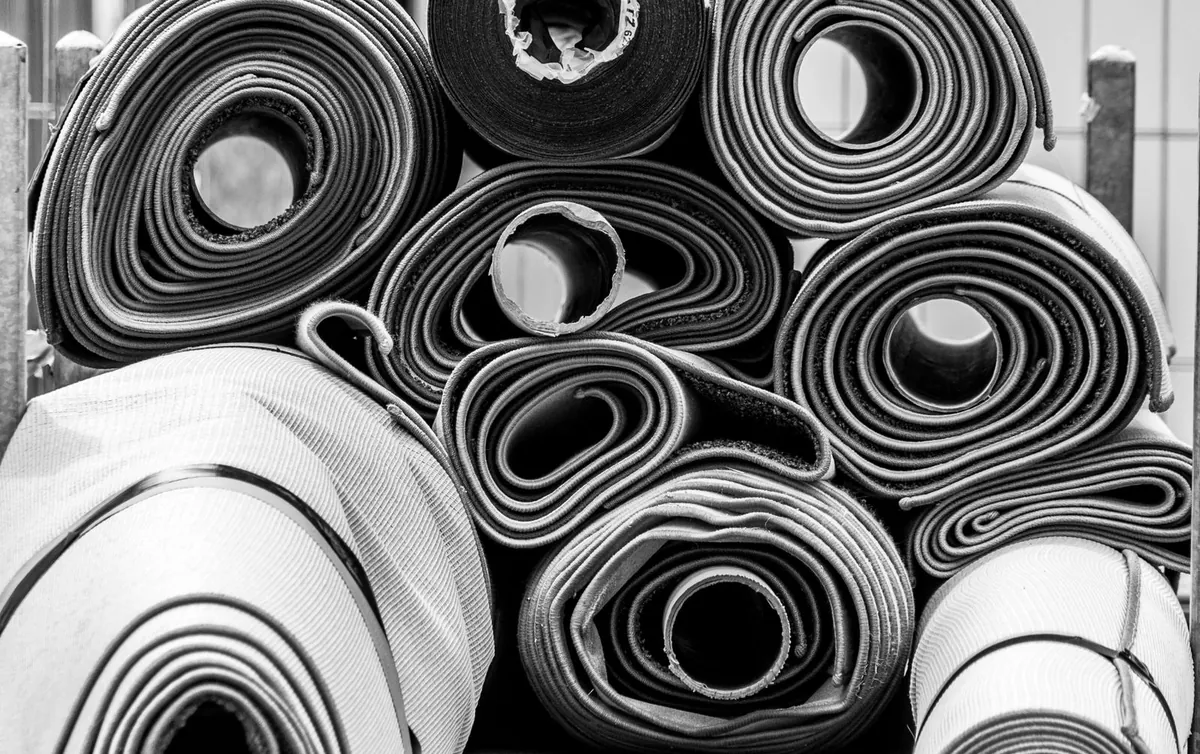
Unfilled performance lives in the carpet itself: stitch rate, pile height and a backing built to hold tuft lock without granule weight. Our line builds pile height, density, colour, backing composition and roll size to specification, so ask for those numbers in writing. A roll specced for unfilled use is not interchangeable with a filled-system carpet, so treat the two as different products. Then confirm the spec against your drawing and order a sample swatch before committing to a bulk run.
Run the four steps and the comparison answers itself. The non-infill turf infill cost savings case holds wherever fill repeats, and it fails wherever match play demands a filled, impact-tested system. Both outcomes are ordinary purchases here; the four steps decide which one a project belongs to. We build rolls for both and price them direct from the line that makes them.
Frequently Asked Questions
What does infill material cost per square foot?
Per published installer figures, silica sand runs $0.50 to $1.00 per square foot and crumb rubber $0.75 to $1.25. Premium antimicrobial fills run up to $2.00 — the base of any non-infill turf infill cost savings calculation.
How much infill does a typical artificial turf installation need?
Published calculator guidance puts typical depth at 1 to 2 pounds per square foot, so a 1,000 square foot lawn carries roughly 1,000 to 2,000 pounds of fill.
How often does infill need topping up?
There is no fixed calendar. Granules compact and migrate with use, so managers monitor depth in high-wear zones and top up whenever levels drop below spec.
Can non-infill turf handle sports use?
For landscaping, pet areas, playground surrounds and light training, yes. Full-size match play usually still calls for an infilled, impact-tested system, which is the honest trade-off.
Does non-infill turf cost more upfront?
Usually, yes. Dense resilient yarns and reinforced backings raise the roll price, and the return comes from removing recurring fill purchases, top-up labor and extra cleaning.
How do I check a turf roll before a bulk order?
Request the stitch rate, pile height and backing spec in writing, then order free 20 by 20 cm samples. They ship by DHL or FedEx in 4 to 6 days, with freight paid by the buyer.


 English
  Arabic
  French
  German
  Portuguese
  Russian
  Spanish