
Facility managers rarely ask how often artificial turf should be replaced because a calendar date arrives. They ask because a section has gone flat, a seam has lifted, or a budget line needs a number. The honest answer is not a single year — it is a decision chain built on use case, wear signals, and cost per year.
Our team treats replacement as planned maintenance, not a surprise. How often should artificial turf be replaced depends on traffic, backing, and climate more than on any printed interval. We build the window from warning signs, then price it before the surface fails.
What a Replacement Interval Baseline Looks Like
A sound baseline spans 6 to 25 years, but that wide band reflects application, not chance. Residential lawns sit at the top; heavily cleated sports fields sit at the bottom.
Our baseline answers how often should artificial turf be replaced only after the use case is known. Interval is not warranty either — coverage from any maker addresses defects, not install errors, pet damage, or normal abrasion.
Interval is also not first-install cost. True replacement adds removal, base rebuild, and disposal on top of the new roll. Our view is that the calendar alone never triggers a swap; we weight use intensity and early-wear signals before committing budget.
A baseline also assumes the surface was installed correctly. A poor base or loose seam shortens the real interval regardless of the printed number. We verify the substrate before we trust any year on paper.
We also separate the planning interval from the crisis interval. The planning interval is when you shop and budget; the crisis interval is when the surface fails and you pay a premium for speed.
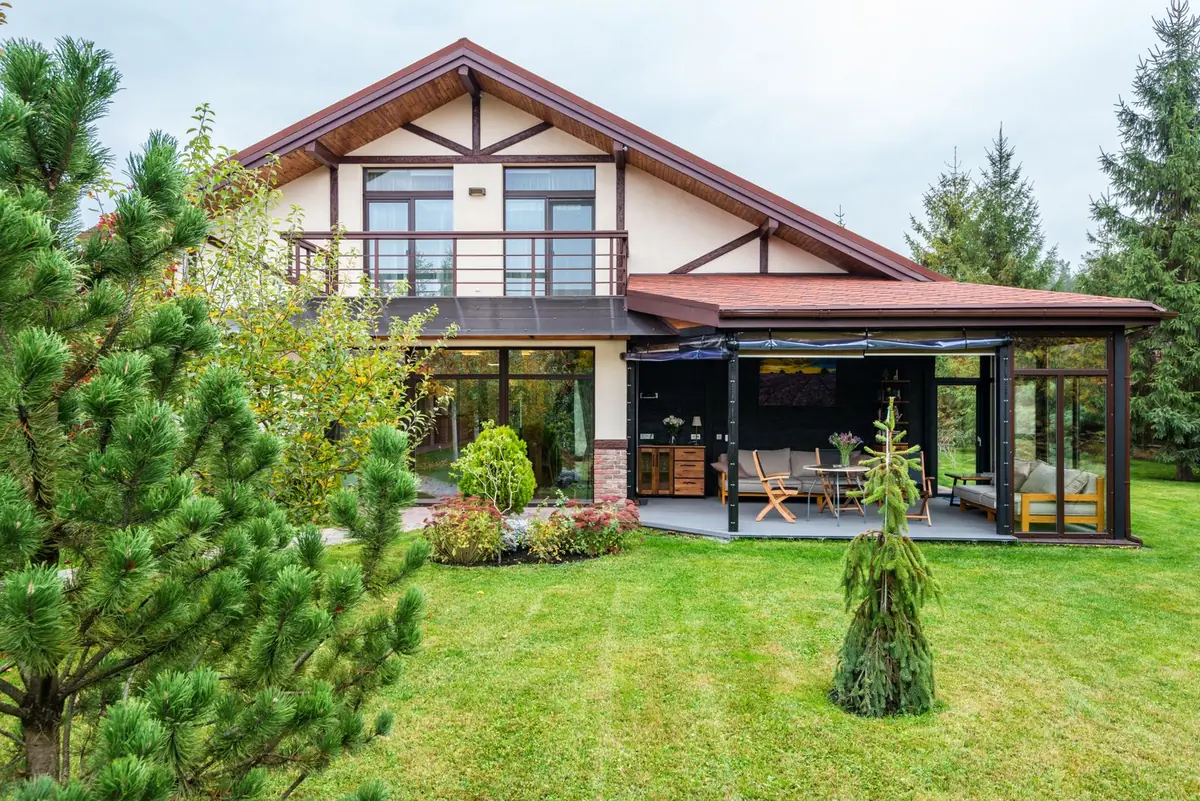
Replacement Intervals by Use Case
Most buyers ask how often should artificial turf be replaced, then stop at the year. We add the trigger that ends the interval, because two fields of the same age can demand opposite actions. Our full lifespan breakdown covers the underlying numbers.
Read the trigger column as your early-warning system. A landscape that still looks green but pools water after rain is already in its replacement window. Color is the last thing to fail, not the first.
| Use case | Interval | Trigger for replacement |
|---|---|---|
| Residential landscape | 10–15 years | Fiber flattening with no recovery after brushing |
| Backyard with pets | 8–15 years | Persistent odor or backing stain after cleaning |
| Commercial landscape | 8–15 years | Widespread thinning at entries and paths |
| Sports field or school | 6–10 years | Loss of pile height from cleat and slide load |
| Playground | 8–12 years | Falling impact attenuation at fall zones |
| Putting green | 10–15 years | Uneven roll speed across the surface |
The trigger column is the part most plans skip. A school field at year seven with heavy slide marks is closer to replacement than a quiet backyard at year twelve.
Commercial sites should revisit the table every spring. Foot traffic, tenant change, and weather all shift the trigger earlier than the printed age suggests.
Use the table as a checklist at each inspection, not a calendar on the wall. The interval tells you when to look; the trigger tells you when to act.
Eight Clear End-of-Life Warning Signs
We track eight signals on every inspection. One alone may justify a patch; three together usually means the clock has run out.
Photograph each sign with a date stamp as you find it. A dated record turns a vague feeling into a defensible budget request when the time comes to act.
- Fiber fraying or flattening that does not recover after brushing.
- Color fade from ultraviolet breakdown across the exposed face.
- Backing crack or crumbling, confirmed by lifting a corner.
- Seam failure or lifting edges that return after repeated repair.
- Drainage decline with standing water after normal rain.
- Infill compaction or measurable infill loss underfoot.
- Subsurface settle or soft spots from base movement.
- Odor that persists after cleaning in pet areas.
Do not wait for all eight at once. The signs arrive in pairs, and each pair is a milestone that moves the surface one step closer to its replacement window.
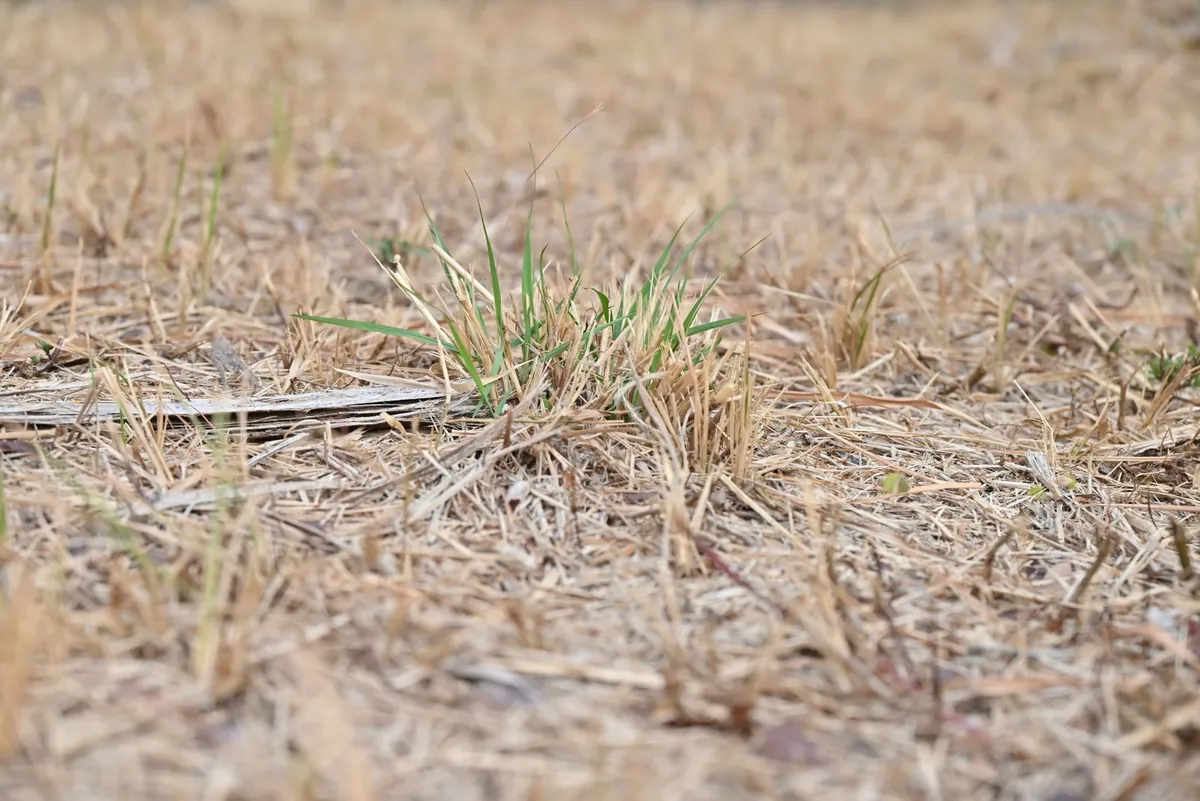
Repair vs Replace: A Threshold Matrix
Deciding repair versus replace is like servicing a fleet vehicle — past a threshold, another overhaul costs more than retirement. The matrix below turns that feel into numbers.
| Age position | Damage area | Action |
|---|---|---|
| First half of life | Under 10% | Local repair |
| Any age | 10–30% single signal | Section swap by roll or zone |
| Past mid-life | Over 30% with multiple signs | Full replacement |
Age past the halfway mark shifts the call toward replace at equal damage. We set the line at repair cost exceeding half of a new install — beyond that, replacement wins on reliability.
The matrix is a starting point, not a verdict. A single deep gash on a young field is cheap to patch, while faint but widespread thinning on an old one is not worth saving.
Keep a simple log of every repair with its cost and date. When those entries cross half the price of a new install, the matrix has already made the decision for you.
Backing Choice and Replacement Frequency
Backing governs how long the whole system survives moisture and load. The mapping below reflects common field outcomes rather than lab claims. For the base material science, see the synthetic turf construction overview.
| Backing | Wet-environment life | Interval | Advice |
|---|---|---|---|
| PP+Net | 7–10 years | Economy | Standard, dry sites only |
| PP+non-woven | 8–12 years | Moderate stress | General commercial use |
| PP+Grid cloth | 9–13 years | Sports-grade | Higher tensile demand |
| PU optional | 12–15 years | Wet sites required | Resists hydrolysis and tear |
In wet or freeze-thaw sites we specify PU backing because a wrong choice can pull replacement forward by two to three years. The backing is the part you cannot see and the first part to fail.
Specify the backing at the same time as the fiber, not after a failure. The two are one system, and the cheaper backing quietly sets the replacement date for the whole field.
Treat backing as a lifecycle decision, not a line-item discount. The few dollars saved on a cheaper backing are paid back as an earlier replacement and a second removal bill.
How Roll Width Drives the Repair-or-Replace Decision
Roll width decides seam count, and seam count decides failure points. On one school resurface we rolled a 5m width; one fewer seam meant one fewer failure point, and we deferred the next replacement by a year.
A 2m layout carries more seams, so repairs recur and the window shortens. A 4m roll is the common compromise most buyers choose. Custom width removes seams entirely at replacement, cutting later leak risk.
Our line plans the next cycle at install time — current width sets this period’s repair strategy and the next period’s spec. The decision you make on day one is still paying or costing you at year eight.
Width also changes freight and handling on a replacement job. A 5m roll needs heavier equipment but fewer joins, so the crew spends less time on seams that later become failure points.
For a distributor or contractor, standardizing on one width simplifies both stock and replacement. A consistent 4m or 5m spec means faster matching and fewer custom joins down the line.
The same logic applies to repairs. A wide roll patch blends better and holds longer than a narrow strip, so width choice at install time keeps future fixes cheaper and cleaner.
Maintenance That Buys You Time
Good maintenance delays the decision, it does not cancel it. The cadence below protects pile, infill, and seams, and our installation guide explains the base it protects.
| Task | Frequency | Purpose |
|---|---|---|
| Brush fibers | Monthly | Restore stand, prevent matting |
| Rinse | As needed | Remove pollen and dust |
| Clear pet waste | Daily | Stop odor and bacteria |
| Top up infill | Annual | Keep cushion and level |
| Inspect seams | Quarterly | Catch lift early |
| Deep clean | Every 1–2 years | Lift trapped debris |
| Protect 60 days post-install | Once | Avoid early load |
Set the cadence in writing at handover. A site with a logged maintenance plan reaches its replacement window with the records needed to match stock and justify the spend.
Infill top-up is the cheapest insurance in the list. A few bags a year keep the pile supported and slow the compaction that otherwise drives you to a full replacement early.
What Does Replacement Actually Cost
Replacement cost is five lines, not one. Cost is the other half of how often should artificial turf be replaced — a cheap fix delays the swap. We have stood on a removed section where the base had gone soft.
The contractor’s ground exposed compacted stone and standing water that no patch could fix — that hidden base work is the real budget. The table splits the project so no line surprises you.
| Cost item | Share | Indicative USD per sqm |
|---|---|---|
| Remove old turf | 15–25% | Varies by access |
| Rebuild base | 20–35% | Varies by grade |
| New material | 25–40% | $7–60 per sqm |
| Installation | 15–25% | Varies by seams |
| Dispose or recycle | 5–10% | Varies by stream |
Divide the total by actual service life to get cost per year. When repair exceeds half of a new install, replacement is the better buy on every measure that matters.
Do not forget access and disposal fees on tight urban sites. A rooftop or enclosed courtyard can double handling cost, and that line belongs in the budget before you sign.
Compare the five lines against the cost-per-year of the current surface. A field that costs less per year than a fresh install is worth one more repair; the reverse is the green light to replace.
Planning Your Replacement Window Schedule
Pick the window before the surface fails. The framework we use sets performance targets, monitors quarterly, forecasts by zone, budgets on a 2–3 year window, and lines up recovery partners.
| Application | Recommended window |
|---|---|
| Schools or sports | June–August summer break |
| Commercial landscape | Off-season or 90 days before lease end |
| Desert climate | October–March cool season |
| Cold or snow regions | Post spring thaw or early autumn |
| All sites | Finish 2–3 months before wet season |
A planned window protects play, trade, and budget at once. The worst time to replace is the week the surface finally gives out.
Build the window into the annual budget two years out. A planned line item beats an emergency callout, and the lead time protects both play and trade through the busy season.
Communicate the chosen window to users and tenants early. A closed field for two weeks in summer beats a failed surface and a forced closure during peak season.
Sourcing Match-the-Existing Replacement Stock Rolls
Keep a record of fiber, backing, infill, pad, and installed square footage from day one. Matching the original batch protects color and texture at a later patch.
Stock a 5–10% surplus from the same production run with its color card. A one-time buy costs less per unit but accepts minor shade variation. Long-term clients benefit from same-maker, same-width direct supply.
A documented spec also shortens lead time on the replacement order. When the same fiber, backing, and roll width are on file, the matching roll ships without a new sampling round.
Replacement Rolls That Don’t Match the Old Ones?
Footprints and specs drift between orders. Send the old details and we match. Buying direct from the maker usually lands 30–50% below like-for-like market pricing.
End-of-Life: Recycling the Old Turf
Removal and recycling should be planned together. Several components re-enter the supply chain instead of landfill, and a recovery partner makes that practical at scale.
| Item | Pathway |
|---|---|
| Infill | Screened and reused |
| PE fibers | Regenerated into new product |
| Backing | Processed per local stream |
| Shock pad | Partially reusable |
| Whole sections | Batting cage, walkway, erosion control |
We link disposal to the replacement plan so a recovery partner is ready before the old roll leaves the site. That turns an expense into recovered material.
Recycling value varies by region, so confirm the local stream before you commit. A partner with an established take-back route keeps the removed material out of landfill and off your cost sheet.
Some regions pay for clean separated infill, which offsets part of the removal cost. Ask the recycler what they accept before the crew starts cutting, not after.
What to Lock In Before You Commit
Lock four items before any spend: damage area ratio, age position, count of warning signs, and maintenance frequency. These four decide repair or replace.
Lock one budget figure using cost per year over a three-year window. Lock one seasonal window from climate and schedule. Lock one stocking choice — same-batch reserve or one-time buy.
The question of how often should artificial turf be replaced becomes a budget line once these seven points are set. Replace on your terms, not on the day the surface fails.
Document the decision in the same file as the install spec. The next manager who inherits the site will thank you when the question returns at year nine.
Share the locked list with everyone who touches the budget. A replacement decided by three people in one room is faster, cheaper, and far less likely to become an emergency.
Frequently Asked Questions
How often should artificial turf be replaced?
Replacement timing ranges from 6 to 25 years by use case. Low-traffic residential lawns reach 10–15 years, while cleated sports fields and playgrounds often need action at 6–12 years.
Should I repair or replace worn turf?
Repair when damage stays under 10% of the area and the turf is young. Replace when damage exceeds 30%, multiple failure signs appear, or the turf is past its mid-life.
What does artificial turf replacement cost?
Installed replacement typically runs $8–$20 per square foot across removal, base, new material, installation, and disposal. Indicative new material alone is $7–60 per square metre before freight and accessories.
What time of year should I replace turf?
Schedule schools and sports fields in the 6–8 month summer break. Desert sites suit the cool 10–3 season, while cold regions wait for spring thaw or early autumn.
Does backing choice affect replacement frequency?
Yes. PU backing resists hydrolysis and lasts 12–15 years even in wet sites, while standard PP+Net in heavy-moisture areas may need replacement at 7–10 years, up to three years earlier.
Can replacement stock match my original batch?
Often yes if you kept fiber, backing, roll width, and batch color records. Stock a 5–10% surplus from the same run, or accept a one-time buy with minor, expected color variation.
 English
  Arabic
  French
  German
  Portuguese
  Russian
  Spanish