
Every product category collects folklore, and synthetic turf collects more than most. Buying teams still hear that it melts in summer sun, poisons the soil, or turns a dog run into a permanent smell problem. Search data shows the same pattern: the outdoor artificial grass 6 myth clusters keep circulating long after the products they described left production lines. Most of these claims were accurate for turf sold twenty years ago, and almost none survive contact with a modern roll.
We tuft and coat these rolls every day, so we scored the six claims buyers raise most often against process facts and third-party evidence. The verdicts are deliberately blunt. Where a complaint is outdated we say so, and where a genuine trade-off exists we name it. Contractors, distributors and facility managers can reuse the same checklist when they audit any supplier, not only this one.
Six Myths Buyers Hear About Outdoor Artificial Grass
Folklore this persistent usually has an address. The synthetic grass era began when the first high-profile field was installed in the Houston Astrodome in 1966. The AstroTurf surface was a stiff, short-pile carpet built to survive sport, not to imitate a lawn. It looked artificial because it was. That first impression entered the market’s memory and never fully left, even as yarn chemistry, tufting and coatings were rebuilt around realism.
Modern products reversed the visual problem with multi-tone yarns, varied blade shapes and brown thatch layers that imitate a natural sward. Buyers who last touched turf a decade ago are often surprised at how ordinary a premium roll looks beside real grass. The remaining myths respond to the same logic: they describe an industry that has since re-engineered its product, so each claim deserves a fresh verdict rather than an old memory.
The table below compresses the six verdicts, and the sections that follow give each one its evidence.
| Myth | What the record shows |
|---|---|
| It looks fake | Multi-tone yarns, curved blade shapes and thatch layers now mimic natural grass closely at any distance |
| It gets dangerously hot | Surfaces warm in direct sun; shade, misting, lighter colors and scheduling manage it |
| It is unsafe for kids and pets | Inert polyethylene and polypropylene yarns, with no chemical treatments, remove the exposure routes |
| It wrecks the environment | It removes irrigation demand, mower emissions and the chemical runoff of treated lawns |
| Dogs ruin it | Urine drains through the perforated backing; a rinse routine keeps odor down and anchored edges resist digging |
| It needs zero maintenance | Low maintenance, not none — brushing and rinsing still protect the appearance and the investment |
Myth 1: Outdoor Artificial Grass Looks Fake
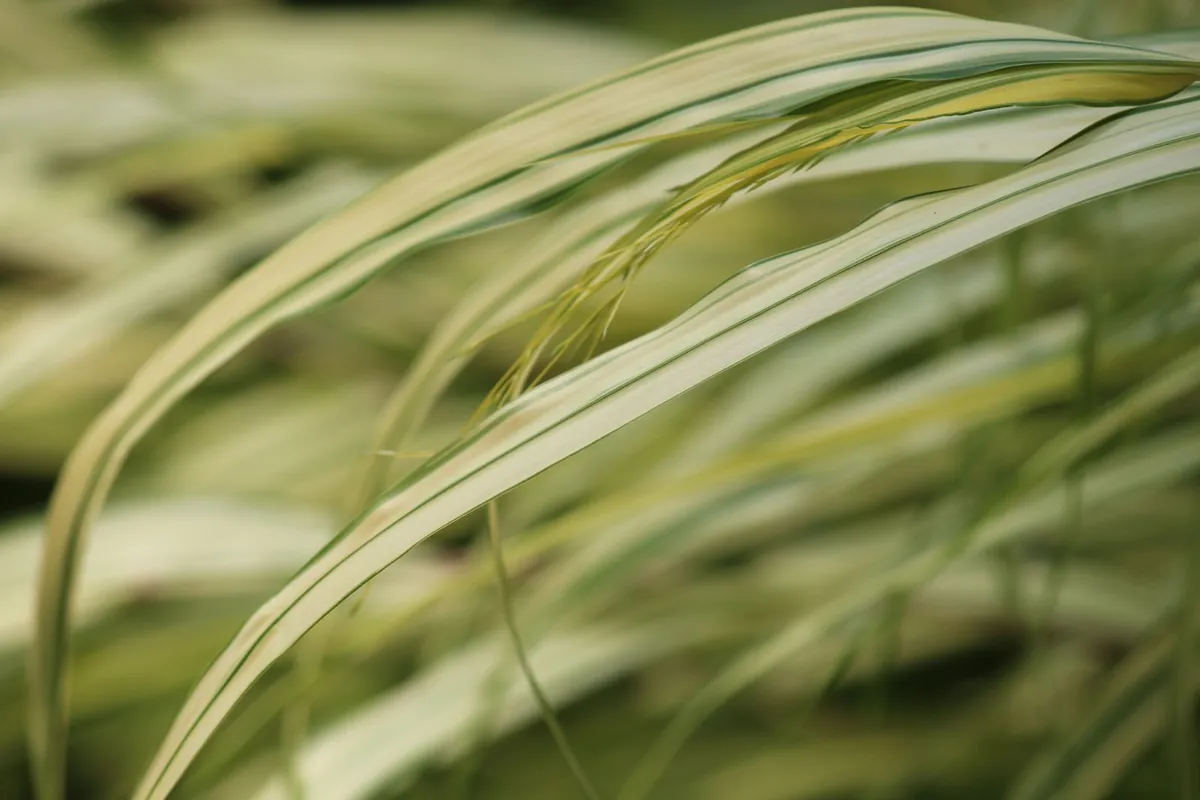
Verdict: outdated by roughly two decades. The shiny, single-green carpet that earned the reputation came from a period when yarn was extruded in one flat color and pile options were minimal. Today’s residential ranges blend several shades of green with curved blade shapes and a brown thatch layer, which breaks up light reflection the way a natural sward does.
Judging turf from a passing car is also the wrong test. Color and texture differences that vanish at ten meters become obvious in a photograph, which is why we send physical swatches instead of reassuring buyers with images. A sample in hand settles the realism question faster than any argument.
There is one honest caveat. Budget-grade imports still exist with flat color and high gloss, and they drag the category average down. Specification, not the product class, separates them from realistic stock — which is why the fake-look complaint now describes cheap rolls rather than outdoor artificial grass 6 as a category.
For buyers specifying appearance alongside durability, the same factory settings that fix density and backing also fix color and blade shape. Our customization range treats those as parameters, not accidents.
Myth 2: Turf Gets Too Hot To Use
Verdict: partly true, and manageable with honest planning. Synthetic grass does warm in direct sunlight, and pretending otherwise would insult the reader. Dark surfaces of any material absorb heat on a cloudless afternoon, and turf is no exception.
The manageable part comes from specification and siting. Lighter yarn colors reflect more sun than dark greens, and a brief misting drops the surface temperature immediately, the same way it cools a deck. Shade sails, tree cover and scheduling around peak sun do the rest. Compared with adjacent pavement or dark composite decking, turf neither absorbs as much heat through its thickness nor radiates it back long after sunset.
Where the myth earns partial credit is unshaded, full-sun installations in extreme climates. There, heat is a design variable: yarn color, surface choice and usage scheduling belong in the specification conversation. A supplier who promises turf that never heats up is selling folklore of their own.
Myth 3: Turf Is Unsafe For Kids And Pets
Verdict: the material picture pushes back hard. Safety is the outdoor artificial grass 6 worry that school, club and municipal buyers raise first, usually with old headlines attached. Face yarns are polyethylene and polypropylene, the same inert polymer families used in packaging and textiles, and the carpet is manufactured without allergens.
The chemical route into a natural lawn — fertilizers, weed killers and pesticides — has no equivalent here. Nothing is sprayed, spread or injected, which removes the exposure parents and pet owners actually worry about. Playgrounds were among the earliest adopters of synthetic surfaces for exactly this reason, and cushioning specifications are now a mature part of the industry.
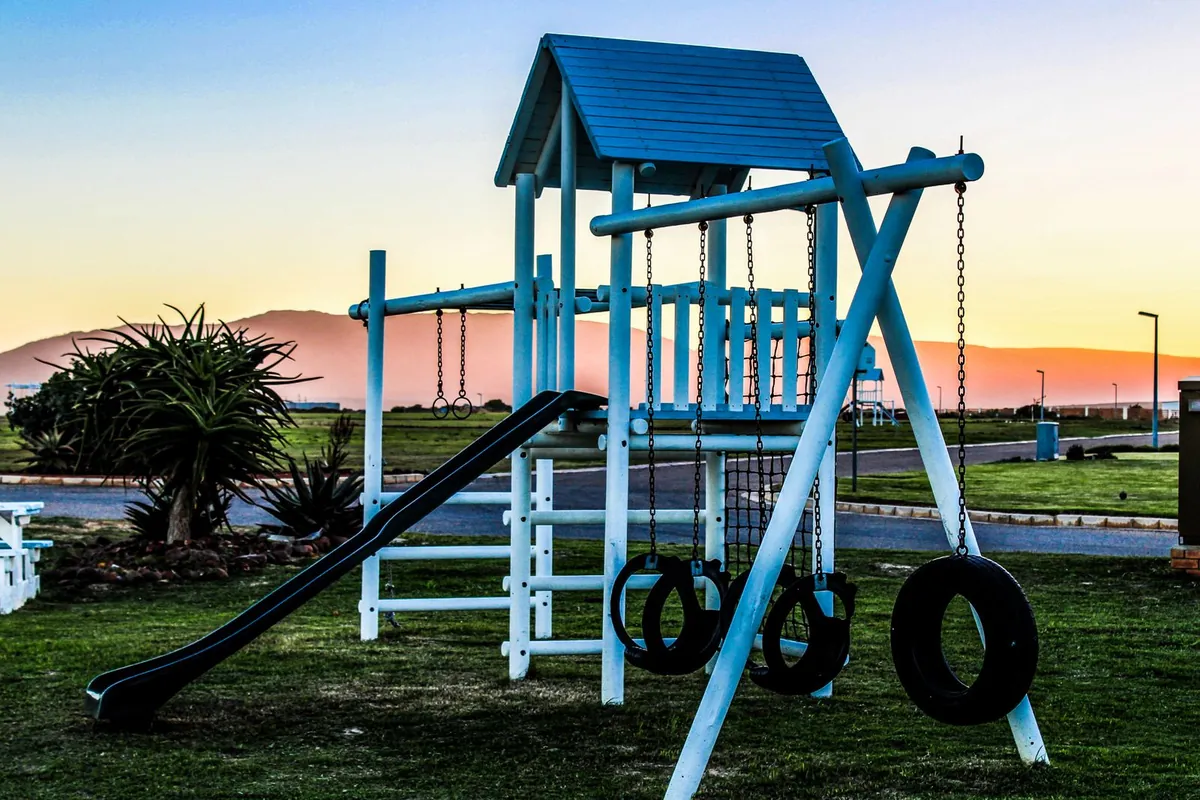
Our playground guide details cushioning and pile choices for play areas. The same material logic covers pet facilities, where surfaces take claw traffic and constant cleaning without degrading.
Myth 4: Synthetic Lawns Are Bad For The Environment
Verdict: a trade-off, and mostly in favor of turf on water and chemistry. The objection starts from a fair premise: this is a manufactured, polymer-based product with an energy cost at the factory. The honest comparison, though, is not against a pristine meadow — it is against the irrigated, treated lawn the roll replaces.
That comparison is quantifiable. The EPA counts the average American family at more than 300 gallons of water per day at home. Outdoor use accounts for roughly 30 percent of household consumption, much of it landscape irrigation. A synthetic lawn removes that draw entirely, along with the fertilizer and pesticide runoff that follows treated grass into waterways and the emissions of weekly mowing.
End-of-life is the part the category still has to earn. Recycling programs for post-consumer turf are young but growing, and long service life spreads the production footprint across many years of use. Buyers who weigh the full ledger usually find the replacement lawn is the greener asset in water-restricted regions, and roughly neutral elsewhere.
Myth 5: Dogs Destroy Outdoor Artificial Grass
Verdict: false when drainage and routine are right, which is why kennels and pet facilities were early adopters. Dogs are the outdoor artificial grass 6 complaint that arrives most often with a horror story attached: lingering smell, dug corners, mud. All three trace back to installation quality and upkeep, not to the animal.
Urine drains through the perforated backing the same way rain does, and a routine rinse keeps residue and odor from building up. Digging is a base-and-anchor question, because a compacted base with the roll secured at the perimeter denies a dog the loose edge it needs. Mud disappears entirely, since there is no soil for paws to churn.
Backings do differ on odor, and that is a fair question to put to any supplier. Our artificial grass for dogs guide walks through the rinse routine and the drainage details that keep pet areas fresh.
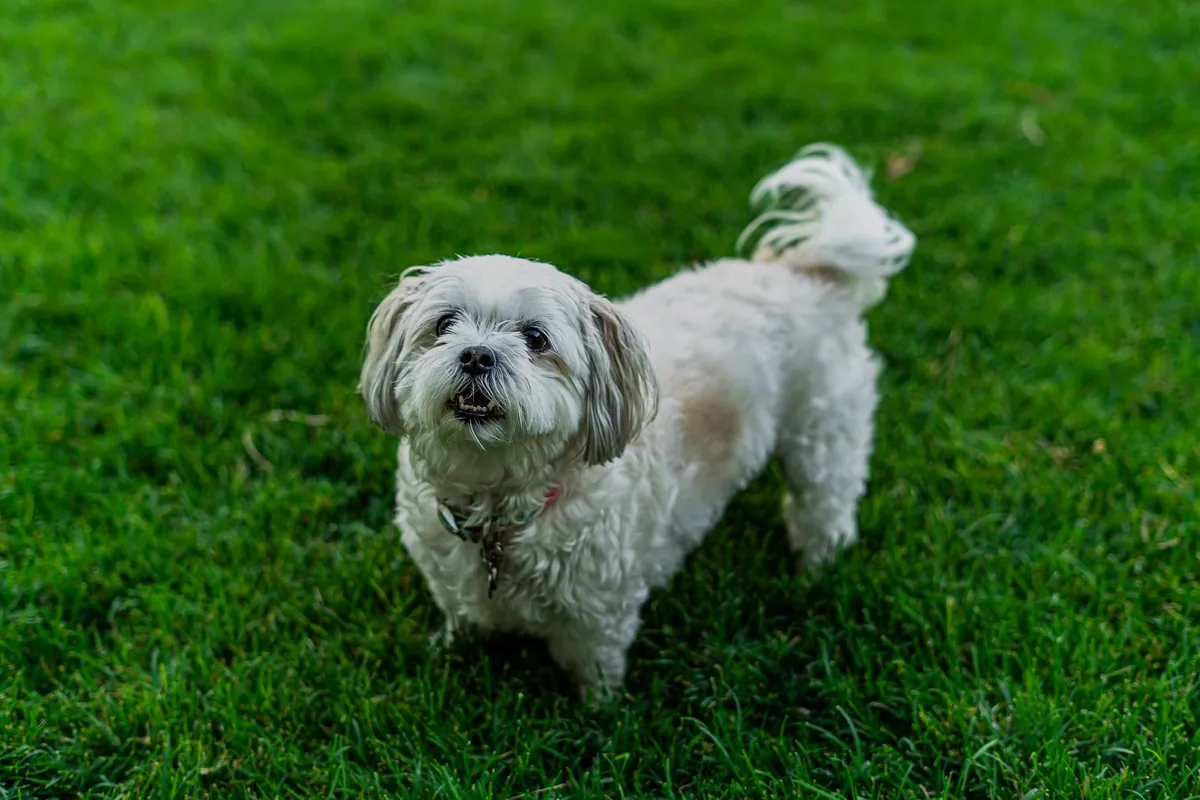
For boarding kennels, dog daycares and municipal pet parks, the surface has become the default choice precisely because it survives traffic that strips natural sod within a single season.
Myth 6: Turf Needs Zero Maintenance
Verdict: marketing overreach, then and now. The honest label is low maintenance. Mowing, fertilizing, weed treatments and seasonal watering disappear, and that removes most of the hours and most of the recurring cost a natural lawn demands.
What remains is a short routine. Brush high-traffic lanes so the fibers stay upright, rinse out dust and pollen, clear fallen leaves before they mat down, and pick up pet waste promptly. Neglect those steps and any turf eventually looks tired, which is how the zero-maintenance promise damages the category’s credibility. Our cleaning guide covers the full routine on one page.
For a facilities budget, the comparison that matters is hours and inputs per year, not zero against some. That calculation, done honestly, is where synthetic grass wins its contracts.
Holding off Because of Something You Read?
Most outdoor worries come from old or cheap carpet. Check the spec before the story. Priced at the factory gate, typically 30–50% under market on comparable specifications.
How To Verify Claims Before You Buy
Every myth above collapses or survives on evidence a buyer can request. The first ask is the specification sheet: yarn polymer, pile height, density, backing type and drainage hole pattern. A supplier who answers with process detail instead of adjectives is telling you how they manufacture, not how they market.
The second ask is a sample you can mistreat. Wet it and watch how fast it drains, brush it against the pile, and leave it in the sun to compare color after a week. Claims about realism, heat and drainage are all testable on a desk, which is more than most purchase categories can say.
Third, ask what evidence would falsify the claim. If a heat claim, a safety claim or a lifespan claim cannot name its source, treat it as folklore — the same standard this article applied to itself. Suppliers confident in their process hand over specifications, samples and verifiable sources without being pressed twice.
Where The Evidence Leaves Serious Buyers
Worked through honestly, the outdoor artificial grass 6 objections mostly describe a product that no longer exists. Two remain legitimate in modified form: heat on unshaded sites and the maintenance floor that is low but real. Both are specification questions, and both have answers a competent supplier can demonstrate.
That is the practical takeaway for procurement teams. Judge turf the way this article did, claim by claim, with evidence attached. The category’s honest story — realistic appearance, managed heat, inert materials, real water savings and a short care routine — is stronger than the folklore it replaced.
Frequently Asked Questions
Does outdoor artificial grass get hotter than pavement?
Not typically. Turf warms in direct sun, but unlike pavement or concrete it does not keep absorbing heat or radiate it back long after sunset. Shade, misting and lighter specs close most of the daytime gap.
Will artificial grass fade in the sun?
Modern yarns are UV-stabilized to resist fading, so color holds through years of outdoor exposure. Cheaper legacy products without stabilization did fade, which is where the reputation started.
Does artificial grass drain in heavy rain?
Yes, when the base is built correctly. Perforated backings let rain pass through into the prepared base below, and a well-drained installation is usable again within minutes of a downpour.
Is artificial grass safe for children?
It is widely used in schools and playgrounds. The yarns are non-toxic and allergen-free, and no pesticides or fertilizers are ever applied, which removes the chemical exposure natural lawns carry.
How long does outdoor artificial grass last?
Well-built commercial-grade turf commonly serves up to 10–15 years, with traffic, climate and upkeep setting the final figure. UV-stabilized yarns and a solid base protect that lifespan.
What maintenance does outdoor artificial grass actually need?
Less than a natural lawn, but not zero. Brush high-traffic lanes upright, rinse out dust and pollen, clear leaves promptly, and pick up pet waste — a routine measured in minutes, not weekends.

 English
  Arabic
  French
  German
  Portuguese
  Russian
  Spanish