
A rugby squad that trains five or six times a week wears out any surface it touches. Natural grass needs rest days that a full time schedule cannot spare, which is why more clubs now run their sessions on synthetic turf. The pros and cons of practicing on turf come down to one trade. You give up some of the natural game’s feel and accept a hotter, harder surface. In exchange, the pitch shows up ready every single day of the year.
We manufacture artificial grass rolls for sports surfaces, and rugby training grounds are among the toughest projects our line handles. That factory view shapes what follows. The balance of benefits and costs sits first, then the specifications that decide which side of the ledger your club lands on.
Inside a Week of Full Time Sessions
Full time training on turf is not the same surface most players grew up on. The standard synthetic rugby pitch is third generation, or 3G, built from bladed artificial grass filled with sand and small rubber granules. Fourth generation surfaces skip the loose infill because their padded construction plays firm on its own. Anything marketed as 5G is, for now, a label rather than a distinct technology.
Rugby governing bodies treat the surface seriously. World Rugby’s Regulation 22 recognizes third generation turf for the sport and requires a shock pad beneath the grass to absorb impact, with surfaces retested every two years. That framework exists because rugby concentrates load like few other sports do.
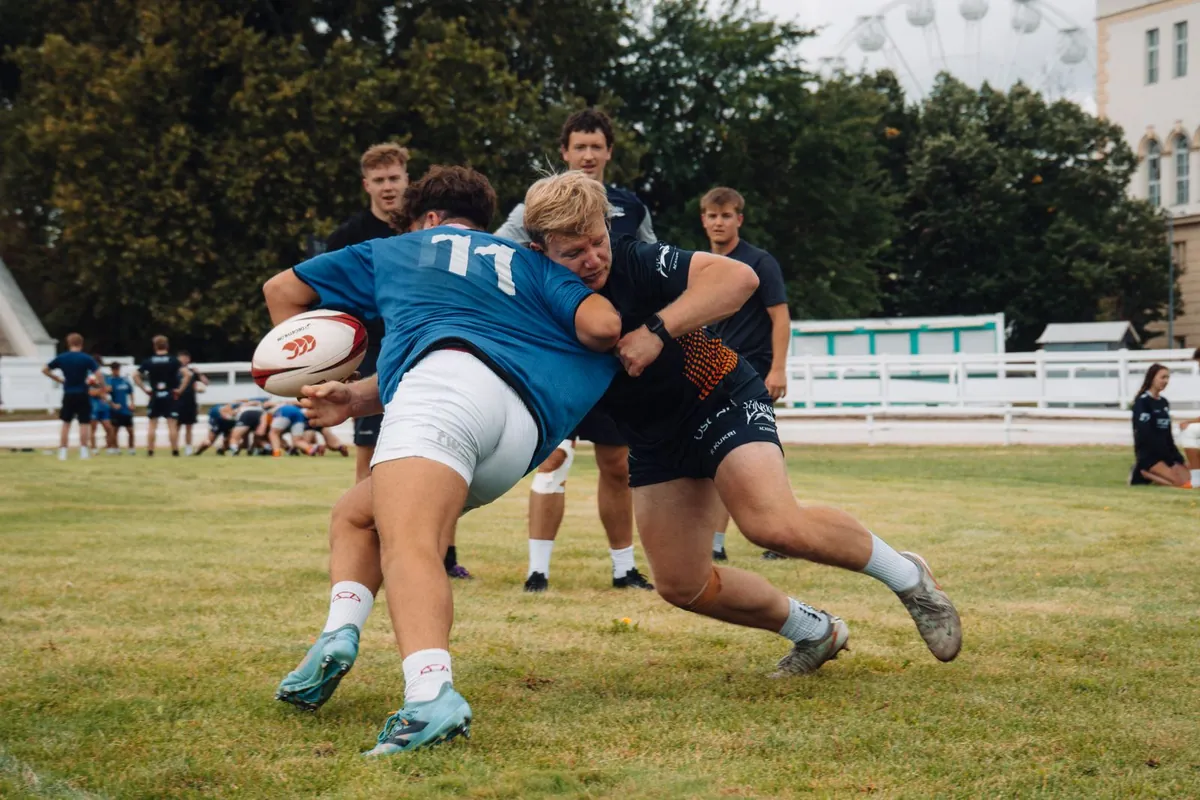
A full time programme multiplies all of it. Contact drills, scrum machines, sprint blocks and kicking practice hit the same corridors day after day. The rest of this page weighs what that schedule buys a club, what it costs the players, and how the surface specification holds the deal together.
The Pros of Daily Sessions on Turf
The case starts with capacity. A natural rugby pitch tolerates roughly two to six hours of use a week before it starts to fail, while a synthetic surface absorbs sixty to eighty hours. For a club running academy, senior and women’s squads on one ground, that difference decides whether training happens at all.
| Factor | Natural grass | Synthetic turf |
|---|---|---|
| Weekly usage tolerance | 2 to 6 hours before wear shows | 60 to 80 hours across full squads |
| Wet-weather play | Muddy patches, fixtures called off | Drains fast, sessions go ahead |
| Surface consistency | Softens, hardens, wears unevenly | Fixed footing and ball response |
| Recovery after heavy use | Rest and repair required | None needed between sessions |
| Upkeep work | Mowing, watering, feeding, reseeding | Brushing and periodic grooming |
| Initial cost | Lower at installation | Higher, offset over years of use |
The pros and cons of a synthetic pitch tilt further once weather enters the ledger. Turf drains quickly, does not freeze into a hard sheet, and never turns into mud. Sessions survive the winter instead of moving indoors, and fixture cancellations drop with them.
Consistency is the quiet advantage. The bounce, footing and firmness stay constant from the first week of the season to the last, and from one training block to the next. Skills coached in August still hold in March, and scrums settle on stable ground instead of collapsing into churned mud. Upkeep drops as well, because brushing and periodic grooming replace mowing, watering, fertilizing and reseeding.
The Cons Players Notice on Turf
An honest pros and cons of daily turf training has to lead with heat. Synthetic fibers in warm weather hold surface temperatures well above the surrounding air. Sessions in a heatwave need water breaks moved earlier and repeated more often, and clubs in hot climates plan their schedules around the sun rather than pretending the problem away.
Skin comes next. Players sliding on dry infill pick up grazes that natural grass rarely causes, which is why grounds staff wet the surface before contact work in dry conditions. A firmer feel underfoot also loads joints and tendons through long seasons, and players report the extra fatigue by the closing months.
Cost completes the list. Installation demands more capital up front than grass, infill levels need checking with dedicated equipment, and the surface eventually needs professional renewal. None of these points are reasons to walk away. They are running costs a club should budget for from the first quote it receives.
Specifying Pile Height and Infill
Specification is where the pros and cons of turf training actually get settled, because the surface is manufactured to order rather than grown. Rugby turf typically runs 50 to 60 millimetres tall, with dense stitching above 10,500 stitches per square metre so the blades stay upright under repeated boots. Within that band, taller piles carry more cushion for contact drills, while denser, firmer zones suit handling sessions.
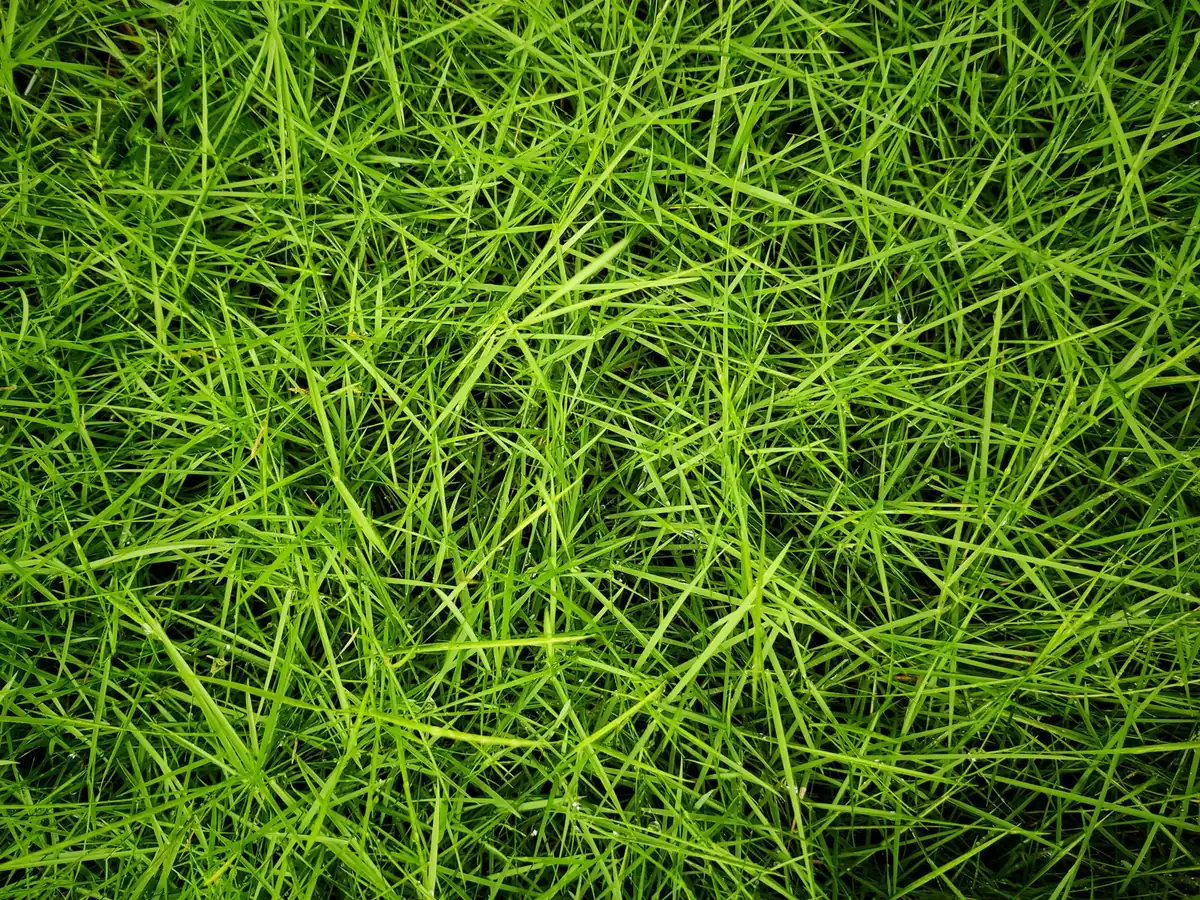
Infill and the shock pad complete the system. Sand and rubber granules control ball behavior and stud grip, and the shock pad layer beneath the grass absorbs the impact that Regulation 22 testing measures. Both layers are chosen by thickness and composition to match the training load you actually run.
Because every element is specified in advance, the options stretch across colour, pile shape, density and the backing, with PP+Net and PU constructions both available. Our custom artificial grass service covers how far those choices go. Clubs that lock these parameters to their real session plan end up with fewer compromises than any off-the-shelf surface allows.
Planning Drainage and Roll Widths
Drainage is engineered in the factory, not improvised on site. Perforating runs along the production line after coating and drying, punching the drainage pattern into every roll before it is wound up. Rain that lands on the pitch moves through the surface quickly, which is why winter sessions rarely wait for standing water to clear.
Roll width is the other decision made before delivery. Standard rolls come in 2, 4 and 5 metre widths by 25 metres long, and the width you choose decides how many seams cross the training area. A 5 metre run suits a full pitch with almost no joins, while 2 metre rolls handle tight spaces and staged budgets. The seam count is settled on the cutting list, not on installation day, so the roll plan deserves the same attention as pile height. Our standard artificial grass rolls cover all three widths.
Who Should Install a Dedicated Pitch
Weighing the pros and cons of a dedicated turf pitch lands differently depending on who trains on it. Academies and schools see the clearest win, because junior programmes burn hours that grass cannot absorb. Senior clubs gain a match surface they can also train on without wearing it bare. Multi-sport facilities get one base that survives football, rugby and fitness bookings inside the same week.
Pitch Torn up by Mid-Season?
Daily studs and winter rain keep natural pitches closed. Rugby carpet takes the load. Priced at the factory gate, typically 30–50% under market on comparable specifications.
Keeping Sessions Safe Through the Season
Most of the cons above are managed rather than endured. Grooming keeps the pile upright in the high-traffic corridors between the posts, and wetting the surface before contact sessions removes the dry-infill grazes. Heat management is mostly scheduling. Move contact work into morning windows and give hydration breaks room in every session plan.
Kit choices help as well. World Rugby has allowed players to wear leggings in matches since 2021, and many squads extend that choice to the practice pitch to cut skin loss. Boot selection matters too, and the right model for a given surface and sport is best confirmed with your coach or grounds manager before the season starts.
None of this is complicated. It is a season plan with the surface written into it, owned by the same staff member who owns the fixture calendar. Clubs that treat turf care as a routine keep the surface playing as designed for its whole life.
How Surfaces Age and Get Tested
A synthetic pitch does not fail suddenly, it drifts. Infill migrates, high-use zones compact, and the measured firmness creeps away from its baseline. That is why the two-year retest cycle exists, and why good grounds teams log surface readings between formal tests.
Age shows up locally first. The sprint lane and the scrummaging area wear before the wings, and worn panels can be replaced without touching the rest of the pitch. Managed this way, a commercial surface serves for up to 10 to 15 years before renewal enters the conversation.
That lifespan is the final item in the pros and cons of turf training. Spread across a decade of sessions that grass could never host, the arithmetic favors the synthetic surface for almost any club training more than a few hours a week.
Frequently Asked Questions
Is artificial turf safe for rugby training?
Modern 3G systems with a shock pad are used across many levels of organized play. Abrasion and hardness complaints concentrate on poorly maintained surfaces, so grooming and regular testing carry the safety load.
What pile height suits rugby training turf?
Rugby turf typically runs 50 to 60 millimetres tall with dense stitching above 10,500 per square metre. Taller piles add cushion for contact work, while denser zones suit handling sessions.
Do rugby turf pitches need a shock pad?
World Rugby’s Regulation 22 requires a shock pad beneath the grass for impact absorption, with the full system retested every two years to stay within the framework.
Can players wear regular boots on artificial turf?
Yes, with stud choice matched to the surface; confirm the right model with your coach or grounds team. Leggings, allowed in matches since 2021, cut abrasion when players slide.
How often does a training pitch need maintenance?
Brushing and grooming on a weekly rhythm, infill level checks with dedicated equipment, and drainage checks after heavy storms. The two-year retest anchors the longer cycle.
How much does artificial rugby turf cost?
Material pricing runs from $7 to $60 per square meter, indicative and dependent on pile, density and backing specification. Request an exact quote for your pitch dimensions.
 English
  Arabic
  French
  German
  Portuguese
  Russian
  Spanish