








Two quotes sit on your desk, and both products look identical in the photos. Same green, same pile height on the label, same confident promises in the cover email. A few summers later, one surface still stands upright while the other lies flat and shiny by the gate. The difference was never the color. It was a set of construction specs that no photo can show.
Artificial turf quality is a construction question, not a color question. Eleven checkable factors decide it: yarn material, face weight, density, pile height, blade shape, infill compatibility, backing, drainage, UV stability, process control and site fit. We build every one of them on our own production line, so we will tell you which specs deserve your money and which are cosmetic. Two of them, wear patterns and blade cross-sections, have deeper guides of their own, and we will point you there rather than repeat them thinly. Where a spec is the wrong choice for your site, we will say that plainly too.
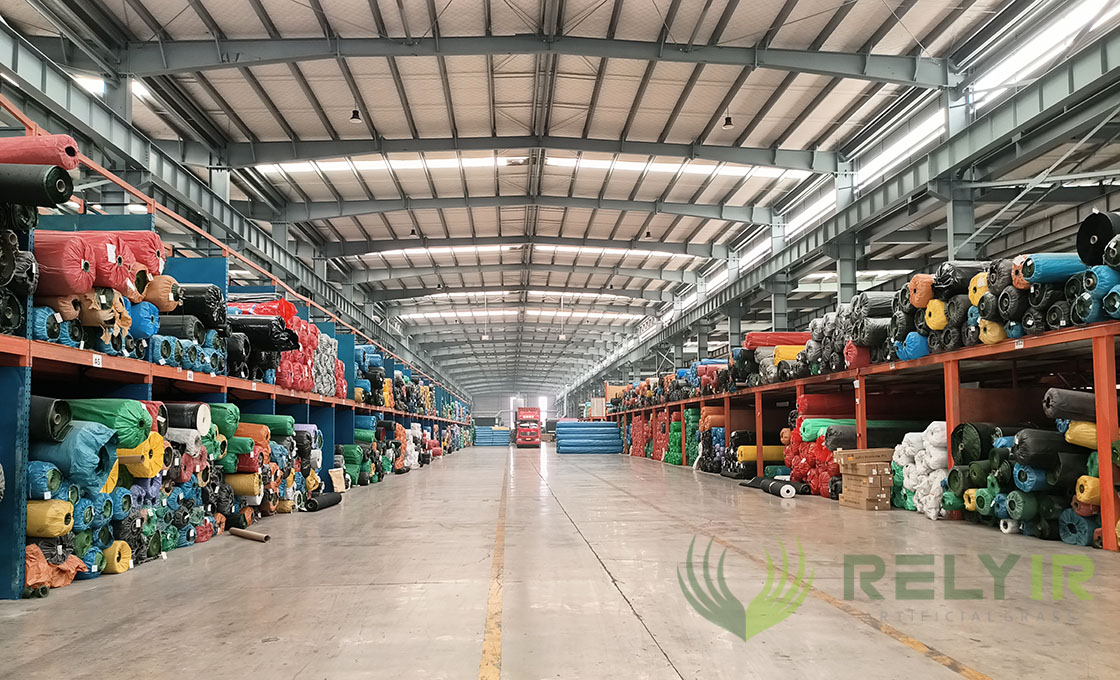
Yarn Material and Face Weight Set the Ceiling
Fiber Material: Three Polymers, Three Trade-Offs
The yarn polymer sets what a surface can and cannot survive. Polyethylene is the mainstream choice for landscape work because it feels soft underfoot and handles moderate traffic well. Nylon brings stronger heat resistance and durability, which is why it appears in high-traffic settings. Polypropylene costs less but wears faster under pressure and heat, so it fits budget projects that accept a shorter service life. None of the three wins outright; each is a trade-off you match to the site.
Face Weight: How Much Yarn Per Square Yard
Face weight is the amount of yarn packed into each square yard, and it is the single biggest hardware component of artificial turf quality. More yarn means a fuller look, better load sharing between blades and a surface that holds its shape for more seasons. Thin turf flattens first exactly where feet actually travel. Think of it like upholstery fabric: the version with more grams per meter simply outlasts the thin rendition of the same design.
Here is the test we recommend before any order. Pick up two samples of the same pile height and feel the difference in your hand; the heavier one usually carries the higher face weight. If a supplier will not state yarn weight per square yard on the spec sheet, treat that silence as an answer.
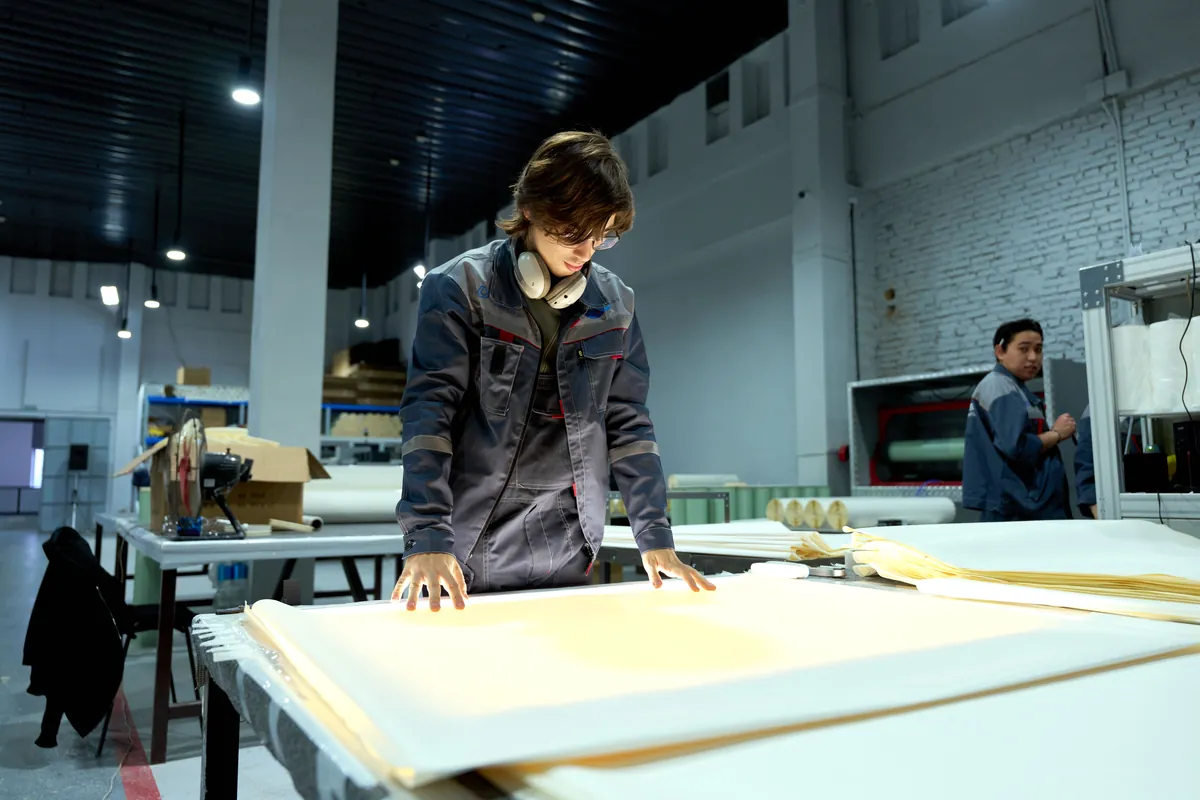
Density and Pile Height Decide How Turf Ages
Density: The Gaps Tell the Truth
Density measures how closely the fibers sit together, and it decides whether a lawn reads as full or sparse. Dense turf hides the backing, recovers from foot traffic and keeps gaps from opening up as