
A new artificial lawn can look flawless on delivery day and still fail within a season. The grass was never the problem; the work underneath it was. We have walked handovers where a flat-looking surface hid a base that turned to sponge after the first heavy rain.
How to tell if artificial grass is installed correctly is less about eyeballing the grass and more about checking the things you cannot see once furniture and feet arrive. The handover checklist below gives contractors, landscape designers, and project buyers pass criteria for each item, and shows what a failed item actually looks like.
What a Proper Handover Inspection Actually Checks
Most online checklists were written for a homeowner peering at their own backyard. A contractor or project buyer needs something tighter at handover: a signed list of acceptance items, each with a pass criterion and a known failure signal. This is that list.
How to tell if artificial grass is installed correctly starts by separating the six acceptance axes. They are the base (flatness and slope), the seams, color consistency, edge fixing, drainage, and infill with pile direction. Each axis below carries its own pass line and its own failure signal.
| Acceptance item | Pass criterion | Failure signal |
|---|---|---|
| Base flatness and slope | Straightedge shows no gap; 1–2% fall to drain | Visible gap, reverse or flat grade |
| Seams | Near-invisible, same pile direction | Dark line, step, or ridge |
| Color consistency | Even field, one dye lot | Patchwork or hard color line |
| Edge fixing | Held down, will not lift | Curl, flap, or trip edge |
| Drainage | Hose test clears within minutes | Standing water in low spots |
| Infill and pile direction | Seated at base, one direction | Flat blades, light split |
| Hardscape transition | Flush cut, backing hidden | Ragged fringe, gap over 5 mm |
Walk the surface with the installer on handover day, then re-check after the first rain. A dry, empty lawn hides more than it reveals, and the items in the table are exactly where rushed jobs betray themselves later.
Flatness and Slope: The Base Below the Surface
The base is the part nobody sees, which is exactly why it gets rushed. Run a long straightedge across the surface in several directions. A correct install shows no visible gap between the board and the turf anywhere on the lawn.
On a rooftop terrace we reviewed, the base fell the wrong way and pushed every storm toward the waterproof membrane edge. A 1–2% fall toward the drainage side is the line a correct install holds; a reverse or flat grade fails the moment water arrives.
Feel the whole surface with your foot. It should read firm and even, with no soft spots and no sinking under weight. The base beneath should sit three to four inches deep and be compacted to roughly 85–95%.
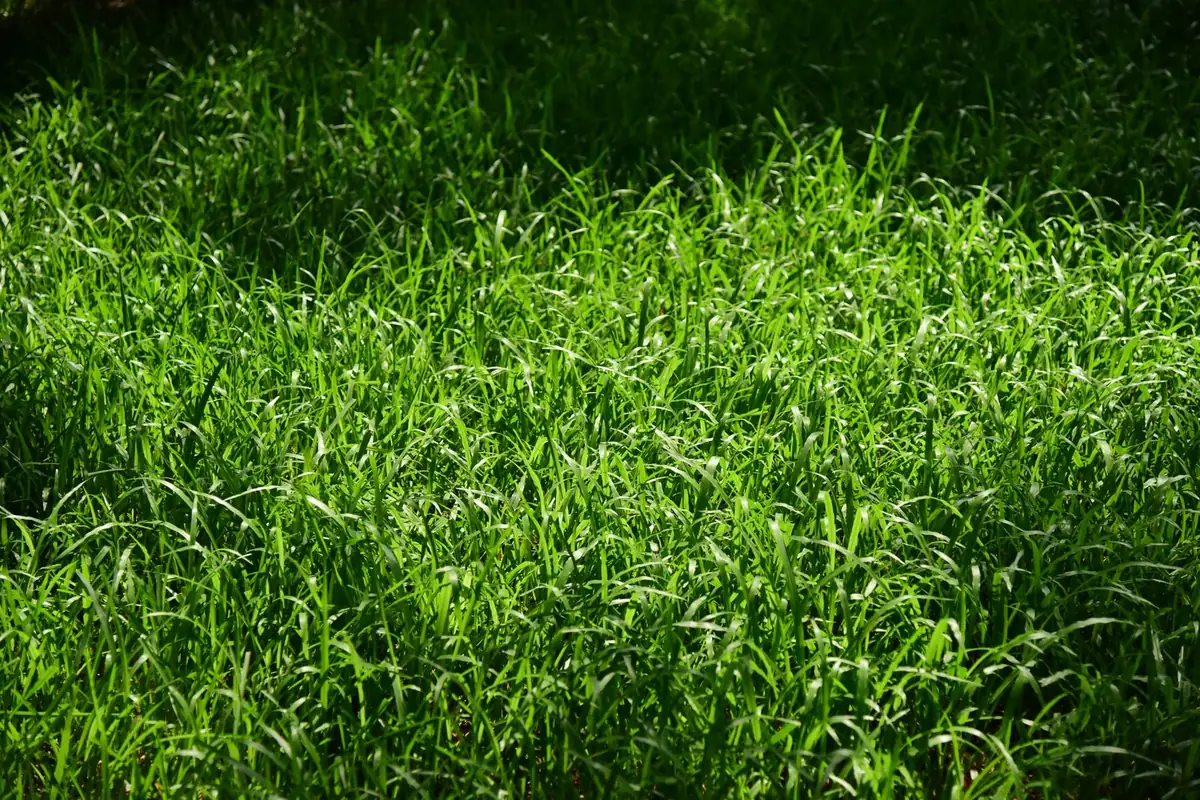
Flatness and slope are the first items on how to tell if artificial grass is installed correctly because they decide whether the lawn drains and stays put. Miss them and every later step works on a moving floor.
Inspecting the Seams Where Rolls Meet
Crouch at the seam and look along it from knee height. A correct seam is nearly invisible: no step, no ridge, no dark line where two rolls meet. Run your hand across; it should feel like one continuous surface.
Both rolls must run the same pile direction, or the join shows a light or color shift in raking light. The joining tape sits centered under the cut edges, the adhesive is spread evenly, and no blade tips are trapped in the glue during curing.
For large open areas, specify the 5 m roll width from our range of 2 m, 4 m, and 5 m by 25 m. Fewer rolls means fewer seams to inspect and fewer chances for a visible line across the field.
Seams are the moment how to tell if artificial grass is installed correctly turns from theory to proof. A clean seam survives foot traffic and weather; a poor one opens within a season.
Checking Color Consistency Across Rolls
Stand back and read the whole lawn as one color field. A correct install looks even, with no patchwork feel and no hard line where one roll meets the next. Any shift should be impossible to place by eye.
Color drift comes from two causes. The first is different dye lots across rolls; the second is pile running opposite directions so light hits each face differently. Both are set at the spec and layout stage, not something a finish coat can hide.
For multi-roll or staged projects, lock one dye lot and one pile direction across every delivery. Our line is built to custom pile height, density, and color, so a large order can hold one batch card from first roll to last.
Color is where how to tell if artificial grass is installed correctly meets the procurement record. If the batch card matches on paper and on the lawn, the line will not appear later.
Pile Direction and How the Light Hits It
Every roll must lie the same way. From the main viewing point — a terrace door or a window — the surface should read as one even tone with no bright or dark band splitting the lawn.
A mislaid section catches raking light differently and reads lighter or darker at an angle. The fault is easy to miss head-on and obvious from the side, which is why it slips past a quick walkthrough.
In our experience, pile direction is the most overlooked item at handover. It costs nothing to get right at layout and is the first thing a client notices once the sun moves across the day.
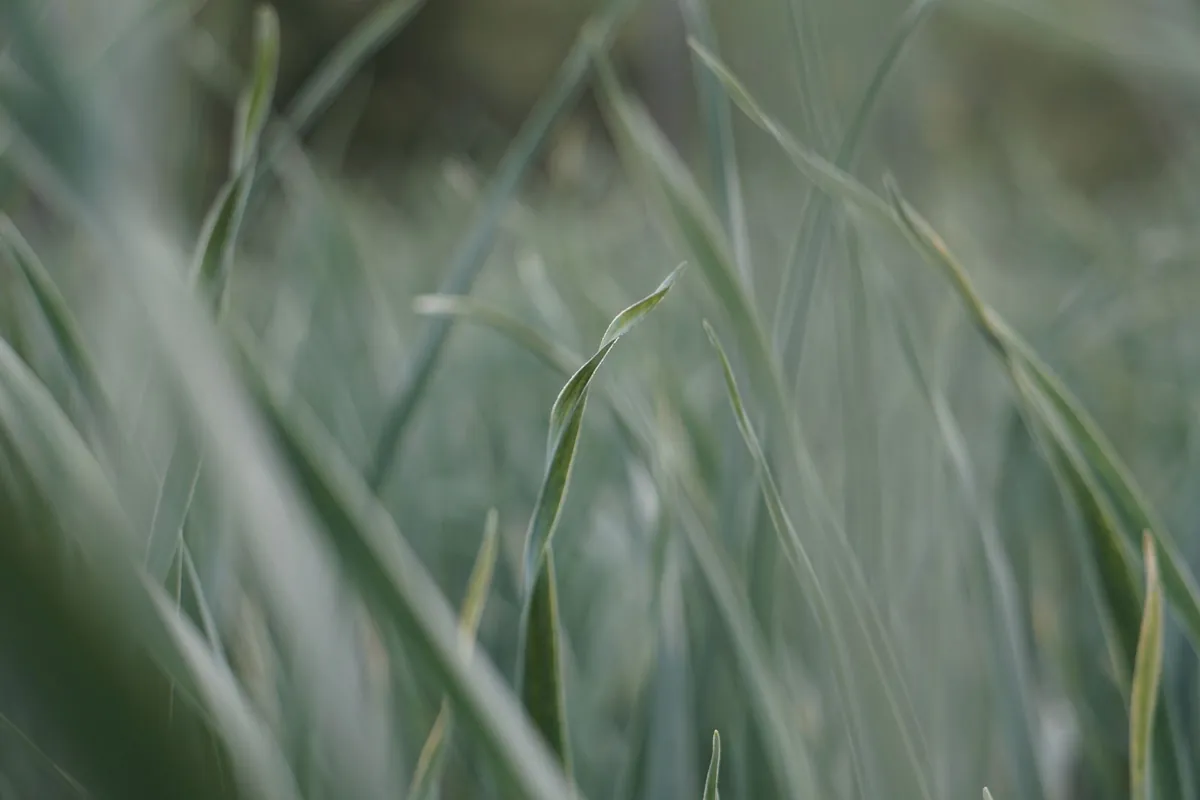
Pile direction is the step most buyers skip when learning how to tell if artificial grass is installed correctly. Check it from the side, not just the front, and the lawn holds one tone all day.
Edge Fixing and Perimeter Security
Walk the perimeter and try to lift the edge with your hand. A correct install stays put: the turf hugs the hardscape, will not lift, and will not curl back under foot traffic.
Fixing points sit every 100–300 mm around the edge, closer at corners and along any high-traffic run. A doorway or a hard edge needs a small expansion gap so heat cannot push the turf up later.
Edges are where wind lift, flap, and trip complaints start. They are cheap to do well and expensive to fix after the crew has left, so they earn a careful look at handover.
Drainage and Ponding After Rain
Water is the patient enemy of a turf base. On a correct install, a hose test of two to three minutes clears from the low points within minutes, with no standing pool left behind.
We run the hose test on every handover we can. It is the fastest way to prove the grade: water sheets off toward the drain, and any low spot that holds a puddle is called out before sign-off.
On concrete or other hard floors, the turf must keep a drainage gap; gluing it flat with no outlet traps water underneath. Best of all, test after real rain, because a dry day hides a base that was never graded to fall.

Drainage is the test that proves how to tell if artificial grass is installed correctly, because it is the one fault a dry walkthrough cannot show. Clear water, clear conscience.
Infill Depth and Even Distribution
Infill should sit down at the base of the blades and spread evenly across the whole area, leaving the pile standing upright. A correct spread uses roughly 1–2 lb per square foot, brushed in, not heaped on top.
Too little and the blades lie flat with soft and firm patches underfoot. Too much piles at the crown and means the brush work was rushed. Either way, the surface reads uneven and the pile brushes down instead of standing.
Keep the spread lighter near any drainage holes so they stay open. Infill is the last chance to even the surface before the lawn goes live, so a uniform seat at the base is the pass line.
How Firm the Surface Feels Underfoot
Walk the entire lawn and feel it through your shoes. A correct surface is firm and even everywhere, with no soft spot, no sink, and no sense that the ground moves under weight.
A soft spot means the base was not compacted or holds unstable material. Think of the surface like skin: a soft spot is a boil underneath, and it will push through sooner or later.
Check the edges and corners too, and give a gentle pull where the turf meets hardscape. Nothing should shift. Firmness is the summary test of every base item listed above.
How firm the surface feels is the quickest read on how to tell if artificial grass is installed correctly after the visible items pass. Firm everywhere means the base did its job.
Transition Detail Around Hardscape Edges
Where the turf meets paving, tree rings, or a drain channel, the cut edge should sit flush with no curl and no ragged fringe, with the backing not showing. Trim the rough edge clean during the final pass.
A gap wider than about 5 mm invites weeds and lets the base wash out from under the edge. Doorways and hard joins need that small expansion gap so heat cannot lift the turf into a trip hazard.
Reading the Walkthrough With Your Installer
Ask the installer to walk every transition with you and sign a handover note. A correct handover goes item by item against the list above, not a vague “looks good” and a handshake.
Treat the walkthrough like a home inspection before you close: you sign, then the surface is yours. Walk it slowly, call out each item, and do not initial until every axis above has a tick.
Take fresh photos of the finished lawn as your baseline. If a seam opens or a dip appears later, those shots show what changed and where the line was drawn at handover.
A joint walkthrough is the moment how to tell if artificial grass is installed correctly becomes a signed record instead of a feeling. Get it on paper before anyone leaves.
Specifying the Turf That Passes Inspection
Most handover failures trace back to the spec, not the crew. Set the acceptance parameters before you buy, and the turf arrives ready to pass: base slope, roll width, pile height, backing type, infill plan, and total area.
Our factory-direct range covers roll widths of 2 m, 4 m, and 5 m by 25 m. Backing options run PP+Net, PP+non-woven, PP+Grid, or optional PU, with custom pile height, density, and color. Matching the turf to the job is the first half of a clean handover. See our production background for the full range we build.
Surface Not Behaving After the Install?
Ripples and soft spots point at the roll or the base. Tell us what you see. Factory-direct pricing, typically 30–50% below market on like-for-like specifications.
Common Failure Signs and What They Mean
Across the handovers we have seen, most failures live in the base rather than the turf. The grass is usually fine; the ground under it was never right. Read the signs below as a map back to the cause.
Ripples or waves mean an uneven base or turf pulled in without tension. A visible seam line means wrong direction, unset adhesive, or no compaction at the join. Edge lift means fixing spaced too far apart or not gripping.
Ponding means no fall was graded or a hard floor was glued with no outlet. Flat-lying blades mean infill ran short. Each signal points to one axis above, so a failed item tells you exactly where to look.
These are the signs that show how to tell if artificial grass is installed correctly by what went wrong. Catch them at handover and the fix is a conversation; catch them a year later and it is a rebuild.
A Site Acceptance Checklist for Project Buyers
Use this ten-point list on every handover. It folds the pass criteria above into one sheet you can tick with the installer before you sign.
- Straightedge flat with no gap, and a 1–2% fall toward the drainage side.
- Crouch-check seams: near-invisible, both rolls in the same pile direction.
- Whole lawn one even color from a single dye lot, no hard line.
- Perimeter fixed every 100–300 mm, pulled and will not lift.
- Hose test of two to three minutes clears, with no standing water.
- Infill seated at the base, spread evenly, pile standing upright.
- Surface firm everywhere, no soft spot, no sink under weight.
- Hardscape transition flush, no curl, backing not showing.
- Walkthrough ticked item by item, signed, with fresh photos kept.
- Roll widths 2 / 4 / 5 m, one dye-lot color card locked on large orders.
The same criteria apply whether the job is a residential artificial grass lawn, a commercial artificial grass terrace, or a sports artificial grass field. Tick all ten and the handover is yours with confidence.
Frequently Asked Questions
When should you inspect the artificial grass after installation?
Inspect on the day of handover with the installer present, then again after the first heavy rain or a few weeks of foot traffic. Rain and use expose soft spots, slow drainage, and seam movement that a dry, empty walkthrough hides.
What makes an artificial grass seam pass inspection?
A passing seam is nearly invisible when you crouch and look along it, with no step or ridge underfoot. Both rolls share one pile direction, the joining tape must sit centered, and no blade tips should be trapped in the adhesive.
Can wrong pile direction be corrected after installation?
Sometimes. If only a small area faces the wrong way, a re-lay of that section can fix the light split. A full-field reversal usually means lifting and re-seaming the affected rolls, so direction is set at layout, not corrected later.
What does ponding after rain indicate about the install?
Standing water means the base was not graded to a fall, or a hard-floor install was glued down with no drainage gap. In both cases water pools, then breeds odor and loosens seams. A hose test should clear within minutes.
What shows that infill is insufficient?
Under-filled turf shows blades lying flat instead of standing upright, with soft and firm patches across the area. The surface feels uneven underfoot and the pile brushes down. Proper infill seats at the base and distributes evenly.
How do you avoid color batch lines on a large order?
Order every roll for the project from one dye lot, and keep pile direction consistent across all sections. For roofs, yards, and balconies supplied in stages, lock the batch color card so later deliveries match the first rolls exactly.
 English
  Arabic
  French
  German
  Portuguese
  Russian
  Spanish