

The first hard frost turns every turf project into a deadline. Pitches close for renovation, training migrates indoors, and corners torn up by snow work need cutting out before the ground locks. Buyers who wait for spring find the production queue already full.
That squeeze is the honest answer to why buy wholesale fake grass for winter prep. We roll artificial grass on our own line in 2, 4 and 5 metre widths, so the specification can be matched to the site rather than the other way round. Locking the spec and the rolls early is what keeps a winter programme on schedule.
Why Winter Is the Right Buying Window
Winter looks like the off-season, and for purchasing that is exactly the point. Ground sits softer than in a dried-out summer, which makes base compaction more effective. Installation crews carry lighter calendars, so dates get booked instead of negotiated. Some suppliers also keep winter pricing room open when demand dips.
Three scenes fill the winter brief. A venue closes for renovation and needs the new surface down while nobody plays on it. An indoor hall converts to training space and takes delivery mid-season. And after storm damage, a repair window opens for a few weeks before the next freeze. Buyers weighing why buy wholesale fake grass against retail top-ups land on the same reasons: one batch, one delivery, and a factory-floor price rather than a warehouse one.
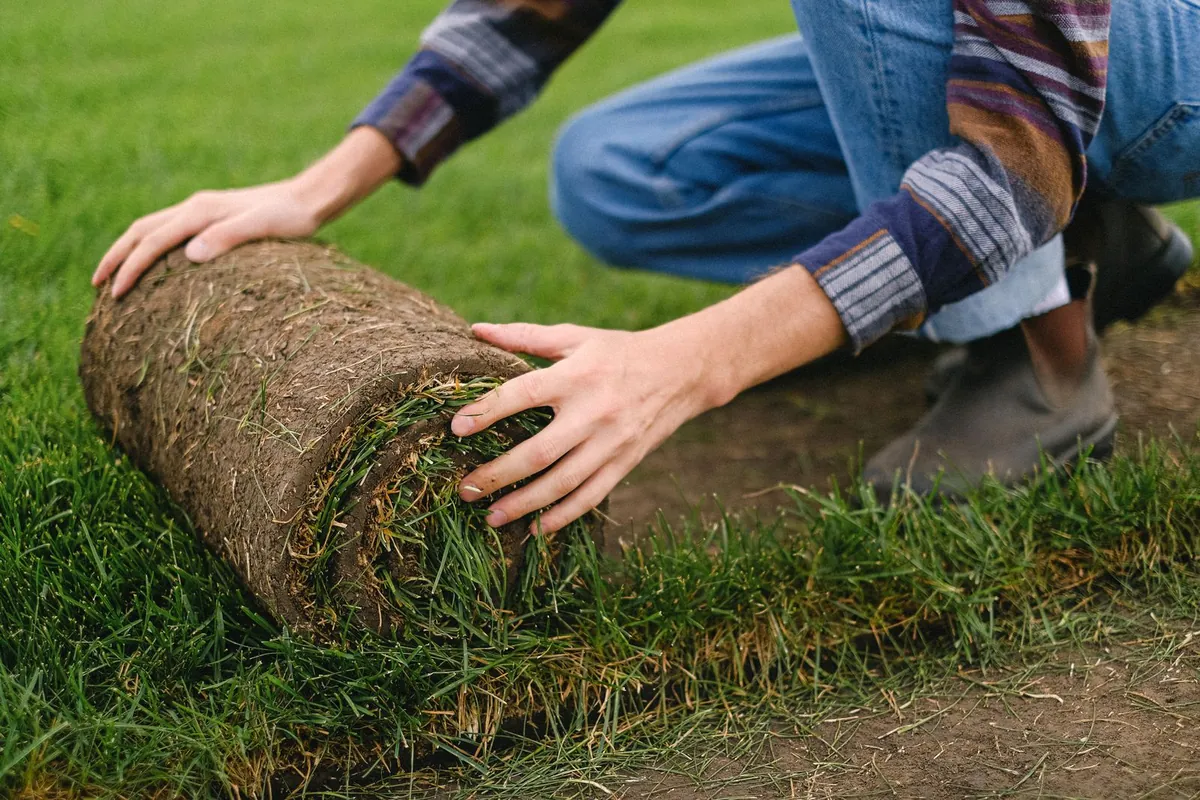
A surface already past its best should not carry another winter on its own. The expert guide on when to replace an artificial turf field lists the warning signs worth checking before you commit the budget either way.
Winter Conditions Shape the Turf Selection
Cold weather does not change what a good specification looks like, but it raises the cost of getting it wrong. Yarn comes first. Polyethylene monofilament with a polypropylene thatch is the common landscape combination, because PE stays soft underfoot and holds its shape. Lower-cost polypropylene-only products wear faster under traffic. UV stabilisation belongs in the same conversation, since unstabilised fibres fade and turn brittle under long exposure.
Backing decides how the roll survives wet and frozen weeks. Artificial turf installations in cold regions lean on a stable, free-draining construction, and published outdoor turf guidance puts drainage at 30 inches per hour per square yard or better. Our rolls leave the line with PP+Net or PU backing, and the differences between latex-backed and PU-backed artificial grass are worth a read before you fix that choice.

Calculate Roll Quantity Before You Commit
Questions about why buy wholesale fake grass usually get concrete at the measuring stage. Standard rolls come in 2, 4 and 5 metre widths at 25 metres long. Few choices shape an artificial turf installation more than width, because width decides where the seams fall. Custom widths are made to the drawing, which removes seams on long runs entirely.
| Roll format | Area per roll | Winter deployment fit |
|---|---|---|
| 2 m × 25 m | 50 m² | Repair patches, small indoor bays and sites with tight access |
| 4 m × 25 m | 100 m² | Most field and landscape layouts; the safest default when dimensions are still uncertain |
| 5 m × 25 m | 125 m² | Large halls and fields; close to seamless across big areas with less offcut waste |
| Custom width | Made to the drawing | Long runs laid without seams on high-visibility zones |
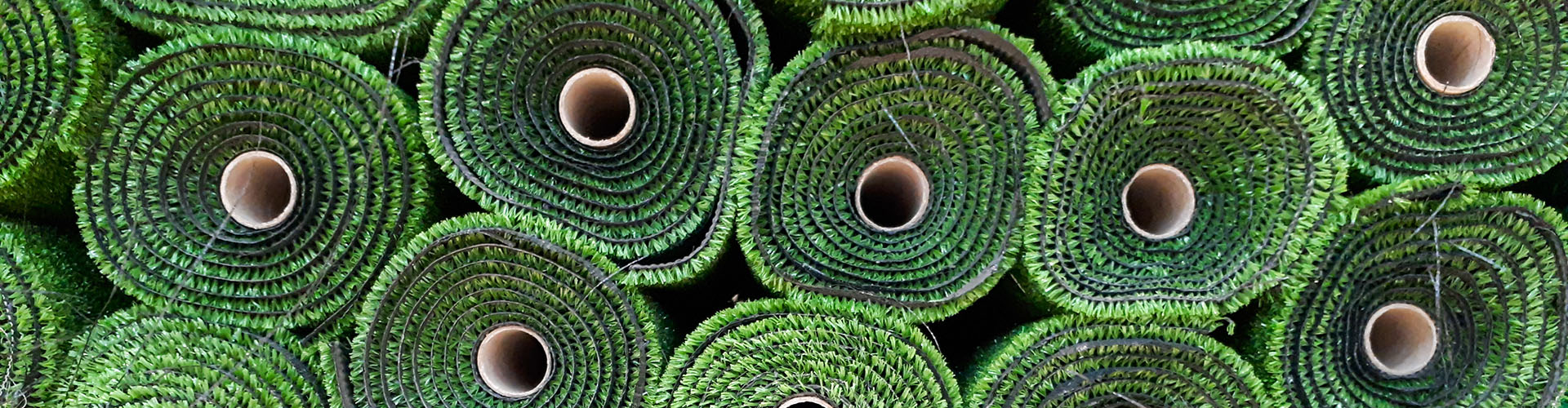
Rolls travel as rolled goods rather than pallets, so width, diameter and weight belong in the order conversation along with the unload plan. The standard roll formats and product range give you reference dimensions before you measure the site. Divide the laid area by the area per roll, add a margin for offcuts, and the wholesale conversation starts from numbers instead of guesses.
Winter Handling and Installation Practices
Rolls leave the factory tightly wound and need time to settle. Plan on roughly 24 hours laid out flat before fixing, rising to 48 hours in winter, so the pile loses its roll memory and wrinkles work out. Laying on frozen ground is its own risk, since a frozen subgrade cannot be compacted and will move again at thaw. The complete guide to what goes under artificial grass for drainage covers the base side of that check.
Snow is the part every facility manager asks about first. Published guidance for synthetic fields caps equipment pressure at 70 PSI on the surface and subbase. It recommends plowing below 25 F (minus 5 C) and leaving a 1 to 1.5 inch crust of snow to melt off naturally. A plastic shovel rather than a metal one protects fibres on smaller areas, and the drainage holes in the backing stay open so melt water escapes.
| Winter handling parameter | Working figure | Why it matters |
|---|---|---|
| Equipment pressure on surface and subbase | Up to 70 PSI | Heavier gear displaces infill and deforms the base |
| Plowing temperature threshold | Below 25 F (minus 5 C) | Frozen snow holds its shape and lifts cleanly |
| Snow crust left on the surface | 1 to 1.5 inches | Acts as a sliding layer and melts away in the sun |
| Acclimatisation before laying | 24 hours, 48 in winter | Removes roll memory and wrinkles before fixing |
De-icing needs a note in the plan: calcium chloride solutions are preferred over sodium chloride ones, whose regular salt dries into hard, abrasive crystals that scuff the fibres. An artificial turf installation that follows these figures comes out of winter needing repairs only where the base was wrong, not where the surface was.
Acceptance Checks for Winter Turf Deliveries
A winter delivery window is tight, so acceptance starts before the truck arrives. Confirm a golden sample first: pile height, colour tone, backing and feel, checked in daylight. Then match every delivered roll against it, because dye lots from different runs show the moment two squares sit side by side. Weight and packaging condition matter too, since a roll damaged in transit surfaces exactly when you have no time to react.
Check the delivery note against the physical goods as well: roll width, length, diameter and weight, plus the condition of the packaging. The commercial artificial grass range is quoted against a stated specification, which gives the crew a fixed reference instead of a general description. And if you are still weighing why buy wholesale fake grass for winter prep, a 20 by 20 cm sample settles it. The sample is the same construction as the order, in your hand before you commit, and it gives the crew a daylight reference for every roll that follows.
Will Winter Close Your Sites Before Turf Arrives?
If you are stocking turf rather than laying it, ask for our dealer terms: container-level pricing, consistent batches across reorders, and samples for your sales counter.
Common Winter Buying Mistakes to Avoid
Most winter procurement failures trace back to a handful of decisions made weeks before the frost, each avoidable at the desk and expensive to fix on site.
Ordering Roll Widths That Fight the Site
A layout drawn around one width and supplied in another produces extra seams and offcut waste, the classic 15-foot-versus-4-metre mismatch. Verify the roll width against the drawing before anything is confirmed, then adjust the layout or the order, never both after delivery.
Treating Every Roll as the Same Dye Lot
Colour, density and texture can shift between production runs, and a bulk order spread across runs will patchwork under direct light. Ask that the order comes from a single batch, and hold the supplier to the tone of the approved sample.
Skipping the Confirmation Sample
Approving production without a confirmed sample hands the judgement call to the factory. A golden sample checked in daylight, against the written specification, is the cheapest insurance in the whole wholesale process.
Laying Rolls the Day They Arrive
Rolls straight off transport carry roll memory and winter cold, and fixing them down immediately locks in wrinkles. Give them the 24 to 48 hours of acclimatisation the surface needs, especially in cold months, and the seams close flat the first time.
A Pre-Winter Procurement Checklist for Bulk Buyers
Run the sequence below and the winter window works for you instead of against you. Every step happens before the ground freezes.
Fix the Specification in Writing
Pile height, density, colour, yarn type and backing, set down as one document. The quote then matches the roll, and the roll matches the site.
Measure, Map and Calculate the Quantity
Area per roll against laid area, a margin for offcuts, and a seam plan that keeps joints out of the main sight lines. Width decides where seams fall, which decides how the artificial turf installation reads for the next decade. Numbers first, negotiation second.
Confirm a 20 by 20 cm Sample First
Sample sets usually ship as three to four pieces by DHL or FedEx in 4 to 6 days, with courier freight paid by the buyer. Custom sample production takes longer, so start it early in the autumn.
Book the Delivery and Storage Window
Confirm the unload conditions for rolled goods, a flat and shaded storage spot, and the acclimatisation time before fixing. An artificial turf installation that starts with a settled roll finishes faster than one that starts with a fight.
Winter rewards buyers who move first: the specification is set, the sample is approved, and the rolls arrive while the window is still open.
Frequently Asked Questions
Can fake grass be installed in winter?
Yes, and winter is often the better window. Ground is softer for base preparation, contractor schedules are more open, and the surface handles cold temperatures without the recovery problems natural grass has.
How long should rolls acclimatise before winter installation?
Plan on 24 hours as a minimum, rising to 48 hours in winter. Rolls leave the factory tightly wound, and the extra time lets the pile settle flat before you fix the seams.
What roll widths work best for winter projects?
Two, four and five metre widths by 25 metres long cover most layouts. Four metre rolls are the safest default when site dimensions are still uncertain, and five metre rolls cut seams on large areas.
How do I keep snow from damaging a turf surface?
Plow below 25 F with equipment under 70 PSI, and leave a 1 to 1.5 inch crust of snow behind. Use a plastic shovel on small areas and keep the drainage holes clear.
How do I check batch consistency before a bulk order?
Confirm a golden sample first, then match every delivered roll against it. Check pile height, colour tone, backing and feel roll by roll, because dye lots from different runs will show once installed.
How do I get a sample before committing to a wholesale order?
Request a 20 by 20 cm sample, usually sent in a set of three to four pieces. Delivery runs 4 to 6 days by DHL or FedEx, with courier freight paid by the buyer.


 English
  Arabic
  French
  German
  Portuguese
  Russian
  Spanish