

Two deliveries of the same turf can read as two different lawns once they are seamed side by side. The tone shifts slightly, the seam line shows, and the whole finish looks patchy in daylight.
Will my artificial turf match if I order in two batches? Usually not perfectly, and the reasons sit in the factory rather than on your site. We run our own tufting line, so batch continuity is one of the first things we confirm with bulk buyers. Here is what changes between runs and how to plan a phased project.
Why Two Batches Can Look Like Two Lawns
Turf is made in production runs, and the industry calls each run a dye lot or batch. Even when the product name and the specification sheet stay identical, slight variations in colour tone and fibre shading occur between runs. On a single roll in the yard, nobody would ever notice.
Laid side by side, the story changes. A slight tone difference becomes a visible transition across a seam, and the effect grows with the area and the sunlight. In practice, mixing rolls from different runs is the most common cause of visible transitions in artificial turf installation work.
| Aspect | Same production run | Different runs |
|---|---|---|
| Colour tone | Consistent across rolls | May shift slightly between runs |
| Seam visibility | Minimal risk of a visible transition | Transition becomes easier to spot |
| How to secure it | Full quantity on one purchase order | Top-up order, batch not guaranteed |
That is why the question is about planning, not product quality. A slight batch difference is normal manufacturing behaviour. The failure mode is letting two runs meet across an open lawn without a plan.
What Actually Changes Between Production Runs
The recipe stays the same from one run to the next: same yarn polymer, same colour pigments, same tufting spec. What changes is the day the run is made. Small differences in dye production, temperature, humidity and storage conditions before shipment can all nudge the finished shade.
Each variation is tiny in isolation. Stack a few of them onto a single production day, and the output sits a shade away from the run before it. This is not a defect; it is how the process behaves. An artificial turf installation that mixes runs simply exposes what buyers never see when every roll comes from one batch.

The practical takeaway: the same product name does not guarantee the same shade. Only the same production run does, which is why suppliers treat batch matching as its own topic.
How Installers Keep Uniform Colour Across Sections
The first rule is to buy the full quantity in one order, so the supplier can allocate every roll from a single run. Measure the whole project area up front, including areas that might be phased later.
The second rule is direction. Turf fibres lean one way, and rolls laid with opposing lean reflect light differently. The result reads as a colour mismatch in some light, so every section of an artificial turf installation must run the same pile direction across joins and phases.

The third rule is honesty about lighting. Shade differences that hide indoors show up in direct sun across large open areas, so compare rolls outdoors before anything is cut.
Mistakes That Split One Lawn Into Two
Most two-tone lawns are not caused by one bad decision. They accumulate from four avoidable mistakes, each tracing back to the same unanswered question: will my artificial turf match if I order in two batches?
Measuring to the Exact Square Metre
Ordering exactly the measured area leaves no room for trimming, direction matching and offcuts. When the shortfall forces a top-up order months later, the new rolls come from a different run. Common allowances are 5% for a simple rectangle, 10% for curved or L-shaped areas and 15% for complex shapes.
Treating a Top-Up as the Same Product
A later order may come from a completely different batch even when the product name matches. Small top-up orders also carry disproportionately high freight and can hold up the job. Confirm batch continuity before the second delivery is promised to site.
Ignoring Pile Direction at the Layout Stage
Rotating a roll to fit an awkward corner flips the lean of the fibres. The patch then reflects light differently and reads as a different colour entirely. Fix the direction on the plan before the rolls arrive, not after they are unrolled.
Judging Colour Under Indoor Lighting
A warehouse floor hides what a garden or pitch reveals. Batch differences become more noticeable in direct sunlight, across large open areas and where sections connect. Any comparison between rolls belongs outside, in the light the finished surface will live in.
Choosing Roll Widths for Batch Continuity
Roll width decides how many seams a lawn carries and how much trimmed surplus each phase produces. Fewer seams mean fewer side-by-side transitions in any artificial turf installation. Standard rolls come in 2, 4 and 5 metre widths at 25 metres long.
| Roll format | Area per roll | Best fit | Trade-off |
|---|---|---|---|
| 2 m × 25 m | 50 m² | Small areas; easy transport and handling | Most economical; more seams on large layouts |
| 4 m × 25 m | 100 m² | Safest choice when dimensions are uncertain; widest supply | Covers most layouts with moderate seam count |
| 5 m × 25 m | 125 m² | Large open areas with almost no seams | More expensive; heavier to move and install |
| Custom width | Cut to the project | Irregular layouts where a seam must not exist | Tailor-made premium option with longer lead time |
Review the standard roll formats and widths before fixing a layout. The residential artificial grass range shows how the same widths map onto domestic lawns.

Width planning is batch planning. A layout built on wider rolls simply has fewer places where two runs could ever meet.
Checklist Before You Confirm the Second Batch
Phased projects do not have to end in a two-tone lawn. Five checks made before the second delivery is confirmed protect artificial turf installations that arrive in stages.
Put Every Phase on One Purchase Order
Buying the full quantity at once lets the supplier allocate all rolls from a single production run, even if delivery is taken in stages. This is the single most effective step.
Tell the Supplier Early That a Second Delivery May Follow
Suppliers can hold continuity on a specification when they know more is coming. Communicate the phasing plan at enquiry stage, not when the shortfall is already on site.
Fix the Pile Direction Across the Whole Layout
Draw the direction onto the plan for every phase, including the small areas installed last. Mixed direction and mixed batches compound each other in the same light.
Confirm the Spec Sheet on Both Deliveries
Pile height, density and backing should read identically on the paperwork for both shipments. The custom pile heights, densities and colours we produce against a written brief are confirmed in the same way.
Keep a Reference Piece From the First Delivery
An offcut from the first phase gives you something to compare against before the second phase is cut. Compare both pieces outdoors, in daylight, from the angle the lawn is viewed.
How We Keep Both Deliveries on One Spec
Our line runs the full sequence from compounding and extruding through twisting, tufting, coating, drying, perforating and rolling up. That eight-step process is why we can hold a specification across deliveries. Rolls leave in 2, 4 and 5 metre widths by 25 metres, with pile, density, colour and backing built to the confirmed brief. You can read how we work on our about page.
Will my artificial turf match if I order in two batches? On our side of the fence the answer is built in. Both deliveries are planned against one confirmed specification and one production run, so the lawn reads as one surface from day one.
Will Your Second Delivery Blend In?
One specification rarely covers every zone. Give us the traffic, the climate and the dimensions, and we tuft to those figures before production runs.
What If the Two Sections Were Installed Years Apart
Matching a brand-new artificial turf installation to an older one is a different problem. A lawn that has lived outdoors has weathered: ultraviolet exposure, rain and foot traffic all shift how the fibres reflect light. Even turf from the original production run would look newer than the surface around it.
The honest expectation is blending, not matching. Lay new sections in the same pile direction, and transition along a natural boundary such as a path or a bed line. That makes the change far less readable than a seam straight across the middle.
Will my artificial turf match if I order in two batches when the first batch went down years ago? Start from a current sample rather than a memory of the original colour. Compare it outdoors before you commit to any quantity.
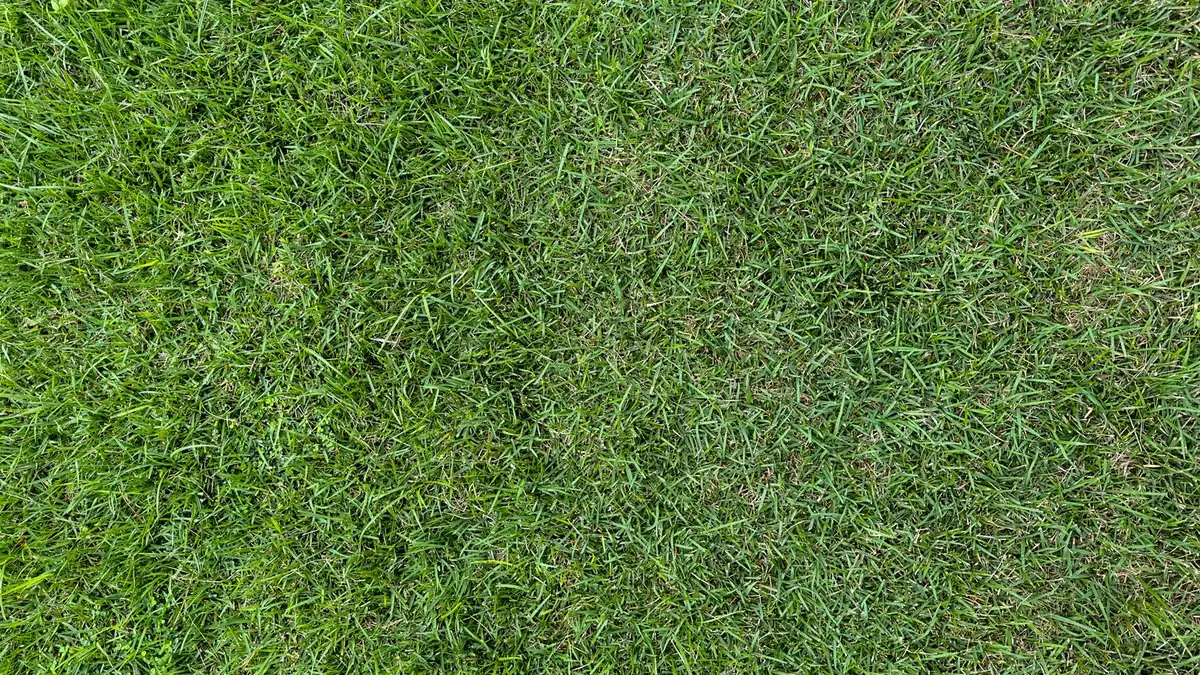
Where Samples Fit Into a Two-Batch Plan
Samples are the cheapest insurance in a phased project. We cut them free at 20 cm by 20 cm, usually three to four pieces, with the courier freight covered by the buyer. They ship by DHL or FedEx in 4 to 6 days, or 7 to 9 days to remote areas. A custom sample built to your specification takes an additional 10 to 15 days.
Will my artificial turf match if I order in two batches? You do not have to take that on trust. Lay the sample on the existing lawn in daylight, check it from the main viewing angle, and only then fix the quantity for the second delivery. Request samples through the free samples page alongside your phasing plan.
Frequently Asked Questions
Can I order replacement turf a year later and still get a match?
Usually not a perfect match. An installed lawn has weathered outdoors, so even turf from the original batch will look newer. Plan a blending transition and compare a current sample in daylight first.
How much extra artificial grass should I include for one-batch coverage?
Common allowances are 5% for a simple rectangle, 10% for curved or L-shaped areas and 15% for complex shapes. Ordering the full quantity at once lets the supplier allocate one batch.
Do roll widths affect how two batches look together?
Yes. Wider rolls mean fewer seams and fewer side-by-side transitions, so any tone shift is less visible. Our rolls come in 2 m, 4 m and 5 m widths by 25 m.
Does pile direction change the colour between sections?
Yes. Fibres lean one way, and rolls laid with opposing lean reflect light differently, creating a visible band. Every section must run the same direction across the whole lawn.
How do samples help before a second delivery?
Request free 20 cm by 20 cm samples, usually three to four pieces, shipped by DHL or FedEx in 4 to 6 days. Compare the shade against your lawn in daylight.
Is a slight colour difference between batches a defect?
No. Minor variation between production runs is normal, even with the same recipe. It only becomes a problem when rolls from different runs are installed side by side.


 English
  Arabic
  French
  German
  Portuguese
  Russian
  Spanish