








Two quotes arrive for the same green space. One stacks most of its bill on installation day; the other spreads a thinner bill across every season. Neither document shows the years the surface must serve or the hours it must absorb, and that missing denominator is why buyers keep bringing us both quotes to reconcile.
An honest turf vs natural grass cost comparison runs the whole ledger. It covers the groundwork both sides pay before anything is laid, the water and labor each surface consumes every season, and the exit bill a decade later. We sit on the factory side of this question, and we price both columns honestly because buyers bring us both. What follows is that ledger, built on government and university numbers rather than vendor spreadsheets.
Total Cost of Ownership Is the Only Fair Unit
Ask what a surface costs and most answers start at the roll or the sod. That habit is exactly how both columns get quoted out of context. On install day the natural-grass bill usually looks smaller, so the artificial quote reads as extravagance. On the monthly statement the positions flip, and the natural lawn starts to look like the indulgence. Total cost of ownership refuses both tricks: it adds every line from site preparation to disposal and divides the pile across the years the surface actually serves.
Framed this way, the turf vs natural grass cost comparison becomes a question of which column carries the weight — capital up front, or operating cost every season after. The ledger below walks that operating column in order, from water through maintenance to lifespan and disposal.
What Both Sides Pay Before Anything Is Laid
The artificial side rarely gets its groundwork itemized: base layer, drainage, grading and compaction all sit under the roll, and competitors rarely list them on the quote. The artificial-side cost line items in detail shows how deep that pre-surface column runs. The natural side carries its own hidden pre-work: site preparation, soil amendment and the irrigation rough-in that has to exist before the first sod arrives. The claim that natural grass is just seed and water does not survive contact with institutional guidance. The New South Wales planning guideline for decision-makers describes a well-constructed natural sports field as including a rootzone layer and sand slit drainage, not merely topsoil and turf.
Why the Ongoing Column Decides the Outcome
Once the surface is down, the annual cost profile decides where the two columns cross. Water and labor are the swing variables, and they pull in opposite directions on each side. A natural lawn drinks and demands hands; a synthetic lawn stays dry and mostly hands-off, but it ages toward a replacement date the natural surface never faces. On our residential figures, payback for artificial turf typically lands within three to five years through eliminated water bills, lawn-service costs and equipment purchases. After that, the operating column keeps repaying the artificial side while the natural side keeps invoicing.
A payback figure is only as honest as the water line it replaces, which is why this ledger measures the gallons before claiming any savings. Site conditions decide whether the math lands in year three or year five. That is the surveyor’s discipline the rest of this article keeps.
Installation: Why Natural Grass Starts Cheaper
Start with the institutional figure: the only quantified cost contrast in this article that comes from a government guideline. Per the NSW decision-maker guideline, well-constructed natural turf sports fields typically sit at less than a third the capital cost of a synthetic turf sports field. The qualifier matters: that is a proportion at sports-field scale, not an absolute price, and residential gaps usually run larger but are harder to generalize. Either way, the capital column opens in natural grass’s favor.
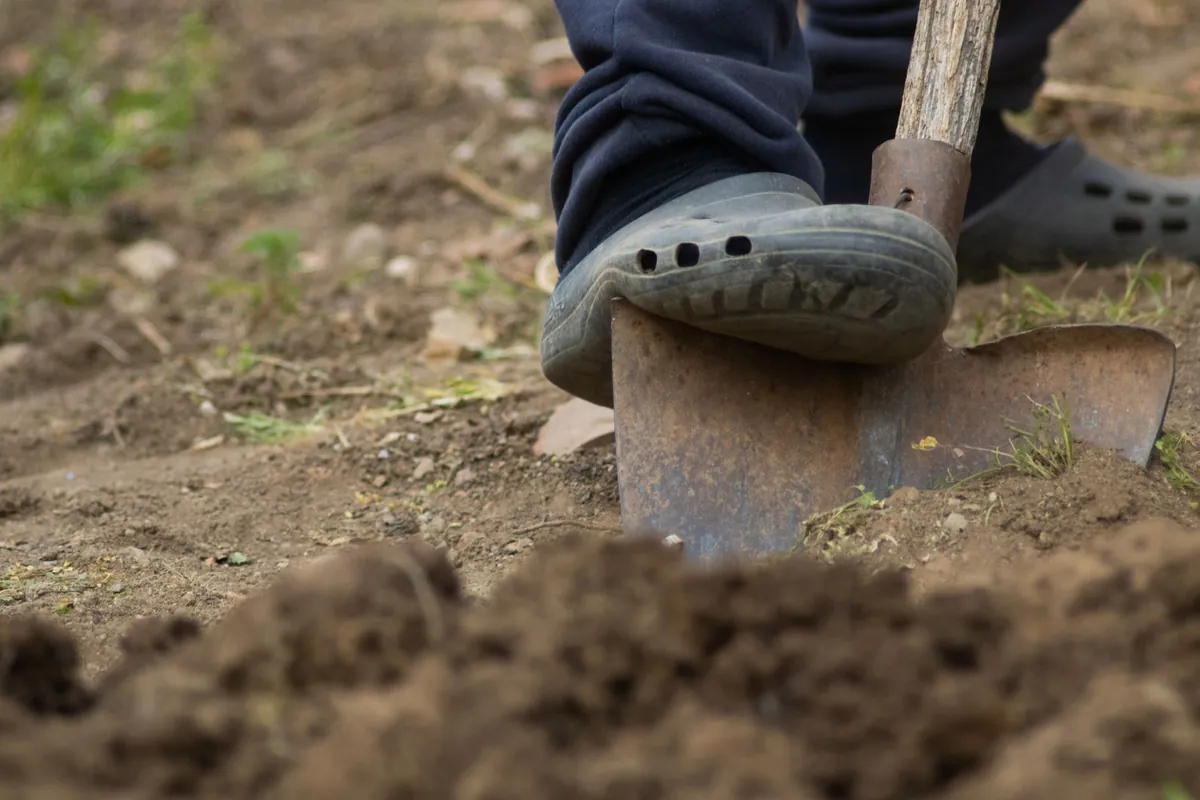
The natural side’s material line is genuinely cheap. Sod or seed is inexpensive by the square meter, and the laid surface can repair itself — an asset from day one. The heavy lines are everything around it: site preparation, soil amendment and the irrigation system. NC State Extension framing is blunt about that last item — improper irrigation wastes water, adds cost and leaves plants unhealthy.
The artificial side pays for rolls, then pays again for everything under and between them: base and drainage work, seams, edges and installation labor. Roll width is where layout waste becomes cost. Our rolls come 2, 4 and 5 meters wide by 25 meters long, with cust