








Walk the edge of the property with the drawing in hand and the first decision is not grass at all. It is where the lawn stops, where the patio takes over and where the planting beds cut in. Two backyard retreat synthetic grass projects can ship on the same roll specification and still split: one reads as landscape from the patio door, the other as carpet. The difference is decided before the rolls arrive, in the zone map and the spec sheet.
We sit on the manufacturing side of that decision, and the questions contractors bring to our spec desk are rarely about a single swatch. They are about zones, seams, batch control and the transitions where turf meets stone or bed. A design-build crew that works those decisions in order gets a lawn that reads natural from day one; a crew that skips the map spends the project repairing reads instead.
Map the Retreat Into Zones First
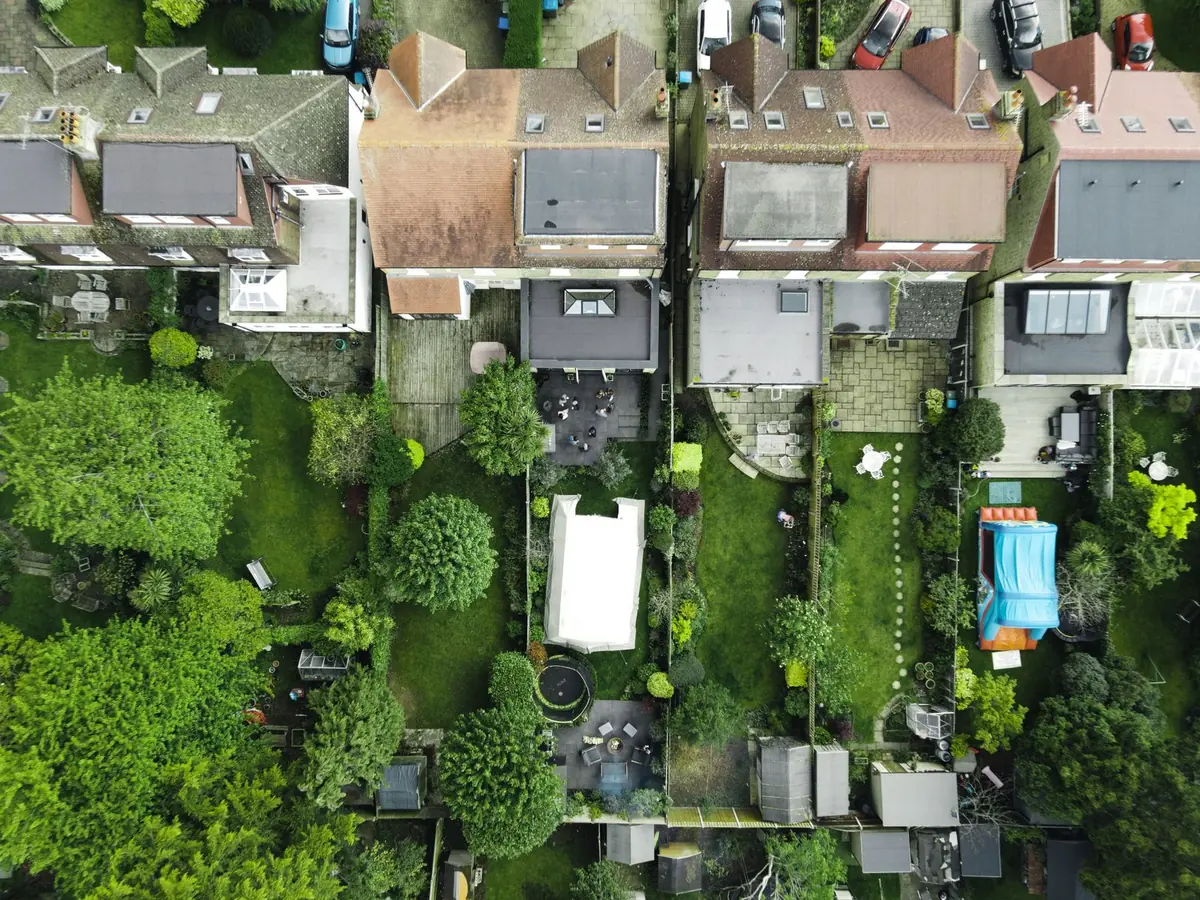
Start where the brief starts: with behaviour. A retreat lives in zones: dining and lounging, children’s play, a pet run, a poolside stretch and, for some clients, a dedicated backyard putting green corner. That corner is a design track of its own rather than a lawn zone. Each zone carries its own traffic frequency, and traffic frequency is what sets the specification priority. The zone map is the first document we ask a contractor to bring, because roll width, lay direction and seam planning all fall out of it.
If the trade-offs against a natural lawn are still open, why artificial turf is a great addition to a backyard settles the upkeep and cost case.
The turf itself works as the connecting element: one surface flowing from lounge to dining patio, around the fire pit, between beds, while each zone stays visually distinct. Zones carry different spec consequences:
- Dining and lounging: constant furniture load, so fibre recovery and density outrank pile drama.
- Children’s play: traffic concentrates into tracks, so resilience and an even surface matter most.
- Pet run: drainage and cleaning set the spec, with permeable backing as the priority line.
- Poolside: splash and bare feet call for drainage-first backing, judged wet as well as dry; we cover poolside turf trade-offs in detail in a separate guide.
- Open lawn: the visual anchor, where colour blend and thatch do the realism work.
A backyard retreat synthetic grass plan therefore starts as a zoning exercise, not a product pick. Roll logistics follow the map. Our landscape rolls run 2 m, 4 m and 5 m wide by 25 m long, with custom widths on request, and wider rolls mean fewer seams across large areas. The zone drawing also fixes lay direction, which the installation crew will thank the designer for later. Before any of this converts into quantities, measure the garden before ordering, because the map only pays off on accurate dimensions.
Reflected sunlight is a design-stage risk, not an installation detail. Light bouncing off south-facing glazing can melt turf fibres, a failure mode one landscape designer describes as common enough to design around deliberately. Position heat-exposed zones away from reflective glass or plan shading into the layout before installation, not after.
Match Grass Specifications to Each Zone
Translate each zone into specification language and the plastic look loses its grip. Colour comes first. A real lawn never holds one shade of green: deep greens, olive tones and lighter highlights sit in the same sward. Quality turf recreates that variation by blending several yarn colours. Blade shape follows: spined and mixed shapes spring back after traffic, while flat blades fold over and read as worn from the first season.

Density and pile height complete the base decision. Dense stitching hides the backing and resists traffic patterns, and face weight alone is a poor quality signal — a full-looking system beats a heavy number on paper. Pile height stays qualitative at design stage: mid-range reads as a maintained lawn, very short reads sporty, and very tall flops without enough spine. Where blade colour must sit in a specific region, judge samples in daylight rather than store lighting, because regional lawns run lighter or darker. Roll widths and landscape specifications sit on our roll page for the ordering stage.
| Zone | Colour & look | Fibre & recovery | Backing & drainage priority |
|---|---|---|---|
| Lounge & dining | Blended shades over thatch, matched to regional greens | Spined shapes that recover under furniture load | Standard build; density leads |
| Pet run | Mid-tones that disguise wear tracks | Resilient fibre, easy to brush and rinse | Permeable backing first; our PP+Net and PU systems both apply |
| Poolside | Lighter regional tones that read clean when wet | Non-folding blades under bare-foot traffic | Drainage priority; perforated or fully permeable construction expected |
| Play lawn | Natural blend, no single bright green | High recovery on concentrated traffic paths | Density leads; even surface acceptance at handover |
Batch discipline closes the sheet. Per one turf supplier’s batch-mat