





Insights & Guides

Artificial Grass Insights

Yarn engineering, installation know-how and sourcing insights from the Relyir Grass factory team — sports turf, landscaping, playgrounds and putting greens.

Gym Turf: One Pile Height Doesn’t Fit All Zones

Gym Turf: One Pile Height Doesn’t Fit All Zones

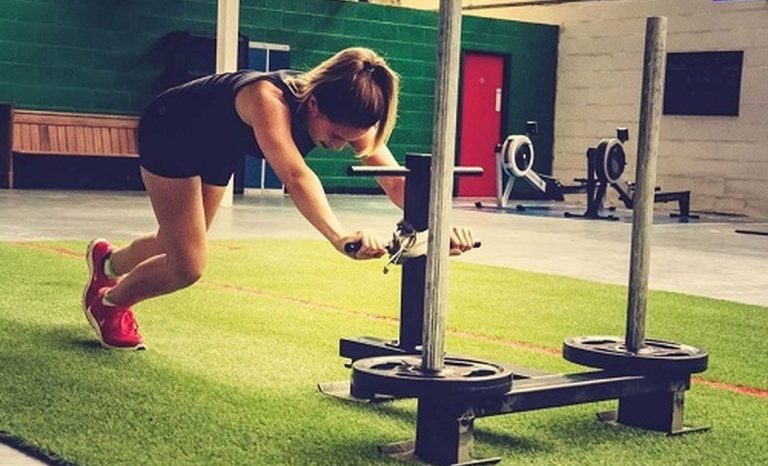
A functional training zone rarely fails because the turf was cheap. It fails because one pile height was written across the whole area, and four different movement patterns were asked to share that single number. Friction, compression and fiber recovery do not scale the same way, so a surface that suits a loaded sled fights ...

Read Article
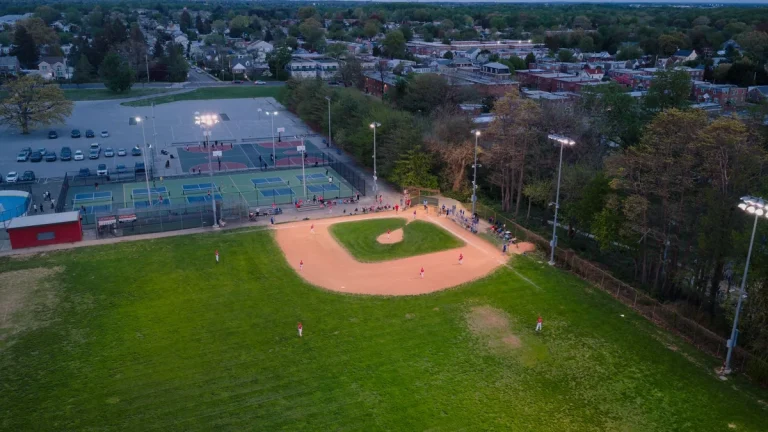
Softball vs Baseball Turf: The Infield Difference

Softball vs Baseball Turf: The Infield Difference

A softball infield is usually one flat, skinned surface of coloured turf, not a green infield wrapped around a raised mound. That single structural fact drives every number in the specification. It is also why we treat a softball diamond as a zone list before we treat it as a field. On our line we ...

Read Article
Dog Daycare Turf: Beating Odour Starts With Drainage

Dog Daycare Turf: Beating Odour Starts With Drainage

Walk the gate line of a twenty-run boarding kennel at the end of a busy Saturday. The fibres are dry to the touch, matted flat where dogs turn, and the air above the surface is sharp enough to reach the office. Operators blame the yarn. The chemistry says something different. On our line we test ...

Read Article
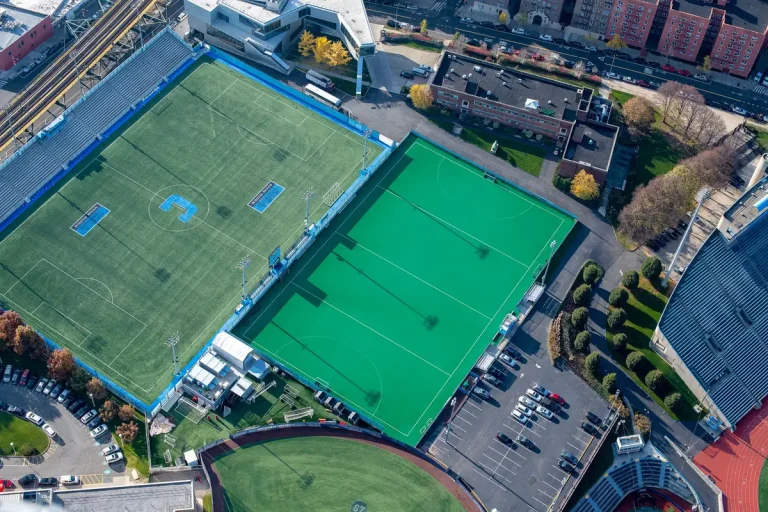
What Makes a Good Lacrosse Field Turf

What Makes a Good Lacrosse Field Turf

A lacrosse game often turns on a ground ball, and that ball’s first bounce comes off the surface. If the pile cannot hold the ball up, the bounce runs high and wild. If the infill is packed down, the roll dies short and the pass arrives late. Buyers get adjectives instead of numbers: consistent ball ...

Read Article
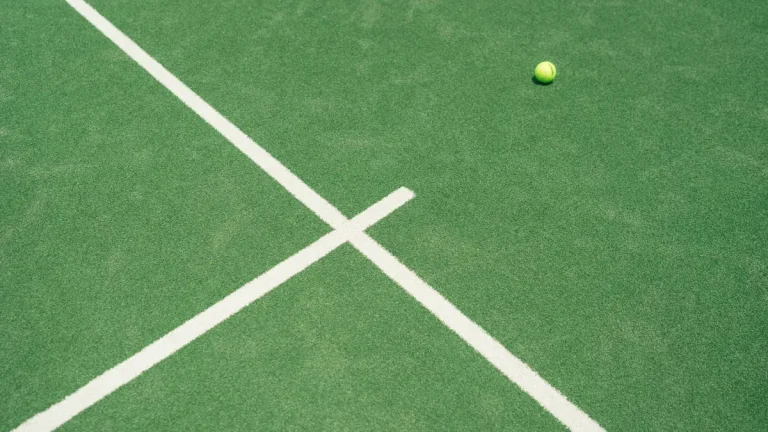
Tennis Court Artificial Grass: Sand Rate Over Pile Height

Tennis Court Artificial Grass: Sand Rate Over Pile Height

Most court specifications fail in the same place, and it is not the yarn. A pile height gets written down once, then copied into every later document as a settled decision. Sand behaves differently: it is not a recipe line but a quantity that keeps leaving the court. Our own view is that a sand ...

Read Article
Baseball Field Turf Is Five Fields in One

Baseball Field Turf Is Five Fields in One

A baseball diamond is not one surface. The infield plays faster than dirt and shortens a fielder’s reaction time. The mound, the batter’s boxes and the base paths also reach the end of their life years before the outfield does. One published figure puts a whole turf field at around 8 to 10 years, and ...

Read Article
Custom Logo Turf Mats: Where They Work and How to Spec Them

Custom Logo Turf Mats: Where They Work and How to Spec Them

The first thing to fail on a branded turf mat is rarely the graphic. It is the edge. Cut turf leaves pile and backing open at the perimeter. A mat can fray and lift at the border long before the middle of the artwork shows any wear. Colour count shortens that life further, and the ...

Read Article
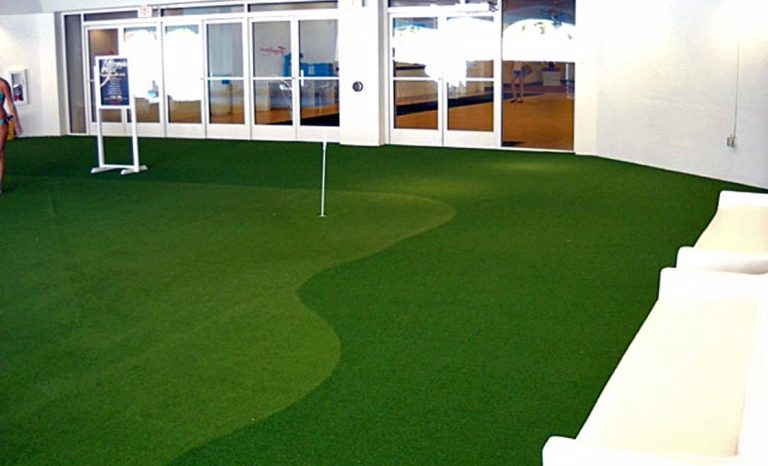
Driving Range Turf: Four Surfaces, Four Different Loads

Driving Range Turf: Four Surfaces, Four Different Loads

A practice facility is not one surface. It is four surfaces under four different loads, and the strip that fails first is the one nobody prices separately. The tee line takes a club head coming down, a shoe twisting, and a lateral shove, all inside a band about the width of a stance. Everything else ...

Read Article
Pickleball Court Turf: Specs That Keep the Bounce True

Pickleball Court Turf: Specs That Keep the Bounce True

Two players can step onto the same green surface and describe two different games. One says the ball sits up and comes to them. The other says it dies at their feet. Both are accurate, because a hard plastic ball built to rebound off asphalt behaves differently once it lands in deep fibres and loose ...

Read Article
Back to top