
A patio that stays green through every season starts with the right roll, not the right brochure. We have supplied artificial grass to landscaping crews and distributors in more than 50 countries since 2006, and patio enquiries sit near the top of that demand list. The roll that suits a garden border is not always the roll that suits a paved terrace with furniture, shoes, and pooled rainwater.
Our team wrote this homeowner guide from the questions trade buyers ask us every week. Choosing artificial grass for patio use comes down to five decisions: roll width, pile height, face weight, backing, and the base underneath. Each section below carries the same checks our production bench runs before a roll leaves the line.
What Makes a Patio Different
Patios are hard-surface projects. The grass does not root into soil; it lies over concrete, pavers, or decking, so water must leave through the backing and the edge joints instead of soaking away below. Furniture legs press the pile flat in circles. Door thresholds and step edges expose every cut.
Because a patio is a finished room rather than a lawn, buyers judge it up close. Fibre softness, colour stability, and how the pile recovers after a chair moves all matter more here than on a distant slope. That is why we treat artificial grass for patio programmes as a distinct specification, not a leftover garden roll.

For the wider residential context these rolls serve, see our residential artificial grass range.
Measure the Space and Pick Roll Width
Measure the longest and shortest runs of every patio before any artificial turf installation is quoted. Our rolls come in two, four, and five metre widths, each 25 metres long. The right width can often run the whole depth of a terrace without a cross seam. Width also decides waste: a roll matched to the shortest run leaves offcuts instead of leftovers.
| Roll width | Best suited to | Trade note |
|---|---|---|
| 2 m × 25 m | Small patios and tight access | Most economical; easy to carry and install |
| 4 m × 25 m | Most terrace layouts | Safest choice when final dimensions are uncertain |
| 5 m × 25 m | Large seamless terraces | Fewest seams; heavier to transport and install |
Two metre rolls are the most economical and the easiest to move through side gates. Four metre rolls cover most layouts when the final dimensions are still uncertain. Five metre rolls suit large terraces where almost no seam is wanted, though they cost more and need a bigger crew to carry.
For buyers who resell by the roll, our artificial grass roll product page lists the standard widths trade customers order most.
Pile Height and Face Weight Choices
Pile height decides how the surface behaves under furniture. Lower piles spring back after a chair or planter moves; taller piles feel plusher but show pressure marks sooner. On patios, most of our landscape customers choose a mid-height pile with a strong thatch layer, because the mix hides footprints and keeps the surface looking even.
Face weight is the density of yarn stitched into each square metre, and it drives both price and durability. A higher face weight survives deck chairs, plant pots, and constant foot traffic better than a thin decorative roll. Our artificial grass glossary defines each term, and the face weight guide shows how density is measured and compared.

Ask for samples in two pile heights and two face weights, then press a real chair leg into each one overnight. The pile that recovers by morning is the pile your customers will stay happy with.
Backing Drainage and Base Preparation
Every artificial turf installation over a hard slab lives or dies on drainage. Rainwater must pass through the backing perforations, across the slab fall, and out at the edge. If water sits under the roll, seams soften and odours follow within a season.
We coat our rolls with PP+Net or PU backings, and both are perforated for drainage. PU holds up best where furniture is dragged often or the patio serves a commercial space. The base underneath should be compacted, clean, and sloped slightly toward a drain or an edge gap.
| Backing type | Where it fits | Trade note |
|---|---|---|
| PP+Net | Patios, terraces, general landscape | Economical and freely permeable |
| PU | High-traffic or commercial patios | Stronger bond and better dimensional stability |
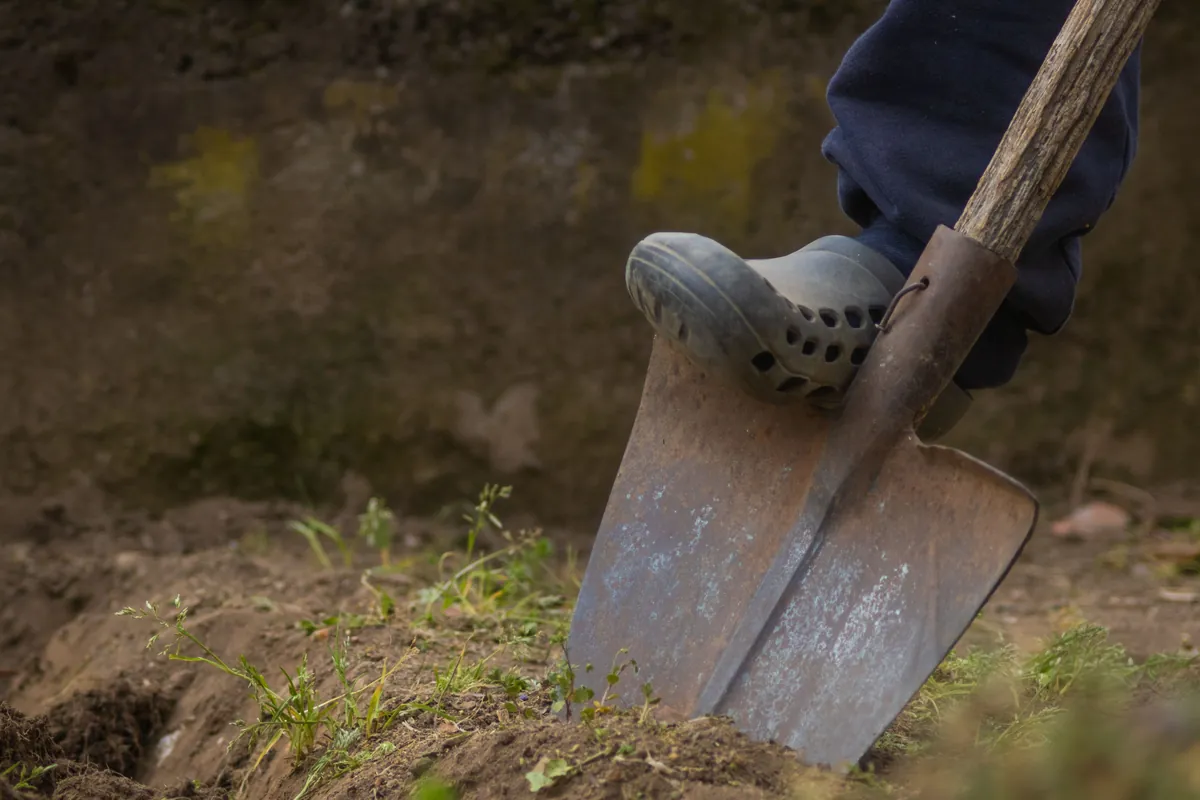
For a deeper walkthrough of sub-base options, our drainage bases guide compares stone, compacted sand, and other bases. What goes under artificial grass matters as much as the roll on top.
Sample Checks Before You Commit Volume
No serious buyer commits a container on a brochure. We cut free 20 by 20 cm samples in three or four variants, and trade buyers usually order a set per project family. Comparing artificial grass for patio use side by side exposes differences no photograph shows.
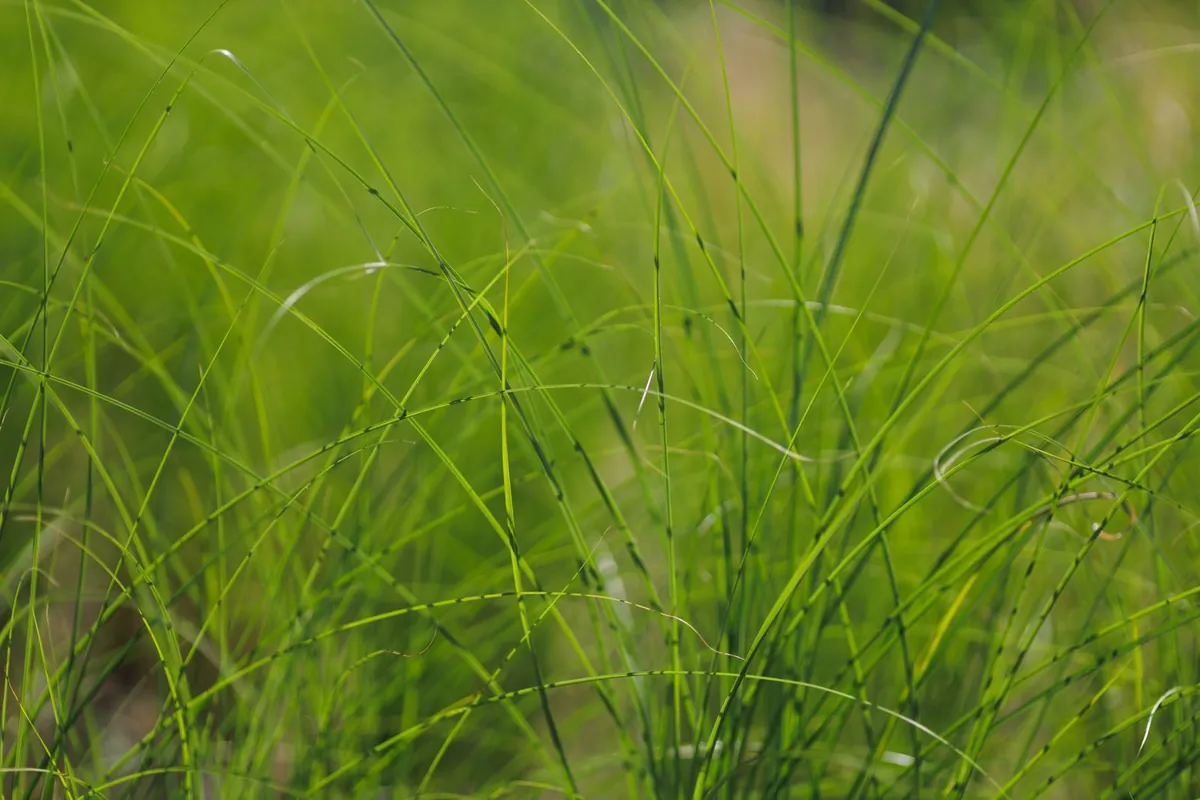
Rub each sample with a damp cloth, bend it, and leave a weight on it overnight. Check the backing, count the drainage holes, and hold the pile against the light to spot thin areas. Samples ship by courier in four to six days, so this test costs days, not weeks.
Our export team can tailor sample size and pile mix to a specific project, since yarn colour, density, and roll dimensions are all customisable at the factory.
Factory Direct Pricing for Trade Buyers
Factory direct supply removes the distributor margin, and our production costs run 30 to 50 percent below international competitors thanks to efficient lines and supply chains. Pricing is indicative $7-60 per square meter depending on grade, backing, and padding; request an exact quote against your drawings and total square metres.
Volume shapes the number. A single terrace and a twenty-terrace programme for a landscaping firm do not price the same. Each artificial turf installation carries its own area, backing choice, and roll width mix. Our team quotes every project on those three inputs.
Supply Artificial Grass for Patio Programmes at Factory Direct Terms
Our automated lines run landscape and patio rolls on the same equipment that serves sports fields. Every roll carries PP+Net or PU backing, with custom roll widths on request. Production costs run 30 to 50 percent below international competitors, and 18 years of export experience stands behind every container.
Landscapers, contractors, and distributors supplying patio projects in volume: send your project drawings and total square metres, and request a quote for your project volume today.
Installing Patio Grass Across Multiple Sites
Crews that fit one patio quickly can fit twenty, provided the method stays the same. Roll out, rest, cut edges, seam, fix, and brush. An artificial turf installation over paving needs no digging, so most terraces finish within a day.
On multi-site programmes, standardise the roll width and the fixing method so every crew works from the same steps. Keep offcuts for step nosings and planters. Our installation walkthrough covers the sequence crews follow on site.
Common Patio Grass Mistakes to Avoid
Three mistakes repeat across patio enquiries. The first is ordering a width that forces a seam down the middle of the terrace, which a wider roll would have avoided. The second is skipping the base slope, so rainwater pools at the door. The third is choosing a pile by photo alone, without a furniture test on real samples.
Every one of these is cheaper to fix before the container ships than after. Measure twice, test samples under real furniture, and confirm the drainage plan with the crew who will actually lay the roll.
Frequently Asked Questions
Does artificial grass for patio areas need drainage holes?
Yes. Every roll we ship carries a perforated backing that lets rainwater drain straight through. Pair it with a compacted, slightly sloped base so water keeps moving instead of pooling under the seams.
What pile height works best for a patio?
Shorter piles stay upright under table and chair legs, while taller piles feel softer but flatten where feet rest. There is no single correct height; test two or three samples under real furniture before you commit volume.
How much does artificial grass for patio installations cost?
Pricing is indicative $7-60 per square meter depending on grade, backing, and padding. That band moves with volume, so request an exact quote against your project drawings and total square metres.
Which roll width suits a rectangular patio?
Rolls come in two, four, and five metre widths, each 25 metres long. Measure the patio first; a width matched to the shortest run cuts seams and reduces waste on every artificial turf installation.
Can one supplier cover patios and larger landscape contracts?
Yes. Our line runs landscape grass and sports turf from the same yarn families, with PP+Net and PU backings and custom roll sizes. One supplier can cover a patio programme and the surrounding grounds.
How do free samples work for trade buyers?
We cut 20 by 20 cm samples free of charge in three or four variants; you cover freight. They ship by DHL or FedEx in four to six days, so you can compare piles side by side.
 English
  Arabic
  French
  German
  Portuguese
  Russian
  Spanish