

Two sample swatches can look identical in a supplier’s warehouse and behave nothing alike on site. The glossy one reads fake at noon, the tight one drains slowly, and the proud pile in the box lies flat after a month of shoes. Published UK buyer testing found that fake-looking turf usually fails in bright light because the fibres are too glossy. The same source calls a sample worth more than a dozen product photos.
That gap between what a screen shows and what a site gets is why this purchase deserves a spec-first method. To choose the right artificial landscape grass, match published parameter bands to the site’s traffic, drainage and light before comparing quotes. We tuft, coat and perforate landscape rolls on our own line, and the bands below are the ones we check every brief against.
Why Spec Choice Decides the Landscape Outcome
Spec choice is the whole game when you choose the right artificial landscape grass, because almost every failure is locked in before the roll ships. A pile that is too tall for its traffic mats out, a backing that drains too slowly starts to smell, and a yarn without stabilisers fades within a few seasons. Published selection guidance links poor drainage to water accumulation, unpleasant odors and reduced lifespan, and warns that turf without proper UV protection quickly loses colour and structural integrity.
The pattern holds across artificial turf installations of every size: most complaints trace back to decisions made at the spec stage, not to the carpet itself. One published buying guide blames a poorly prepared base, rather than the turf, for most of the complaints it sees. That is good news for buyers, because a specification is something you control.
The choice also decides what the surface stops costing. Landscape architecture guidance records an 80% reduction in water use as common on all-weather turf fields. That saving only lands when the chosen system matches the site it serves.
If the terminology needs settling first, the working definition of landscape turf separates decorative surfaces from sports systems and sets the terms used across this article.
Start With Use and Foot Traffic Levels
Traffic is the first filter, and it moves every number that follows. A front lawn crossed twice a day asks for a different spec from a display lawn nobody walks on. Both differ from a restaurant courtyard that carries furniture, events and cleaning crews.
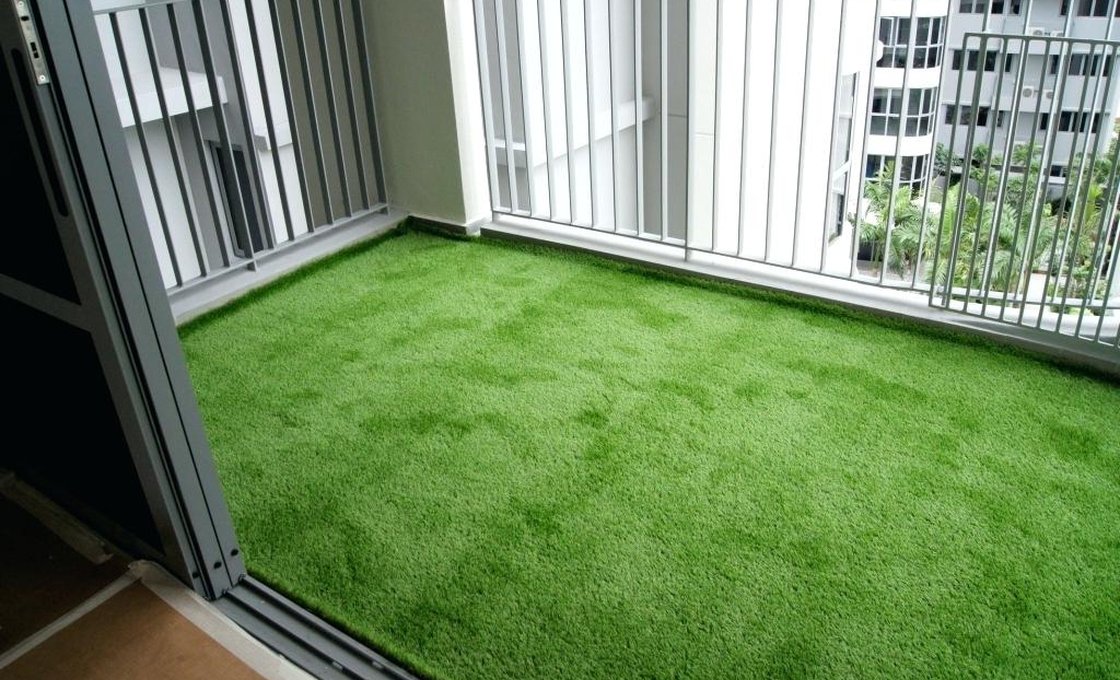
Commercial artificial turf installations see weekend traffic spikes that residential lawns never meet, so their specs borrow from sports thinking: shorter pile, higher density, stronger backing. Published traffic bands run ten to twenty-five millimetres for heavy-use areas such as patios, parks and walkways. Twenty-five to forty covers terraces, family gardens and play areas, and above forty is only for low-traffic decoration.
Name the primary use in one line before anything else. For mixed schemes, the way commercial artificial grass systems separate entry, walkway and display zones shows how one site can carry several specifications side by side.
Volume buyers carry the same decision across many projects at once. For importers and distributors, the work to choose the right artificial landscape grass pays twice. It cuts site complaints, and it keeps a product line’s specifications consistent from container to container.
Pile Height Ranges and What Each Suits
Pile height is the number buyers fixate on, and published guidance keeps redirecting it: do not choose by pile height alone, because density, colour and backing usually matter more. Treat the band as a starting filter, then let the site sort the rest.
| Site | Published band | What the source ties to it |
|---|---|---|
| Balconies and tidy low-upkeep spaces | 20 to 30 mm | Neat look, easy grooming |
| Putting-style greens | 12 to 16 mm | Judged on ball roll, not softness |
| Family lawns | 30 to 37 mm | Published sweet spot for most residential lawns |
| Backyard lawn builds | 30 to 40 mm, 14,000 to 18,000 stitches/m2 | Four-tone green with brown thatch |
| High-traffic play zones | Around 23 mm | Near 30 mm for most play spaces |
| Softer residential play finishes | 35 to 40 mm | Low-traffic areas only |
| Poolside | 25 to 35 mm | Fully permeable backing preferred |
| Pet runs | 20 to 30 mm, 16,000 to 18,000 stitches/m2 | Drainage of 80 L/min/m2 or better |
| Decorative feature lawns | 37 to 45 mm and above | Needs brushing and density to stay upright |
| Green walls | 10 to 25 mm | Drainage and UV backing required |
Professional opinion lands mid-band: thirty millimetres is described as the most popular choice for professional landscaping, combining looks, durability and easy maintenance. The band is also the first filter when you choose the right artificial landscape grass for a mixed site, because it sets what every other number must support.
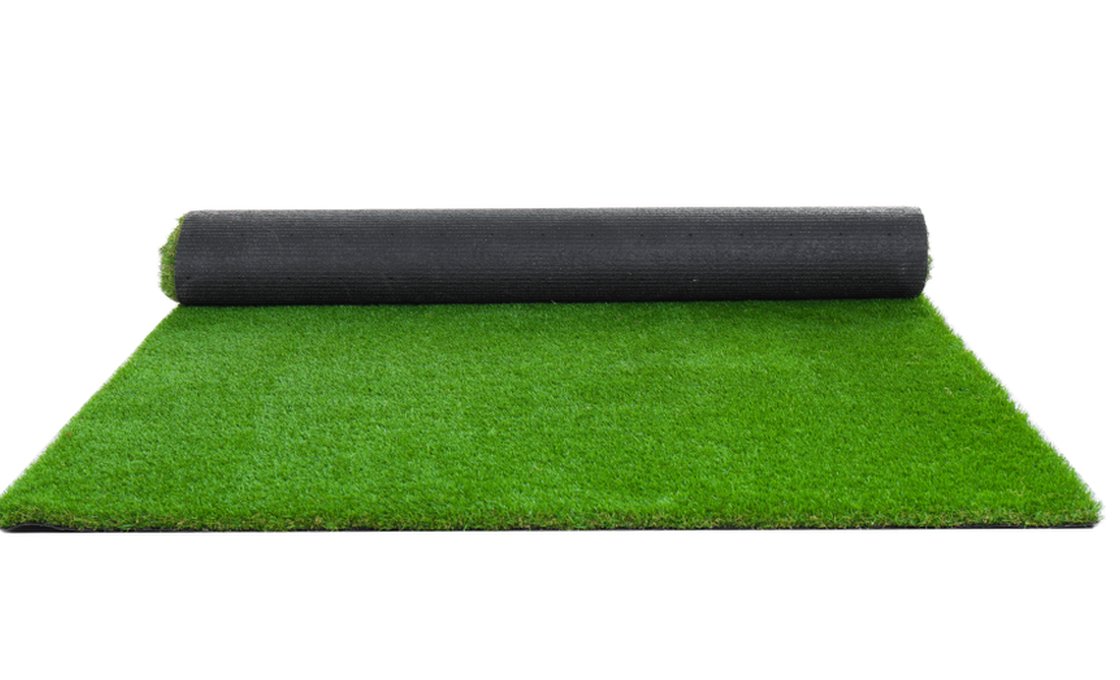
Height carries a maintenance price. Fibres of forty millimetres and above need more frequent brushing and a high fibre density to keep from lying down, which is why taller never means better on its own.
For residential schemes, the published models behind residential landscape grass models show how the band converts into actual product tiers.
Density, Stitch Rate and Yarn Weight Explained
Three numbers describe the body of the carpet: stitch rate, face weight and dtex. Dtex is the weight in grams of ten thousand metres of yarn, a direct measure of linear density, and heavier yarn means thicker, generally more durable fibre.
Published market ranges put decorative landscaping yarns at six thousand to nine thousand dtex. General recreational use sits at nine to thirteen thousand, and higher-use surfaces at twelve to sixteen thousand and beyond. For most residential lawns, the same published advice points buyers toward ten thousand to sixteen thousand dtex.
Face weight climbs a similar ladder. Around fifteen hundred to two thousand grams per square metre is entry level for low-traffic decorative areas. Two thousand to two thousand eight hundred is mid-range residential and commercial, and above that sits the premium tier for heavy use. Stitch rates on published backyard specs run fourteen to eighteen thousand stitches per square metre.
Pin all three to one sheet before comparing rolls. Across the artificial turf installations we quote, buyers who fix stitch rate, face weight and dtex on a single spec sheet rarely get surprised by the sample box.
Density and pile also work as a pair rather than as solo numbers. A dense, shorter carpet shrugs off traffic that would flatten a sparse taller one. The published traffic bands from the height section assume density keeps pace with whichever band you pick.
Fibre Material: Polyethylene, Polypropylene and Nylon Compared
Yarn chemistry decides how the surface feels and how it copes with sun. Polyethylene is the common landscape choice for a natural look and a soft feel underfoot. Polypropylene brings stiffness and economy, and nylon holds its upright position under repeated use with the highest strength, resilience, UV and abrasion resistance among turf fibre types.
Most landscape builds combine the two workhorses: a polyethylene monofilament face over a polypropylene thatch layer. Published backyard specs describe four-tone green with brown thatch at the root. That mixed tone is what stops a lawn from reading as one flat shade of green in daylight.
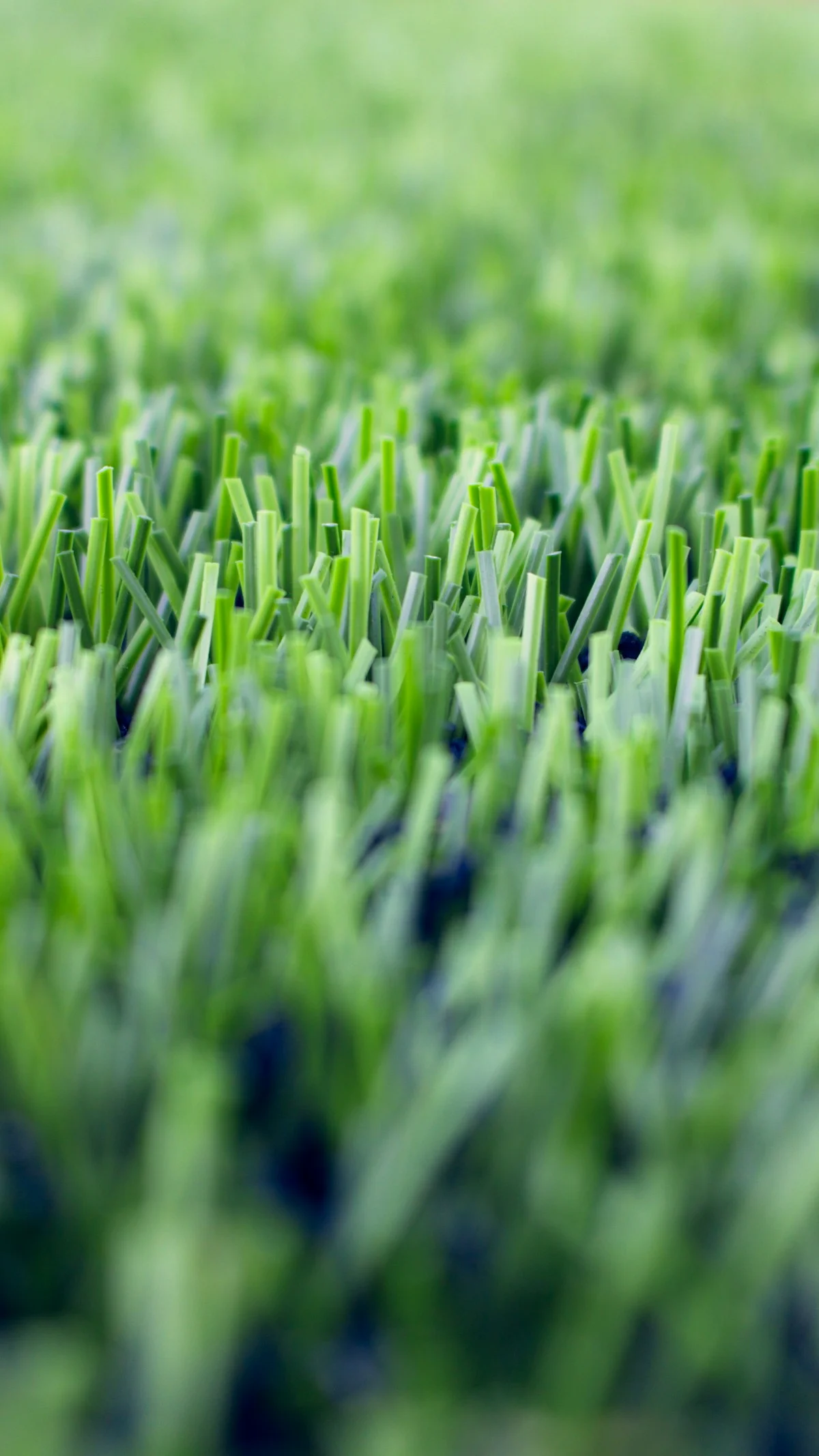
Colour and feel are also where you choose the right artificial landscape grass for the site’s light. The same roll that convinces in shade can look plastic at noon, so material and tone have to be judged outdoors, on the site.
When a site sits between the published bands, custom pile heights, densities and colours close the gap instead of forcing a compromise on one parameter to save another.
Colour, UV Stability and How Realism Reads
Realism is a daylight test, not a showroom test. Gloss is the giveaway, because fibres that sparkle in sun read as fake from metres away. That is why published UK testing judges a physical sample in bright light before any commitment.
UV stabilisation decides how long that realism survives. The additives protect fibres from discoloration, breakage and loss of elasticity, and one published parameter table lists UV stability above eight thousand hours in xenon-arc weathering. Another published datasheet ties QUV five thousand hours with colour fastness four to no significant fading across five to eight years.
With premium stabilised yarns, published guidance expects strong colour for ten to fifteen years in typical sun, with only gradual change in extreme climates. Without stabilisation the guidance is blunt: colour and structural integrity go quickly.
Tone belongs in the specification too. A single flat green reads synthetic in full sun, while four-tone builds with brown thatch near the root hold a natural depth across the day. Judge candidate tones side by side on the site rather than in a catalogue.
Drainage, Backing and the Base Beneath
Drainage failure is the most preventable one in artificial turf installations, because the numbers are on paper before purchase. Published selection guidance links poor drainage to standing water, odour and a shortened surface life. Bargain-tier backings often under-deliver on exactly this spec, which is what leaves water sitting and smells building.
The published targets are specific. Perforated backings commonly rate thirty to one hundred inches per hour when paired with a permeable base. One manufacturer’s backing puts holes every ten centimetres and rates the flow at sixty litres per minute per square metre, the equivalent of very heavy rain. A minimum of thirty litres per square metre per hour matters most near retaining walls and filled ground.
| Condition | Published target | Applies to |
|---|---|---|
| Landscape without pets | 30 to 50 inches per hour | Pet-free lawns over a free-draining base |
| Regions with frequent downpours | 50 to 100 inches per hour | Rain-exposed landscapes |
| Dog areas and high rinse cycles | 250 inches per hour or higher | Fully permeable flow-through backing |
| Backing perforation, general | 30 to 100 inches per hour | Engineered backings over a permeable base |
| Heavy-rain benchmark | 60 litres per minute per square metre | Holes every 10 cm in the backing |
| UV stability benchmark | Above 8,000 hours, xenon-arc | Published parameter table |
| Colour life, premium UV yarn | 10 to 15 years in typical sun | Premium stabilised turf |
Base and backing work as one system. Landscape bases run three to six inches of open-graded aggregate with a one to two percent slope. A well-built base should test well over one hundred inches per hour, with premium builds reaching four hundred or more. Any installer who cannot answer drainage with a number likely never planned for it.
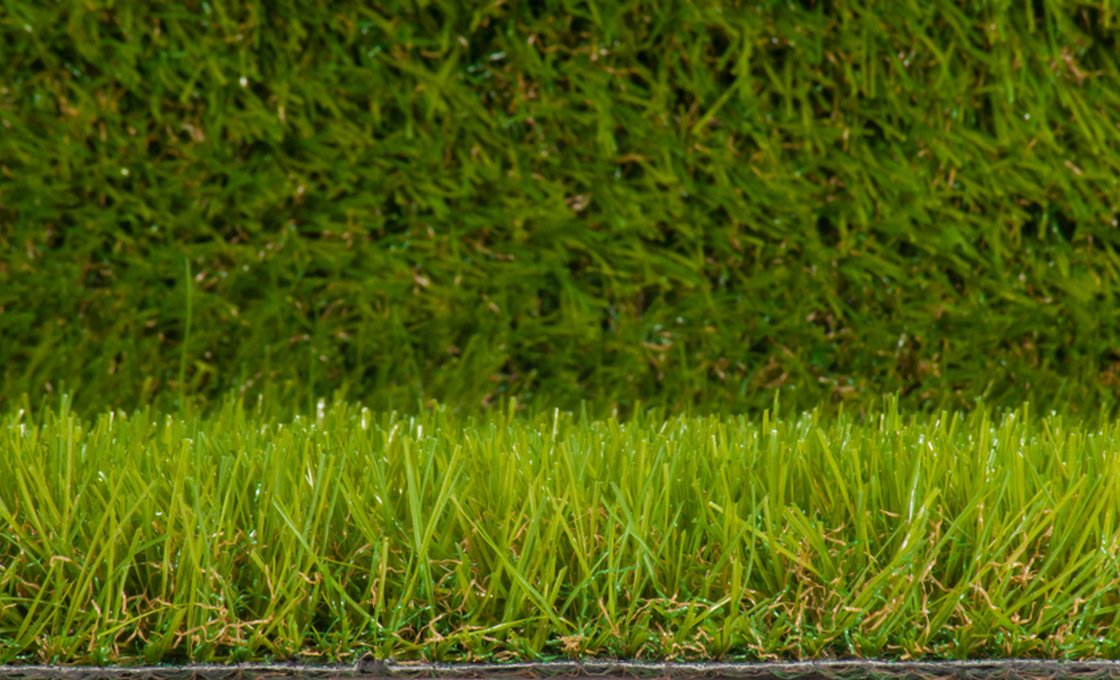
Backing chemistry closes the loop. Polypropylene with a reinforcing net and polyurethane coatings are the two landscape workhorses, and perforation sits inside the production line itself, between drying and rolling up. That in-line placement keeps the drainage spec consistent across artificial turf installations instead of bolted on afterwards.
Roll Width, Seam Planning and Batch Matching
Rolls come in two, four and five metre widths at twenty-five metres long, and each width answers a different site. The two-metre roll is the most economical and easiest to handle, four metres covers most layouts with certainty, and five metres suits large open areas with almost no seams.
Seams are the visible cost of getting width wrong, so plan run directions along the longest sightline and check the standard roll formats and widths before fixing a layout.
Batch matching is the quiet variable in artificial turf installations. Keeping yarn weight consistent is essential for the finished surface to match its specification, so order the full quantity in one production batch and keep a swatch for reference.
Sample retention turns that batch discipline into proof. When every delivered batch is held against the swatch kept from the first, colour drift shows up in the yard, not in a customer’s hands.
Worried the Spec on Paper Won’t Match the Roll?
A landscape grade that misses the site spec means re-orders and margin loss. Yarn colour, shape, density, pile height, backing and roll size are made to your spec.
Five Mistakes Buyers Make When Selecting Turf
The same five errors account for most re-orders in artificial turf installations, and every one of them is cheaper to fix at spec stage than after delivery.
Buying pile height on its own
A tall pile reads as luxury on a screen, but published guidance is explicit that density, colour and backing usually matter more. Tall fibres flatten under traffic when density and brushing do not back them up.
Trusting photos instead of daylight samples
Product photos flatter gloss, and gloss is exactly what fails outdoors. Judge a physical swatch in the site’s own light, at the hour the space is actually used, before the bulk roll is booked.
Skipping the drainage question
Standing water, odour and early failure follow a slow backing, so put the rate in inches or litres on paper before comparing quotes. Hold the delivered roll to the same figure.
Treating the base as an afterthought
Most published complaints trace to a poorly prepared base rather than the turf itself. The fix is a written depth, aggregate type and slope in the contract, not optimism on install day.
Comparing quotes written on different spec sheets
Two rolls at the same pile height can differ in dtex, stitch rate and backing. Normalise every quote onto one parameter sheet, and check the supplier’s reputation through review platforms before committing.
A Checklist Before You Confirm Any Roll
The work to choose the right artificial landscape grass is done on paper before the order, and five checks close the remaining gaps.
Fix the use case and traffic
Write down who uses the space, how often, and what crosses it. Every later number stays answerable to that line.
Match the pile band to the site
Thirty to thirty-seven millimetres suits most lawns, while play, poolside and pet zones each carry their own published bands from the table above.
Pin density, dtex and face weight to one sheet
Ten to sixteen thousand dtex and a mid-band face weight cover most residential work, with the stitch rate written beside them rather than left to chance.
Ask for the drainage and UV numbers
Thirty to fifty inches per hour suits pet-free landscapes, and a UV rating above five thousand hours with a stated colour-life figure keeps the surface honest over the years.
Confirm colour and batch with a physical swatch
Free sample swatches make the last check mechanical. The pieces are twenty by twenty centimetres, usually three to four, shipped by DHL or FedEx in four to six days with freight paid by the buyer. Hold one against every delivered batch.
Frequently Asked Questions
What pile height is best for a family lawn?
Thirty to thirty-seven millimetres is the published sweet spot for most residential lawns. It stays tidy under foot traffic, while anything above about forty millimetres needs more brushing and a denser spec to avoid lying flat.
Does denser grass always mean better quality?
No. Density works together with fibre shape, UV stabilisation and backing strength, which is why published guidance warns against judging a roll by pile height or a single number alone.
How much drainage does a landscape lawn need?
Published installer guidance targets thirty to fifty inches per hour for pet-free landscapes, and fifty to one hundred where downpours are frequent. Homes with dogs and high rinse cycles target two hundred fifty inches per hour or more.
What does UV stabilisation actually do?
It protects fibres from discoloration, breakage and loss of elasticity. Premium UV-stabilised turf holds strong colour for ten to fifteen years in typical sun, while unprotected turf loses colour and structural integrity quickly.
How do I verify a roll before a bulk order?
Order free 20 by 20 centimetre samples, usually three to four pieces, and check them in daylight. They ship by DHL or FedEx in four to six days, with courier freight paid by the buyer.
How long does artificial landscape grass last?
Quality residential grass typically serves ten to twenty years depending on use and UV exposure, while commercial systems are rated at up to ten to fifteen years. Traffic levels, upkeep and drainage decide where a surface lands in those bands.


 English
  Arabic
  French
  German
  Portuguese
  Russian
  Spanish