
The most expensive problems on a new turf field hide underground. On delivery day the surface looks flawless either way, and nothing at the fence line tells you how the base was built. The difference shows up in the first real storm, as standing water, soft spots or seams under strain. That is why schools benefit from watching the construction itself, not just the ribbon cutting.
This walkthrough follows the job in work order, from site survey through demolition, grading, base stone, edging, roll layout, infill and final sign-off. At each stage it flags what your staff should check on the spot and which early signals mean trouble. Our team has fielded the same construction questions from school projects across several continents, and nearly all of them start below the surface. The goal is simple: catch mistakes while they are still cheap to fix.
What Happens Before Any Turf Arrives
Every durable field begins as a paper exercise. A proper site survey tests the soil for compaction and drainage, maps where existing water travels, and confirms how trucks and base equipment will reach the site. It is the first real deliverable of synthetic turf field construction, long before any roll ships. Skipping that survey is the most common root cause we have seen in field failures that arrived at our desk for a second opinion.
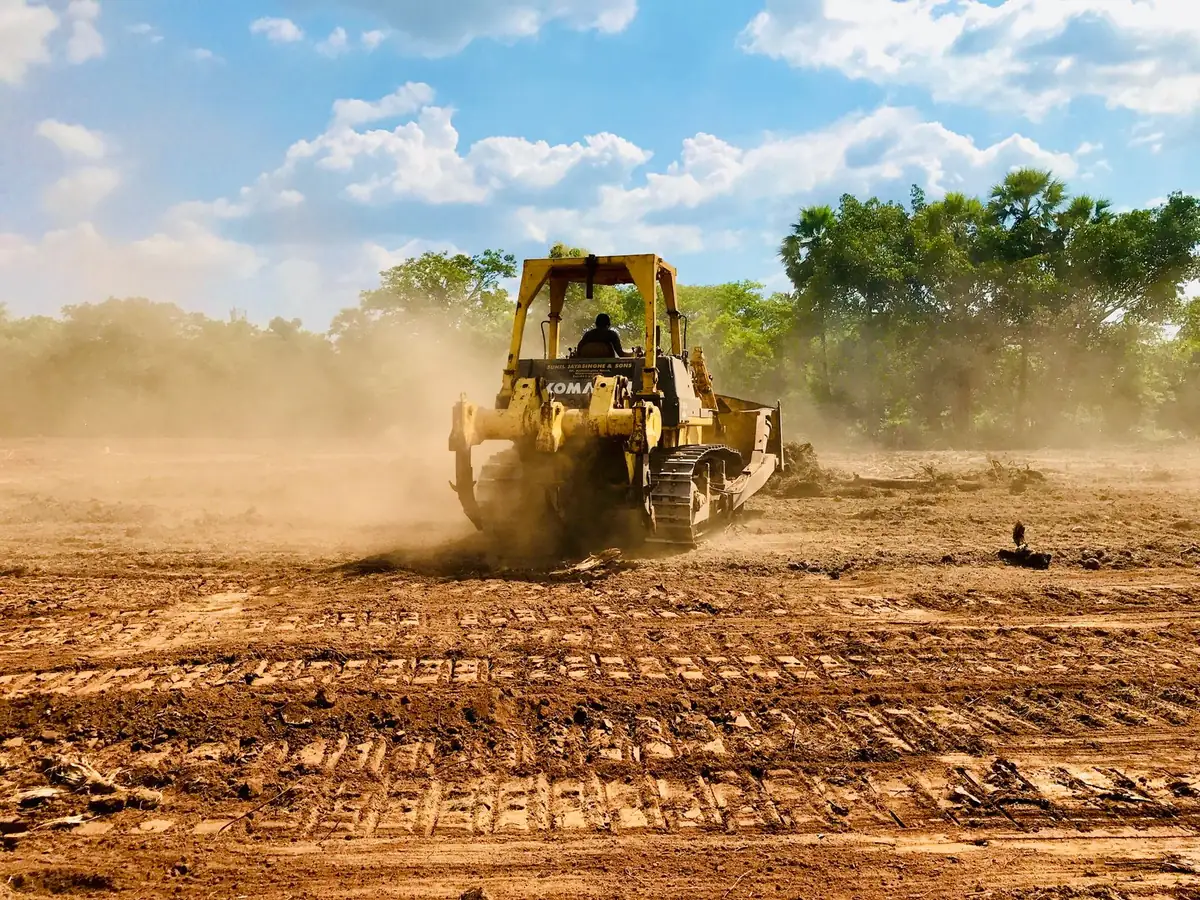
Demolition comes next, and it means more than tearing up old grass. Worn turf, asphalt patches, topsoil and roots all leave the site, because buried organic matter keeps decaying and settles unevenly under load. Haul routes deserve a moment of planning too, since dump trucks crossing a soft schoolyard in spring make their own repairs necessary. What remains should be stable native soil, roughly shaped toward the design elevation.
Permits deserve one line of caution. Projects that change runoff patterns often trigger local stormwater and grading approvals, and those clocks run on somebody else’s schedule. Start the paperwork before the first machine arrives.
From here on, every artificial turf installation runs in one direction: each stage rests on the one beneath it. Sign-off check one is therefore simple. Before base work starts, the survey report should show soil test data and a drainage assessment, and the cleared subgrade should carry no visible organic debris.
Grading and Drainage Design Schools Should Check
In synthetic turf field construction, grading turns a flat dirt bowl into a drainage machine. Published field-practice sources quote surface slopes of 0.5 to 1 percent in some specifications and 1 to 1.5 percent in others. The spread itself is the lesson: slope is a design output for your site, not a catalogue constant. What every source agrees on is direction, because water must fall consistently toward the sidelines or a collection point, with no accidental low spot in the middle.
Water leaves a field by two routes. Surface runoff rides the slope to the edges. The rest filters through the carpet and base into perforated drain pipes laid in trenches below, with each run sloped toward an outfall or collection basin. Both routes have to stay open for either one to work.
Drainage trouble announces itself quietly, long before it cancels a game. Watch for water that lingers more than a day after rain, silt lines along the perimeter, infill drifting into shallow dips, or fresh settlement after a freeze-thaw cycle. Each signal points at a specific cause, from a reversed slope to a drain line that was never bedded correctly.
The deeper engineering sits in how drainage bases are designed. At site level the check is simpler: ask for a water test before the base is signed off, then watch where the water actually goes. Sign-off check two is that observation itself, because a field that passes a hose test on grading day rarely puddles in September.
Base Stone, Compaction and Flatness Tolerances
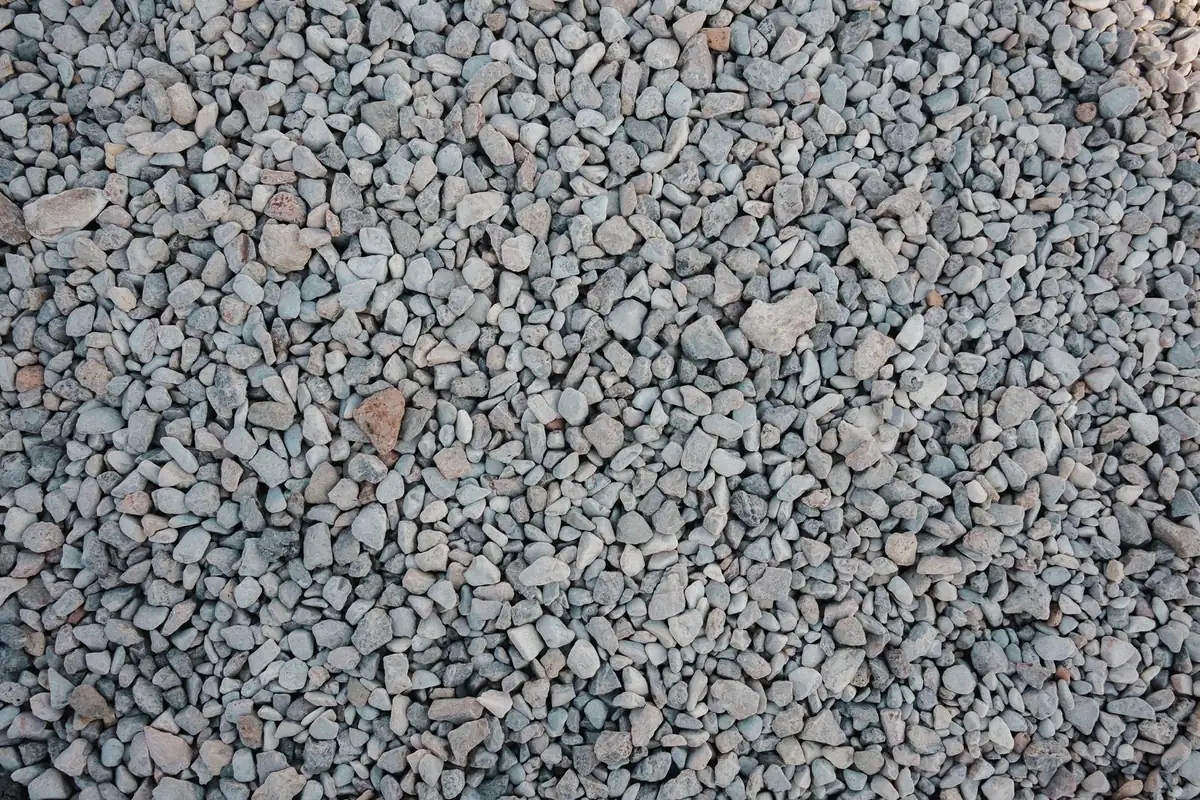
Beneath every good field sits a stone skeleton. Published practice places excavation depth at 8 to 14 inches for a field build, set by soil conditions and the drainage design rather than by habit. The crushed stone then goes down in lifts, with each layer compacted before the next arrives.
Stone selection matters as much as depth. Clean, open-graded crushed stone leaves voids for water to travel through, while stone dust and fines pack into something closer to concrete. On fine native soils, a separation fabric between the subgrade and the stone keeps silt from migrating upward and clogging the voids over the years.
The number worth writing into a specification is flatness. Field-practice sources laser-grade the finished base to a tolerance of plus-or-minus a quarter inch over ten feet, and they verify compaction lift by lift. Those figures belong to published engineering practice, so ask your contractor for the values that apply to your own soil.
A base behaves like the foundation of a house: nobody admires it, and everything depends on it. Shortchange the compaction and the surface settles unevenly under cleat traffic, seams pull apart, and the dips grow a little every season. Stage by stage, synthetic turf field construction succeeds or fails right here.
Sign-off check three follows the stone. After each lift, spot-check flatness and re-verify slope, and photograph every stage of the build before it disappears under the next layer. Those photos become the repair map if anyone ever has to dig into this field again.
Curbs, Edges and Perimeter Details
Perimeter details are the least glamorous line item and the easiest one to get wrong. A curb or edge locks the carpet boundary, stops infill washing sideways, and ties the field into a running track or existing pavement. Selection-level options include a poured concrete curb, steel edging and composite boards, and each earns its place by one standard: it holds the edge without trapping water.
Concrete curbs suit fields that meet track surfaces or parking areas, because they carry wheel loads as well as foot traffic. Steel and composite edging flex with ground movement and cost less on open grass perimeters, though both need the same thing: a stable, compacted bed beneath them. Whatever the material, the top line should run true, because a wavy edge is visible from the bleachers.
Fixing hardware along the edge should be non-corrosive, spaced for the wind and traffic the site will actually see. Goalpost and netting foundations belong in the base stage, poured before the stone closes over the area. Cutting into a finished base for a late post is how drainage systems get quietly broken.
Sign-off check four covers the border. Curb tops should finish level with or just below the planned carpet height. Corners should carry no sharp protrusions, and the edge line must never seal off the field’s drainage path. An edge detailed early in an artificial turf installation keeps paying for itself every season after.
Roll Direction, Seam Planning and Bonding
Turf arrives in bulk. Published accounts of field work put rolls at roughly 15 feet wide and over 100 feet long. Our own field rolls come in 2, 4 and 5 metre widths by 25 metres, with custom widths cut to order. Either way the planning question is identical, and in synthetic turf field construction the seam map is drawn before the equipment arrives.
Roll direction is decided first, before the opening cuts. All fibers should run one way across the field, because mixed directions read as color bands and shed light differently. Seam lines then get planned away from goalmouths and midfield, where wear concentrates, and laid in a staggered pattern rather than one long grid.
Roll width is the quiet lever in that plan. Wider rolls mean fewer seams to glue, check and maintain, so it pays to choose sports field turf systems by roll width early. Custom widths let the carpet match the drawing instead of the other way round, which roll widths and custom roll sizes covers in practice. Fewer seams also make the whole artificial turf installation shorter and easier to inspect once the crew arrives.
Heat decides part of the schedule. Panels expand in afternoon sun and contract as evening cools, so experienced crews roll material out early in the day and let it relax before trimming and joining. Skipping that rest period is the classic recipe for wrinkles that surface a month later.
Bonding itself is simple and unforgiving. Seams close over tape and specialized adhesive, which typically needs 24 to 48 hours to cure before the field takes traffic. A good seam sits level, pulls tight and disappears underfoot, while a poor one announces itself to every player who finds it. Sign-off check five: walk random seams for level and firmness, and sight down the field from each corner to confirm the fiber direction reads uniform.
Infill Application and Grooming Passes
Infill goes down in passes, never in one dump. Each spread is groomed into the pile before the next arrives, so the material settles evenly and no low spots survive. Depending on the target depth, this stage can run for several days, and that patience shows for years.
Most fields run on silica sand for ballast, with rubber granules added above it for cushioning. The rubber is often made from recycled tires, and engineered alternatives exist where heat or cleanliness sits higher on the list. The neutral overview at background on artificial turf surfaces and infill materials covers the common blends. Whatever the mix, the target depth belongs in the specification, not in the crew’s memory.
Grooming finishes the surface. Power brushing in crossing directions stands the fibers upright and spreads the fill evenly. Some projects also commission independent impact attenuation testing here, confirming the cushioning reads consistent from end to end. This is the moment to re-check the carpet against the field plan, because infill depth is designed around the pile it supports.
Match the Roll to the Field Plan
A roll specification is settled on paper long before any crew arrives. Send the field dimensions, the sports it will host and how hard it will be booked. Our team will match roll width, pile height and backing structure to that plan, backed by in-house customization at the factory. Samples let you confirm the feel before the pallet ships. Indicative pricing runs $7-60 per square meter until the specification is fixed, so request exact quote figures against your drawing.
Acceptance Checks Before the Field Opens
Handover should feel like an inspection, not a ceremony. The contractor walks the field with school staff, and a punch list captures every touch-up while the crew and equipment are still on site. Fold the five sign-off checks from the earlier stages into that walk, using the table below as the gate.
| Stage | Sign-off check | What pass looks like |
|---|---|---|
| Survey and demolition | Soil data and drainage assessment filed, haul routes agreed | Clean subgrade with no organic debris left behind |
| Grading and drainage | Slope direction verified and a water test run to every outfall | No standing water anywhere after the test flow |
| Base and compaction | Flatness spot-checked on every lift and photographed | Even surface within the stated tolerance, records archived |
| Curbs and edges | Curb height checked, corners inspected, drainage path open | Edge holds the carpet and water still escapes freely |
| Rolls and seams | Fiber direction uniform, seams sampled for level and bond | Seams level, tight and invisible underfoot |
| Infill and grooming | Depth sampled across the whole field, brushing complete | Even cushioning with fibers standing upright |
| Handover | Punch list closed and documents delivered | Maintenance plan and as-built records in hand |
Timing matters more than most people expect. Walk the field on an early evening before acceptance, when low light rakes across the surface and exposes every seam shadow and shallow dip that noon sun hides. Bring the punch list, a notebook, and someone who will actually maintain the field afterward.
Our position is blunt: a defect found before sign-off costs far less than the same defect costs after, because the crew, materials and equipment are all still standing there. Acceptance should wait for an empty punch list, not for a date on the calendar.
The paperwork deserves its own check. A maintenance and grooming schedule, testing records, and as-built notes of what sits under each zone should reach your office before final payment. That file will outlive everyone in the meeting, and it is the first thing a future repair crew will ask for.
Fields that also serve younger children sometimes carry separate impact requirements in their activity zones, which playground surfaces with impact layers covers in detail. Keep those zones on the same inspection route as the field itself, because children do not read scope documents.
Timing the Build Around the School Calendar
Published field-practice timelines put a full-size build at four to eight weeks from groundbreaking to opening day, before permitting and design lead time are counted. That window fits a long summer break with room to spare, provided the approvals are already in hand when classes end.
School calendars shape the sequence in synthetic turf field construction. A summer start lets demolition, base work and curing all happen while the campus is empty. A build that slides into term time needs phased handover, or a replacement space for classes and practice while the last zones cure.
Weather writes its own clauses. Rain stalls compaction, adhesive cures slower in cold snaps, and a wet autumn turns every haul route into a maintenance claim. Build buffer days around the compaction and paving stages rather than spending them all on the ribbon cutting.
Replacement projects carry a quiet advantage. When an existing field is rebuilt, one published source notes the base can often be reused after testing, credited with trimming project cost by 30 to 40 percent. Treat that as a possibility to verify on your own site, never as an assumption.
Backwards planning keeps the calendar honest. Set the opening date first, then schedule compaction and paving with buffer days between them, because the stages you rush in an artificial turf installation are the ones you bury. A field that opens on time because its base was rushed tends to close early for repairs.
Frequently Asked Questions
How is a synthetic turf field constructed?
In sequence: survey and demolition, grading and drainage, a compacted stone base, perimeter edging, roll layout and seaming, infill groomed in passes, then a final punch list before handover. That is the whole synthetic turf field construction path in one line.
How long does construction take?
Full-size fields commonly take four to eight weeks from groundbreaking to opening, excluding permitting and design lead time. Weather and site conditions can stretch that window, so most schools schedule into a long break.
Why does a new turf field puddle?
Usually the drainage: a reversed or uneven slope, a drain line set wrong, or fine particles in the base sealing the water path. A water test before sign-off exposes most of these on grading day.
What slope should a turf field have?
Published practice quotes 0.5 to 1.5 percent depending on the design. The critical part is consistency: the surface must fall steadily toward its outlet, with no local dips that collect water.
Can a field be rebuilt in one summer break?
Often yes. A four-to-eight-week build fits a long break when approvals, demolition and testing are scheduled backwards from the opening date, with weather buffer days left in the plan.
 English
  Arabic
  French
  German
  Portuguese
  Russian
  Spanish