








When a storm lands on a Friday, the crew at a school or municipal sports complex starts doing arithmetic. A slow-draining grass field pushes fixtures back, refunds rentals, and turns the following week into patch repairs.
Why choose artificial turf for a sports field comes down to one idea: a surface you can schedule around. We build artificial grass rolls on our own line, which is why we watch specifications closely. Seven advantages drive the choice, along with the figures behind them and the limits that deserve honest weight.
Why Sports Facilities Are Reconsidering Their Surface
Natural grass is a living surface, and living surfaces carry a hidden cost: recovery time. A grass pitch needs rest between heavy uses, while a synthetic field returns to play the same afternoon a storm clears.
Facilities rarely switch for one reason. Water bills, chemical handling, multi-sport demand and player safety all pull the same way, and a single all-weather surface answers more of them than a managed lawn can.
Why choose artificial turf over a managed lawn is really a scheduling question. The short version is seven advantages backed by operating figures, and our artificial grass advantages guide lays out the full case.
Advantage 1: Play Through Every Weather Window
Water is the first test, and it is where artificial turf installation begins to pay back. A perforated backing over an open-graded base moves rainfall through the surface instead of letting it pool.
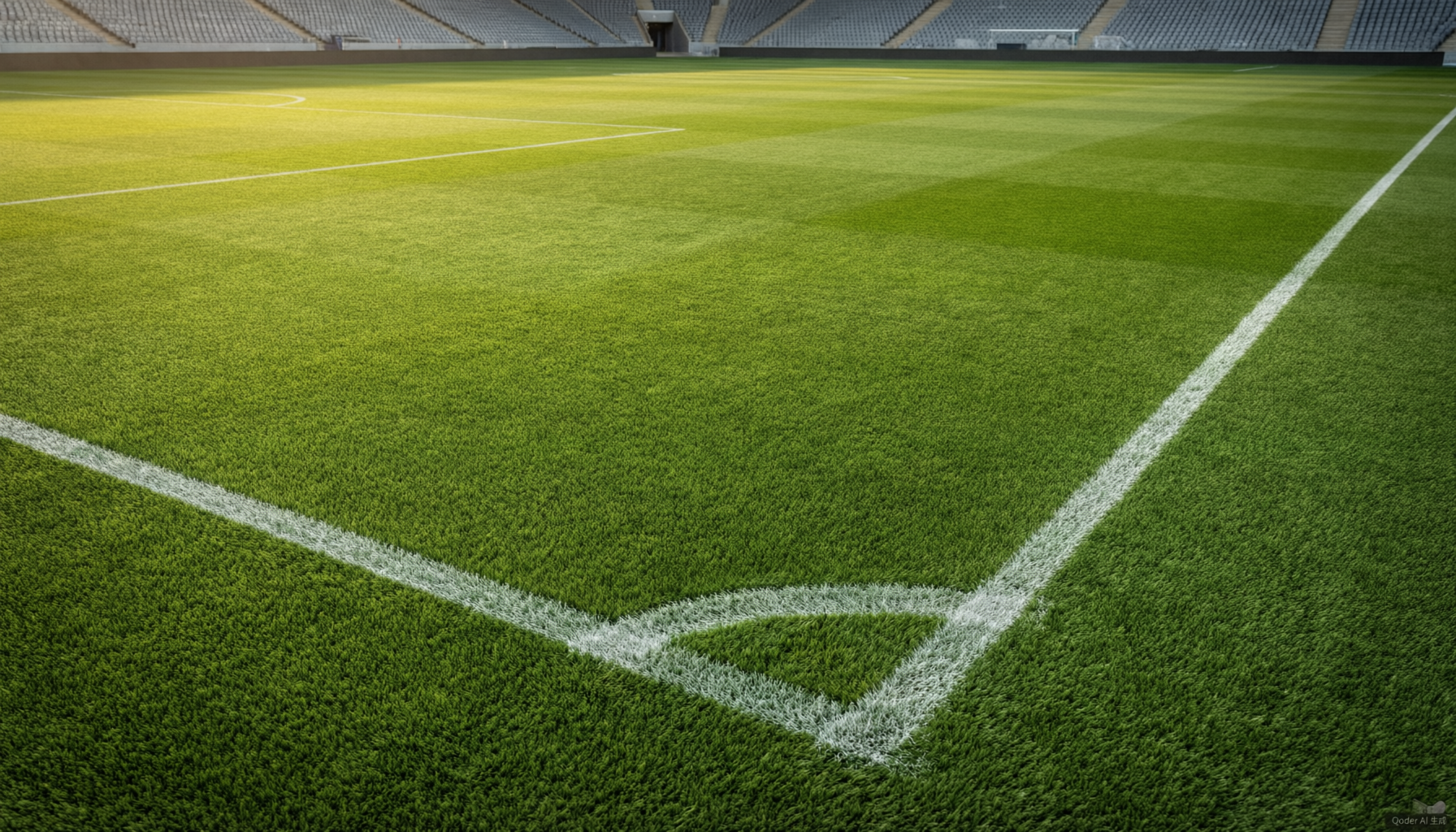
Rain and drought stop being schedule risks, because the surface does not turn to mud or bake hard. Games resume within hours of a downpour rather than the days a grass field needs to recover.
Before artificial turf installation begins, confirm the graded base and fall that keeps water moving; the carpet only performs as well as the ground beneath it. Our synthetic turf sports fields are built to a stated pile, density and backing.
Advantage 2: More Playing Hours Each Week
Playing hours are where the advantage becomes countable. A synthetic turf field can endure more than 500 event hours without repairs, while a natural grass field typically needs work after about 100 event hours.
For a facility that headroom converts straight into programming: more sessions per week, more tournaments, and fewer weeks lost waiting for grass to recover.
| Measure | Natural grass | Synthetic turf |
|---|---|---|
| Event hours before repairs | About 100 hours | More than 500 hours |
| Recovery between uses | Needs rest days | None required |
| Water for play | Irrigation each season | None needed |
| Field chemicals | Fertiliser, herbicide, pesticide | None required |
The table above is why a busy school or municipal site stops weighing renovation against a new build and starts weighing hours lost. The surface, not the weather, sets the calendar.
Advantage 3: Consistent Ball Roll and Footing
Natural grass changes through a season. Wear zones thin out, rain leaves soft patches, and a ball that rolled true in September starts bouncing in November. A synthetic surface keeps the same profile every week.