Most lawn decisions stall because the question gets framed as grass against grass. A homeowner eyes a tired patch and weighs one more season of mowing against a synthetic surface. The paving, the gravel and the shaded corner where nothing green has ever grown never enter the comparison.
The artificial grass advantages only become clear when every alternative sits on the same table. Water cost, weekend hours, wear tolerance and site conditions decide the winner far more than brand claims do. This guide walks through those trade-offs honestly, including the places where an artificial turf installation is the wrong answer.
The Short Answer: Why Homeowners Choose Artificial Grass
Three variables decide most conversions: water price, hours lost to upkeep, and how hard a site is to keep planted. When water is metered heavily or the plot sits in shade, on a slope, or under constant footfall, one option pulls ahead of every other. The artificial grass advantages only stack up against a like-for-like comparison, which is what the sections below set out.
Natural grass demands irrigation and chemicals. Paving and gravel remove the water bill and the mowing, then hand back a hard, bare surface. Only artificial grass turf keeps green cover and low upkeep at the same time.
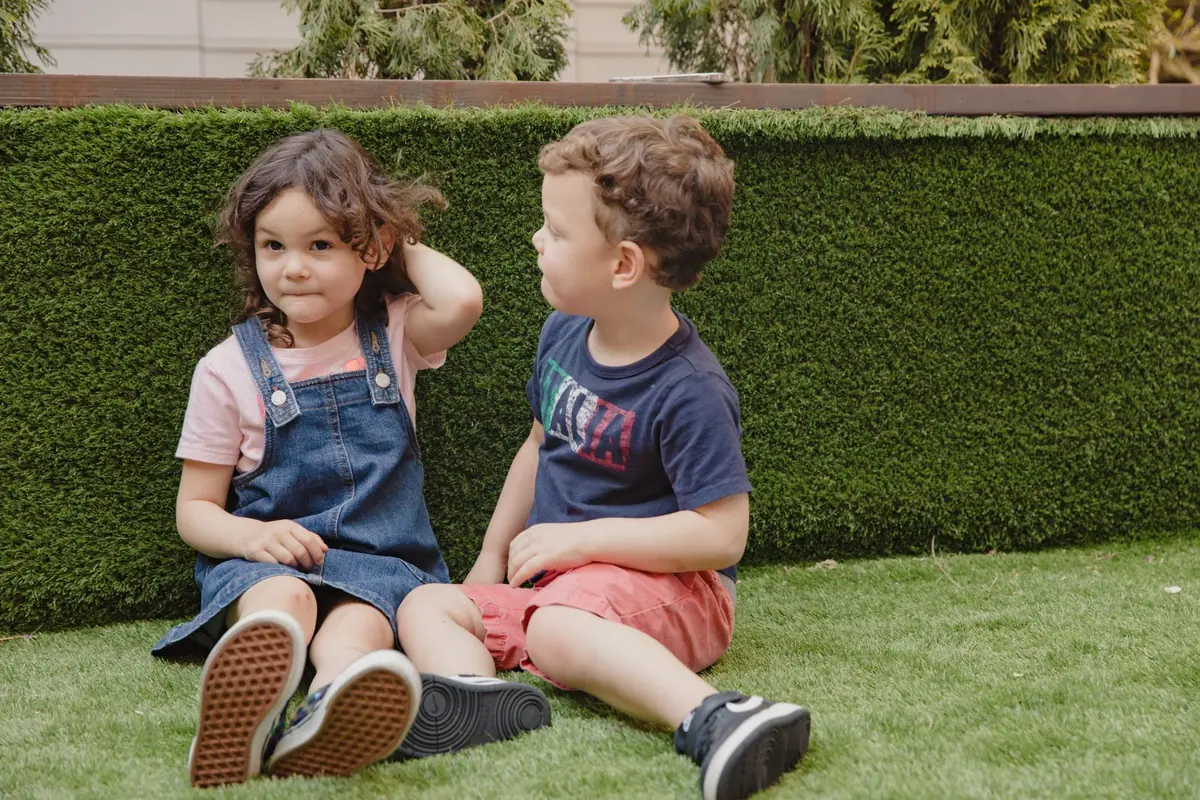
The eight advantages below carry the full case. The reasons homeowners pick artificial grass turf over living turf then get an item-by-item treatment on a companion page, and the same detail applies to any artificial turf installation.
Advantage 1: Slashing Outdoor Water Use
Irrigation disappears from the maintenance list almost entirely. A synthetic lawn needs no scheduled watering to stay green, so the outdoor share of a household water bill drops away through the dry months.
Occasional rinsing to clear dust or to cool the surface in peak heat is the only water it sees. In drought-prone regions where irrigation bans arrive each summer, that difference alone settles the argument.
Paving and gravel also stop the watering, yet neither produces a living green surface. Artificial grass advantages run wider than the water bill, but this is the one that shows up first each summer.
Advantage 2: Near-Zero Maintenance, All Your Weekends Back
Mowing, edging, fertilising and reseeding all leave the calendar. What remains is occasional brushing to lift flattened fibres, a rinse after pets use the lawn, and a light tidy of leaves and debris.
The time released is the part owners notice first. No mower to fuel, no grass clippings to bag, no weekly race against rain. A synthetic lawn is not maintenance-free, and honest suppliers say so. It is dramatically lower maintenance than a living one.
Gravel needs periodic weeding and re-levelling; paving needs joint weeds cleared and joints re-sanded. Both still ask for work each season, just a different kind of work.
Advantage 3: Green 365 Days a Year in Any Weather
UV-stabilised fibres hold their colour through winter dormancy, dry spells and heavy sun, where natural grass browns off. The surface drains quickly after rain and stays usable, so a wet week no longer writes off the garden.
That matters most for families and pet owners. No mud tracked inside after a downpour, no rutted patches where the dog turns, no bare spots in the corner the children wear down. Synthetic turf systems built for pet use pair enhanced drainage with odour-control infills, so clean-up stays simple.
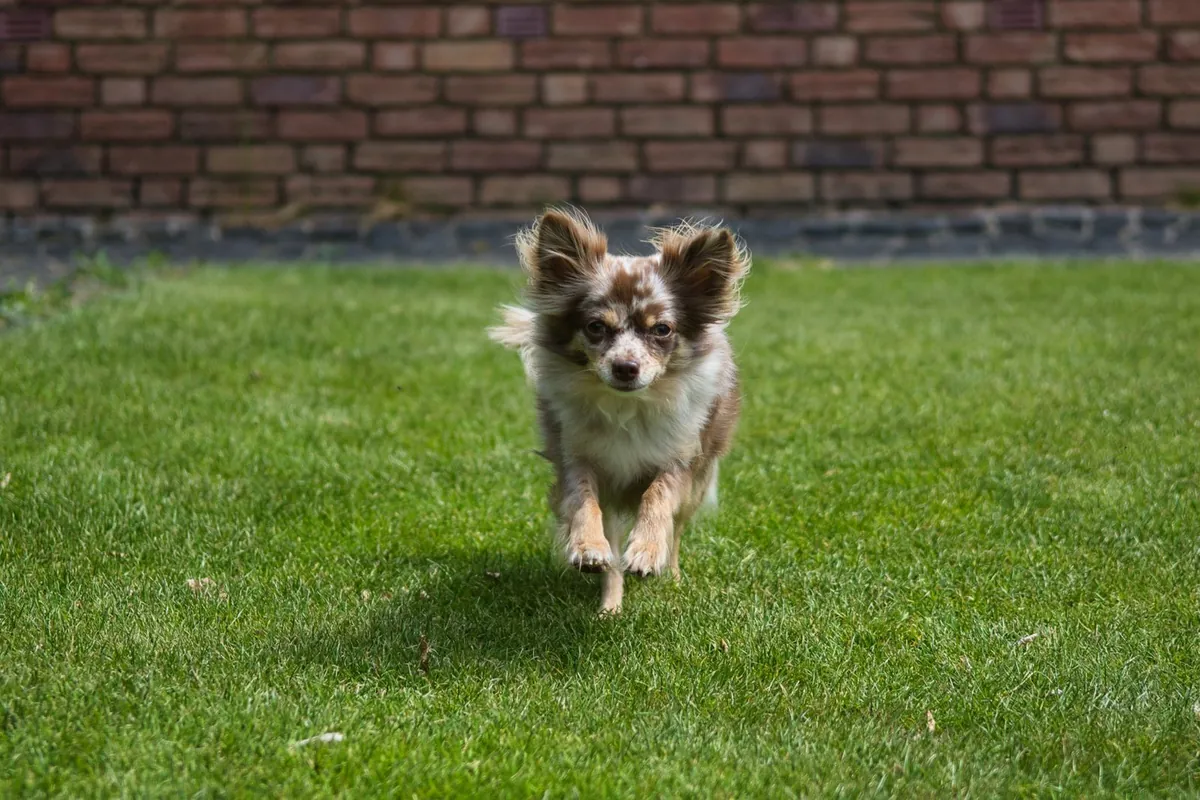
Paving stays usable in any weather too, but it gives back heat and glare instead of soft green. Frost and intense sun do not rot synthetic fibres, so the surface holds up across seasons and after heavy downpours.
Advantage 4: Durability Built for Heavy Use
Dense, resilient fibre blends keep their shape under children, pets and parties, and the engineering behind that wear tolerance follows professional landscape practice. Manufacturers heat-set polyethylene or nylon yarns so the pile springs back, and a reinforced backing holds its dimensions over years of use.
Well-built turf keeps performing well over a decade with basic care, from brushing to the occasional top-up of infill. A quality artificial turf installation outlasts the alternatives on any high-traffic lawn. Compacted gravel behaves differently, scattering under foot traffic and migrating into the borders.
| Surface | Water Needed | Routine Upkeep | Weather Use | Green Cover |
|---|---|---|---|---|
| Artificial grass | None to occasional | Brushing, rinse, infill top-ups | Year-round | Constant |
| Natural grass | Regular irrigation | Mowing, feeding, weed and pest control | Lost to mud and dormancy | Seasonal |
| Paving | None | Joint weeds, re-sanding, cleaning | Year-round | None |
| Gravel | None | Weeding, re-levelling, topping up | Year-round | None |
That table is the whole argument against the hard-surface alternatives in a single view. Gravel is cheap up front and endless to maintain. Paving is the priciest to install and the hardest to reverse once laid.
Advantage 5: The Long-Term Math Works
A synthetic lawn costs more than sod on day one, and pretending otherwise weakens every other claim in this article. The case rests on what leaves the budget afterwards: water charges, gardener visits, fuel, fertiliser and chemical treatments all fall away.
Once those lines drop to near zero, total cost of ownership turns in the lawn’s favour. The break-even point on an artificial turf installation arrives sooner on large plots, in metered water districts, and where a service handles the mowing.
Gravel looks cheapest at the till and rarely stays cheap. Weeding, re-levelling and replacement stone accrue year after year. Paving costs more to lay than turf and cannot be lifted cheaply if priorities change.
Advantage 6: A Safer Surface for Kids and Pets
Synthetic turf contains no herbicides, pesticides or fertiliser residue, so children and pets play directly on it without chemical contact. Manufactured fibre and a textured backing also provide reliable grip, where compacted soil turns slick after rain.
A shock pad beneath the pile softens landings on falls, and installers specify cork or similar infills for play and pet areas to add resilience. Pet owners gain a surface that does not turn to mud or need patching where the dog digs.
Poor groundwork is the leading cause of later drainage trouble and slip risk. Ask any installer for a permeable aggregate base and a slight fall before you compare prices on the turf alone.
Homeowners with dogs can review artificial grass for dogs, where drainage, odour control and the finer points of a pet-ready artificial turf installation are covered in detail.
Advantage 7: Environmental Wins Beyond Water Savings
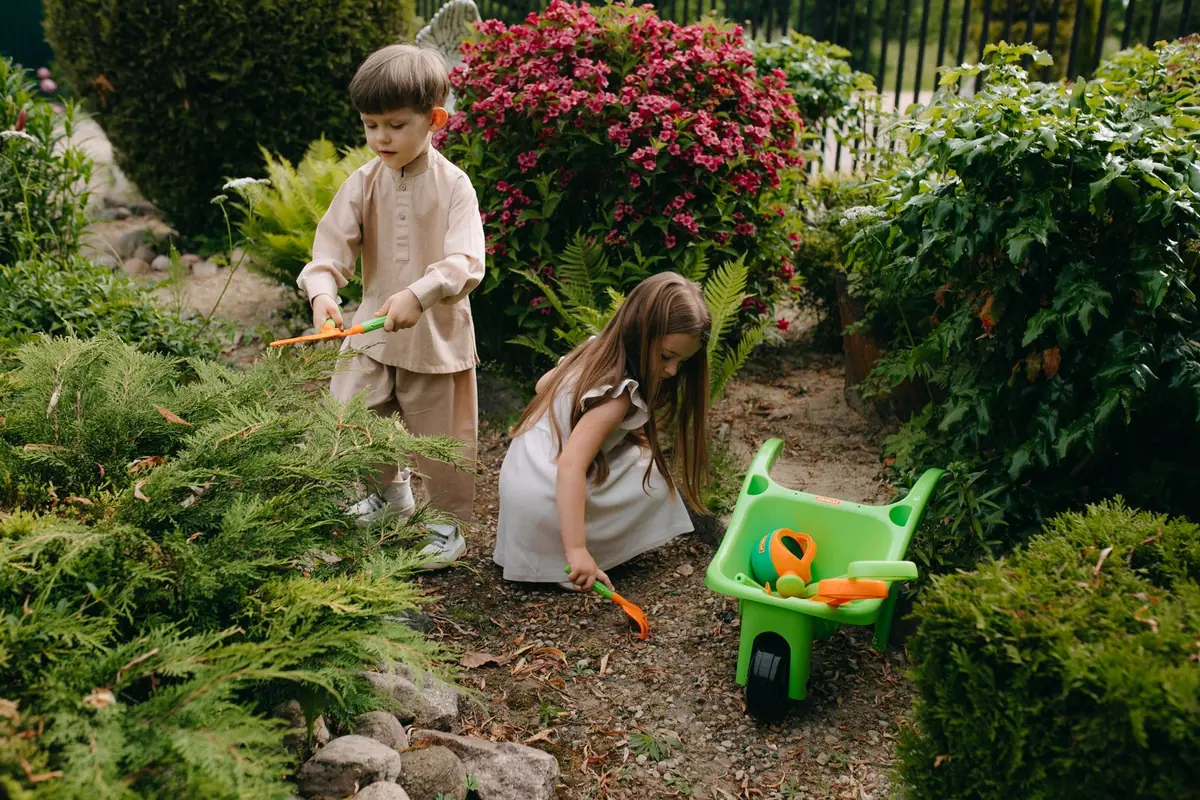
The savings run past the meter. Removing routine fertiliser, herbicide and pesticide treatments stops those chemicals reaching drains and waterways, and cuts exposure for the household at the same time. Fertiliser nitrogen and phosphorus feed algal blooms in streams and ponds, while pesticides harm beneficial insects and soil life.
Fuel and noise go too. No petrol mower, no leaf blower, no exhaust and racket on a Sunday morning.
One honest caveat belongs here. Synthetic turf is made from plastic, and that raises real questions about production and disposal. Choosing recycled or recyclable product lines reduces the impact without changing how the lawn performs.
Compare the Advantages on Your Own Ground
Order a sample and judge the texture, colour and backing in your own light before any decision. As a factory-direct supplier we send samples straight from production.
Advantage 8: It Grows Where Nothing Else Will
Shaded ground under trees, steep banks, rooftop terraces, balconies, narrow side strips, pool surrounds and indoor-outdoor thresholds all defeat natural grass. Synthetic turf covers every one of them and can be cut to fit awkward shapes.
Paving and gravel are the usual fallback on those difficult sites, and both mean giving up green entirely. Turf keeps colour and a soft surface on ground that could never grow a lawn. Homeowners planning a full garden can explore the residential artificial grass range for each application.
The material also suits groundwork that would defeat a living lawn. A perforated backing over a graded base drains reliably and stays usable across seasons.
The Honest Boundaries: When Artificial Grass Isn’t the Best Fit
None of the advantages above erase the trade-offs, and any guide that hides them is selling rather than advising. The first is cost. The upfront figure sits higher than sod, so it only pays for a given property. Hold that property long enough and the running savings outweigh the installation.
Heat is the second. On hot summer days a synthetic surface holds warmth and runs noticeably warmer underfoot than living grass, especially in full sun. Lighter fibres, cork or coconut infills, extra shade and a quick rinse temper the peak.
The third is the environment. Plastic construction and end-of-life disposal are genuine drawbacks, addressed by specifying recycled or recyclable lines.
A synthetic lawn is also the wrong choice for a large, fully sunny plot on a tight budget, or for a garden grown deliberately wild for wildlife. There, natural planting or a softer hard-landscaping approach earns its place.
Frequently Asked Questions
Is artificial grass safe for children and pets?
Yes. Quality turf is non-toxic, carries no chemical residue and stays soft underfoot with a shock pad beneath. Ask to handle a sample first.
How long does artificial grass last?
Well-built systems last well over a decade with basic care, brushing and occasional infill top-ups. Lifespan follows the yarn, backing and groundwork far more than the price.
Does artificial grass get too hot in summer?
Warmer than living grass in full sun, yes. Pale yarn, a cooling infill, shade and a quick rinse each bring surface heat down before it matters.
Is artificial grass better than paving or gravel?
It keeps green cover and stays soft, where paving and gravel leave a hard, bare surface. Turf suits difficult or shaded ground especially well.
Is artificial grass worth it for homeowners?
It is worth it where water is costly, upkeep time matters and the site is hard to plant. It is a poor fit for large sunny plots on a tight budget.
Your Next Step Before You Commit
Every advantage above is a claim about how a surface feels and behaves, and reading about them only goes so far. The decision usually settles the moment material sits in your hand on your own ground.
Lay a few samples in a row, sweep a hand across the pile, then flip each piece and inspect what holds the fibres. Handle a sample through the request free samples page, and the texture, colour and build answer more than any specification sheet.
The eight advantages and the honest boundaries together give you a full picture. Now let the material answer the last question for you.

 English
  Arabic
  French
  German
  Portuguese
  Russian
  Spanish