
Which surface should a facility actually buy for its bocce court? The honest answer is the one your maintenance budget can keep up with and your members will not complain about, and those two tests eliminate more options than any brochure.
Facilities are not backyards. Traffic is heavier, expectations are higher, and every hour of upkeep comes out of a crew schedule that already has a list. This guide compares the four bocce court surfaces the way an operator decides: cleanliness, crew hours, drainage, member experience and the budget line each one writes.
What Facility Traffic Demands From a Surface
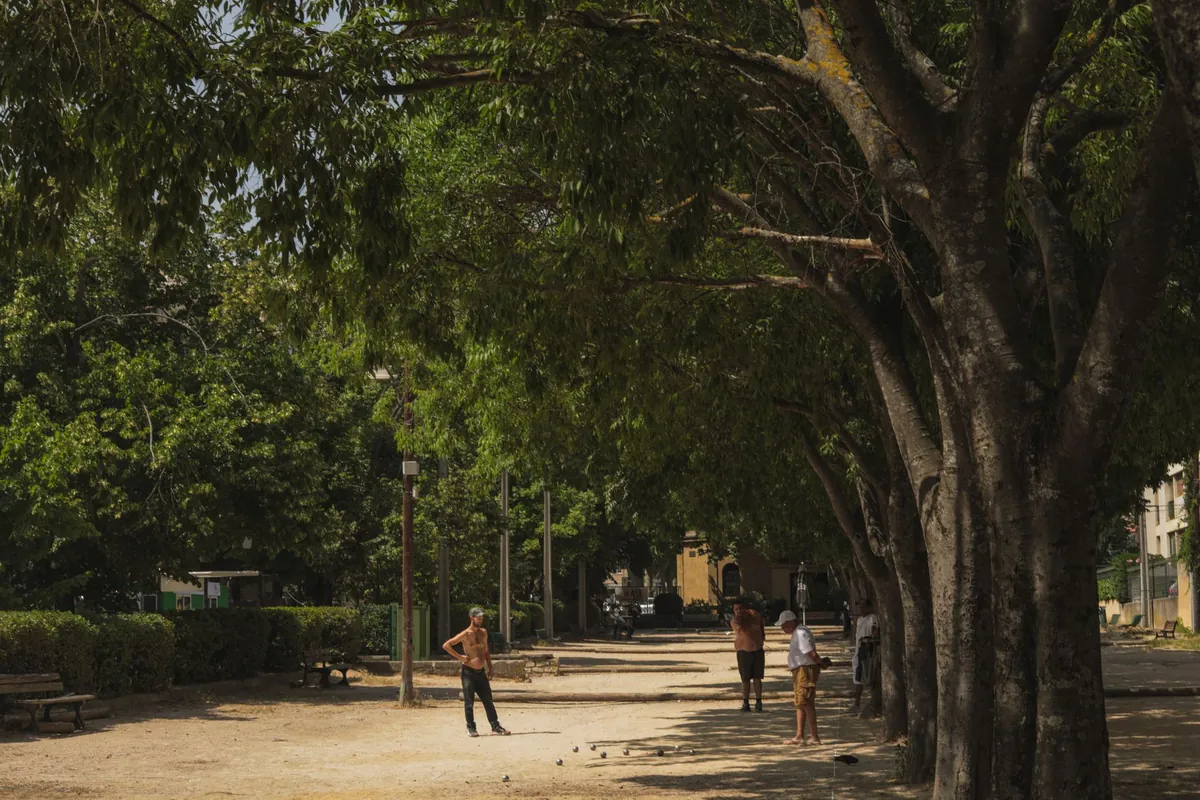
The traffic assessment starts with a simple count: how many players per week, how many months per year, and what percentage of those are competitive rather than casual. A court that hosts two league nights and one weekend tournament has a very different traffic profile from a park court that sees scattered family play. The first needs a surface rated for 28,000 playing hours over ten years. The second can accept a lower specification at a lower price. Matching the spec to the traffic is how you avoid both over-buying and under-buying.
A residential court serves one family. A facility court serves leagues on Tuesday, seniors on Wednesday morning, a corporate event on Friday and whoever wanders in on Sunday. Each group arrives with shoes, expectations and a complaint channel. The surface has to survive all of them without a maintenance calendar that eats the crew.
That traffic profile is the lens for everything below. A surface that plays beautifully but needs daily attention is a residential luxury and an operational liability. Facilities also carry a duty of care to every visitor, so slip resistance, edge flushness and all-weather drainage move from nice-to-have to requirement. The comparison below is scored through that lens, because a bocce court at a facility is infrastructure, not a garden feature.
The traffic assessment should also distinguish between peak and off-peak usage. A court that hosts league play on Tuesday and Thursday evenings has a different wear pattern from one that sees scattered family use across weekends. Peak traffic concentrates wear into the delivery lanes and requires a surface that recovers quickly between sessions. Off-peak traffic spreads the wear more evenly but exposes the surface to weather events between uses.
The Four Surfaces Side by Side
Four surfaces dominate the facility conversation, and the industry’s own descriptions draw the lines clearly. Crushed oyster shell is the traditional gold standard for roll quality in a game the bocce tradition traces back centuries. Synthetic turf has grown for a decade on the strength of being clean and nearly maintenance-free. Clay is hard and durable but drains poorly. Sand and gravel are cheap but wander.
| Surface | Cleanliness | Drainage | Maintenance | Operator verdict |
|---|---|---|---|---|
| Crushed oyster shell | Low | Good | Heavy | Beautiful, demanding |
| Synthetic turf | High | Good | Minimal | The workhorse choice |
| Sand or pea gravel | Low | Moderate | Moderate to high | Cheap twice |
| Clay | Moderate | Poor | High | Skip for most sites |
The rows come from how surface installers describe the market themselves, including the judgment that shell courts need extensive, ongoing maintenance and are inherently not very clean. For a facility choosing a bocce court surface, that sentence is a staffing plan. It is also the sentence to read twice, because maintenance is where the cheapest-looking option gets expensive over the years.
Maintenance Budgets and Crew Hours
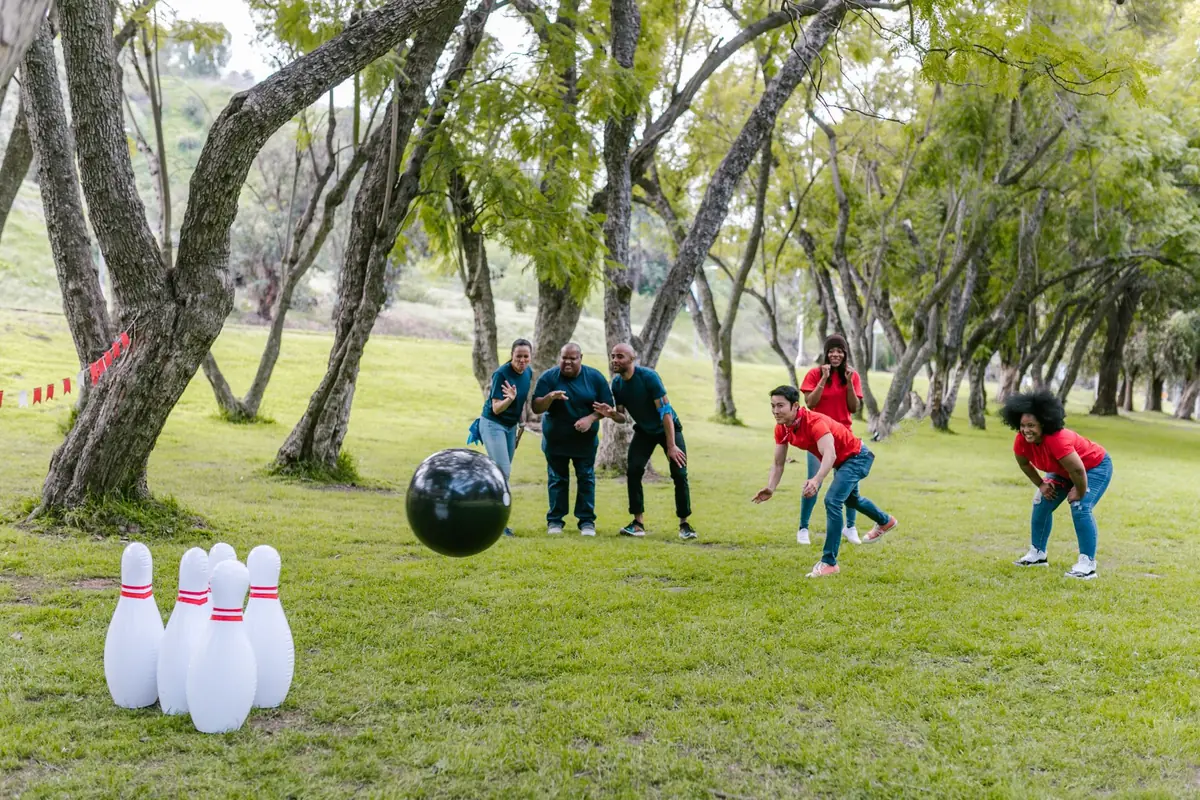
The cost-per-hour-of-use calculation is what separates the four surfaces on paper. Shell courts cost less to build but more to maintain, and their playable hours are limited by weather and surface recovery. Turf courts cost more upfront but deliver three to four times the playable hours, which drops the cost per hour significantly for high-traffic facilities. The crossover point depends on your booking rate. Most facilities that run more than ten hours per week find that turf pays for the premium within three to five years.
Shell and clay courts want light raking after games and periodic replenishment of surface material, and both jobs scale with bookings. Sand courts add wandering material that ends up in pathways and planted beds. A turf court compresses all of that into an occasional brush and rinse, which is why facility operators have moved to it for a decade straight. The crew hours you do not spend raking are the hours your members see as court availability.
The calculation also changes with the pricing model. A facility that charges per player per session counts availability differently from one that charges a flat membership. Turf earns its premium faster in per-play pricing because every cancelled session is lost revenue, not just a disappointed family.
Multi-Use Programming and Location Factors
Facilities rarely buy a surface for one sport anymore. A court that shares its space with pickleball demos, food trucks or ceremony seating needs a surface that tolerates tables and chairs without permanent impressions. Drainage matters double in shared spaces, because a soaked court closes three bookings, not one. And location sets the baseline: shaded sites dry slowly, coastal sites deal with blown sand, and urban sites judge cleanliness by what tracks into the clubhouse.
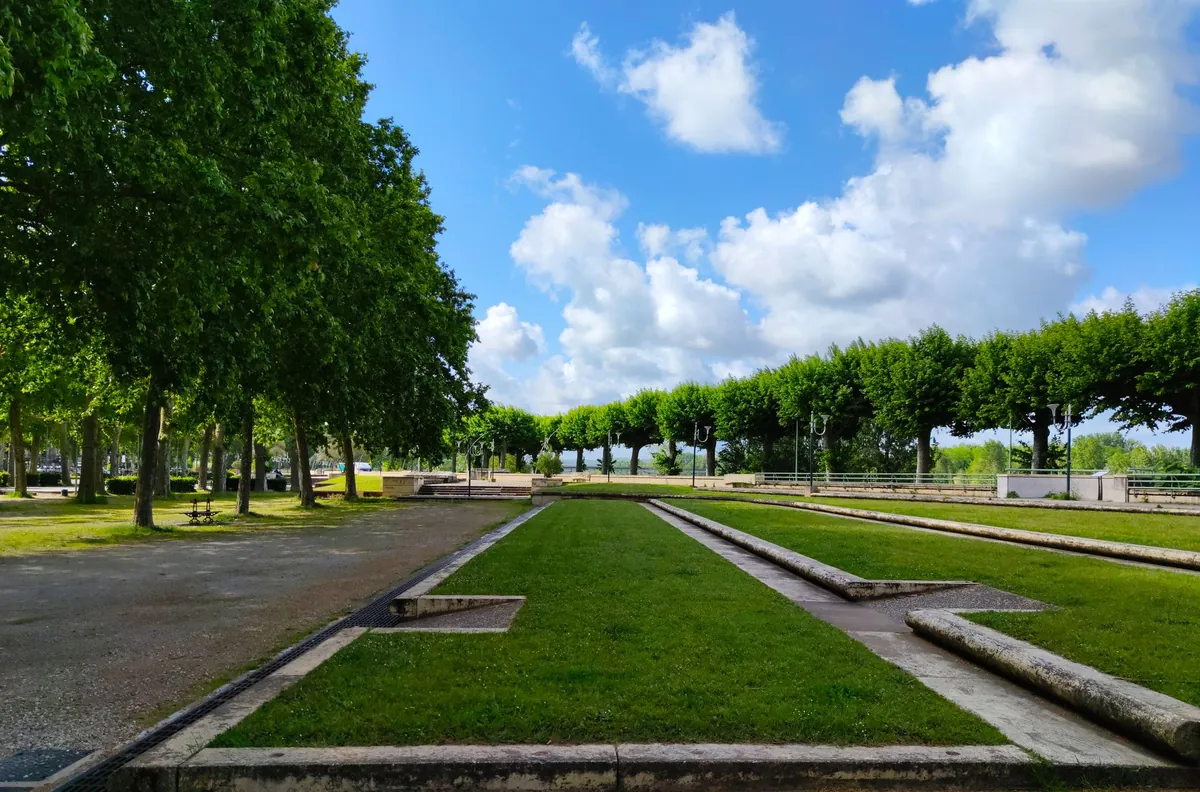
Member expectations complete the picture, and they are shaped by every visit, not just the best ones. Clean courts get photographed, and photographed courts get booked. A surface that looks fresh in week forty advertises the facility better than any sign.
Hygiene, Cleanliness and Player Experience
Players judge a facility within the first two ends. Shell dust on trousers, gravel kicked into shoes and clay staining light-coloured clothing all register as maintenance problems the member did not cause. Turf’s sealed surface keeps the game on the court, wipes clean and plays the same at seven in the morning and seven at night.
Experience also includes the sound of the surface and the comfort of the delivery stance. A clean, dry, even lane says the facility cares, and members renew at facilities that care.
The Facility Verdict by Traffic Level
Match the surface to the traffic and the decision makes itself. Low-traffic facilities with a dedicated grounds crew can carry shell and enjoy its traditional roll. High-traffic facilities, event venues and clubs that book weekends should buy turf, because availability is the product they are selling. Sand and gravel remain budget placeholders for sites where bocce is an experiment, and clay remains a specialist choice for operators who already maintain ballfield clay.
Our bocce ball turf is engineered for exactly the high-traffic case, with permeability and pile options matched to league play.
Club Members Complaining the Surface Won’t Run True?
Slow or drifting lines come from the carpet, not the players. We roll club-grade bocce turf. Buying direct from the maker usually lands 30–50% below like-for-like market pricing.
Budgeting the Build in Line Items
Published builder pricing gives operators a framework for the conversation. Site clearing and grading runs $1,000 to $5,000 depending on terrain, drainage systems $1,000 to $3,000, and fencing or borders $1,500 to $4,000. Lighting that extends evening leagues runs $2,000 to $8,000, and seating additions $500 to $2,000. Basic construction pricing starts around $15 to $30 per square foot, with premium surfaces quoted at $20 to $50 per square foot. Complete court construction projects land between $10,000 and $25,000 by those published figures, and resurfacing an existing court runs $2,000 to $8,000.
Every one of those ranges moves with region and site, so treat them as the shared language for a quote conversation rather than the quote itself. Facilities that bring this list to their first meeting buy smarter, because the line items stop being surprises.
Safety, Liability and Access Around the Court
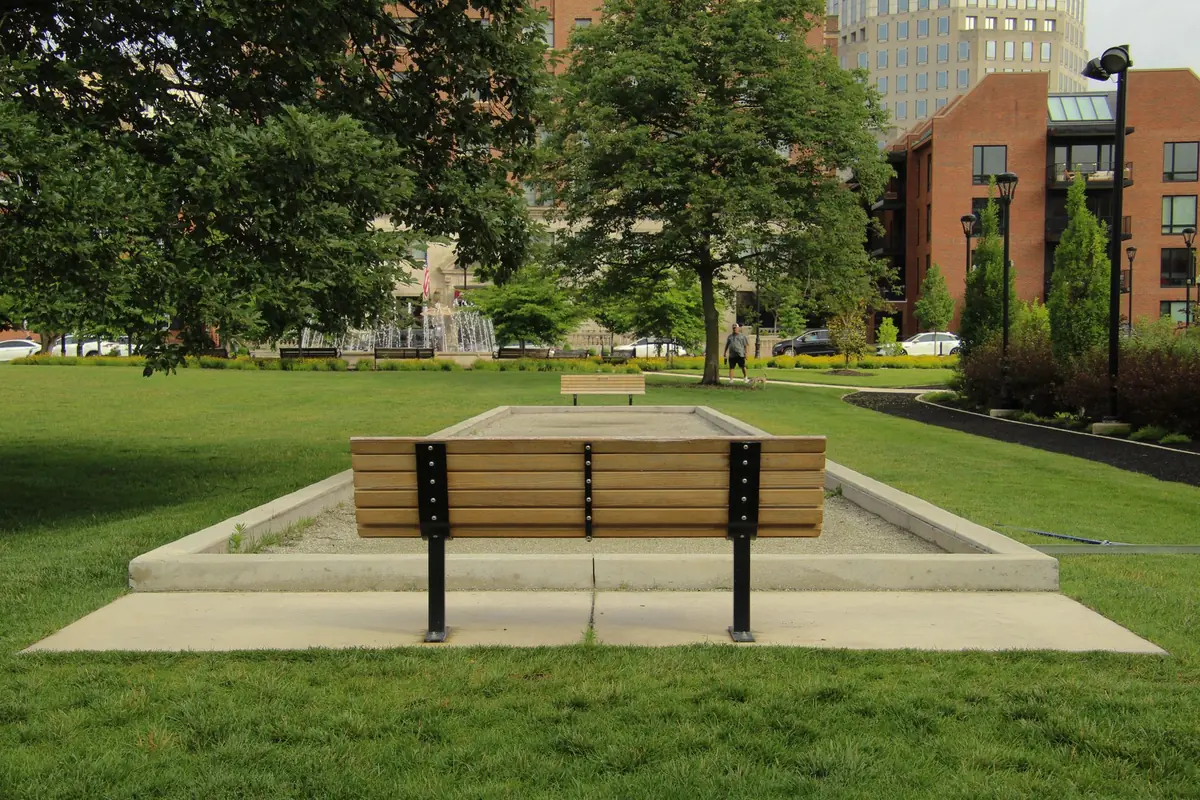
Operators carry a duty of care that goes beyond the playing line, and it is written into how members remember a venue. One flooded opening day does more marketing damage than a season of league results can repair.
The bocce court surface sits at the centre of that story. Edges and transitions should sit flush so no one catches a toe leaving the court. Access paths should stay slip-resistant in wet weather, and evening lighting should leave no dark corners on the approach. Surfaces differ in how they handle these duties, and turf’s even, nailed-down plane removes the loose-material slips that gravel and shell invite.
Walk the court at night before opening day. The problems you find with a torch are the problems a member would have found with a claim.
Frequently Asked Questions
What is the most durable bocce court surface?
Synthetic turf handles heavy facility traffic with minimal wear, and clay is durable but maintenance-hungry. Durability for a facility means wear resistance plus low upkeep combined.
Which bocce surface is cheapest to maintain?
Synthetic turf, by a wide margin. Guides describe shell and clay as high-maintenance, gravel as needing frequent raking, and turf as needing an occasional brush and rinse.
How much does a facility bocce court cost?
Published figures put complete court construction at $10,000 to $25,000, with basic surfaces from $15 to $30 per square foot and premium surfaces above that.
Can one court serve multiple sports?
Yes, and turf handles shared use best because it tolerates furniture and foot traffic without impressions. Plan the edges and access for the busiest sport.
Is oyster shell worth it for a facility?
For traditionalists with a dedicated grounds crew, it can be. For facilities running leagues on limited staff, guides flag its extensive ongoing maintenance as the deciding drawback.
 English
  Arabic
  French
  German
  Portuguese
  Russian
  Spanish