
Mowing contracts, irrigation repairs, fertiliser rounds and reseeding: the same four line items come back every season, and none of them ever shrinks. Meanwhile the entrance lawn still goes bald by August because customers cut the corner every day. That gap between what grounds maintenance costs and what it delivers is exactly where commercial artificial grass earns its keep.
The six benefits below are the ones that matter to a facilities budget. Then the guide goes where most listicles stop: how to spec the build and buy it without guessing. Our rolls leave a single production line heading for hotels, retail chains and contractors. So we read these benefits through a spec lens rather than a brochure lens. Turf is not the answer for every site, and those cases get named too.
Why Businesses Choose Turf Over Grass
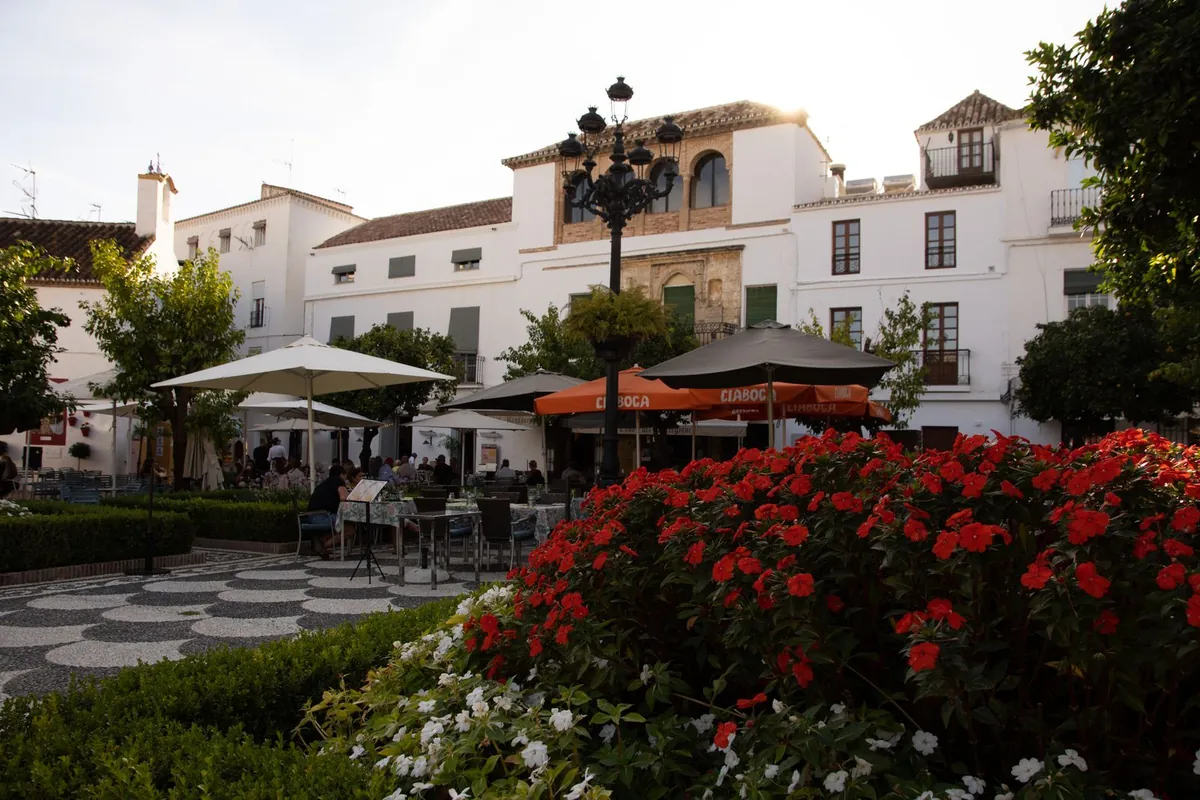
Commercial landscaping is an operating cost, not a garden. That single shift in mindset is why so many facilities switch. The recurring costs of natural grass are real and they never stop, while a turf surface turns a monthly cost into a fixed install that stays green without the crew. Add high-traffic zones that kill real sod, plus water pressure and chemical concerns, and the balance tips fast.
The right way to read this guide is as a checklist. Each benefit below is a claim you can test against your own site, and the last sections tell you what spec to ask for and how to buy it. Skip the parts you already know and land on the decisions you are actually weighing.
Benefit 1: It Ends the Recurring Maintenance Bill
Natural grass on a commercial site means a permanent line in the budget. Once commercial artificial grass is installed, the mowing, irrigation, fertilizing, reseeding and pest-control contracts disappear. Your facility team stops scheduling around a mower that is noisy during service hours, and the money moves back into the business.
We will be straight with you: turf is low maintenance, not zero maintenance. It needs an occasional brush, a rinse to clear dust, and a check of seams and edges, especially in high-traffic zones. That is a fraction of the natural-grass workload, but we would rather you plan for it than discover it later.
Benefit 2: It Survives Commercial Traffic
Commercial surfaces take abuse that would destroy natural grass within a season. Front entries, outdoor dining, event lawns and walkways get walked down to mud under continuous use. A commercial artificial grass build with a heavier polyethylene face weight stays presentable under that traffic, holding its colour and staying level.
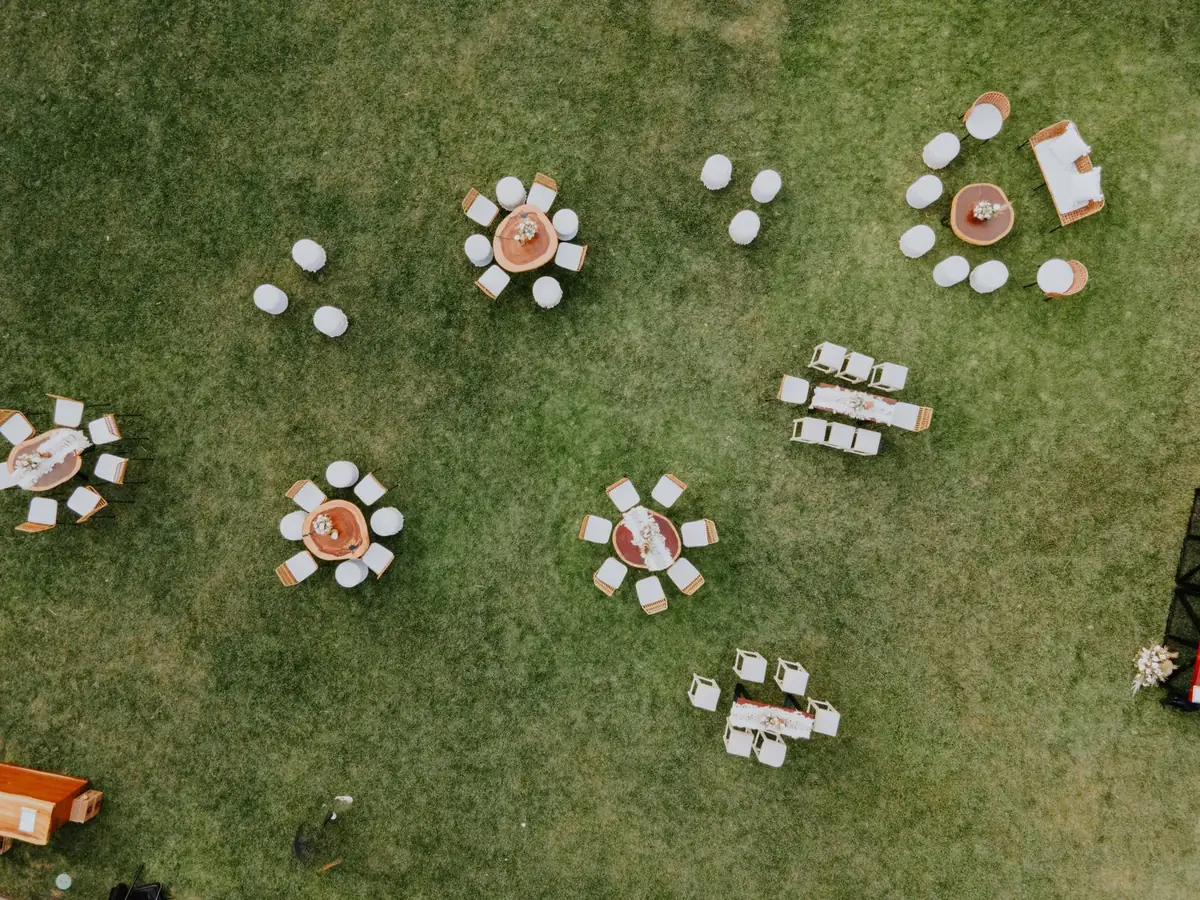
There is a quieter payoff too. Because the surface is clean, guests and staff do not track mud and clippings into the building. That means a cleaner lobby, less janitorial work, and a better first impression after a rain. The durability benefit is really about protecting the whole customer experience.
Benefit 3: It Cuts the Water Bill
An irrigation system is another fixed cost and a risk when water restrictions tighten. Commercial artificial grass removes that demand entirely. Suppliers commonly cite water-bill reductions of up to roughly 70 percent, and the practical effect is that your landscape stops competing with the municipality for water in a dry season.
The environmental angle matters to customers too. A facility that no longer floods a lawn to keep it green sends a visible signal of responsible operation, which is increasingly part of the pitch to clients and tenants.
Benefit 4: It Looks the Same Every Day
Natural grass is seasonal and patchy. It browns in winter, goes bare in high-traffic corners and grows unevenly in shade. Commercial artificial grass removes all of that variance, giving a consistent, photo-ready surface every day of the year. For a hotel entry, a retail frontage or an office courtyard, that consistency is the entire point.
Our view is that appearance is a brand asset, not an indulgence. The outside of a building tells customers how the business runs on the inside, and a surface that never looks neglected is a quiet but constant signal of quality. You cannot put a clean price on that, but you can feel it in the enquiries.
Benefit 5: It Removes Chemical Risk
Pesticides, herbicides and fertilizers create liability in customer-facing and family areas, and they smell while they are applied. Commercial turf needs none of them, because there is nothing alive to treat. That removes the chemical applications, the liability and the staff and guest exposure in one move.
For businesses that host children or pets, such as daycares, family restaurants and pet-friendly retail, this is often the deciding benefit. A surface with no chemical history is easier to defend in front of a concerned parent than one that was sprayed weekly. Safety here is not a feature; it is the baseline customers assume.
Benefit 6: It Cuts Daily Operational Friction
Grounds maintenance is noisy and disruptive in the middle of a business day. A turf surface removes the scheduling friction, because there is no weekly mow to time around lunch service or client visits. It also keeps the building cleaner, with no clippings or mud coming in on shoes.
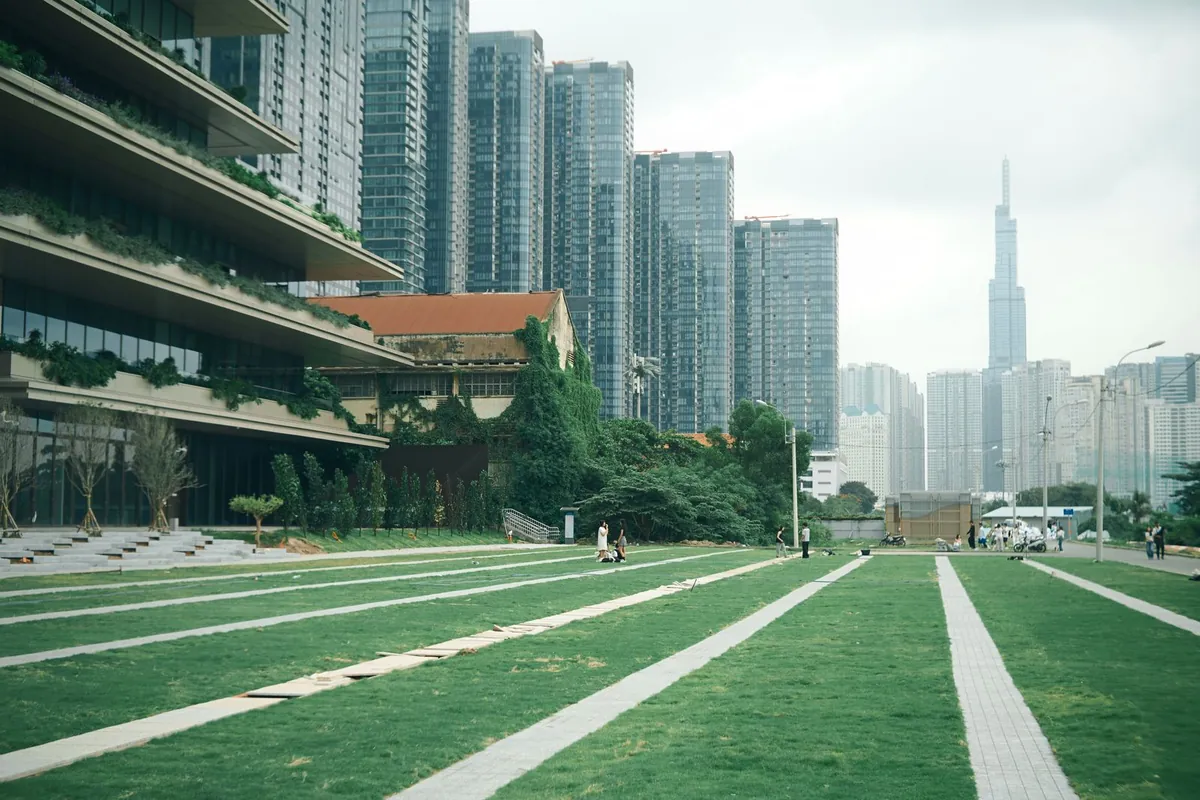
Add it up and the real saving is time. Facility staff stop coordinating gardeners, watering and chemical appointments, and they redirect that time to the work the business actually runs on. That operational dividend is easy to understate and hard to ignore once it is gone.
Where Commercial Turf Earns Its Place
Not every commercial surface is a good fit, so match the application. The clearest wins are outdoor dining and rooftops for hospitality, entry and display zones for retail, break and event lawns for offices, and safe play areas for child-care. Municipal and event venues also use commercial artificial grass heavily for its low maintenance and year-round look.
| Sector | Where turf fits | What matters |
|---|---|---|
| Hospitality | Outdoor dining, poolside, rooftop lounges | Durability, drainage, clean surface |
| Retail and events | Displays, walkways, venue lawns | Presentability under foot traffic |
| Office and corporate | Courtyards, break zones, entry landscaping | Year-round appearance, low upkeep |
| Child-care and municipal | Play areas, parks, public lawns | Safety, no chemicals, hard-wearing |
Once the area is defined, roll width decides your seams and your waste. Our commercial widths run 2m, 4m and 5m, each 25m long, which works out to about 50, 100 or 125 square meters per roll. A wide event lawn suits the 5m option with almost no joints, and a narrow balcony wastes less with a 2m one. Ask the factory to recommend the layout before you quote.
Specifying the Right Commercial Build
A benefit only becomes real if the spec matches the traffic. For commercial use, ask for a polyethylene turf with a heavier face weight so the fibres stand up under footfall. Match the pile height to the surface as well. A modest pile suits dining and retail where you want a tidy look, while a denser, taller build suits areas where people sit and walk.
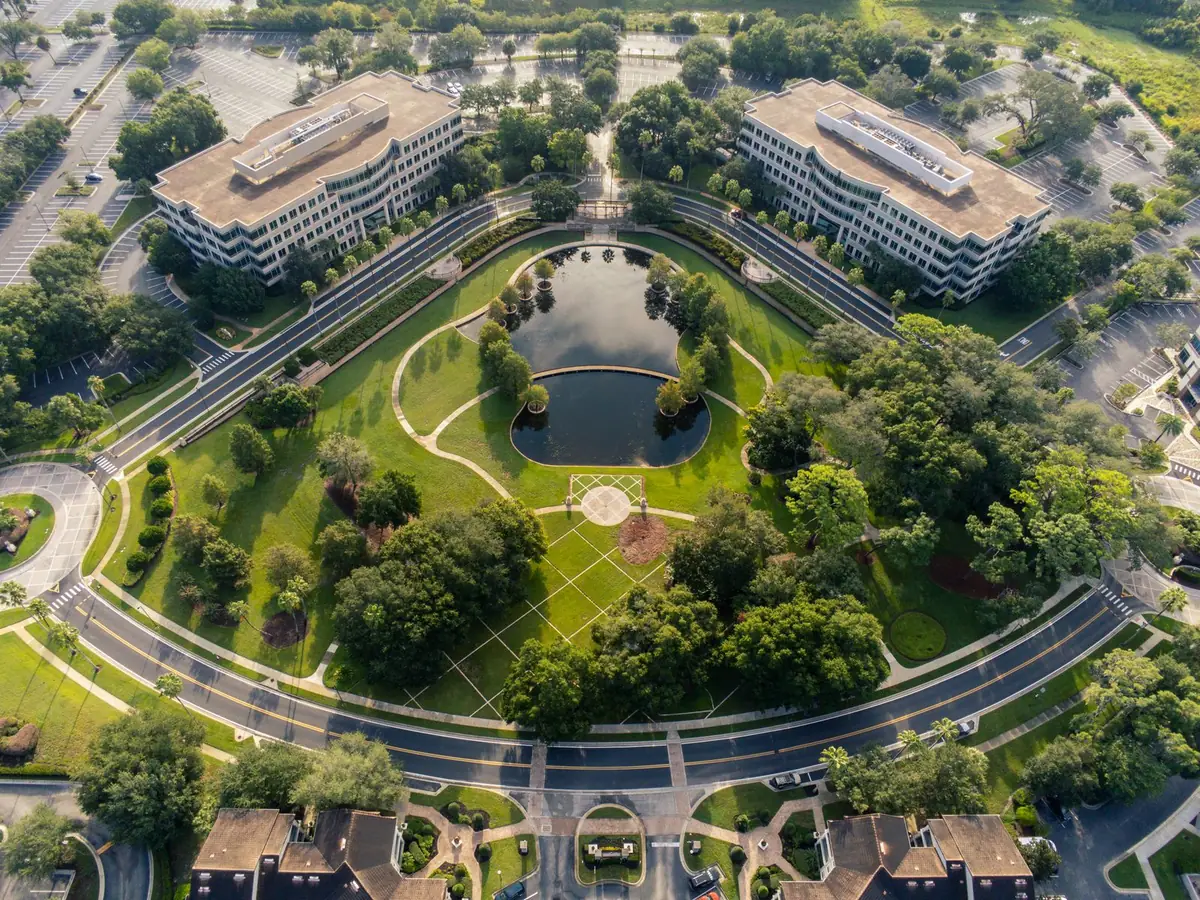
Two details matter most under the pile. First, a perforated backing lets water drain fast, so an outdoor dining floor dries instead of pooling. Second, a stable backing with a PP net, and an optional PU coating, keeps the roll from stretching and wrinkling over time. The full layer stack gets its own walkthrough in what goes under artificial grass, and the product hub lists the build options.
Spec Commercial Turf That Holds Up
Send the surface type, traffic and area, and we will match a heavy-face-weight commercial build to it. You get the roll plan back with your quote, plus free 20 x 20 cm samples to test the pile first.
Reading the Price Like a Buyer
Quote in a single unit, then price the whole system. Our factory-direct indicative range is $7-60 per square meter depending on backing, grade and type, which already tells you the spread is wide. The real figure depends on the face weight you need, the backing, the roll width and the freight, so a single per-meter number is never the whole story.
Because one factory carries the job from yarn to coating, our pricing lands 30 to 50 percent under international equivalents at matching specs. The saving is structural, not a quality cut. Judge quotes on matched material, face weight and backing, then add base, install and freight to reach the true project cost.
How to Buy Without the Guesswork
Buying commercial turf is a spec conversation, not a price hunt. Start with the data sheet: material, fibre shape, pile height, face weight and backing type. Then confirm the roll width and seam plan for your actual area, because that is where most ordering mistakes hide. A single 4m × 25m roll delivers 100 square meters of coverage, and a layout planned around roll widths wastes the least.
Get physical samples before any container order. A screen turns colour and hand feel into fiction, and a sample that sits on the floor for a week tells you how it will really wear. Our free samples are 20 x 20 centimetres, three to four pieces, with freight charged. Expect the pack inside four to six working days, and up to nine at remote addresses. If you need a custom spec or your own brand on the roll, OEM is standard here, with ten to fifteen extra production days.
Frequently Asked Questions
Is commercial turf really low maintenance?
Yes, far lower than natural grass: no mowing, watering or chemicals. It still needs an occasional brush and rinse, plus seam and edge checks.
How long does commercial turf last?
With a proper spec and basic upkeep, a commercial-grade build is a long-term investment. We avoid quoting reseller lifespan figures and recommend matching face weight to traffic.
How much water does it save?
Synthetic turf removes the irrigation demand entirely. Commercial sources commonly cite water-bill reductions of up to roughly 70 percent compared with maintained natural grass.
Which turf handles heavy foot traffic?
A polyethylene turf with a heavier face weight is the standard answer. Match pile height to the surface and confirm a perforated, stable backing for drainage.
Can suppliers do custom sizes for commercial jobs?
Yes. OEM and custom widths are standard, and custom production adds about ten to fifteen days. Confirm roll coverage and seams before ordering.
 English
  Arabic
  French
  German
  Portuguese
  Russian
  Spanish