
The wholesale turf order is rarely lost in a showroom; it is decided between a specification sheet and a quote. Three questions decide whether the whole project makes money or not. We have watched programmes rise and fall on how those three answers land.
A full guide to artificial turf for wholesalers has to answer them in order. Get them open before the order is safe.
Match the Spec to the Application First
Start with the job the turf has to do. Landscape grass, sports turf, and playground surfaces ask for different yarn blends, pile heights, and densities. The spec sheet should name the application before it names a number.
Our yarn is typically polyethylene monofilament with a polypropylene thatch layer, and the backing carries the real decision. We coat rolls with PP+Net for general permeability or PU where furniture drags and traffic is heavy.
Write the backing material into the contract as a named spec, not a line that says good quality. Colour, density, and pile height are all variables our plant can tailor to a market.
The six quality traits worth checking live in their own walkthrough; our six quality traits walkthrough covers the hand checks. For the layers beneath the grass, see our essential artificial turf layers guide.
Roll Sizes and Container Loading Basics
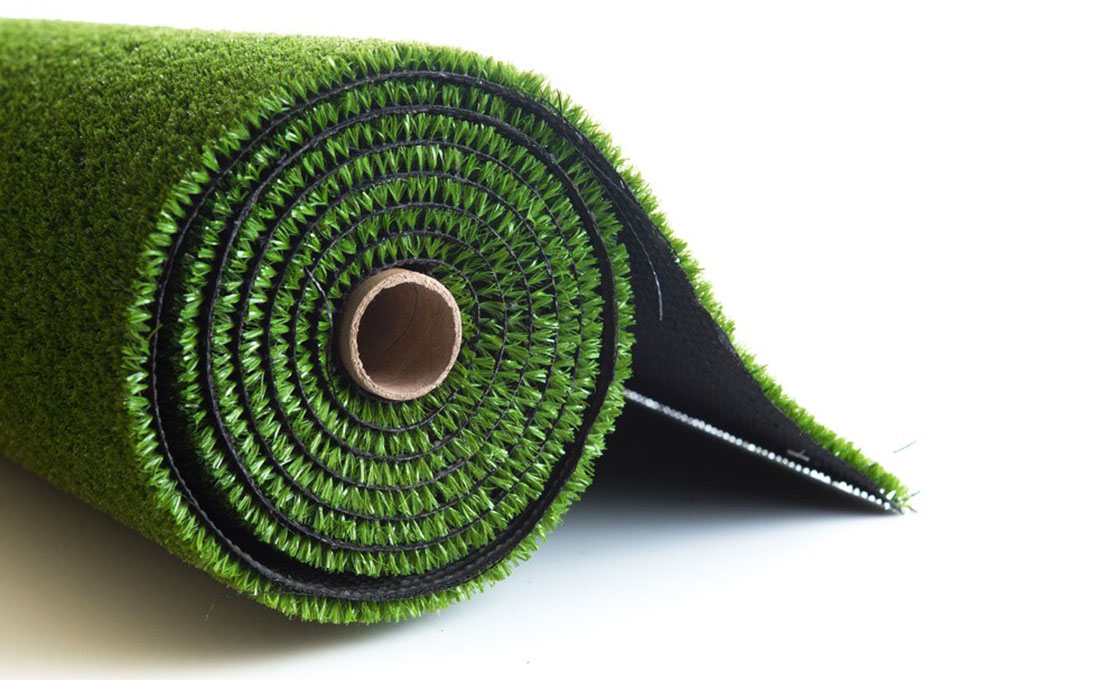
Roll width is a logistics decision as much as a product one. Every artificial turf installation is cheaper when one width runs the whole depth without a cross seam. The wrong width leaves both seams and offcuts behind.
| Roll width | Best suited to | Trade note |
|---|---|---|
| 2 m × 25 m | Small areas, tight access | Most economical; easy to carry and install |
| 4 m × 25 m | Most layouts | Safest choice when dimensions are uncertain; widest supply |
| 5 m × 25 m | Large seamless spaces | Fewest seams; heavier to transport and install |
Two metre rolls move through a side gate and cost the least. Four metre rolls cover most layouts and stay the safest choice when the final dimensions are still open. Five metre rolls suit large fields that want almost no seam, though they weigh more and need a bigger crew.
Match the width to the project’s shortest run, and a custom width removes seams entirely for a premium, small-run order. The rolls versus tiles comparison shows where tiles beat rolls on tight cuts.
A wider roll also means fewer joins to seam on site, which shortens the install crew’s day and lowers the chance of a visible line. The width choice pays back at every stage after the order is placed.
Pricing Volume and Total Cost of Ownership
Pricing is indicative $7-60 per square meter depending on grade, backing, and padding; request an exact quote against your drawings and total square metres.
Every artificial turf installation carries its own area, backing, and roll width mix, so project volume shapes the final rate. This full guide to artificial turf buying separates the headline band from total cost of ownership.
Buyers holding the container should also weigh replacement and complaint cost, not just the purchase line. Our production costs run 30 to 50 percent below international competitors, which widens the margin a distributor can keep.
For the cost factors behind the band, see our cost per square meter factors and our artificial grass cost guides.
Confirm Your Spec Before You Commit the Container
Three questions surface before almost every wholesale order. Which backing survives the target climate? Which roll width wastes the least on the cut? Does the quoted spec match what arrives at the dock?
Distributors and contractors supplying turf in volume: send your project drawings and roll mix, and request batch samples before you commit the container.
Logistics from Factory to Your Warehouse
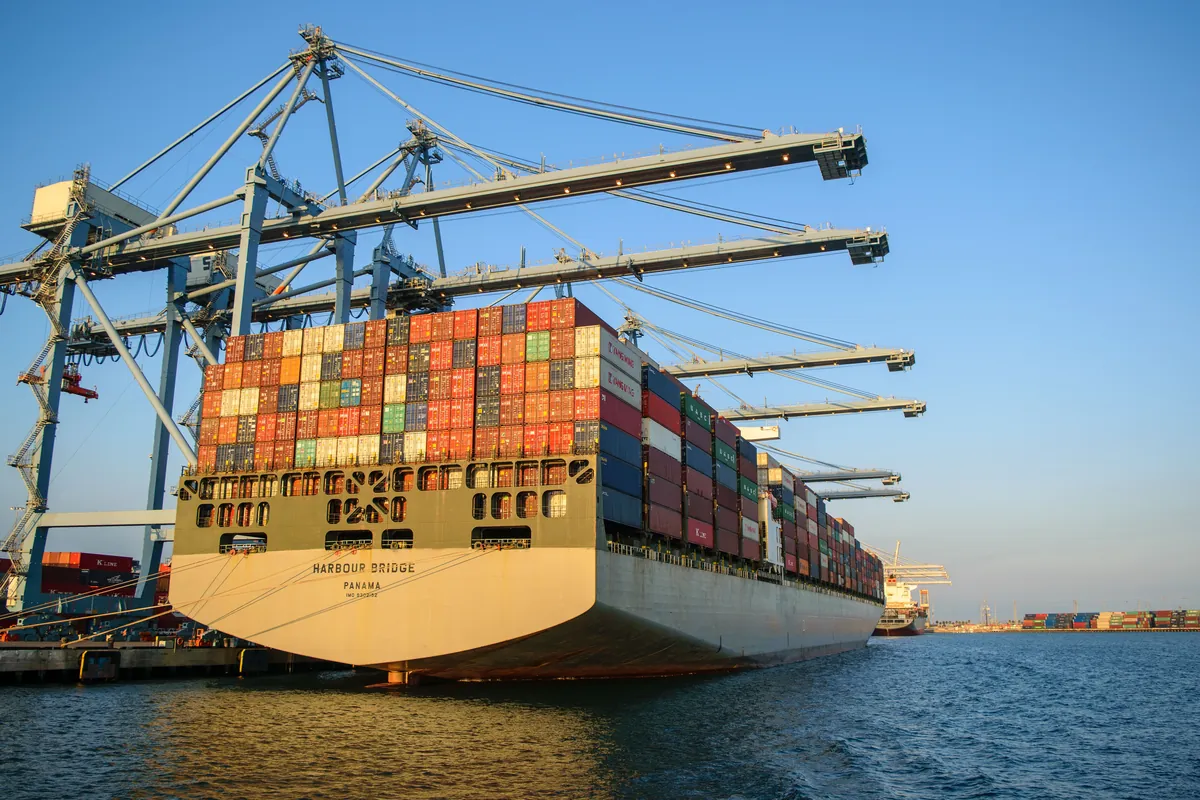
The shipping terms decide who carries the risk at each stage of the artificial turf installation supply chain, and the split should be written before the deposit leaves your account. We offer two standard options and accept others by agreement.
Under Option 1 we carry Chinese export clearance, the ocean freight, and insurance to your destination port. Under Option 2 we handle inland freight to the Chinese port, export clearance, and loading; your forwarder takes over from there.
Either way the rolls ship on cores, wrapped for the sea leg. The real protection against in-transit damage is the inspection before loading and a retained sample of the approved batch.
Allow a cutting allowance that grows with layout complexity, because offcuts on a curved site cost more than the same metres on a rectangle.
In both options we prepare the commercial invoice, packing list, and bill of lading so the documents match the roll count on the pallet. Clear paperwork is the quiet half of on-time delivery.
Sample Checks Before the Container Books
No buyer should book a container on a brochure alone. This full guide to artificial turf sampling starts with the 20 by 20 cm check on your own desk. We cut free samples at that standard size, usually three or four variants, and you cover the freight.
Samples reach most markets by DHL or FedEx in four to six days, so the test costs days, not weeks. Every artificial turf installation you quote can start from the same sample family. Custom sample sizes need ten to fifteen extra days of production before they ship.
One distributor we work with lays the variants by a north window, holds each against the light, and bends the pile before the first call back to the factory.
Ask that the production batch match the approved sample, keep one piece as a benchmark, and spot-check the container against it on arrival. The batch-consistency checks are the same ones our quality walkthrough runs by hand.
Common Wholesale Turf Buying Mistakes
Three mistakes repeat across wholesale enquiries. The first is ordering a width that forces a seam down the middle of a large site, which a wider roll would have avoided.
The second is leaving the backing as good quality on the contract, so the delivered roll cannot be held to a named material. The third is treating the sample as a one-off instead of the benchmark the whole container must match.
In our view the sample is the only part of the order you truly control before the freight is paid. Choosing turf wholesale is less like buying a product and more like negotiating the variables of a contract; the buyer who names every variable pays for fewer surprises. This full guide to artificial turf procurement ends where the order begins: with a clear spec and a sample that proves it.
Frequently Asked Questions
How do wholesalers handle minimum order quantities?
Minimum order quantities shift with product type and stock, and we do not publish one fixed number. Send your area, backing, and roll width, and we quote the actual container volume rather than a guessed MOQ.
Which roll sizes should a container order use?
Rolls come in two, four, and five metre widths, each 25 metres long. Use two metre for economy and tight access, four metre when dimensions are open, and five metre for large seamless spaces; match the width to the shortest run.
How much does wholesale artificial turf cost?
Pricing is indicative $7-60 per square meter depending on grade, backing, and padding. That band moves with area, backing, and roll width, so request an exact quote against your drawings and total square metres.
How do free samples work for trade buyers?
We cut 20 by 20 cm samples free of charge, usually three or four variants, and you cover freight. They ship by DHL or FedEx in four to six days, and sample size can be tailored to your project.
How long does the sampling stage add to procurement?
Standard samples reach most markets in four to six days by courier. Custom sample sizes need ten to fifteen extra production days, so build the sampling stage into your timeline and run contract talks in parallel.
How do I keep bulk production consistent with samples?
State in the order that the production batch must match the approved sample. Keep one sample as a benchmark and spot-check the container against it on arrival, raising any mismatch before the balance is paid.
 English
  Arabic
  French
  German
  Portuguese
  Russian
  Spanish