
A landscape tender for a commercial plot usually collects three quotes at once: one for an artificial turf installation, one for concrete pavers, and one for decomposed granite. The three numbers rarely answer the same question. Each surface hides its real cost in a different place, whether that is base work, joint material, irrigation, or skilled labour.
We sit on the factory side of those quotes, and our team watches buyers weigh the three surfaces week after week. This turf vs pavers vs decomposed granite cost breakdown sorts the decision into relative tiers: low, mid, and high, upfront and lifetime. It closes with the checks our team runs before a buyer commits a container.
Three Surfaces One Budget Decision
Pavers are hard units set on a compacted base with joint material between them. Decomposed granite is crushed stone fines that compact into a firm, natural-looking surface, as summarised on Wikipedia’s decomposed granite page. Artificial turf is a tufted synthetic carpet supplied in rolls, installed on a prepared base, and infilled or left landscape-grade depending on the specification.
Each surface answers a different brief. Pavers read as permanent hardscape and carry the highest installed complexity. Decomposed granite reads as natural and sits at the lowest material cost. Artificial turf reads as green without irrigation, and its pricing works more like a manufactured product than a construction material. That product logic is what makes the turf vs pavers vs decomposed granite cost comparison worth running line by line.

For buyers who land on turf after this comparison, the wider product family sits in our residential artificial grass range for landscape work. The sections below the fold set out where each cost line actually comes from, so the three quotes can be read on one basis.
What Each Surface Costs Upfront
Upfront, the three surfaces sort cleanly into tiers. Decomposed granite takes the low tier for material supply. Pavers take the high tier once base prep, edge restraints, and skilled laying labour are counted, while artificial turf lands in the mid tier, moving with grade and padding. The turf vs pavers vs decomposed granite cost spread at this stage is driven less by the visible surface than by everything underneath it.
| Cost line | Decomposed granite | Artificial turf | Pavers |
|---|---|---|---|
| Material supply | Lowest tier, sold by volume | Mid tier, set by grade | Highest tier, set by unit |
| Base preparation | Moderate, compacted fines | Moderate, compacted base | High, deeper engineered build |
| Labour skill | General crew | General to specialist | Specialist layers required |
| Joints or infill | Surface fines only | Infill optional by spec | Joint sand or polymeric |
| Edging | Timber or steel | Steel or bender board | Concrete restraints |
| Quote structure | Tonnage plus labour | Roll area plus install | Area plus laying rate |
Treat the table as a structure for comparing quotes, not as a price list. No two sites compact, drain, or edge the same way, so the same surface can move a tier between two projects. For a deeper read on what moves turf pricing specifically, the artificial grass cost per m2 factors breakdown lists every driver.
Why Turf Pricing Works Differently
Pavers and decomposed granite are priced as construction: material plus tonnage plus site labour. Artificial turf is priced as a manufactured roll, and that changes what a buyer can negotiate. Grade, pile height, density, padding, and backing all move the number, which is why two artificial turf installation quotes for the same site can sit far apart.
At our plant the spread is wide because the product is configurable. Indicative pricing runs from $7-60 per square meter depending on padding, grade, and type, so always request an exact quote against your own drawing. A landscape roll and a padded playground roll can leave the same line at very different specifications.
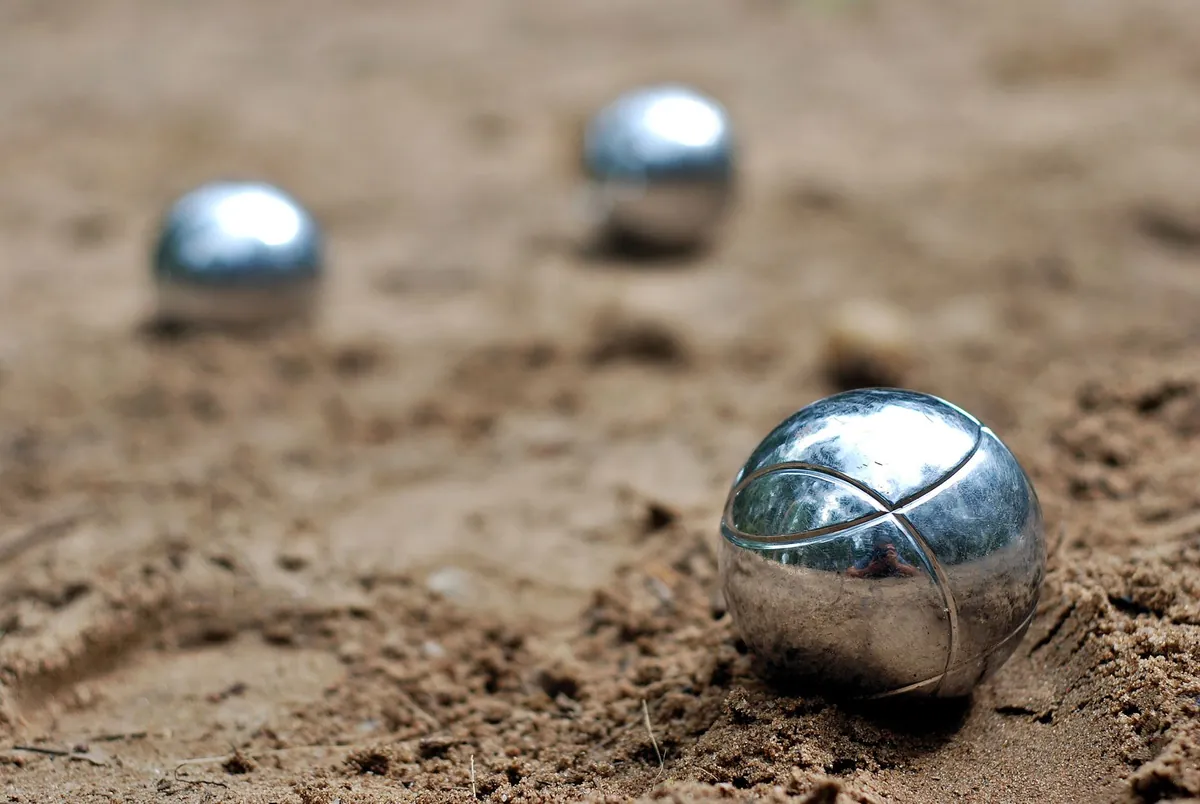
Roll format also moves the installed number. Our line runs 2m, 4m, and 5m widths by 25m, and wider rolls mean fewer seams, less joint work, and less waste across large areas. Fewer seams is a real cost line on a big site, not a brochure claim.
Lifetime Costs Maintenance Water Replacement
Upfront is only half the ledger. Pavers need joint sand topped up, occasional re-levelling, and weed control between units. Decomposed granite needs re-compaction and fresh fines after heavy rain or heavy traffic, plus a new top dressing every few seasons. Artificial turf needs brushing, debris clearing, and infill top-ups, and little else.
Water is where turf pulls ahead. Irrigation, mowing contracts, and fertiliser disappear once the roll goes down, and on a large commercial site those contracts renew every year. Commercial grades serve for up to 10 to 15 years. Over that service life, the turf vs pavers vs decomposed granite cost gap usually widens in turf’s favour on maintained green space.
Drainage decides how much lifetime work each surface really costs. A poorly graded base makes all three surfaces expensive: pavers pond, granite washes out, and turf backs water up. Our artificial grass drainage bases guide covers how base design protects the surface above it.
Matching the Surface to Project Type
Volume changes the answer. Schools and municipal crews specify artificial turf installations for fields and play areas because maintenance contracts shrink and the surface survives daily use. Landscape contractors choose decomposed granite where a natural look and a low material bill matter most. Pavers win briefs where hardscape permanence is the specification, not a nice-to-have.
Distributors and importers read the same question through a different lens: which surface moves in containers. Turf ships as light, compressible rolls at predictable area per roll, while stone products carry weight and breakage risk on every shipment. That logistics gap is a cost line many buyers only discover after their first order.
If your next tender or container programme leans toward turf, the fastest way to firm up the numbers is to buy it factory direct rather than through a reseller chain.
Order Factory Direct Turf for Your Next Tender
Pavers and granite are construction purchases. Turf is a manufactured product, and buying it at the factory gate is where the margin sits. We have built artificial grass since 2006, and every order ships straight from our own line rather than through a middle layer.
Request a Factory Direct Quote
Our line covers landscape, playground, and sports grades in 2m, 4m, and 5m rolls by 25m, with PP+Net or PU backings and customisable pile height, density, colour, and roll size. Every roll is produced in-house across eight steps, from compounding and extruding through tufting, coating, and rolling up. Send your drawings and target area, and our team returns an itemised FOB quote with matching bulk samples.
How We Quote Factory Direct Rolls
Our quoting starts from area and specification, not from a catalogue page. Send the drawing, the intended use, and the target pile height, and our team maps it to a roll plan first. On big sites we push 5m by 25m rolls because almost no seams are needed and wide rolls waste less material across large areas.
Every quote then maps onto the same eight production steps, from compounding and extruding through twisting, tufting, coating, drying, perforating, and rolling up. Because the line is ours, customisation covers yarn colour and shape, density, pile height, backing composition, and roll dimensions. Buyers who need a non-standard width can order tailor-made rolls that install without seams.
The current landscape and sports grades are listed on our artificial grass roll product page. For buyers building a private-label or bespoke line, the custom artificial grass programme covers specification development from yarn to backing.
Costing Mistakes Buyers Keep Making
The most expensive mistake in artificial turf installations is comparing a supply-only roll quote against an installed pavers or granite quote. The roll price and the installed price are different products. Normalise every quote to the same basis, supply and install or supply only, before the numbers go side by side.
The second mistake is skipping base and drainage in the comparison. All three surfaces stand on compacted base, and the base is where installers earn their margin. The third is skipping samples: colour and pile read very differently on a screen than in hand. Our free 20cm by 20cm samples ship by DHL or FedEx in 4 to 6 days, with custom samples needing 10 to 15 days extra.

Put the three surfaces on one sheet, tier by tier, and the decision usually makes itself. Where the brief is green space with a maintenance budget, turf wins the ledger. Where the brief is hardscape or natural pathways, pavers and granite keep their place.
Frequently Asked Questions
Is turf cheaper than pavers upfront?
Usually yes at the material line. Decomposed granite is cheapest upfront, turf sits mid-tier by grade, and pavers cost the most once base work and skilled laying are counted. Always compare on the same installed basis.
How long does artificial turf last in commercial use?
Landscape and commercial grades commonly serve up to 10 to 15 years with routine brushing and infill top-ups. Pavers often outlast that but cost more to install, while decomposed granite needs the most ongoing renewal work.
What does factory direct turf cost per square meter?
Indicative pricing runs from $7-60 per square meter depending on padding, grade, and type. That range is only a guide, so request an exact quote against your drawing, target area, and specification.
Which surface handles heavy rain best?
Turf with a perforated backing drains through the surface, pavers drain through joints, and decomposed granite can soften or wash out without a graded base. Base preparation matters more than the surface in every artificial turf installation.
Can I get samples before committing to a container?
Yes. Standard samples are 20cm by 20cm and free of charge, with freight collected. They ship by DHL or FedEx in 4 to 6 days, and custom specifications need 10 to 15 days of production first.
Which surface should a distributor stock?
Turf moves as light, compressible rolls with predictable area per container, while stone products carry weight and breakage risk. For green-space demand, the turf vs pavers vs decomposed granite cost maths favours stocking turf rolls first.
 English
  Arabic
  French
  German
  Portuguese
  Russian
  Spanish