








A contractor spreads two soccer turf quotes across the desk before a tender closes. One sheet is stamped ‘FIFA standard’ in bold type; the other carries no such line at all. The tender document never says which label the pitch actually requires, and neither salesperson explains it. The stamped one may not be certified either, because those words on a quote prove nothing on their own.
Settling that doubt is exactly what the FIFA certified turf vs soccer turf comparison is for. One product is a complete system that accredited institutes have tested; the other is a roll with no testing body behind it. We quote both kinds of projects from the factory spec desk, and the label is the least reliable thing on the page. What matters is what the certificate attaches to, what the tests measure, and what your ground must host.
Two Products, One Confusing Turf Label
In any FIFA certified turf vs soccer turf comparison, the certified side is not a thicker carpet. The FIFA Quality Programme certifies complete turf systems: the surface, the infill and the base construction together must pass laboratory and field tests run by accredited independent institutes. FIFA does not run the tests itself. A system that passes is listed on the programme’s public register at quality.fifa.com; one that fails goes back for reformulation, with no middle ground. That register listing, not the wording on a quote, is the whole difference between the two products.
The full rulebook behind that register sits in the FIFA standards for professional football stadiums.
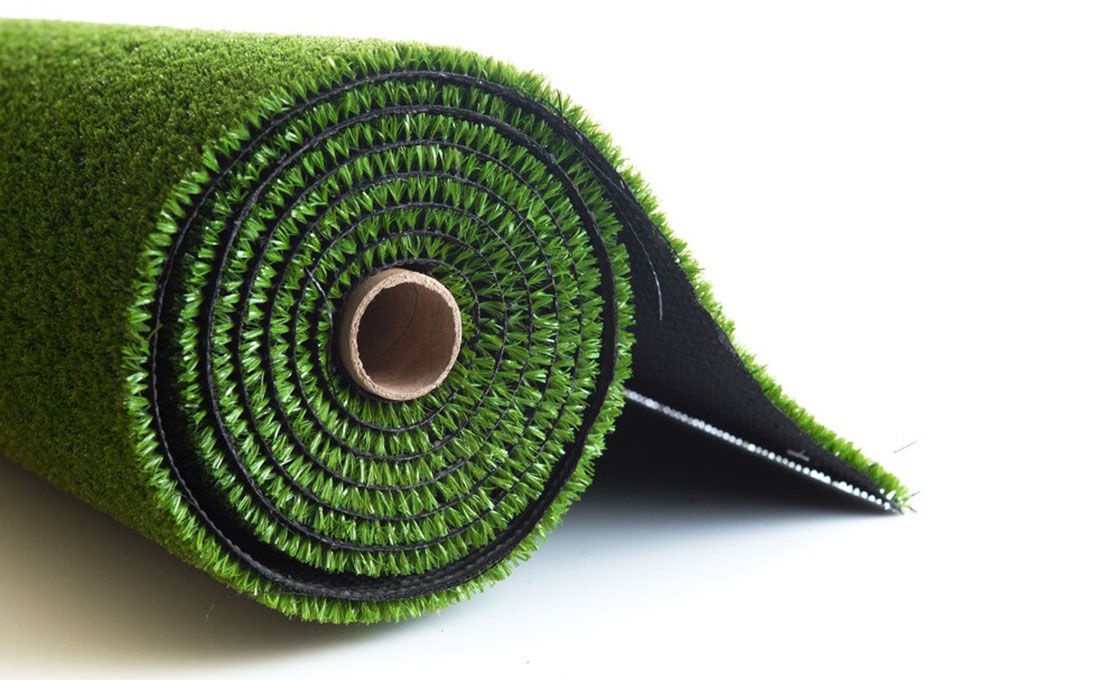
The regular side has no independent testing body behind it at all. Its quality range runs from genuinely good products down to material that would not pass a single FIFA test. The good end is real: some quality manufacturers never enter the programme because their primary market is indoor facilities, cricket or hockey surfaces, where match certification is irrelevant. The bad end is real too. Both extremes arrive as the same green roll, in standard widths of 2, 4 or 5 metres by 25 metres, indistinguishable on the pallet.
Then comes the language trap. ‘FIFA standard’ and ‘FIFA specification’ are not protected terms, so a manufacturer can print either on a quote without legal restriction. ‘FIFA-equivalent’ has no legal or technical definition either. None of these phrases tells you whether the product was ever tested, or by whom, or against which thresholds. The register, not the wording, is the only check that means anything.
A brochure line is marketing language, not proof. Per one contractor guide, only around 15 turf products sold in India actually hold the certification, and the document that matters is a letter naming the specific product and batch. When we quote roll specs for clubs and contractors, we ask what the ground must host before anyone talks about tiers. You can review the turf roll specifications for pitch projects the same way, one line at a time.
What the Certified System Actually Requires
Here the FIFA certified turf vs soccer turf gap is at its widest. Certification is not a stamp applied to a roll at the factory gate. It is a testing obligation that follows the product into the ground: laboratory tests on the carpet and infill, then field tests on the installed pitch. The register lists installed systems, which is why the roll in the container is only part of what gets tested. A system only earns its tier after both rounds clear the published thresholds.
Three Tiers, Three Different Jobs
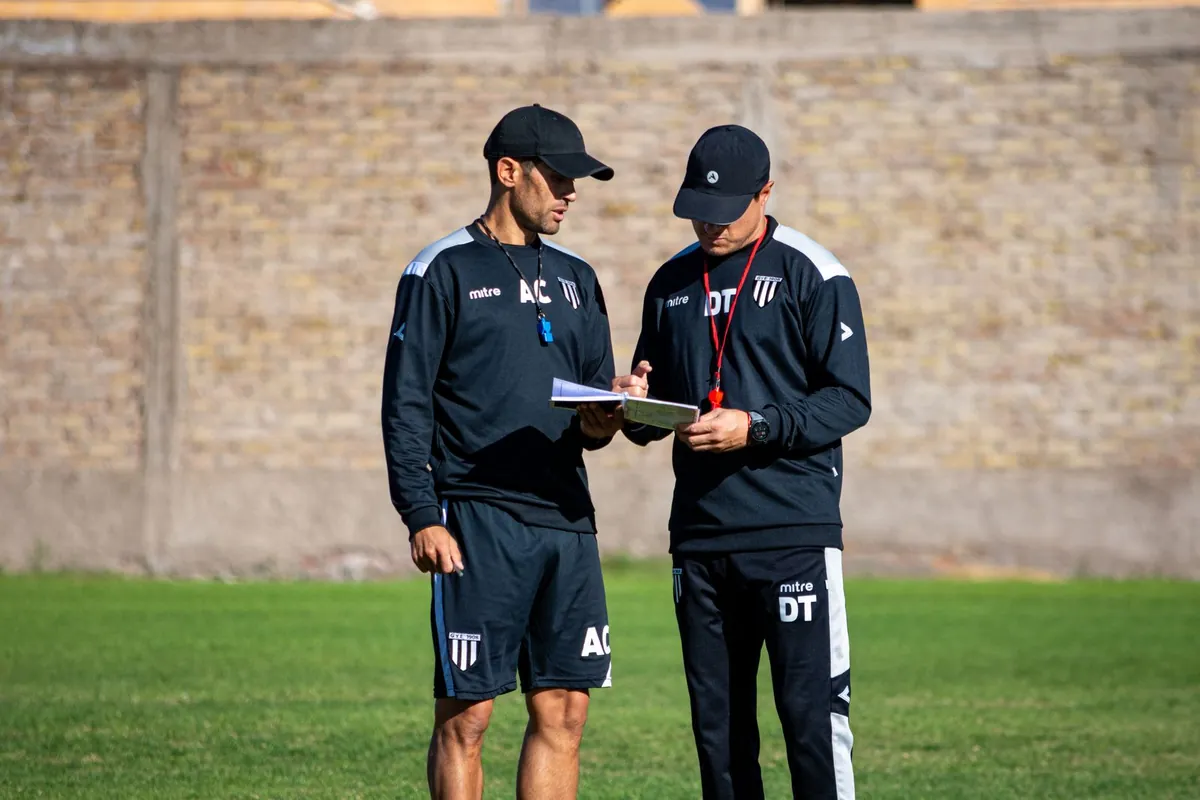
Since June 2021 the programme has run three tiers. FIFA Basic is the entry designation and does not require quality testing before installation, which makes it a recognisable standard for lower-budget projects rather than a tested one. FIFA Quality demands full laboratory and field testing, supports up to 40 hours of weekly play, and stays valid for three years before re-testing. FIFA Quality Pro carries stricter thresholds for professional intensity, capped at 20 hours of weekly use. Professional matches and most top-tier international competition require it, and its status holds for one year.
The tested tiers are also a moving target. Per one guide covering the programme, the 2024 edition of the test manual doubled wear simulation for Quality Pro to 6,000 Lisport passes. A tier is therefore not a one-time exam. It is a rolling obligation that gets harder to keep as the thresholds tighten.
- System-level certification means the infill type and depth are part of the tested specification, so substituting either voids the tested performance basis.
- There is no partial pass: per one retailer’s summary of the programme, a product that clears 20 of 22 performance parameters still fails certification entirely.
- The register is public and updated regularly, showing the certification tier and current status; if a product described as certified does not appear on it, it is not certified.
Watch the tier match. Paying Pro money for a recreational ground wastes budget. Building to Basic with federation fixtures planned surfaces as a compliance failure later, so match the tier to the fixtures the ground will actually host, not to the brochure. The tier decision is cheaper to make before the base goes in than after.