
The putt starts dead on line, rolls halfway to the cup, and dies in the fibres. That is the moment most golfers discover the difference between lawn turf and a putting surface: the grass was never the problem, the specification was.
A practical golfer’s guide to artificial turf is really a guide to parameters: pile height, yarn shape, sand infill, base flatness and how the yard is zoned. We build artificial grass rolls on our own line, and the disappointing greens are almost always the ones bought as a single product for a single job. Split the surface into zones, set each zone’s numbers, and the same roll that failed becomes a green that trains the whole short game.
What Green Speed Really Means on Turf
Green speed is the number golfers argue about, and on an artificial turf installation it is a system outcome rather than a product feature. The Stimpmeter is the reference tool: a small ramp that releases a ball at a fixed height and measures how far it rolls. The roll distance, quoted in feet, is the speed every green gets compared against.
Most artificial putting greens run somewhere between 7 and 13 on that scale. Residential practice greens typically aim for 8 to 10, which feels like a well-kept club green, while confident players tune toward 10 to 12 for tournament-style pace. A common backyard sweet spot sits at 9 to 11: fast enough to expose a sloppy stroke, forgiving enough for daily use.
The scale rewards honesty about your own game. A green tuned to tournament pace exposes every twitch in the stroke, while a mid-range surface builds touch you can carry to the course. Casual players sit happier at the lower end of the band, and low-handicap golfers usually want the top of it.
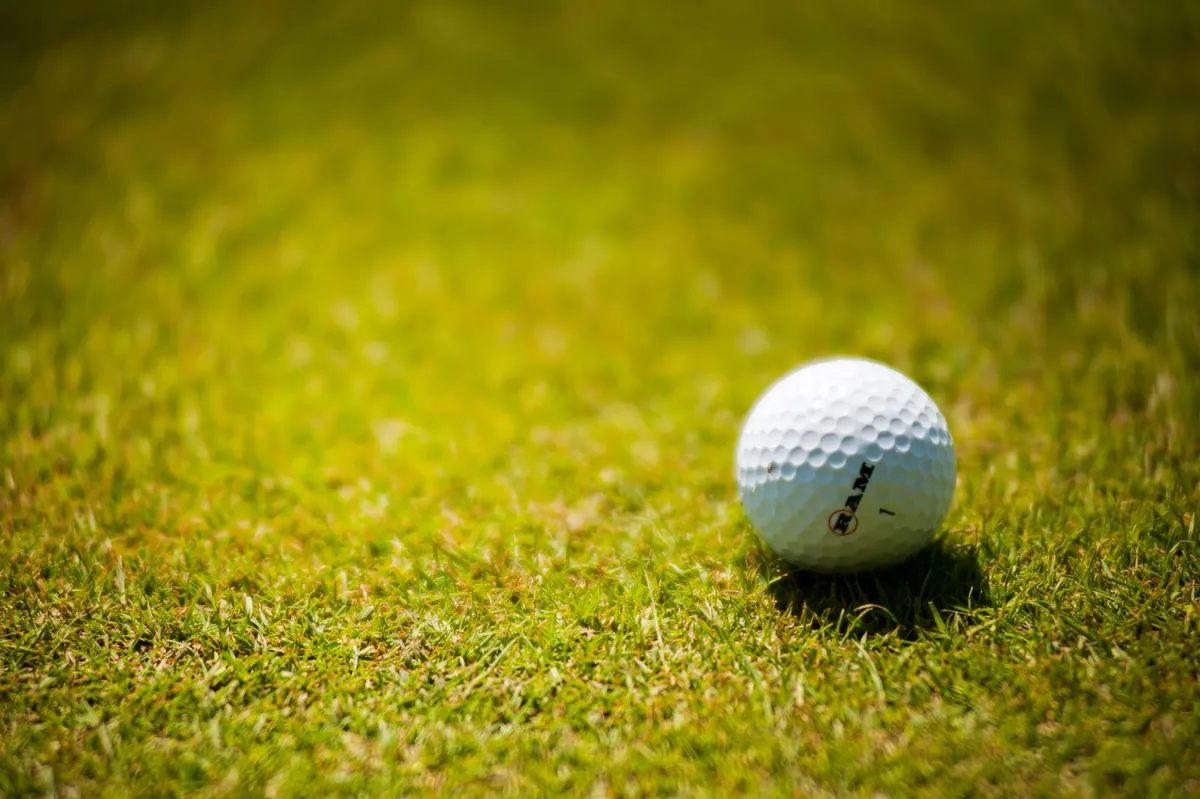
Speed is where any golfer’s guide to artificial turf should start, because every later choice moves it. Pile height, infill quantity and brushing patterns all sit on the levers, so two greens built from the same roll can measure two paces apart. Our line covers a range of putting green turf, and the target speed gets written into the specification before anything else.
Measuring keeps the argument honest. Roll three balls in one direction and average the distance, then roll three back the other way and average again. The mean of both directions is the green speed, and it is the only figure worth comparing between surfaces.
| Player type or use | Typical Stimp target | What it feels like |
|---|---|---|
| Casual and family play | 6 to 8 | Forgiving; mis-hits still reach the hole |
| Residential practice | 8 to 10 | Like a well-kept club green |
| Backyard sweet spot | 9 to 11 | Firm but fair for daily sessions |
| Confident golfer | 10 to 12 | Tournament-style pace |
| Typical artificial range | 7 to 13 | Where most synthetic greens land |
Pile Height and Yarn Shape Set the Roll
Pile height is the first number to fix. Putting surfaces run a short, dense 10 to 15 mm pile, which keeps fibres from grabbing the ball while leaving enough body for a natural feel. Workable products cluster around face weights of 40 to 60 ounces per square yard: enough fibre per area for the ball to ride on tips instead of sinking between them.
Yarn shape does the quieter work. Texturized, curled fibres stand upright and present a consistent face to the ball, while straight, soft blades lean and recover unevenly. Nylon holds its upright position best under daily traffic. Polyethylene gives a softer feel that still rolls true when densely tufted. Polypropylene is the entry-level option, and it flattens fastest under repeated putts.
Heat and sun sort the fibres further. Nylon is the most heat-resistant of the three, with a melting point around 460 degrees Fahrenheit, and ultraviolet stabilization matters for any pile that lives outdoors through summer. Cheaper, unstabilized yarn fades and loses resilience faster under strong sun.
The honest version of a golfer’s guide to artificial turf names fibres by zone, not by budget. A dedicated putting surface earns nylon or a dense nylon blend. Fringe and chipping zones suit polyethylene with a textured thatch layer, because landings there need cushion more than pace.
| Yarn | Roll character | Durability under daily practice | Best fit |
|---|---|---|---|
| Nylon | Firm, fast, fibres stay upright | Highest; strong heat resistance | Dedicated putting surfaces |
| Polyethylene | Softer feel, true roll when dense | High | Fringe and chipping zones |
| Polypropylene | Soft, entry-level pile | Prone to flattening under traffic | Light recreational use |
When you read a spec sheet, check the pairing rather than a single number. Short pile only helps when stitch density is high, and a slightly taller pile can still roll dependably once infill and grooming are right. The roll you feel comes from the pairing of pile, density and yarn, never from one line on the page.
Why Infill Sets Firmness and Ball Speed
Every golfer’s guide to artificial turf promises true roll, and infill is where that promise is kept or lost. If the fibre is the engine, sand is the transmission. Rounded, washed silica sand fills the space between fibres and decides how much of each blade the ball actually touches.
Quantity follows the zone. A putting surface starts around 1.0 to 1.5 lb of sand per square foot and tunes up to about 2.5 lb. Fringe and chipping zones typically carry 2.0 to 4.0 lb, which keeps them stable under landing shots.
Grain size is a specification too. Foundation lifts use coarser 16/30 or 20/40 grades, with a finer 30/50 sand brushed in as the finishing layer. Angular masonry sand and rubber crumb belong nowhere near a putting surface: sharp grains lock and grab, and rubber robs the pace.
Distribution matters as much as weight. Hand-spread sand settles in drifts, and drifts are why a green that putts one speed on Monday putts another by Friday. Mechanical spreading and power brooming work the sand in evenly, and brushing sets the final pace. A pass against the nap slows the surface slightly, while a pass with it adds pace.
Because pace lives in these numbers, we treat pile height, density and colour as custom specifications agreed before production, so the finished roll matches the sand plan written for it.
Split One Yard Into Practice Zones
The single biggest step up from a generic lawn is zoning. Instead of buying one turf for the whole job, the surface is split into four working zones: a putting surface, a fringe collar, a chipping strip and a strike station. Each carries its own pile, sand and wear plan, and the zones share nothing but the base. Zoning is the design choice that shapes how an artificial turf installation actually plays.
The fringe is the pivot. It runs a taller 1.25 to 1.75 inch pile, which is 32 to 45 mm, with about 1.5 inches the common sweet spot. After infill and grooming it sits roughly 0.5 to 1.0 inch above the green. That step is what makes a chip land, check and release instead of bouncing past the cup.
Size the zones to the yard. A small-space green wants at least 10 by 15 feet of putting surface, wrapped in an 18 to 24 inch fringe border that catches mis-struck chips. Larger spaces can run 3 to 6 feet of fringe, and a chipping strip that accepts shots from 10 to 25 yards turns the whole corner into a practice station.
Contour is the last zone decision, and it belongs to the base rather than the turf. Gentle shaping in the finish layer creates real breaks that make practice honest, while a surface that doubles as a chipping target needs flatter landings than a pure putting green. Keep the undulations subtle, and the putts you practise at home still transfer to the course.
This zoning step is where a golfer’s guide to artificial turf earns its keep, because the same square metres deliver four kinds of practice. Plan it on paper first, with backyard putting green layouts as the reference, and let the zone map drive the roll order rather than the other way round.
| Zone | Pile height | Sand dressing | What it trains |
|---|---|---|---|
| Putting surface | 10 to 15 mm | Rounded silica, 1.0 to 2.5 lb per sq ft | Pace control and straight putting |
| Fringe collar | 32 to 45 mm (1.25 to 1.75 in) | Rounded silica, 2.0 to 4.0 lb per sq ft | Chips, bump-and-run, landing control |
| Chipping strip | Same fringe turf, wider band | 2.0 to 4.0 lb per sq ft | Wedge shots from 10 to 25 yards |
| Strike station | Firm-wearing cut section | Light dressing | Repetition from one stable lie |
The strike station is the humble zone that saves the green. A firm-wearing cut section placed where wedges strike daily takes the abuse the putting surface never should. It also keeps the routine honest: same lie, same spot, same feedback, session after session.
Base Flatness and Drainage Beneath the Green
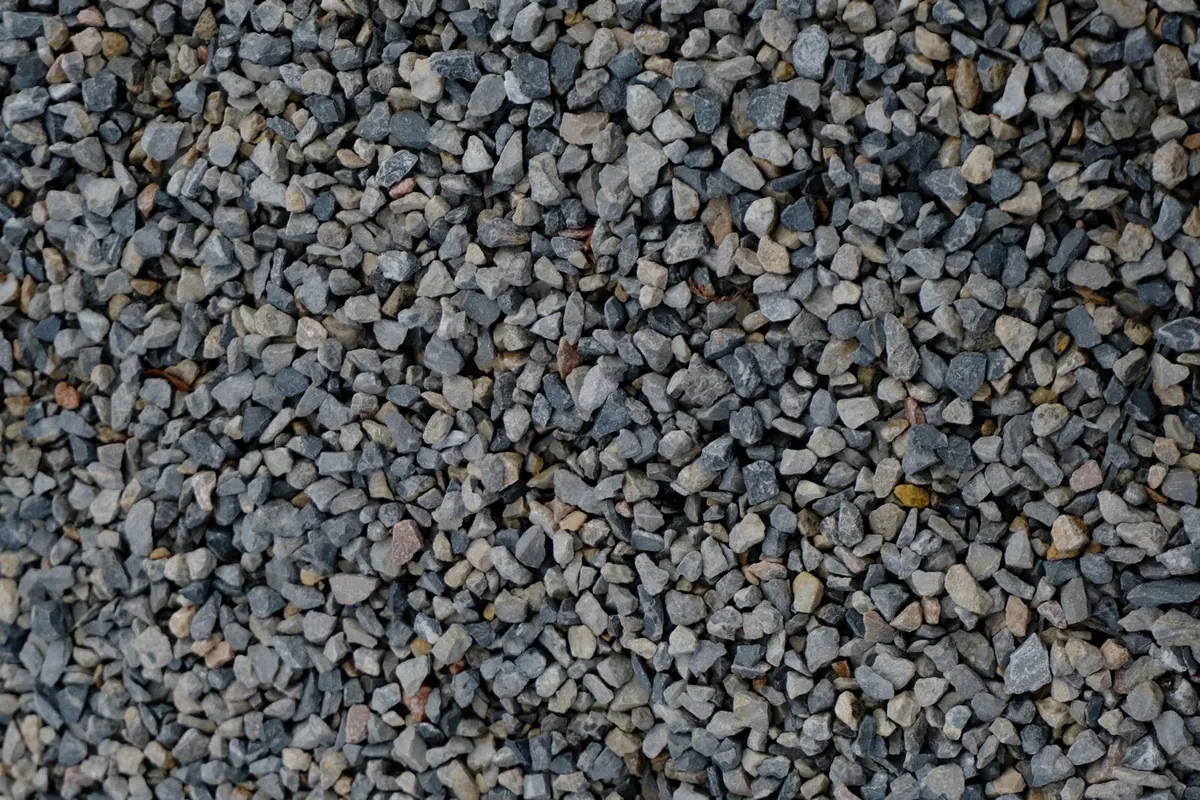
Every roll quality you can see rests on a base you cannot. The standard build is 3 to 4 inches of compacted, free-draining crushed stone or decomposed granite. It is graded to a smooth finish and carries a 1 to 2 percent fall so water leaves the surface instead of pooling on it. The base is the part of an artificial turf installation no putting stroke ever reveals.
Compaction is measured, not guessed: crushed fines are taken to about 95 percent before the turf goes down. A finish layer is then screeded tight, because ripples, dips and high spots under the carpet become permanent deflections in every putt.
Where the native soil is mixed or weak, a geotextile separation layer keeps fine particles from migrating up into the stone. It is a small line on the plan and a large reason some greens still roll flat years later while their neighbours ripple.
Drainage and flatness pull in the same direction. Water that ponds softens the base, soft spots settle, and a green that rolled true in spring starts throwing putts off line by autumn. One rule protects the roll: keep cushioning pads out from under the putting surface itself, because soft underlay robs pace and trueness.
Cups, Seams and Roll Widths Done Right
Cups are small details with outsized effect. Regulation openings measure 4.25 inches and should sit flush with the finished surface, so no lip catches a dying putt. Give each cup at least three feet of clearance from other cups and from the edge of the green.
Cup count follows the practice plan. Three to four locations spread across short, mid-range and long putts keep sessions productive. Moving the flag between them spreads the wear instead of polishing one path into the surface.
Seams belong off the main putt lines. A seam finished cleanly, brushed and dressed with sand disappears to the ball, but a ridge across the nine-footer will decide more putts than your stroke does. Run seams parallel to the dominant putt direction and treat them as acceptance points at handover, not details to fix later. A clean seam is what lets an artificial turf installation putt as one continuous surface.
Roll width is the quiet lever in any golfer’s guide to artificial turf, because it decides how many seams exist at all. Standard rolls come 2, 4 and 5 metres wide at 25 metres long. Tight, awkward shapes waste less material on 2 metre rolls, and 4 metres is the safest default while the layout is still moving. On big greens, 5 metre rolls cover the surface with almost no seaming. Review the standard roll formats and widths before the layout is frozen.
Read a Turf Sample Like a Spec Sheet
Specs on paper settle arguments; samples settle purchases. Free samples run 20 by 20 cm, usually three to four pieces, and reach most addresses by courier in 4 to 6 days. Order squares of both the putting surface and the fringe pile under consideration, not one or the other.
Test like an installer, not a shopper. Lay the square on a dead-flat table, roll a ball across it, and watch for wobble or grab. Push a finger through the pile to feel the density, check that the curl springs back, and compare the two piles side by side under the same light.
Read the backing on the sample as well. A stable PP+Net or PU backing keeps the carpet from stretching or rippling, which on a full green is what stops seams opening through a season. Bend the square, look at the stitch rows, and you have checked most of what a spec sheet promises.
A golfer’s guide to artificial turf that ends at the shopping cart has skipped the cheapest verification step in the process. The sample either matches the numbers you specified or it does not, and a free sample square costs nothing but freight.
Match the Spec to the Practice Plan
Each parameter above now becomes a line on a plan: target speed, putting pile and yarn, fringe height and step, sand weights per zone. Base depth and fall, cup count and roll widths complete the sheet. A green specified this way is ordered as a set of decisions rather than a photograph.
We build rolls against written specifications, and the practice plan is what makes those numbers meaningful. Buyers who arrive with a zone map and a target speed get a surface that plays the way they practised on day one.
Tired of Putts That Die Halfway to the Cup?
Long-pile lawn turf drags every putt and kills pace. We build putting rolls to your pile, density and colour spec. Factory-direct pricing, typically 30–50% below market on like-for-like specifications.
Maintenance That Keeps the Speed True
Artificial greens are low-maintenance, not no-maintenance. Pace drifts as sand migrates and fibres lean, so the routine stays simple. Brush to stand the fibres, top up sand in small even lifts, and keep the surface clear of leaves and grit. Upkeep is the longest-running phase of any artificial turf installation.
Weekly Brushing Sets the Nap Direction
Brushing direction is a speed control. A pass against the nap slightly slows the surface, while a pass with it adds pace. Between sessions a leaf blower keeps debris out of the sand.
Monthly Redistribution at the High-Traffic Spots
The cup circles and the landing zone for chips lose sand fastest, so monthly redistribution there prevents the pace map from drifting. A light roll after heavy play restores smoothness without crushing fibre.
Quarterly Top-Ups in Thin Even Lifts
A quarterly top-up, applied in thin even lifts rather than one heavy pass, restores the level without burying the fibre.
Treat the upkeep rhythm as part of the golfer’s guide to artificial turf rather than an afterthought. Weekly brushing, monthly redistribution and quarterly top-ups keep a 9 to 11 green playing like a 9 to 11 green for years.
Four Mistakes That Ruin Home Greens
The same failures repeat on backyard greens, and all four are specification errors rather than installation mysteries. Each one is cheaper to prevent on paper than to undo in an artificial turf installation.
Buying Landscape Turf as a Putting Surface
Landscape rolls are built for looks and foot traffic rather than roll. Long, soft pile drags putts, so the ball never arrives with the pace you practised. Residential artificial grass suits the surrounding lawn, not the putting surface.
Running One Turf Across Every Zone
One roll cannot serve a putting surface, a fringe collar and a chipping strip. Without a taller fringe and a defined chipping area, only the putter ever gets trained, and the short game stays where it was.
Spreading Sand by Hand in a Single Pass
Hand-spreading leaves sand in drifts, and drifts read as speed changes. Mechanical spreading and power brooming work it in evenly, which is what holds one pace across the surface.
Skipping Base Compaction or Leaving Low Spots
Compaction is measured, not guessed, and low spots are where water collects first. Birdbaths soften the base, the base settles, and putts start breaking on their own. Reworking an artificial turf installation costs far more than getting the base right the first time.
Read the list twice before ordering, because each mistake is free to avoid on paper and expensive to fix in the ground. That is the working golfer’s guide to artificial turf in one line: zones first, numbers second, turf third.
Frequently Asked Questions
What pile height is best for a home putting green?
A dedicated putting surface runs a short, dense pile of 10 to 15 mm. Fringe around it runs taller at 32 to 45 mm, so chips land, check and release.
How fast can an artificial putting green run?
Most artificial greens measure between 7 and 13 on the Stimpmeter. Residential practice targets usually sit at 8 to 10, while confident players tune toward 10 to 12.
Does infill change ball speed on a putting green?
Yes, it is the main speed lever. More sand lets the ball ride the fibre tips and roll further, until the sand sits level and the pace holds steady.
How is green speed measured on artificial turf?
With a Stimpmeter: roll three balls one way, average the distance, roll three back the other way, then average both directions. Repeat after any adjustment.
How long does a putting green surface last?
Commercial-grade artificial turf holds a service life of up to 10 to 15 years. Daily hours, sand upkeep and base quality decide where a green lands in that band.
How do I check putting turf before a bulk order?
Request free 20 by 20 cm samples, usually three to four pieces. They arrive by courier in 4 to 6 days, and a ball rolled across a flat sample reveals the true roll.
 English
  Arabic
  French
  German
  Portuguese
  Russian
  Spanish