
Thirty or forty — which one goes on the order? The question came in on a morning phone call from a landscaping contractor with two supplier quotes open on his desk. Same colour, same backing, same price band. The only line that differed was pile height: 30mm on one sheet, 40mm on the other.
If you are weighing 30mm vs 40mm artificial turf, the decision rests on traffic, upkeep and the role the lawn plays in the design. The ten extra millimetres alone decide nothing. Here we show where each height wins, where it disappoints, and what to check on the spec sheet besides the height figure. Fibre family, face weight and backing are a separate decision, handled in depth in our guide to choosing artificial turf. We will also name the jobs where neither height is the right answer.
What Pile Height Means on a Spec Sheet
On a technical data sheet, pile height is the length of the grass fibre measured from the backing to the fibre tip. It is the number buyers quote first, the one most often read out of context, and the one that changes how an artificial turf installation looks, wears and prices. Industry usage bands give you the frame.
Roughly 10-25mm suits heavy-traffic patios, parks and walkways. The 25-40mm band covers medium-duty family gardens and play areas. Above 40mm is the soft, low-traffic decorative zone. Both heights in this comparison sit in the residential sweet spot, which is exactly why the choice is subtle.
Reading height alone is like judging a mattress by its thickness. The density packed underneath decides whether that thickness actually feels good. Artificial turf works the same way: stitch density, fibre shape and backing decide what the millimetres deliver on site. That is why a 40mm sheet with a thin stitch rate can look flatter after one season than a dense 30mm roll. Gauge, the distance between stitch rows, and face weight complete the picture, and two 40mm products can share a height figure yet behave nothing alike.
Where a 30mm Pile Is the Right Call
Within the 30mm vs 40mm artificial turf debate, the shorter height is the workhorse of a busy artificial turf installation. For family gardens, dogs and everyday foot traffic, UK installer As Good As Grass calls 30mm the sweet spot between softness and durability. One manufacturer’s guide goes further and states, verbatim, that 30mm turf is the most popular choice for professional landscaping projects. Our own quote sheets tell the same story: when a trade buyer has no stated preference, our default advice is to start at 30mm. Rental portfolios and commercial grounds follow the same logic, because the surface must survive unknown tenants and untended weeks.
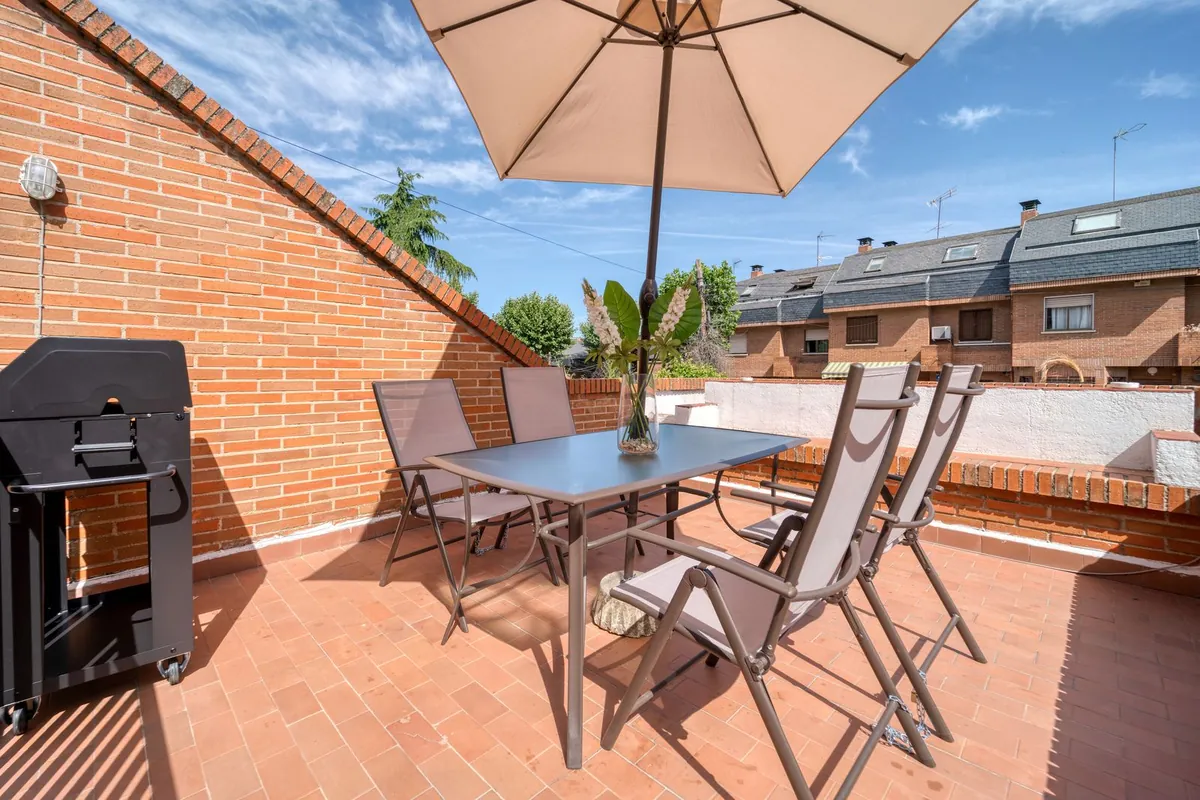
The practical reasons stack up quickly. Chair legs and table feet leave shallower marks in a 30mm pile than in a longer one, which matters on lawns that carry furniture. Shorter fibre is also easier to sweep, so dog owners and grounds crews spend less time on upkeep. On balconies, rooftops and courtyards, a compact profile keeps the surface looking tidy in small, highly visible spaces.
A facilities manager we advised on a rooftop terrace picked 30mm for one simple reason. The furniture comes out every summer, and she wanted a surface that springs back when the chairs go back on. Three seasons later, the lawn still reads freshly mown. That is the profile a used, working space needs.
Where a 40mm Pile Earns Its Premium
Forty millimetres buys presence for an artificial turf installation. The longer fibre gives a fuller, more lush profile, and on generous lawns it adds a sense of depth that a compact pile cannot match. Designers reach for it when the grass itself is meant to be a feature of the landscape rather than a neutral surface. That richer look is built, not free: more yarn goes into every square metre of a 40mm roll.
Underfoot, 40mm is the softer of the two, and on show homes and premium front lawns that barefoot comfort is part of the selling point. The honest trade-off: longer fibres need more frequent brushing to stay upright, and they need a genuinely high stitch density underneath. Skip either condition and the luxury look collapses into a tired, matted surface.
A developer building show homes ordered 40mm for his front lawns after comparing both samples under site lighting. His reasoning was purely commercial: the lawn is photographed for every listing, and the taller pile photographs richer. The back garden, where the family actually plays, was specced in 30mm.
30mm vs 40mm Artificial Turf Compared
The table below condenses the choice to the lines that actually change between the two heights. One cost note before it: groundwork and base preparation stay identical whatever height you order, so installed labour is not the deciding factor. What moves is the supply price, and that tracks the yarn consumed.
| Line by line | 30mm | 40mm |
|---|---|---|
| Visual profile | Neat, compact, freshly mown | Fuller, lush, adds depth |
| Best fit | Family gardens, balconies, rooftops, courtyards, rentals, commercial grounds | Show homes, premium front lawns, feature lawns, larger leisure areas |
| Foot traffic | Handles everyday and heavy use; high-traffic guidance centres on 30-35mm | Best in light-traffic zones; mats under daily hammering |
| Upkeep | Easier sweeping, less debris catch, pet-friendly cleaning | Needs regular brushing and high density to stay upright |
| Underfoot | Firm, orderly | Softest of the two, cushioned |
| Furniture contact | Shallow indent marks | Deeper marks possible |
| Cost position | Sits lower in the range; volume-friendly | Sits higher; consumes more yarn |
Read the table by row, not by column. A project rarely needs every 30mm advantage or every 40mm one; most jobs need three or four rows to line up in the same column. If your rows split evenly across the two heights, that is the signal to zone the site rather than compromise on one specification.
Density Decides Whether the Height Looks Good
Height without density is the most common spec mistake we see in inbound enquiries for an artificial turf installation. A tall pile with a thin stitch rate looks lush in a photograph and thin on the ground, because nothing holds the fibre upright. Before you compare any two heights, ask the supplier for three numbers: stitch rate, gauge and face weight.
Pile height and stitch density are separate specifications, and a taller product does not automatically carry more stitches per square metre. Fibre shape does quiet work here too. Many products in the 30-40mm band use C or S shaped yarn, which resists flattening under repeated foot traffic far better than a flat blade of the same height.
You can test any sample in thirty seconds. Brush the fibres against the grain, press hard with your palm, and watch how fast the blade recovers. If it stays flat, no millimetre count will save that product on a used lawn.
Feel Both Heights Before You Commit
Order a standard 20cm x 20cm swatch of each height and run the same press-and-recover test on your desk. The samples are free; you cover the courier, and DHL or FedEx delivers in four to six days.
Cost, Rolls and Sampling Notes
In the 30mm vs 40mm artificial turf comparison, price moves with far more than the ten-millimetre difference. Across our range, expect $7-60 per square meter factory-direct and indicative, with padding, grade and yarn type doing most of the work in that spread. Between two comparable builds, the 40mm version sits higher in the range because it consumes more yarn, while installation groundwork stays essentially unchanged.
Roll logistics do not change with height either. Widths on our shelf run 2m, 4m and 5m in 25m lengths, plus custom cuts that lay without seams on unusual layouts. The 4m roll is the safest choice when the final dimensions are not settled, while the 2m roll suits small areas. The 5m roll suits large spaces that need almost no joins. You can see the build details in our artificial grass roll range.
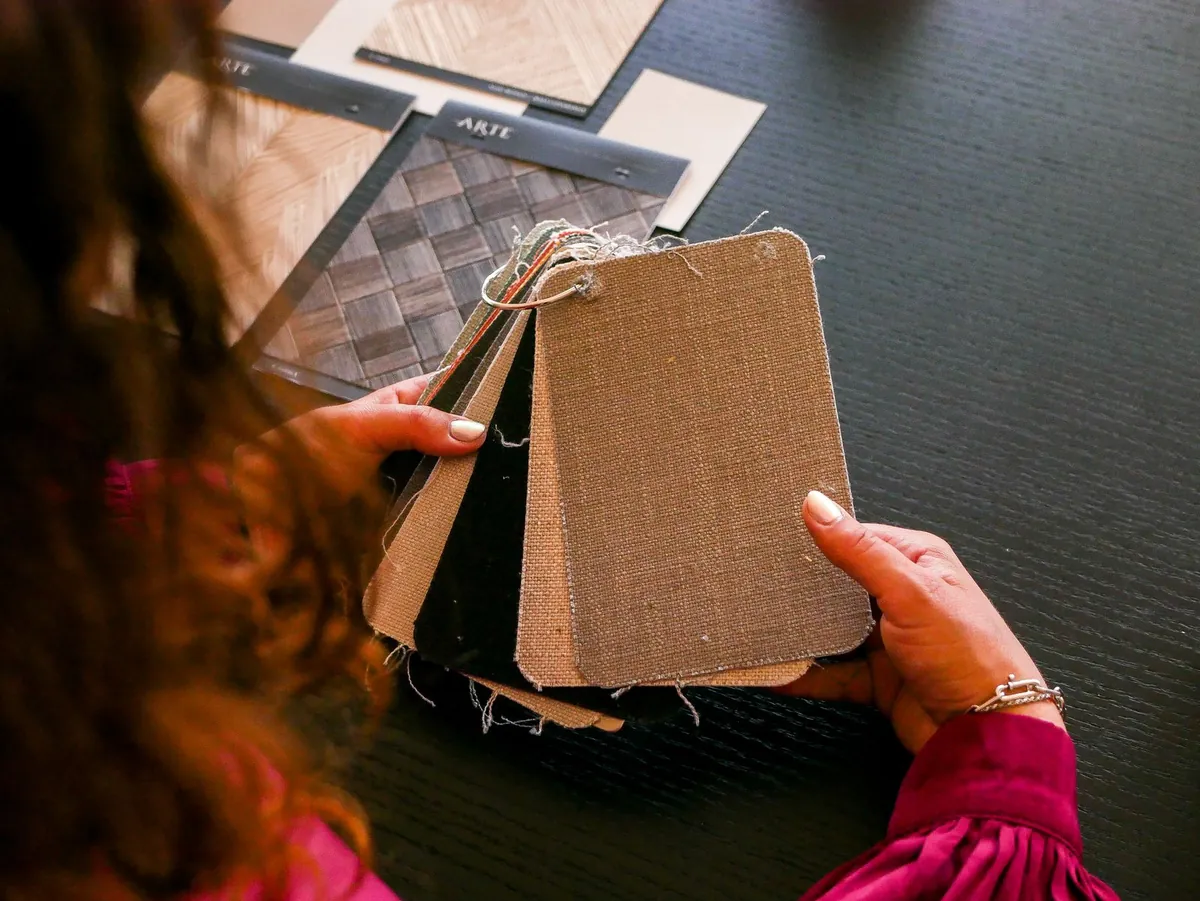
Whatever volume you are pricing, sample both heights on site before committing. A 30mm and a 40mm swatch side by side, in your own light and under your own foot traffic, settles the argument faster than any spec sheet. Remote regions receive the same samples in seven to nine days. Custom sample sizes are available when the standard swatch is too small for your test.
How We Advise Buyers to Decide
Here is how we frame the 30mm vs 40mm artificial turf question for every trade buyer, stated as our opinion rather than a law of the industry. Specify 30mm when the artificial turf installation will be walked on, swept and used daily. Specify 40mm when the lawn is a visual feature with light traffic and a budget for occasional brushing.
When one project contains both kinds of zones, split the order instead of forcing one height to do two jobs. For most B2B landscape programmes that makes 30mm the volume product and 40mm the deliberate upgrade on feature areas. The ten millimetres never decide a project on their own. Traffic, upkeep and the client’s eye do. The supplier who walks you through those three is worth more than the one who leads with the tallest number.
Frequently Asked Questions
Is 40mm artificial turf better than 30mm?
Neither height is universally better. 40mm gives a fuller, softer look but needs more brushing and density. 30mm handles traffic and upkeep better. Match the height to traffic, maintenance budget and design role.
Does a higher pile height mean denser turf?
No. Pile height and stitch density are separate specifications. A taller product does not automatically carry more stitches, so always compare stitch rate, gauge and face weight alongside the height figure.
Which height is easier to keep clean?
The 30mm pile. Shorter fibre collects less dust and debris, sweeps faster and suits pet areas, while a 40mm lawn needs more frequent brushing to keep its shape and shine.
Can 40mm turf take children’s play traffic?
Yes, if the density is high enough. Many schools and playgrounds still spec 30-35mm, because shorter piles recover faster and are easier to groom under heavy, daily use.
How much does the height change the price?
Height alone is a small cost driver. The indicative factory-direct band sits at $7-60 per square meter, where padding, grade and yarn type move the number far more than ten millimetres of pile.
 English
  Arabic
  French
  German
  Portuguese
  Russian
  Spanish