
Five factory bids arrive on a buyer’s desk, and the numbers rarely line up. Suppliers quote different square metres, base depths and infill rates by habit. The lowest sticker price often wins for the wrong reason. Our procurement bench stops counting dollars until every bid sits on one shared spec sheet.
The framework below walks through how to compare competing artificial grass estimates the way a bench would. We build the normalization sheet, the backing-to-base map, the roll-width waste math, the exclusions sweep, the batch check, the lifecycle lens and the supplier questionnaire that closes the comparison.
Why Competing Turf Estimates Rarely Line Up
Bids look different on purpose, not by accident. One supplier quotes only the visible turf and skips the base. Another rolls removal, drainage and edging into one line while a third lists them as add-ons. A fourth measures the area in net square metres and a fifth in gross. The same lawn weighs two totals on paper.
A quote that sits well under the other bids almost always hides something. It may carry a thinner base, a lower face weight, an omitted drainage layer or a smaller area measurement. When that job fails three to five years later, the seam splitting and standing water become the buyer’s problem, not the supplier’s.
So the first decision is not which number is lowest. The first decision is which numbers can be compared at all. We strip every bid back to its raw inputs and mark anything that cannot be answered with one value in red.

Picture the scene we see most weeks. A contractor receives a project around 1500 square metres. Bid X lands at the lower number, Bid Y lands three units higher. The gap looks decisive.
Once we audit the area maths, Bid Y excluded a sub-zone from its measurement. The corrected Bid Y price lands above Bid X once the missing metres are added back. The cheapest bid was never the cheapest bid.
Build One Spec Sheet for Every Bid
One master sheet beats five supplier PDFs every time. The sheet carries a fixed left column: zone, square metres, pile height, face weight, backing, roll width, infill rate, base depth, edge profile, MOQ, lead time and FOB terms. Each supplier row fills every column with one value or “not stated”.
Bids that come back with empty cells cannot be ranked against bids that did the homework. We mark those cells red, ask the supplier to fill them, and compare only the rows that read clean across all columns. A bid that refuses to disclose face weight is hiding its durability claim.
B2B procurement is a comparability game. Until every bid reads the same way on the same fields, price tells you nothing. The master sheet is how to compare competing artificial grass estimates when the bids hit the desk on different days.
| Field | Supplier A | Supplier B | Supplier C |
|---|---|---|---|
| Application zone | Landscape | Landscape | Landscape |
| Square metres | 1500 | 1450 | 1500 |
| Pile height (mm) | 30 | 35 | 30 |
| Face weight (GSM) | 2200 | not stated | 2400 |
| Backing | PP+Net | PP+Grid | PU optional |
| Roll width (m) | 4 | 2 | 5 |
| Infill rate (lbs/sq ft) | 3.0 | 2.0 | 3.5 |
| Base depth (inches) | 3 | 2 | 4 |
| FOB terms | FOB port | EXW | FOB port |
| Lead time (days) | 25 | 15 | 30 |
Once the sheet is filled, the comparison becomes a one-step exercise. Red flags jump out, not because anyone is dishonest, but because the supplier quoting “not stated” has put the buyer in the dark on purpose.
Normalizing Pile Height and Density
Pile height and face weight answer two different questions. Pile sets the look and cushion. Face weight and stitch density set the durability. A 35 mm landscape yarn with a low stitch count looks taller on day one but flattens within a season. A 25 mm high-density construction looks shorter on day one and still stands up five years later.
The right band depends on the zone. Landscape lawns run 20 to 40 mm at higher stitch counts. Sports fields run 10 to 25 mm at the heaviest face weights, often above 2000 GSM for commercial use. Pet turfs run 20 to 35 mm at elevated stitch counts for scratch and paw wear.
Picture the same-price scene we saw at a hotel bid last quarter. One bid came in at 25 mm at 2400 GSM. The other came in at 35 mm at 1600 GSM.
The first bid carried the same visual height underfoot and bounced back clean. The second bid needed grooming within a year. The choice between them is decided on the spec sheet, not on the unit price.
Compare Backing and Base Requirements
Backing and base work as a pair, and the bid that quietly swaps one will fail the field long before the warranty clock runs out. PP+Net is the standard landscape backing and pairs with a 3 to 4 inch compacted sub-base. PP+non-woven adds stability for medium-traffic projects. PP+Grid cloth handles sport-grade traffic. PU is the heavy-duty optional layer for high-impact or water-saturated sites.
Base depth is where B2B buyers lose the most money without noticing. A bid that calls for a 2 inch base will look like a bargain on paper and a maintenance headache on the ground. A 4 inch compacted base is the minimum for commercial landscape use, and the bid that does not say so is silently shaving the lifecycle budget.
| Backing | Min base depth | Best fit zone |
|---|---|---|
| PP+Net | 3 inches | Landscape |
| PP+non-woven | 3 inches | Light commercial |
| PP+Grid cloth | 4 inches | Sport and high traffic |
| PU optional | 4 inches | Pet, water-heavy sites |
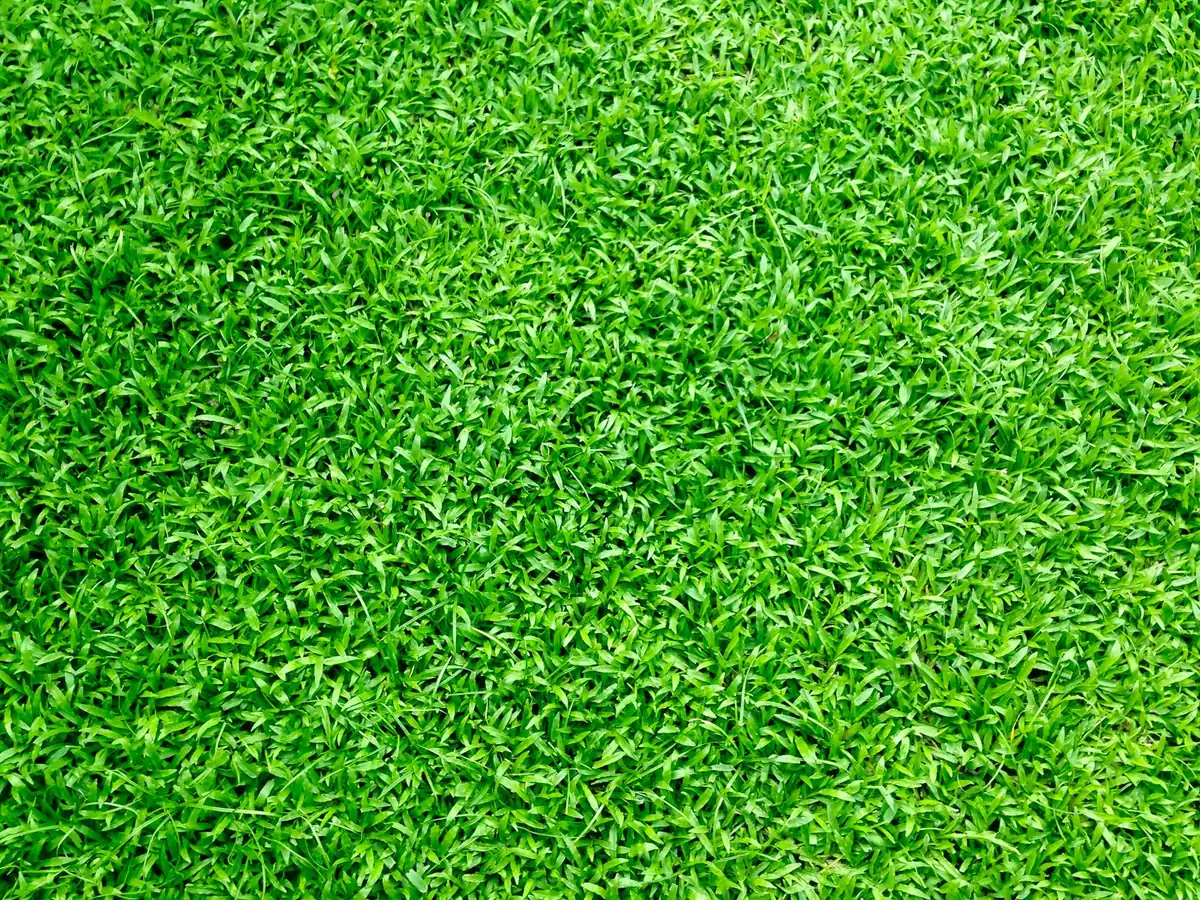
The B2B rule on backing is simple. Match the backing to the base and to the zone, and refuse any bid that builds a PU roof over a 2 inch sand bed. The unit price looks competitive only because the foundation has been removed from the equation.
Match Roll Width to Cut Waste
Roll width drives seam count, offcut waste and labour. Standard rolls ship in 2 m, 4 m and 5 m widths by 25 m long. Custom sizes can be made to order for projects large enough to justify the cutting list. A 5 m roll covers a wide landscape lawn with no internal seam. A 2 m roll fits tight yards but multiplies seam count everywhere it lands.
The first read on roll width is whether the supplier is offering the right size. A 2 m roll quoted for a 30 m wide field means 15 internal seams where one seam would do. A 5 m roll quoted for a 3 m wide strip means a 40 percent offcut.
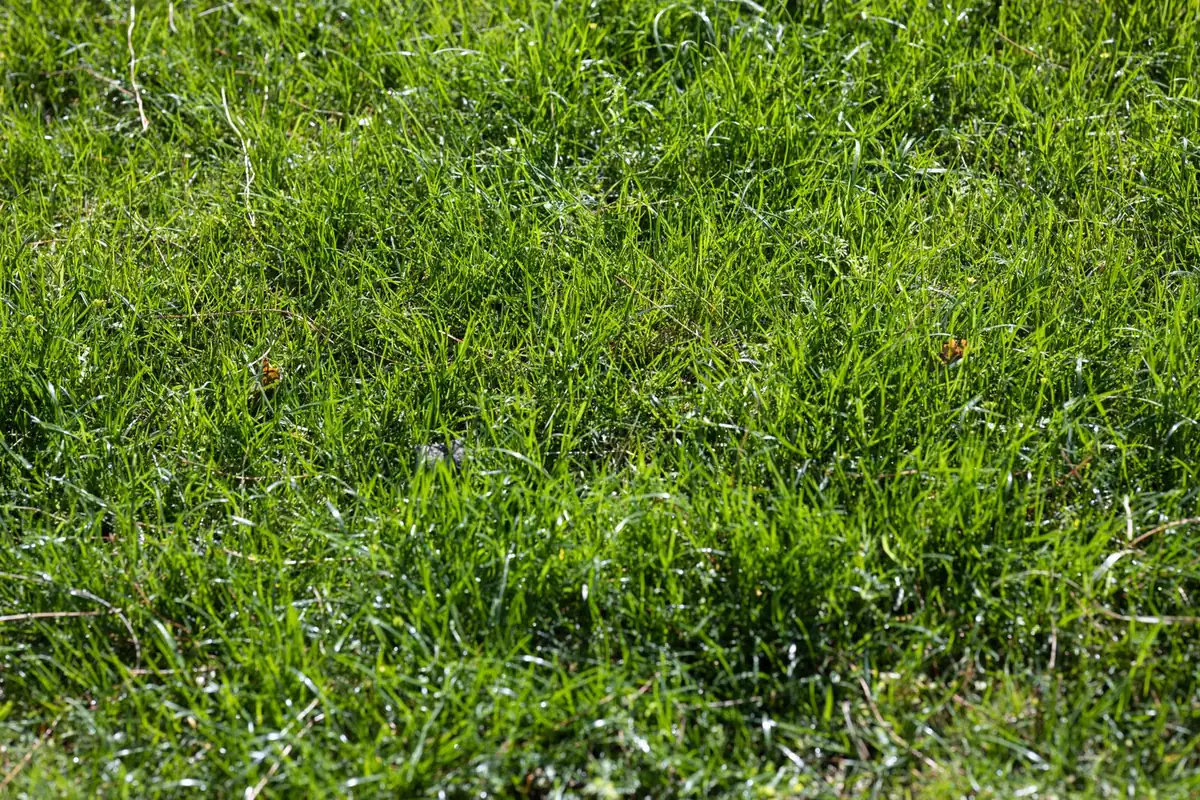
Picture a 2000 square metre build. With 2 m rolls the layout carries around 30 internal seams and roughly 8 percent offcut. With 5 m rolls the layout runs to 8 seams and under 3 percent offcut. Roll width is where most teams quietly lose the comparison, so always pin the cutting list before you sit down and how to compare competing artificial grass estimates on price.
Read the Cost Breakdown Line by Line
A bid number is the end of a chain of decisions, not the start of one. Material cost, backing, infill, cushion pad, base work, edge profile, seaming labour and haul-away each carry their own number. A bid that totals a clean unit price without showing the lines has chosen those lines for you already.
The material itself sits in a wide indicative band of $7–60 per square metre. The rest of the line items either justify why the bid is high or expose why the bid is low. This is where you compare competing artificial grass estimates like a bookkeeper, not like a buyer chasing a single number.
| Line item | What it covers |
|---|---|
| Turf material | Rolls at spec, main share of unit price |
| Backing and infill | Drives durability and standing-water behaviour |
| Cushion pad | Restores bounce on hard sub-bases |
| Base work | Often the hidden cost line |
| Seam labour | Tied to roll width choice |
| Edge profile | Skipped quietly on cut-price bids |
| Removal and haul-away | Frequently billed as an extra |
Once the lines are clean, the lowest total still wins if it lines up. Most often, the bid that looks cheap on top is the bid that quietly dropped removal or edging. That is the cleanest pattern we see when buyers learn how to compare competing artificial grass estimates with the cost line open.
Spot the Hidden Exclusions Early
Hidden exclusions are where the budget breaks. The most common skip is removal of the existing surface, billed as “additional” once the team has won the job. Drainage layer and weed-barrier membrane are quietly dropped next, then edging profiles, seam tape, adhesive and haul-away.
Run a pre-award exclusions sweep on every bid. Tick each box: removal, drainage, weed barrier, edging, seam tape, adhesive, haul-away. Anything missing gets converted into an expected line-item price and added to the bid before comparison.
B2B buyers who skip this step discover the exclusions only after award, when the project is too late to renegotiate. Our bench treats the exclusions sweep as part of the bid, not as an afterthought.
Check Batch Consistency Across Shipments
Multi-phase B2B orders face a hidden risk that residential buyers never see. A retail yard installs once and forgets. A distributor installs in three phases across six months, and each phase lands from a different dye lot. The colour drifts between phase one and phase three, even on the same yarn spec.
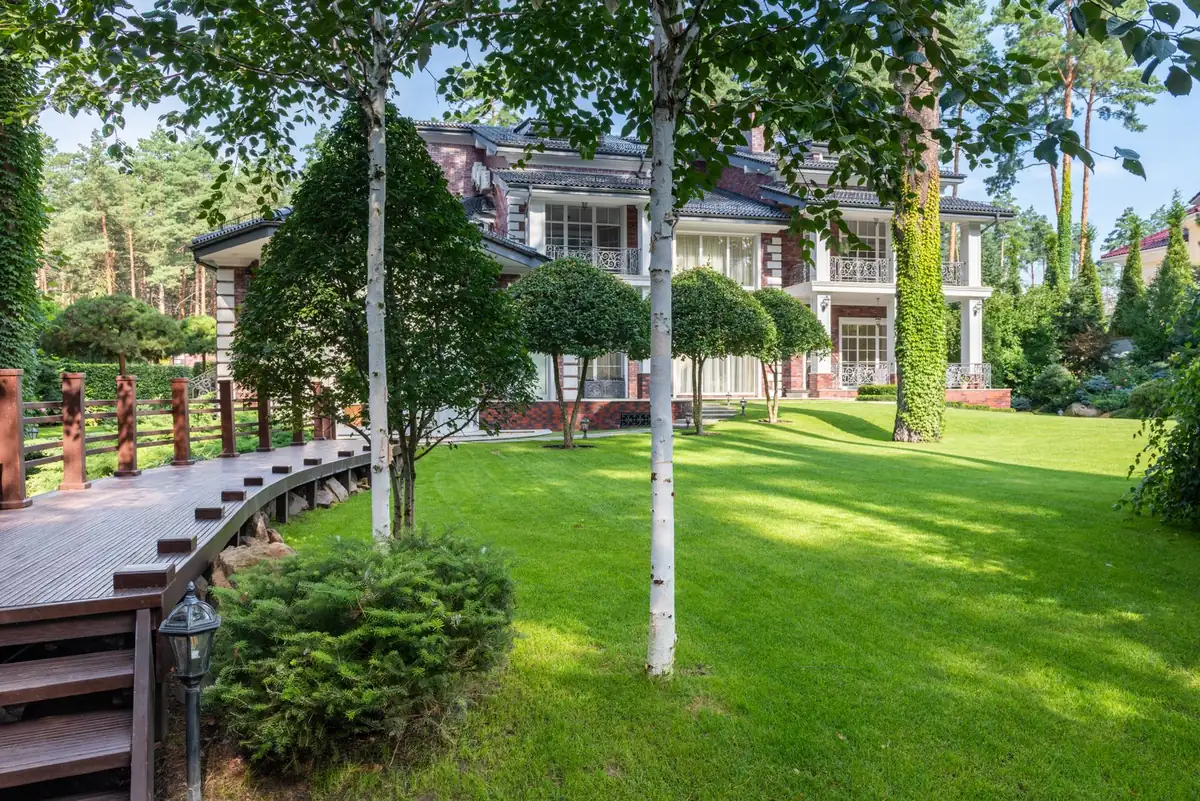
Lock the formula before you lock the order. Our view is that batch consistency is the single most under-priced lever in repeat-purchase procurement. A colour-matched second shipment costs almost nothing to the supplier who set the formula. A mismatched second shipment costs everything to the buyer’s brand.
Ask for a held colour card or a held reference swatch. Require same-batch confirmation in writing. Pin the sample in the buyer’s office before phase two rolls out.
Weigh Lifecycle Cost Not Sticker Price
The bid that wins on sticker price often loses on lifecycle. A cheaper roll with a lower face weight or thinner backing saves money on day one and burns it back through maintenance, re-seaming and early replacement. A commercial lawn that fails at year four has doubled its real cost.
Lifecycle is a function of three things: face weight class, backing choice and base depth. Push any of these down and the lifecycle moves with them. This is the slide most buyers miss when they learn how to compare competing artificial grass estimates on sticker price alone.
The B2B move is to compare on annualized cost, not on unit price. A roll that lasts twelve commercial years costs less per square metre per year than a cheaper roll that fails at year six.
Verify Samples Before You Commit
PDFs and load lists do not sell turf. Samples do. Standard 20 by 20 centimetre swatches ship free of charge, three or four pieces per request, with the buyer covering freight. DHL and FedEx move them door-to-door in four to six days. Custom-spec samples add ten to fifteen production days on top of shipping.
Use the sample window to validate everything that does not show on a spec sheet. Hand-feel, pile recovery after a thumb-press, backing stiffness and colour shift under site lighting. A pile that feels limp under hand test will feel flat underfoot.
Do not commit on PDF. A two-week sample loop is shorter than the rework that follows a bad commitment.
Confirm Lead Time and MOQ Terms
MOQ and lead time decide whether the lowest unit price actually ships when the project window needs it. Tiered MOQ runs from 20 square metres for sampling up to 500 plus for truckload. The unit price drops as the volume climbs. Bulk orders usually lock a 25 to 40 day production slot. Sample orders ship in days but cannot be substituted for a bulk commitment.
| Volume tier | MOQ range | Lead time |
|---|---|---|
| Sample lot | 3 to 4 swatches | 4 to 6 days air |
| Trial order | 20 to 200 sqm | 10 to 20 days |
| Bulk order | 200 to 2000 sqm | 25 to 40 days |
| Truckload | 2000 sqm plus | 30 to 45 days |
Sample lead time and bulk lead time live on different clocks, and the buyer needs both. A project that starts in eight weeks cannot wait for a fresh bulk run that takes ten. Tie MOQ and lead time into the comparison sheet, and reject any bid whose clock does not fit the project window.
Ask the Same Questions Every Time
A standard questionnaire levels every supplier in the same conversation. We run six questions before any quote goes to pricing, and that is the point.
Question one: do you offer an FOB quote with a same-batch colour card. Question two: can pile height, density and backing be customised per zone. Question three: how do you lock replacement stock to match the original dye lot.
Question four: are base work, drainage, edging, seam tape and haul-away included in the unit price. Question five: what is your sample window and your bulk production window. Question six: do you offer tiered MOQ pricing by volume band.
The questionnaire turns a vague bid into a structured one. Suppliers who cannot answer it on the first round are the ones to remove from the shortlist before pricing, not after.
Source Turf From a Factory Directly
Factory-direct sourcing shortens the comparison chain. A buyer who talks to the line that tufts the yarn gets customization a distributor cannot offer and batch consistency a broker cannot guarantee. The factory quote carries same-batch colour confirmation, FOB terms, tiered MOQ and a sample loop that ships inside a week.
Working factory-direct is the cleanest way to learn how to compare competing artificial grass estimates on the buyer’s terms instead of the supplier’s. One normalized sheet, one backing map, one roll-width math, one exclusions sweep, one batch lock, one lifecycle lens, one supplier questionnaire, and one factory quote that closes the loop.
Bids That Look Cheap Until the Extras Land?
Quotes written on different specs are not comparable. Send the bid sets and we match them. Priced at the factory gate, typically 30–50% under market on comparable specifications.
Compare Pet Turf Specs Side by Side
Pet turf sits in its own spec family and cannot be compared to landscape or sport lines on the same row. Three fields carry the difference: drainage backing with flow-through holes, UV stability for outdoor runs and an odour-control infill. Without those three the pet lawn fails the use case regardless of how good the pile looks.
Pile height runs 20 to 35 mm at elevated stitch counts to resist digging and paw wear. UV and odour treatments are spec-line items, not afterthoughts.
| Spec | Pet turf | Landscape | Sport |
|---|---|---|---|
| Pile height | 20 to 35 mm | 20 to 40 mm | 10 to 25 mm |
| Stitch density | High | Mid to high | Highest |
| Backing drainage | Flow-through required | Standard drainage | Sport-grade drainage |
| Odor and UV treatment | Required | Optional | Sport-grade UV only |
| Infill | Anti-bacterial infill | Sand or sand blend | Sport rubber and sand |
Pet zones get locked on their own spec row before the bid sheet is built. Comparing a landscape line-up to a pet line-up on the same row produces a misleading winner.
Questions to Ask Before You Commit
Five checks carry the comparison from bid sheet to contract. First, are all five bids normalized onto the same master spec sheet, with no red cells among the rows being ranked. Second, has the exclusions sweep been run on every line of every bid.
Third, is batch consistency written into the contract with a held colour card. Fourth, has lifecycle cost been calculated as annualized dollars on the same assumptions for every bid. Fifth, are samples signed off and is MOQ tied to lead time tied to the project window.
When all five clear, the lowest comparable bid is the right bid. When any one is missing, the comparison is incomplete and the contract should wait. That is how to compare competing artificial grass estimates the way the buyer wins, every time.
Frequently Asked Questions
Why do two turf estimates come back at different prices?
Because the suppliers are not measuring the same project. Square metres, base depth, drainage and infill rates differ between bids.
How do I pull bids onto the same specification?
Send every supplier the same one-page spec sheet: zone, square metres, pile height, face weight, backing, roll width, infill, base and lead time.
What does a low bid usually hide?
A bid well under the rest has usually dropped base depth, thinned face weight, or skipped removal and edging.
How can I prevent batch colour drift across multi-phase orders?
Lock the formula at sample stage, hold a reference swatch, and require a same-batch clause in the purchase contract.
How long do turf samples take to arrive?
Standard 20 cm sample swatches ship by DHL or FedEx in four to six days. Custom samples add ten to fifteen production days.
How do I get a factory FOB quote for turf?
Send the spec sheet, application zone and square metre total to the factory directly. Request FOB port terms and a same-batch commitment.
 English
  Arabic
  French
  German
  Portuguese
  Russian
  Spanish