
A commercial brief rarely opens with the word grass. It opens with foot traffic counts, a maintenance budget and a look the brand team has already approved. Somewhere between those lines sits the surface decision, because the nine popular commercial applications for artificial turf each pull on a different part of the specification.
We tuft carpet for all of them on one line. A plaza brief and a gym brief get the same three questions from us: what crosses it, what falls on it, and what must look new in year five. What follows is the way we quote the nine settings: scene first, specification second, roll width last.
How We Read A Commercial Brief
Every artificial turf installation starts as a matching exercise, and the factory floor sees it before the site does. Three inputs decide most commercial specs: how many feet cross the area daily, which weather works on it, and how polished the surface must look beside the architecture. Answer those and the pile, density and backing options narrow fast.
It is the same logic a contractor applies to flooring inside a building: traffic grades the product. A hotel lobby and a loading corridor never get the same floor, and a courtyard and a dog run never get the same turf. Our customization range exists for exactly this reason — pile height, density, colour, backing and roll width are ordered to the scene, not lifted from a shelf.
Read that way, the nine popular commercial applications ahead stop being a catalogue and become nine briefs. Each one names the specification its site pulls hardest.
Offices Campuses And Corporate Grounds
Corporate grounds order turf for the strips where mowing crews struggle: courtyard corners, walkway margins and break-out lawns where shade starves natural grass. Facilities teams gain a surface that looks tended in every season without the weekly visit, and tenants gain somewhere green to eat lunch.
Density is the parameter most buyers underweight here. A densely tufted carpet springs back after the lunchtime crowd, while a sparse one flattens into desire paths within a season. When a brief names office foot traffic, we raise stitch count before we touch anything else.
Retail Plazas Hotels And Restaurants
Entrances, courtyards and poolside lawns carry the first impression a guest photographs, so retail and hospitality buyers grade turf on looks first. Shorter piles read clean and contemporary beside paving, and multi-tone yarns add the depth that site photography punishes when it is missing.
Spills rinse away, mud never tracks into a lobby, and the surface stays green through every booking season. For chains opening across many sites, batch-to-batch colour consistency matters as much as the pile itself. The commercial surfaces range is built around exactly that repeatable look.
Rooftop Terraces And Courtyard Lounges
A structural engineer once paused one of our plaza specs with a single question: what does this weigh per square meter? That is the rooftop conversation in one line — an artificial turf installation on a deck is mostly a weight conversation. Soil, irrigation and drainage make natural grass close to impossible up there.
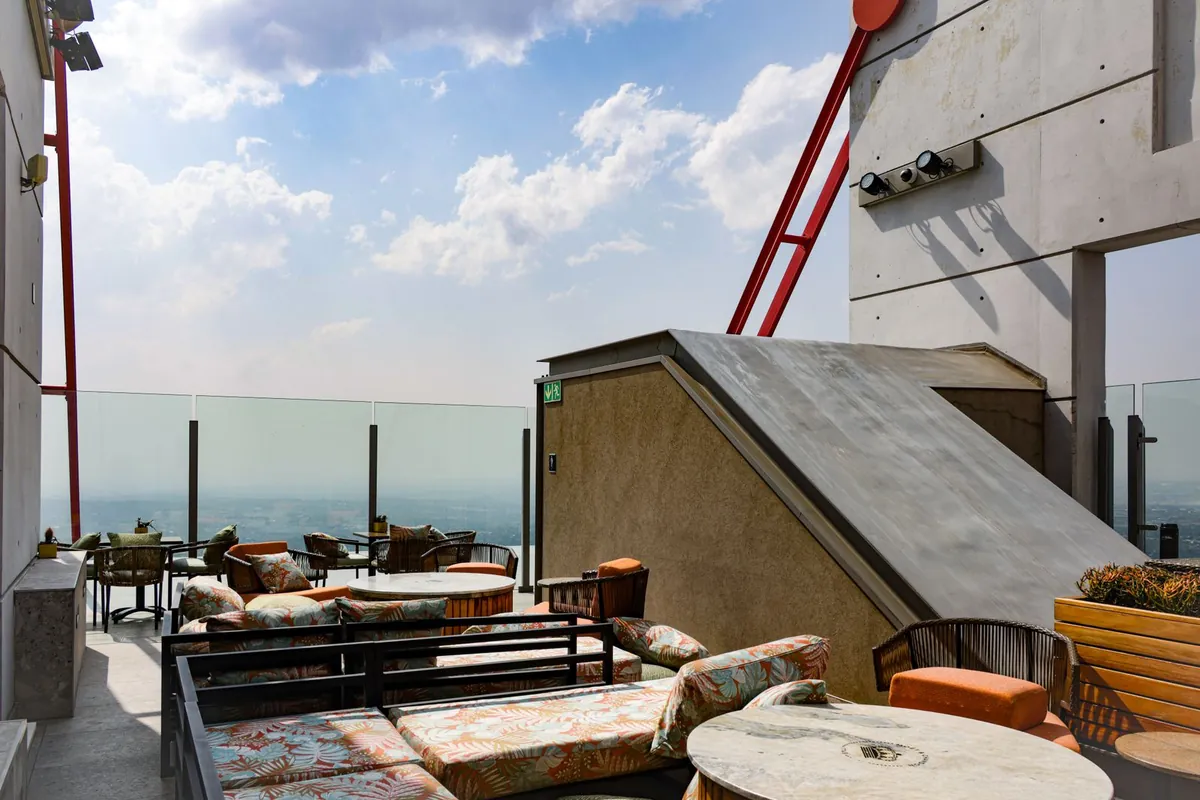
Synthetic turf replaces all three constraints with a light carpet. Weight drops because there is no soil, irrigation disappears entirely, and rain exits through perforations instead of engineered falls. UV stabilizer lives in the yarn itself, so a rooftop lounge keeps its colour under the exposure a deck can never escape.
Playgrounds And School Play Areas
Schools and childcare centres order turf for the ground between the equipment, where bark migrates, grass dies and mud returns after every rain. The protective work is done by padding under the carpet, with its density tuned to the fall height of the structure above.
Caretakers get a surface that drains after a storm, brushes clean and carries none of the fertilizers and pesticides natural grass demands. We keep this scene brief on purpose — the playground safety guide holds the full specification detail.
Sports Fields And Training Facilities
Training grounds and school fields buy hours. A pitch that hosts back-to-back sessions cannot rest and recover the way a lawn does. Synthetic turf holds traction through that schedule instead of wearing into bare lanes.
The specification follows the sport. Football codes run longer piles with infill systems. Gym agility lanes run short, dense carpet that shrugs off sprint drills and dropped weights, sometimes over a foam underlay. The sports turf range maps pile to sport in detail.
Putting Greens And Golf Amenities
Greens are the amenity guests test with their feet before they read a single line of spec. A hotel added a small putting lawn beside its terrace and judged every sample by rolling putts across it on site. Pile lean, ball speed and consistency told the story faster than any datasheet.
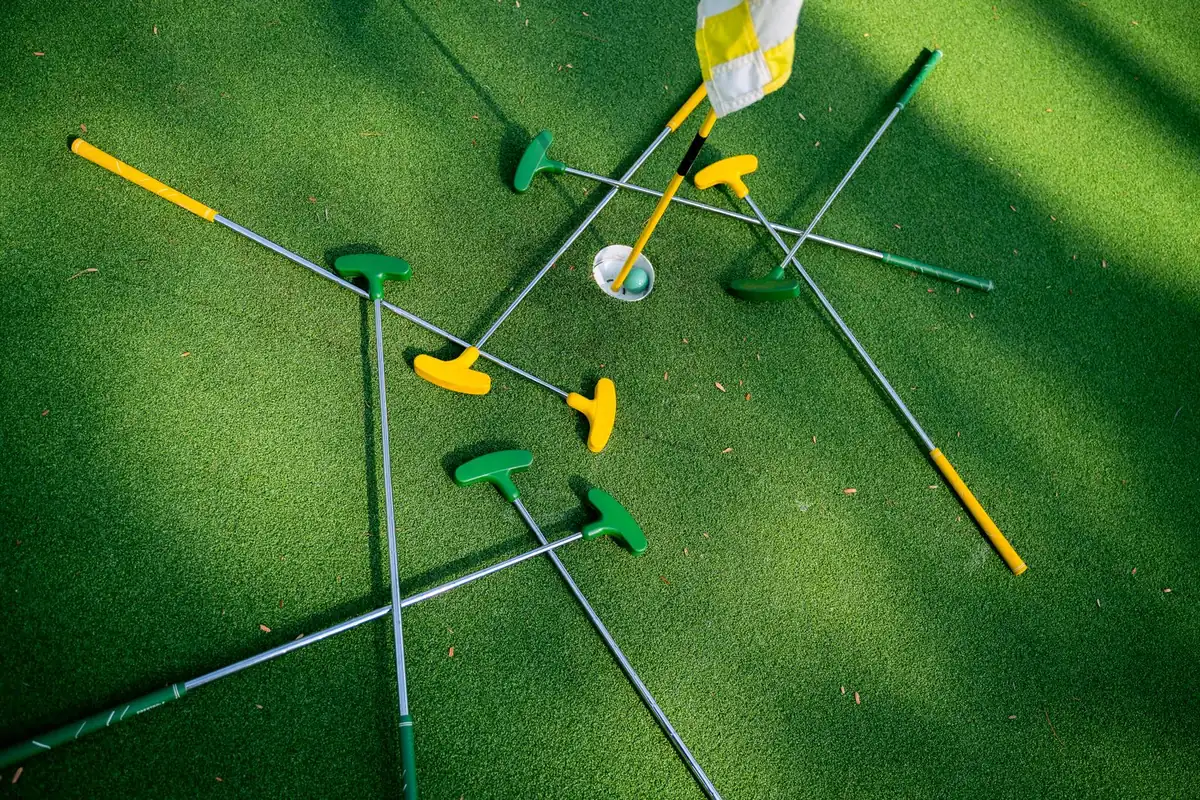
Putting surfaces are a separate product family: very short, very dense, engineered for ball roll rather than softness underfoot. A landscape roll sold into a green plays wrong from the first hole, so the two are never specified interchangeably. Footprints can stay tiny, since a green fits spaces no fairway ever could.
Event Venues And Exhibition Floors
Event crews treat turf as flooring: rolled out for a trade weekend, lifted, stored and laid again on the next booking. A temporary artificial turf installation lives or dies on how well the carpet survives that handling cycle.
Reinforced backings tolerate the fold-and-roll routine, and indoors the same carpet floors lobbies, exhibition stands and brand activations with no light, water or soil involved. Between bookings it stores flat, which is more than any living surface has ever offered an exhibition hall.
Pet Runs And Community Dog Areas
Apartment managers carve dog runs out of corner lawns that never survived the traffic, and the mud those runs generated used to walk straight into lobbies on four paws. Turf ends the mud and turns the amenity into a fixed, usable surface all year.
Odour control belongs to drainage and routine rather than the yarn: urine exits through perforations, and a rinse schedule keeps the run fresh. The dog turf guide covers that drainage and cleaning routine in full.
Parks Medians And Municipal Landscapes
Councils replace median-strip grass to cut watering, mowing and the lane closures that follow a mowing crew. A verge that once shut a road every fortnight becomes a fixed green strip, and motorists stop paying the delay tax.
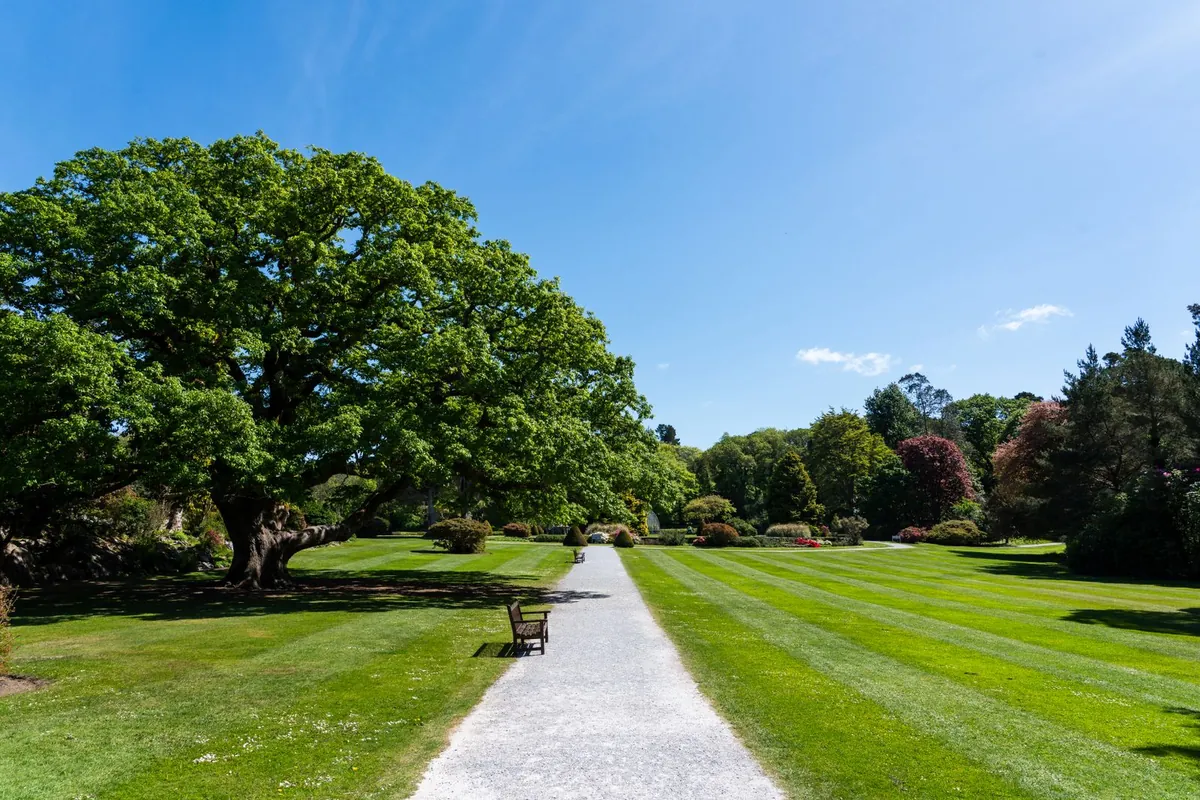
Water budgets supply the second argument: no irrigation at all, the same logic water authorities promote through programs like the EPA WaterSense initiative. Public plazas and transit walkways add the third requirement — durability under constant pedestrian traffic, season after season.
From Shortlist To Site Drawing
Nine scenes, one habit: fix the traffic, the weather and the look first, then let the specification follow the site drawing rather than the catalogue photo. The nine popular commercial applications above all reward that order, and buyers who shortlist that way spend their sample budget on the differences that actually move a project.
Specing the Same Turf for Nine Different Sites?
Forecourts and gyms need different rolls, not one compromise. We build each. We quote off our own line, typically 30–50% under market for matched specifications.
Roll Widths Joins And Site Logistics
Roll width decides where the joins land, and joins are the part of a job nobody photographs. Our carpet comes 2, 4 or 5 meters wide and 25 meters long. A wide roll across a plaza means fewer seams, while narrow widths suit constrained access and smaller plots. Any artificial turf installation wider than the roll will need a planned join, so width belongs in the drawing stage rather than the install day.
The table compresses the nine scenes into the one specification each pulls hardest.
| Application | Pulls hardest on | Specification answer |
|---|---|---|
| Office grounds | Density | Higher stitch rate for spring-back after crowds |
| Retail and hotels | Look and spills | Shorter pile, multi-tone yarn, rinse-friendly surface |
| Rooftop lounges | Weight and drainage | Light carpet on a free-draining base |
| Playgrounds | Fall protection | Padding density tuned under the carpet |
| Sports and gyms | Wear pattern | Pile matched to the sport and session load |
| Golf greens | Ball roll | Dedicated short, dense green turf, never a landscape roll |
| Event venues | Handling | Roll width that fits truck, door and storage |
| Dog runs | Odour | Perforations plus a rinse routine |
| Municipal medians | Water and crews | No irrigation, minimal mowing, fixed colour |
Widths, pile, density and backing can all be quoted against the drawing — the roll range lists the standard lines before custom sizes enter the conversation.
What All Nine Applications Share
Strip the scenes back and the same three requirements repeat: UV stability in the yarn, drainage through the backing, and density matched to traffic. Get those three right and an artificial turf installation outlasts the planting scheme around it.
Prove it before the pallet ships: order swatches through the sample request page, lay them in the exact corner they will serve, and walk them for a week. Specified and maintained that way, commercial grass holds up to 10–15 years of service. The nine popular commercial applications above change the specification, never the logic.
Frequently Asked Questions
How long does commercial artificial turf last?
Up to 10 to 15 years on commercial sites. Traffic intensity, climate and the maintenance routine decide where a surface lands inside that range, so heavy-use venues sit at the lower end.
What does commercial artificial grass cost?
Between $7 and $60 per square meter, indicative only. Grade, pile height, density and backing move the number, so a fixed specification is what turns that range into an exact quote.
Does playground turf need padding underneath?
Yes — the protective layer sits under the carpet, not in it. Padding density is tuned to the fall height of the play equipment above, and the turf itself adds a soft, draining finish.
Can artificial grass be used indoors for commercial spaces?
Yes. Lobbies, break-out rooms, exhibition stands and grass walls all take turf, since it needs no light, water or soil — only a sound subfloor and a clean edge detail.
What pile height suits retail walkways and rooftop lounges?
Shorter piles suit both. They read clean and contemporary next to paving and hold their shape under foot traffic, while medium heights stay reserved for softer, leisure-led lawns.
Is artificial grass safe around swimming pools?
Yes, and it outperforms concrete on comfort. It stays slip-resistant when wet, drains splash water through its perforations, tolerates pool chemicals and runs cooler under bare feet than hard paving.
 English
  Arabic
  French
  German
  Portuguese
  Russian
  Spanish