
Most buyers read a turf specification like a short menu of numbers to compare, not a story to understand. Pile height, yarn type and infill weight all look like marketing until you ask where each figure on the sheet actually came from.
The honest answer is that today’s spec sheet records problems solved one generation at a time. We have supplied synthetic surfaces to schools, clubs and contractors for years. The fastest way we know to read those numbers is to trace each one back to the generation that forced it.
Why the Spec Sheet Starts With History
A specification is not a list of features. It is a stack of answers to failures that once embarrassed the whole industry, written down so the next buyer would not repeat the same mistake on a new field.
Every artificial turf installation we supply today inherits a decision made decades ago about fibre, pad and fill. Read the story once and the numbers on the sheet stop looking like arbitrary choices made by a sales desk.
The pattern repeats across every line you will meet in a quote. Yarn, pad, infill, drainage and backing each entered the sheet because a previous surface failed in a way someone then had to prevent the next time around.
The First Large Installations Changed Everything
The first large-scale use of synthetic grass arrived in the mid-1960s. A school in the United States laid a carpet from a material developed by a research team in North Carolina. As the public record on the history of artificial turf describes, it proved a field could be green with no soil, water or grounds crew.
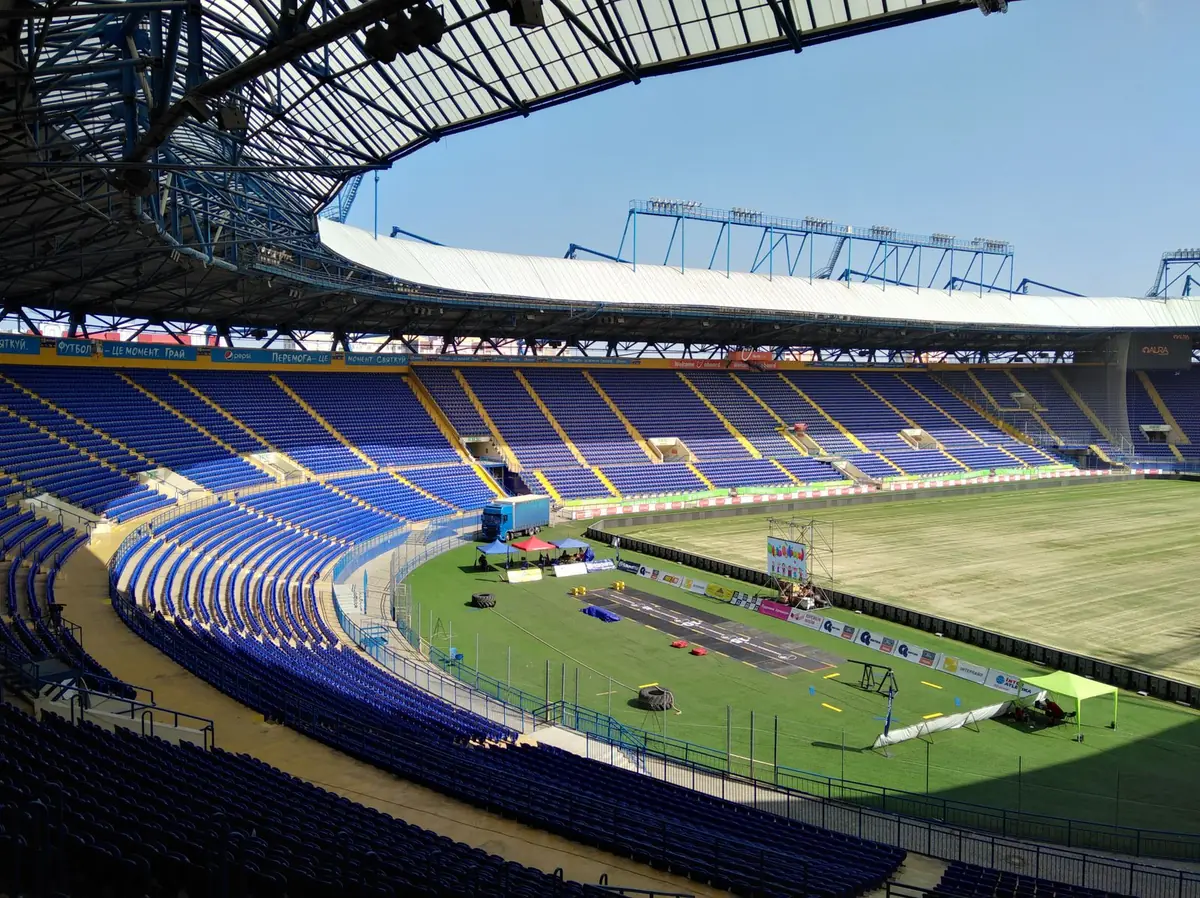
Two years later a domed stadium in Houston could not keep natural grass alive under a closed roof, so it switched to the same surface. The maker then renamed the product after the venue, and the name entered the sport from that point onward.
Those early artificial turf installations settled one question for good: a playing surface could be manufactured rather than grown. What they had not solved was how that surface should feel, drain and stay safe, which is exactly where the spec sheet began to grow.
The rename mattered more than it sounds. A product named after a venue became a category in the public mind. That is why the history of the surface and the history of that stadium are the same story for buyers in the end.
Generation One Used Nylon Pile Without Infill
The first generation was short nylon turf laid over a thin foam pad, with no infill between the blades. It solved the bare problem of ‘make it green and keep it green’ and asked nothing more of the surface than that single job.
But the design pushed three problems straight onto the spec sheet. The nylon fibre was hard and unyielding, so falls produced the skin abrasions players called ‘turf burn’. The surface had no cushion, so it played fast and unforgiving. And dark nylon under a hot sun reached temperatures natural grass never would.
Those three complaints are why modern specifications always list pile height, infill weight and a temperature note. None of those lines existed until generation one showed what happens when they are left out, and every artificial turf installation now carries them forward as standard.
The lesson is that a missing line on the sheet is rarely an omission. It is usually a failure the industry already lived through once. The lesson is written down so the next buyer does not pay for it a second time on their own field.
Generation Two Filled Sand With Polypropylene
The second generation answered the hardness. Makers lengthened the pile and brushed silica sand between the blades, which held the fibre upright and took some bite out of every landing. Polypropylene began to replace nylon as the yarn, softening the surface at lower cost.
Sand gave the carpet weight and stability, and for the first time a field could be tuned rather than just installed. The trade-off was a heavier, slower surface that still baked in the sun, because sand holds heat as readily as it holds the blades in place on a hot day.
On a modern sheet this shows up as the infill line and the yarn-type line, the start of what we now call face weight and yarn density. Both first appeared because generation two proved that what sits between the blades matters as much as the blades themselves.
Generation Three Added Rubber To Polyethylene
The third generation, reaching fields by the late 1990s, paired a long polyethylene monofilament with two infill layers: sand low, rubber granules high. Polyethylene bent instead of snapping, and the rubber returned energy on every step across the surface beneath a player.
That combination is the direct ancestor of the sports carpet most buyers specify today. It is also why pile height and infill depth are quoted together, never alone. The fibre only performs once the fill beneath it is set correctly for the use and the climate.
The lesson for a buyer is simple. A high pile with the wrong infill plays worse than a modest pile with the right one, and the difference shows on synthetic turf sports fields more than anywhere else. The spec quotes both because generation three learned the hard way that one without the other fails.
Buyers often fixate on pile height alone, which is the generation-one mistake dressed in modern colours. Height means nothing without the infill and yarn matched to it, and the sheet only tells you that if you read the three lines as one set.
How Three Generations Shaped Modern Specs
Put the three side by side and the spec sheet stops being mysterious. Each column below is a problem a generation created, then a later one solved, frozen into a number your supplier now has to meet before the order is written.
| Generation | Fibre and base | Infill | Problem it solved | What it pushed onto the spec |
|---|---|---|---|---|
| First, 1960s | Short nylon pile, thin foam pad | None | Keep a field green with no maintenance | Pile height, a heat note, slip resistance |
| Second, 1970s to 1980s | Longer pile, polypropylene yarn | Silica sand | Hard surface and skin abrasions | Infill weight, yarn type |
| Third, late 1990s | Long polyethylene monofilament | Sand and rubber granules | Cushion and fibre recovery | Pile plus infill depth quoted together |
Read the table as a timeline of fixes. The early lines are about survival: stay green, stay flat. The later lines are about feel, safety and heat, which is exactly where today’s buying questions live and where the budget is won or lost.
For the fibre side of the story, our piece on what blade shape means for each sport picks up where this leaves off. The base beneath the carpet is its own history, covered in the layers under artificial grass.
The comparison also explains why two quotes for the same area can look nothing alike. One supplier may quote a thin sand dress, the other a full sand and rubber build. The difference is three generations of lessons sitting in the same column of the sheet.
A buyer who reads the table once can scan a quote and spot the generation it belongs to. That skill is worth more than any discount, because it tells you what the surface will and will not do after the first hard season on site.
Every modern artificial turf installation still carries those early lines, whether the buyer reads them or not. The supplier who explains them is the one worth quoting, because a number with no story is a number you cannot defend later to a facility manager.
Reading Your Turf Specification With Context
The practical payoff is that you can read any quote as a generational scorecard. A short pile with no infill quoted for a stadium is a generation-one idea dressed in new colours. Read the right lines and the spec sheet tells you so.
The lines worth locking first are pile height, yarn type, infill depth and backing. Our commercial specification guide for architects lays out how we write each one for a given use and climate before the order is cut.
Still Judging Today’s Turf by Yesterday’s Fields?
Early carpet and current rolls are not the same product. Ours are made in one place. Priced at the factory gate, typically 30–50% under market on comparable specifications.
Treat the specification as a conversation, not a catalogue. The right answer changes with the sport, the climate and the traffic, and those three questions decide more about cost than the unit price alone ever will in the end.
Why Surface Temperature Still Matters Today
Heat is the one complaint that survived all three generations. Dark fibre still absorbs sun, and a closed roof proved it first in the 1960s. Modern infill choices, including lighter fills, are the latest answer to that same old problem on hot sites.
The spec line for temperature is rarely a single number. It is a note about colour, infill and site shade, because no factory can promise a cool surface without knowing where it will lie. The history here is unfinished, and a good supplier says so plainly to buyers.
The heat argument now plays out in sand versus rubber infill, and the choice shapes more than temperature alone. For the full picture, our infill comparison walks through both materials and where each one fits best on a field.
None of this means old turf was bad. It means each generation handed the next a tighter spec. The buyer who reads the spec as a story holds the stronger hand when two suppliers quote the same square metre.
From Dome Stadium To Today’s Installations
Step back and the arc is clear. A school field proved turf was possible. A domed stadium proved it necessary, and three generations of fibre and fill turned a green carpet into an engineered system.
Today’s artificial turf installation is the sum of those fixes, written as a specification you can read before you buy. The numbers are not marketing. They are memory, and knowing the story makes you the harder buyer to misquote on price and on performance alike.
For sports use, the jump from sand to rubber still matters most. Our guide to 3G and 4G pitch systems explains where that line now sits. The rest of the sheet builds on the same generational logic we have traced here.
Frequently Asked Questions
When was artificial turf first used on a large scale?
The first large installation came in the mid-1960s, when a school in the United States laid synthetic grass from a North Carolina research material. It proved a field could stay green with no soil, water or mowing crew.
Why was artificial turf installed in the Houston Astrodome?
A domed stadium in Houston could not keep natural grass alive under a closed roof, so it switched to synthetic turf in the mid-1960s. The maker then named the product after the venue, and the name entered the sport.
What problem did the first generation of turf have?
Generation one used short nylon pile on a thin pad with no infill. It was hard, caused skin abrasions on falls, gave no cushion, and grew hot. Those faults are why modern sheets list pile, infill and a heat note.
How did sand infill change artificial turf?
Sand infill held longer blades upright and took bite out of landings, while polypropylene yarn softened the surface. It proved what sits between the blades matters as much as the blades, a fixed spec line on every sheet now.
What made the third generation different from earlier ones?
The third generation paired a long polyethylene monofilament with sand below and rubber granules above. Polyethylene bends instead of snapping, and rubber returns step energy, giving the sports carpet most buyers specify today for fields.
Why does the spec sheet list pile height and infill together?
Pile height and infill depth are quoted together because fibre performs only once the fill beneath is correct. A high pile with wrong infill plays worse than a modest pile with the right fill, so both are listed as a pair.
 English
  Arabic
  French
  German
  Portuguese
  Russian
  Spanish