
An indoor cricket turf is a purpose-built synthetic grass surface for play inside a netted court. It runs short and dense, usually 10 to 20 mm tall, and it sits on a prepared floor so the ball behaves the same way on every delivery. The point of the surface is simple. It replaces the inconsistent bounce of bare concrete with playability you can spec on paper.
That predictability comes from three places: how the surface is layered, how firmly it is laid, and how well the facility maintains it. This guide walks through the construction, the bounce behaviour, and the court dimensions you must plan around. It closes with the specification choices that decide whether a centre plays well for years or collects complaints within months.
How an Indoor Cricket Turf Is Built
Every durable installation starts with the floor beneath it. A level concrete slab carries the system, and cracks or low spots are repaired before anything is rolled out. On top of the slab sits the turf itself, a short, dense synthetic grass bonded to a stable backing. Many facilities add a thin shock pad between the two, which fine-tunes how firm the surface feels underfoot.
The playing area follows the traditional game. A full cricket pitch runs 20.12 metres between the stumps outdoors. Indoor courts mark the stumps 20 metres apart to fit the netted enclosure, and the creases and wicket areas are chalked to match.
Because the surface is manufactured rather than grown, its key properties are fixed before production. Pile height, density and colour are all specified in advance rather than negotiated with the weather. On the cutting list the aim is simple: keep the main run of the pitch down to as few joins as possible.
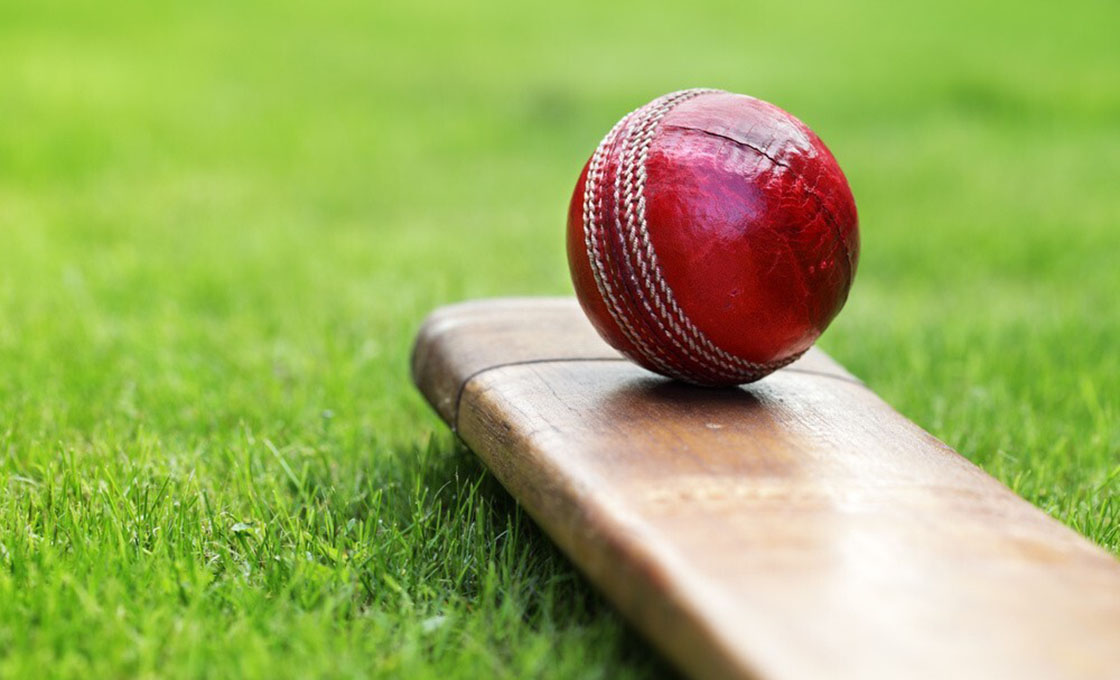
Two details separate a cricket facility from a general sports hall. Spring-back stumps, set 71.1 centimetres tall, survive direct hits without resetting. The surface itself is also chosen for ball response rather than softness. That is why cricket turf looks and feels different from the longer grass in a hallway or a playground.
Why Ball Bounce Defines the Surface
Picture a bowler at full stride in the final over of a close match. Everything about the delivery depends on the half second after the ball lands. On a firm, resilient surface the rebound is consistent, so the batter trusts their shot selection and the bowler trusts their length. Facility operators rank that true rebound as the one property they cannot compromise.
Moisture works against it. Humidity in an enclosed hall can soften a surface slightly, and a softened surface returns a slower, lower bounce that players notice within a few deliveries. Good ventilation and routine checks keep the surface in its designed state. Maintenance and bounce are two sides of the same conversation.
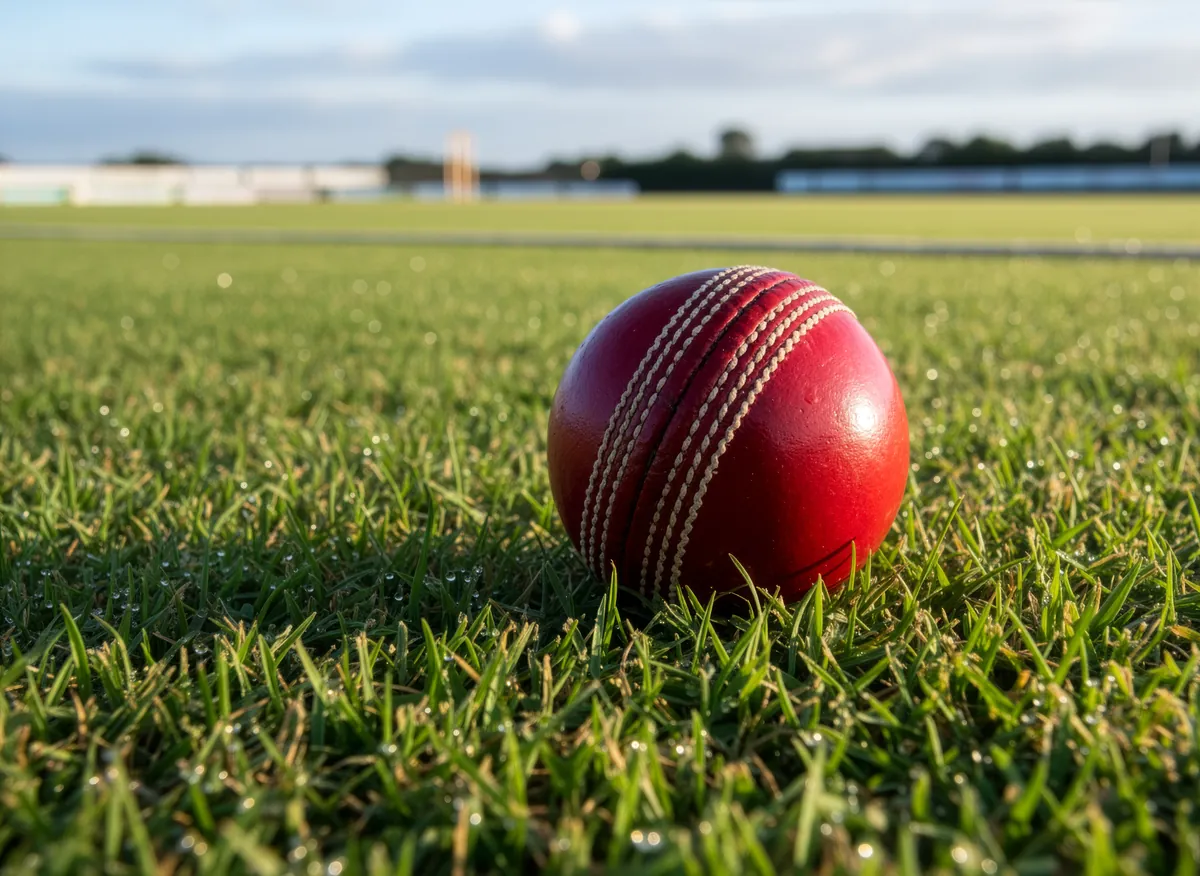
Spin bowling adds a second variable. Friction between ball and surface changes how much a finger-spinner can grip and turn the ball, and shorter piles generally release the ball cleaner off the pitch. In our experience, centres that choose their surface for bounce first and appearance second get fewer complaints. League night regulars notice, and they are the ones who keep booking.
Court Dimensions to Build Around
Indoor cricket is played inside a fully netted court, and the enclosure constrains everything from beam positions to door swings. The standard court runs 30 metres long by 12 metres wide. Netting rises 7.5 metres on all sides, and the pitch itself changes width along its length. The numbers below are the ones architects and contractors need before the first line is chalked on a plan.
| Element | Standard dimension |
|---|---|
| Court playing area | 30 m x 12 m, enclosed by netting |
| Netting height | 7.5 m around the court |
| Pitch width | 1.83 m at batting end, 2.47 m at bowling end |
| Distance between stumps | 20 m between middle stumps |
| Stump height | 71.1 cm spring-back stumps |
| Return crease | 1.22 m from middle stump |
| Turf roll coverage | From 30 m long x 2.5 to 3 m wide |
Those figures follow the standard court layout documented on Wikipedia’s indoor cricket court reference. The roll coverage row is supplier guidance for a single clean pitch run rather than a court dimension. Check ceiling height and column positions against the 7.5 metre netting line before you commit to a building. Retrofits that shave the netting height also shave the legitimacy of every match played inside.
Turf Versus Matting and Concrete
Walk into enough halls and you will find all three surfaces: bare concrete, loose rubber matting, and properly installed cricket turf. Concrete is cheap and permanent, but it returns a hard, unforgiving bounce. It punishes falling players and chews through balls. Matting softens the fall and costs less up front, yet it shifts under play and lifts at the seams. Serious batters identify that dead, variable bounce within minutes.
Engineered turf sits at the professional end for a reason. The surface is dimensioned for cricket, the ball keeps its pace off the pitch, and the pile stands up to a bowler’s follow-through and a batter’s crease. For a facility that charges for league play, turf is the only one of the three that holds up as a playing standard. Matting suits casual multi-use halls. Concrete suits nobody who bats twice a week.
Choosing Pile Height and Backing
Within the 10 to 20 mm range, the choice is a balance between ball speed and surface life. Shorter piles near 10 mm play faster and suit hardcore box cricket venues where the ball should skid through. Piles toward 15 to 20 mm give slightly more cushion and carry, which academies tend to prefer for junior programmes. Density matters just as much, because a denser turf resists flattening in the high-traffic corridor between the creases.
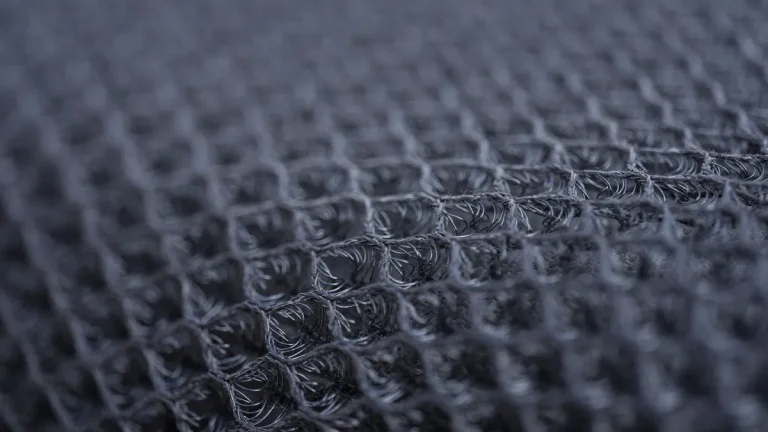
Backing is the quiet half of the decision. A stable PP+Net construction keeps the surface dimensionally steady through seasons of indoor climate swings. PU-backed options cost more in material but add durability where a centre runs doubles every day. Because we manufacture to order, none of this comes off a shelf. Pile height, density, colour and backing are specifiable per project, and our artificial cricket turf can be matched to the way your facility is actually used.
Roll width closes the loop on cost. Standard rolls come in 2, 4 and 5 metre widths by 25 metres long. Custom sizes can be made to order, so a straight pitch run carries no internal seam. Every seam you avoid is one less place for the ball to tell on the surface. Match the roll plan to the court geometry before you order, because seam count is decided on the cutting list, not on installation day.
Who Builds Indoor Cricket Facilities
Four kinds of buyers drive most projects. Academies and schools want surfaces that survive daily junior coaching and still look sharp on open evenings. Box cricket venues optimise for fast league turnaround, so they prioritise bounce consistency and quick cleaning between matches. Multi-sport halls need a surface that tolerates other bookings, which pushes them toward middle-range pile heights. Private investors building dedicated centres care most about the specification holding its playing character for a decade of bookings.
If one of those profiles describes your project, the fastest next step is a specification review against your actual court drawings.
Get Turf Specifications for Your Cricket Facility
Send us your court dimensions and programme type. We will come back with pile and backing options, a roll width plan and indicative material pricing you can put in your facility budget.
From Approval to First Ball
The procurement path is shorter than most facility buyers expect. Free samples in 20 by 20 centimetre squares ship by DHL or FedEx in 4 to 6 days, and a set usually holds three or four pieces. The bounce and colour decision can therefore happen in your own hands within a week. Custom specifications, such as a non-standard pile or club colour, add 10 to 15 days of production before shipping. That is the only long pole in the timeline.
Installation itself is lighter than an outdoor build. There is no excavation, no drainage grading and no weather window to chase. An outdoor site needs stripping, grading and a compacted base before turf goes down; our guide to what happens during an artificial turf installation covers that full sequence. Indoors the job compresses to surface prep, lay and seam, then line marking. Most centres go from approved drawings to a playable court inside a normal working week once materials arrive.
Keeping Bounce Consistent Year Round
A cricket turf earns its keep through maintenance habits, not miracles. Regular grooming keeps the pile upright in the wear corridors. Prompt cleaning removes the grit that would otherwise work into the backing. Surface inspections belong on the facility calendar alongside net checks, and many operators schedule slip resistance testing in the same routine. Player safety and ball response both depend on surface condition.
Humidity deserves a named owner on your checklist. Ventilation that keeps the hall dry protects the designed firmness of the surface. A quick bounce check with a standard ball after humid spells tells you whether conditions have drifted. Managed this way, a quality surface serves up to 10 to 15 years of commercial use before replacement enters the conversation. Your players will tell you long before the calendar does whether the bounce is still true.
Frequently Asked Questions
How big is an indoor cricket court?
The standard court measures 30 by 12 metres with netting 7.5 metres high. The pitch carries a 20 metre stump-to-stump distance inside that enclosure.
What pile height is best for indoor cricket turf?
Most facilities specify 10 to 20 mm. Shorter piles play faster for box cricket, while heights toward 20 mm suit academies that want more carry and cushion.
How long does indoor cricket turf last?
A quality commercial surface lasts up to 10 to 15 years. Consistent grooming, cleaning and humidity control carry a pitch through its full design life.
Does indoor cricket turf need infill?
Indoor cricket surfaces are normally played unfilled. The bounce character comes from the pile and the firm floor beneath, so sand infill is skipped to keep halls clean.
How much does an indoor cricket facility cost?
Industry guide figures put a basic turf installation at $5,000 to $15,000, with nets, lighting and building works priced separately. Relyir material pricing runs from $7 to $60 per square metre, indicative subject to specification.
 English
  Arabic
  French
  German
  Portuguese
  Russian
  Spanish