
Ask three bowls clubs what makes a great green and you will hear two confident but opposing answers. One side defends the living surface the sport grew up on — scented, seasonal and unforgiving. The other points to synthetic carpets that play the same in April as they do under October floodlights. Between them sits a surface decision worth six figures across a green’s life. Grass greens drain club budgets through mowing, watering and renovation, while synthetics face steady criticism over heat, pace and tradition.
We build artificial grass for export markets, and bowls surfaces sit among the most specification-sensitive orders our line handles. Pile height, density and backing choices change how a bowl runs, so buyers arrive with opinions already formed. Every enquiry reopens the question of natural vs artificial the sport has carried since the first synthetic carpet went down. Both sides get a fair hearing here: play, cost, weather, feel and the specification work that follows.
Why the Debate Still Divides Bowls Clubs
Purists make the cultural case first. A living green carries the tradition of the sport, an organic feel underfoot and a connection to the outdoors that many members treat as part of the game itself. Its variability with weather and growth adds a strategic layer, because players must read the surface as well as the line. Advocates also point to biodiversity.
Pragmatists answer with consistency and arithmetic. A properly installed synthetic surface stays level and predictable, giving players a truer test of technique. It also keeps the club earning through months when grass would be closed. Every resurfacing vote therefore stages the same tug of natural vs artificial the purists and the pragmatists keep pulling in opposite directions.
The stakes are not small. Lawn bowls is played by close to half a million people in the United Kingdom alone. Thousands of local clubs depend on their green as both the playing field and the social heart of membership.
Play Consistency and Green Speed Compared
On a natural green, levelness is a perishable asset. The ground moves through the season, dips and troughs develop, and the roll a bowl takes depends on moisture, mowing height and the greenkeeper’s skill and budget. Two ends played on the same afternoon can run differently if one rink sits damper than another.
Synthetic surfaces are engineered flat from the base up. Manufacturers of bowling carpets publish a settled running speed in the region of 14 to 16 seconds. The surface holds that pace across every rink and through the whole session. That uniformity, not the speed itself, is what committees are really buying when they convert.
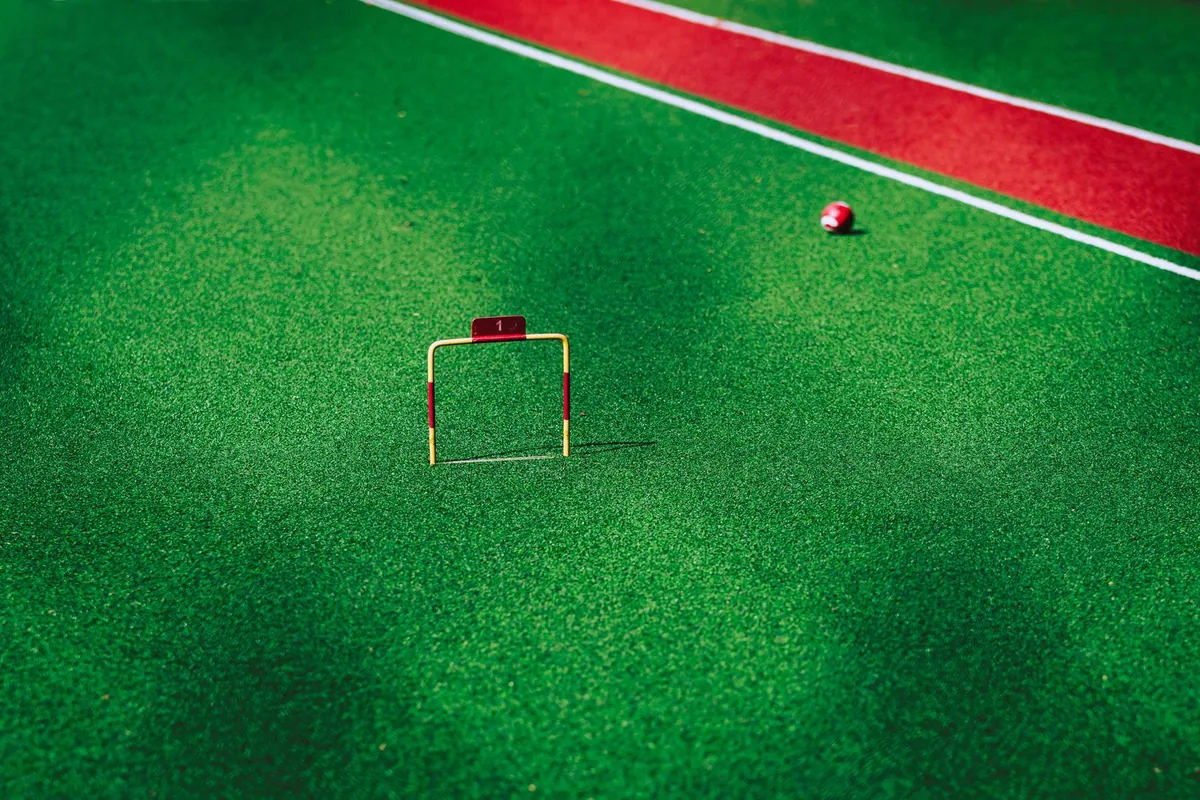
Honesty requires the caveat: a carpet does not run like grass. The pace sits on the quick side, and the bias behaves to a schedule rather than to living terrain. Visiting players need a few rinks of practice before the read feels natural.
Maintenance Hours and Annual Running Costs
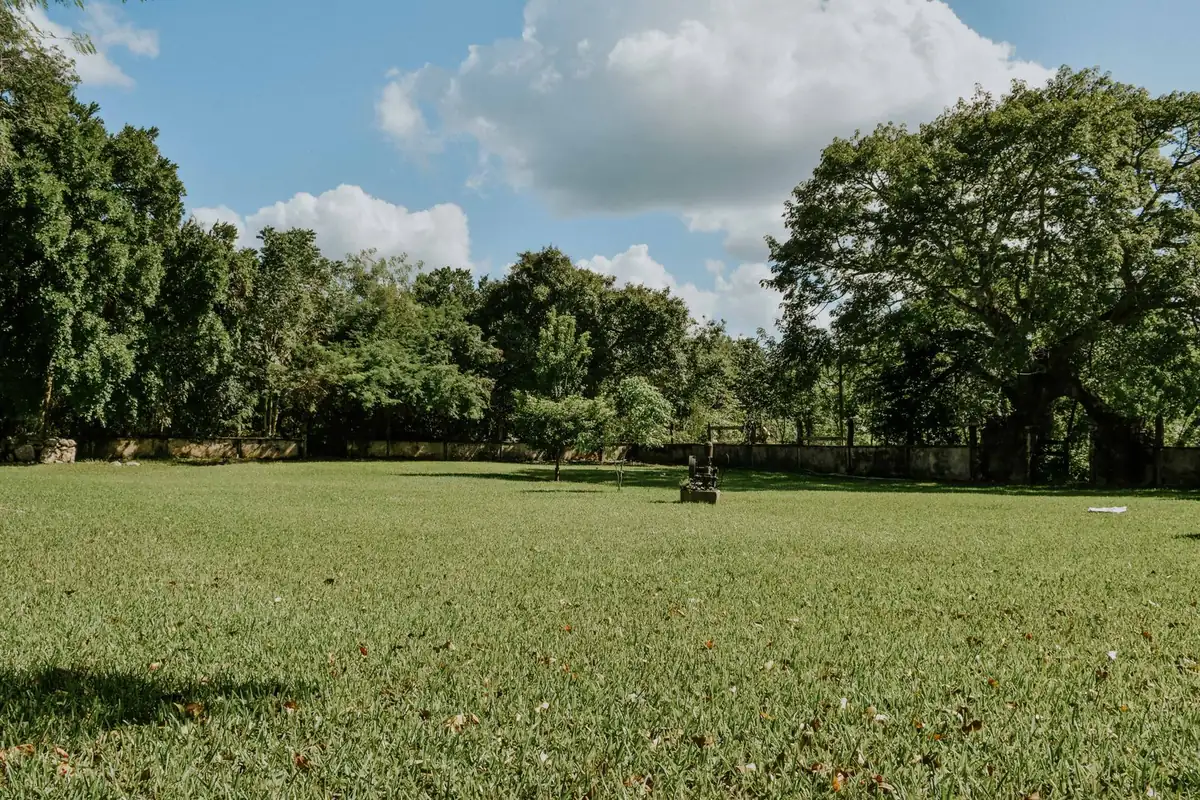
A grass green is a crop kept at putting-green smoothness. Mowing, rolling, watering, feeding, weed and pest control, aeration and renovation fill a calendar that never really closes, and clubs either train a greenkeeper or pay for one.
Nothing shows the cost side of natural vs artificial the way annual upkeep does. One Australian installer’s published price guide puts natural green care near $25,000 a year against $10,000–15,000 for a synthetic surface of the same footprint. The synthetic column also needs fewer machines, less fuel and no chemicals. Those are running figures, before a single capital decision is counted.
Replacement cycles stretch the gap further. Synthetic surfaces are resurfaced roughly every 10 to 15 years, while natural greens need renewal every 5 to 10. Grass greens additionally surrender weeks each season to renovation spells when the surface is closed and unplayable.
Weather, Drainage and Season Length
Water is where synthetics pull furthest ahead. Perforated backing lets roughly 50 litres per square metre drain through every minute on most artificial grass. A shower that closes a grass green for a day barely registers, and installers report play resuming about 20 minutes after heavy rain on a properly built base.
Season length follows the drainage. On synthetic turf only frost or snow stops play. Natural greens shut down in wet winters and during renovation spells, and every closed week is membership value a club cannot sell back. Year-round availability is the headline reason committees finally vote to convert.
Green Closed for Maintenance Again?
Clubs lose rink time to renovation every year. Bowls turf keeps the schedule. Priced at the factory gate, typically 30–50% under market on comparable specifications.
How Artificial Greens Change the Game Feel
The criticism deserves a straight answer. Synthetic surfaces hold more heat than grass in hot weather, which changes player comfort and can alter how a bowl behaves as the surface warms through a match. The carpet also runs faster and more uniformly than most clubs’ grass greens — exactly what traditionalists miss.
Players notice the change fastest when they travel. Bowlers who learn on one surface struggle to read the other within a couple of hours, which builds a home-green advantage in inter-club results. Part of the sport still treats that as an argument against conversion. On feel, the ledger of natural vs artificial the purists keep still favors grass.
Fairness cuts the other way too. One bowls writer who played the only artificial green in his area judged its speed better than the average grass green he had faced that season. His verdict: no worse than some of the poor natural greens around it, which is the comparison clubs actually face.
Choosing Turf Specs for a Bowls Green
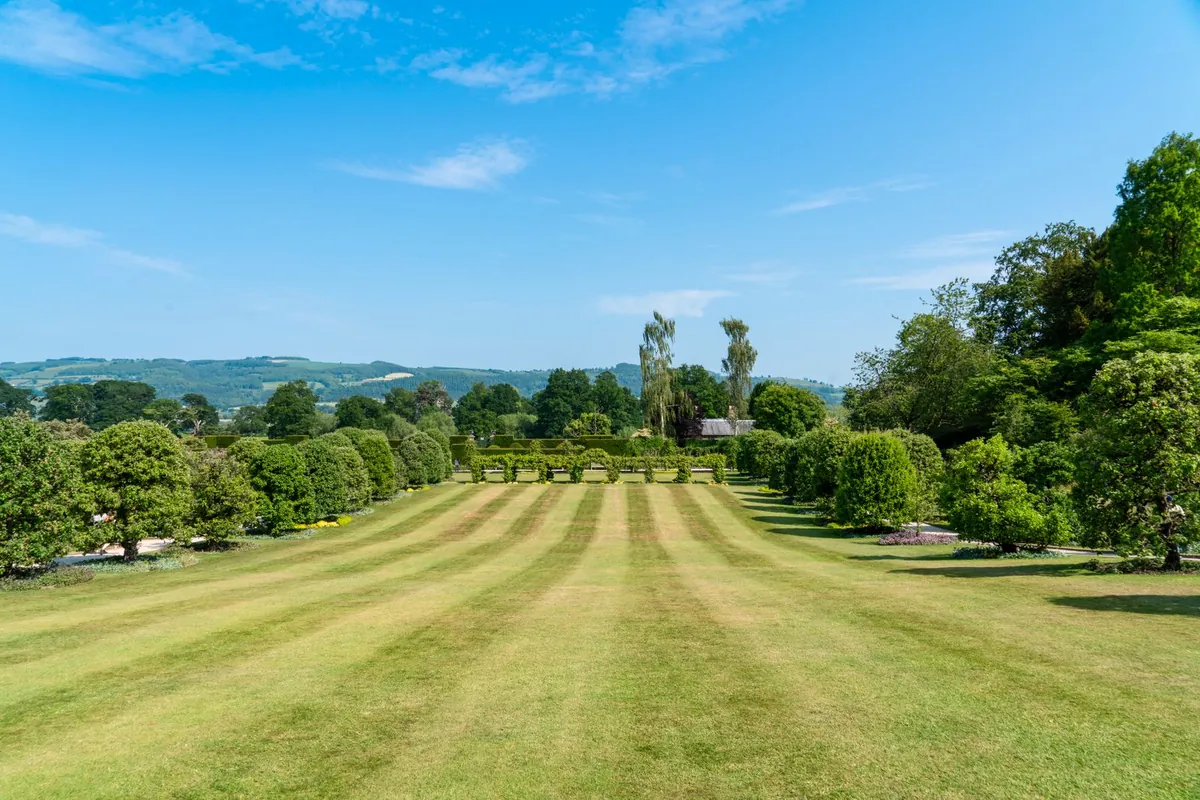
A bowls carpet lives or dies on short, dense construction. Pile height sits low for a true, quick roll, and density keeps the line honest. The yarn — UV-stabilized polypropylene or polyethylene — has to survive full sun season after season without fading or turning brittle.
Backing and base decide drainage and pace together. A permeable backing moves water through the surface, while the underlay package beneath the carpet tunes running speed. The two choices are made as one decision. Our putting green guide covers how the same logic plays out on golf surfaces.
Roll format is the last practical check. Standard widths run 2 m, 4 m and 5 m at 25 m long, with custom widths available for awkward footprints. Colour, density and pile are set as factory parameters — ask how each value is achieved and expect an answer in production steps, not adjectives. The customization range covers backing composition as well as roll size.
Tradition Versus Practicality: A Working Verdict
Clubs rarely face the choice as a single referendum. Many run both worlds: a grass green for the traditional season and a synthetic surface for winter play, corporate days and wet-weather continuity. Usage data then settles the argument, a pattern our sports turf buyers know well.
The harder cases are the clubs that can no longer fund a living green at all. One bowls writer put it plainly: he would rather see artificial greens replace grass than watch clubs close under maintenance costs they cannot carry. The choice of natural vs artificial the committee makes can also be revisited at the next resurfacing, which softens the permanence.
| Factor | Natural green | Artificial green |
|---|---|---|
| Level and pace | Shifts with weather, wear and greenkeeping | Engineered level, one pace across all rinks |
| Season | Summer season, closed after rain and for renovation | Year-round, stopped only by frost or snow |
| Upkeep | Mowing, rolling, watering, feeding, pest control | Brushing, debris clearing, periodic moss treatment |
| Resurfacing cycle | Every 5 to 10 years | Every 10 to 15 years |
| Water needs | Constant irrigation through summer | Optional cooling sprays only |
| Feel | Traditional, organic, variable | Faster, more uniform, hotter in summer |
Frequently Asked Questions
How long does an artificial bowls green last before resurfacing?
Most clubs resurface a synthetic green every 10 to 15 years, against 5 to 10 years for natural turf, per one Australian installer’s published guide. The base below the carpet survives resurfacing, which trims the second conversion.
How fast does a synthetic bowls green run?
A settled synthetic green typically runs between 14 and 16 seconds. The pace depends on the carpet and underlay package, so clubs can tune speed with the surface construction rather than the weather.
Can you play bowls on an artificial green after rain?
Yes. Free-draining synthetic surfaces clear water fast, and installers report play resuming roughly 20 minutes after heavy rain on a base built to specification. Natural greens stay closed far longer after the same weather.
Does an artificial bowling green need watering?
No routine watering is needed. Some clubs spray lightly on hot days, because evaporation cools the surface for players and can steady the pace slightly.
Why do some bowlers dislike synthetic greens?
Three reasons recur: synthetic surfaces hold more heat in hot weather, the bowl runs at a pace members did not learn on grass, and traditionalists miss the living surface.
What upkeep does an artificial green actually need?
Brushing, clearing leaves and a professional service twice a year carry most of the load. A periodic moss treatment keeps the surface clean, and that routine replaces the whole mowing and rolling calendar.
 English
  Arabic
  French
  German
  Portuguese
  Russian
  Spanish