
You are stuck on an artificial grass lawn classification problem, and the options are not the reason. Picture a buyer scrolling six category lists in one evening — application, material, fibre, pile height — every guide lists the same four dimensions side by side. None says which dimension to open first.
The framework is what is missing. This framework builds an artificial grass lawn classification across four axes: yarn form, pile height and density, backing and installation, and application. Each axis opens with a decision sentence, and every category carries a fit verdict.
Why Classification Beats Comparing Products
Classification has to come before comparison, because comparing two rolls across different axes tells you nothing. The gap is not a shortage of options; it is the absence of a framework that puts them in order. Category first, price second.
Most guides stop at a best-for list — they tell you a type is ideal for pets or lawns and move on. None writes where a category fails, which is the line that actually saves a project.
Four axes run through the framework. Yarn form describes the fibre. Pile height and density set use and life boundaries. Backing and installation decide how water leaves and how the roll is fixed. Application comes last, because it follows from the other three.
The scope here is the framework, not a product ranking. For the residential side, the residential artificial grass options line up by use case, climate and traffic once you know your axis.
Classification by Yarn Form and Fibre Structure
When two rolls look identical on a shelf, yarn form is the one classification point your hand can confirm. Squeeze both samples and the difference shows up before any number does. This is the axis that decides how the surface feels and how long it recovers.
Monofilament is a single extruded strand whose profile can be engineered into C, V, W or flat shapes. It suits lawns and sports surfaces that need realism and long-term recovery. It does not suit a one-off decorative cover where the lowest unit price is the whole brief.
Fibrillated yarn, also called tape, starts as a mesh-like sheet that splits into finer strands. It holds infill well and reads denser underfoot. Fibrillated suits budget-led landscaping and putting surfaces; it does not suit a heavy-traffic sports face.
Texturised or curly yarn carries no load; its job is softness and a compact thatch layer beneath the main fibres. It does not suit any surface expected to bear weight on its own.
In a real roll the three combine. The main yarn sets performance, the curly layer sets appearance. A word on history: the term synthetic grass covers fibre forms that shifted over decades.

Fibre fineness and stitch weight matter too, and those belong to their own deep dive on choosing artificial grass face weight. For this axis, the three families above are enough to sort a sample box.
Classification by Pile Height and Density
Pile height sets the use boundary and density sets the life boundary — the two cannot be read in place of each other. A tall roll with thin coverage wears faster than a short roll packed tight. The bands below are common ranges, not standards.
Short pile, roughly 20 to 30 millimetres, suits putting greens, balconies and casual courts. It does not suit a family lawn where a thick underfoot feel is the point. Putting surfaces and patios use it because short grass holds shape and cleans easily.
Medium pile, around 30 to 40 millimetres, suits most residential gardens. It balances a natural look against easy cleaning. It does not suit a buyer chasing the deep, springy feel of long natural grass.
Long pile, from roughly 40 millimetres upward, suits landscape areas where a full, lush look is the goal. It does not suit high-traffic zones, because tall blades flatten and trap debris.
A common misread is that higher grass is better grass. Density carries more weight than height in a busy artificial turf installation, and a sparse tall roll gives way sooner than a compact medium one.
| Pile band | Common range | Suits | Does not suit |
|---|---|---|---|
| Short | About 20-30 mm | Putting greens, balconies, casual courts | A thick underfoot family lawn |
| Medium | About 30-40 mm | Most residential gardens | Buyers wanting deep natural spring |
| Long | About 40 mm and up | Lush landscape borders | High-traffic shortcuts |
Classification by Backing and Installation Method
Backing decides how water leaves the surface, and the installation method decides how the roll is fixed down. Backing is the axis most buyers treat as an afterthought, and that omission costs projects. Both questions can be answered from the back of the sample.
Perforated or fully permeable backing lets water pass straight through. It suits wet regions, pet zones and any site where fast drainage is a priority. It does not suit a very thin, weed-prone base where the site needs a denser barrier underneath.
Dense backing with punched holes suits dry regions and light decorative covers. It does not suit a sloped site with poor drainage, where water can sit under the surface for hours.
Rolled, sectional and modular laying form a sub-axis of their own. A full roll suits a large open area where seams should be few. Tiled pieces suit balconies and small patios with awkward access. Modular squares suit temporary spaces and exhibition floors.
Common roll widths make this concrete. A 2 m by 25 m roll suits small areas, and a 4 m by 25 m roll covers most installs. A 5 m by 25 m roll suits large open spaces, and all can be tailored to a project.
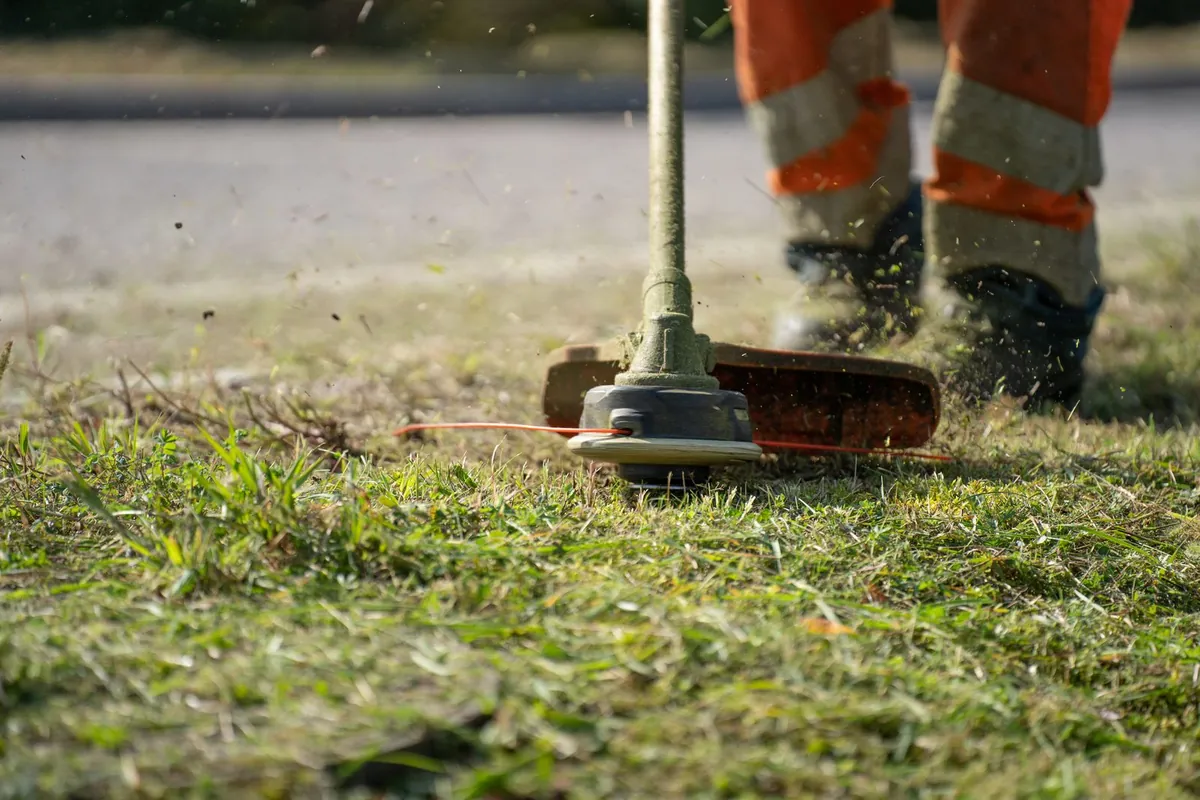
The factory side is simple. Backing and perforation are separate production steps, and perforating opens the drainage path.
Classification by Application and Use Case
The application axis comes last because it is derived from the first three. Once yarn form, pile height and density, and backing are settled, the use case almost names itself. Reverse the order and a sales conversation will steer you instead.
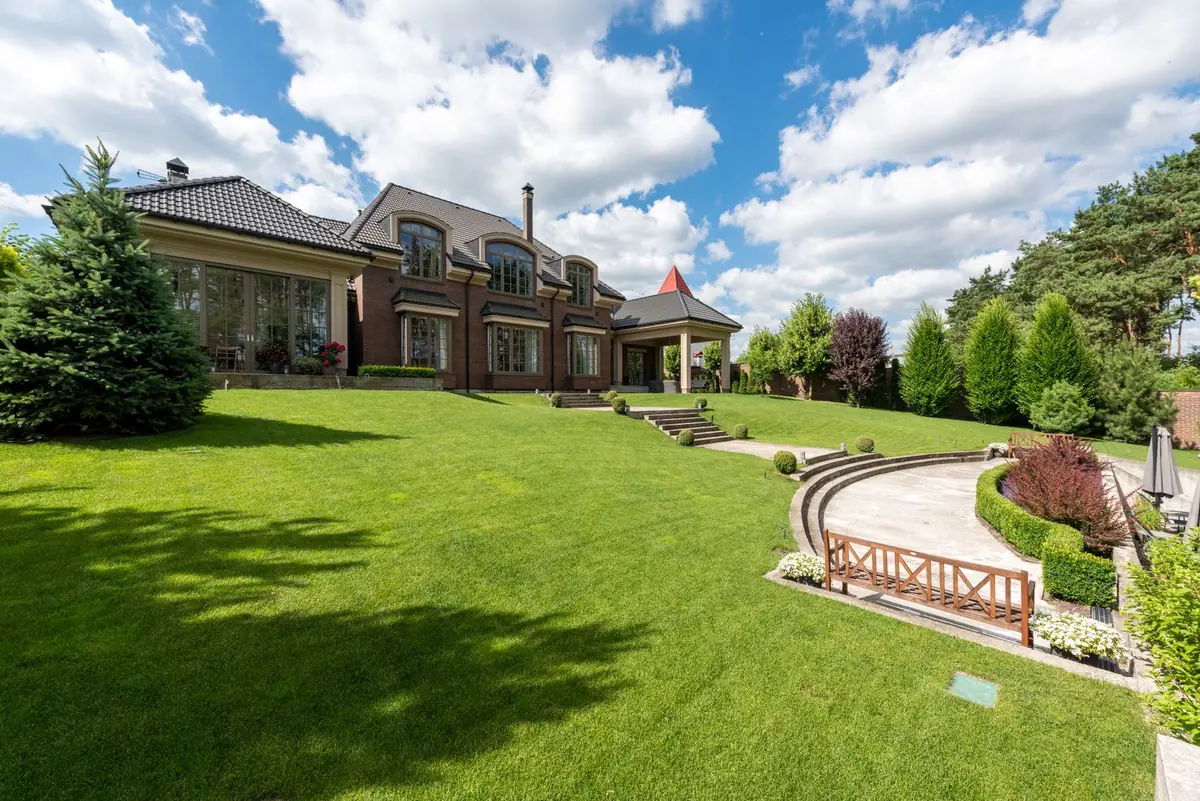
Residential landscape grass suits front gardens, patios, pool surrounds and gentle slopes for everyday households. It does not suit a child’s fall zone that needs impact absorption, which requires a separate cushioning layer.
Pet grass suits dog runs, side yards and kennels, where drainage and cleaning drive the choice. It does not suit a buyer who picks purely on appearance, because odour traces back to water that cannot leave. Pet owners can start with the category for artificial grass for dogs and match the pile to their dog.
Children’s and playground turf suits schools, nurseries and backyard play zones, always paired with an impact pad. It does not suit anyone who assumes the grass alone meets a fall-height requirement; the pad is part of the system.
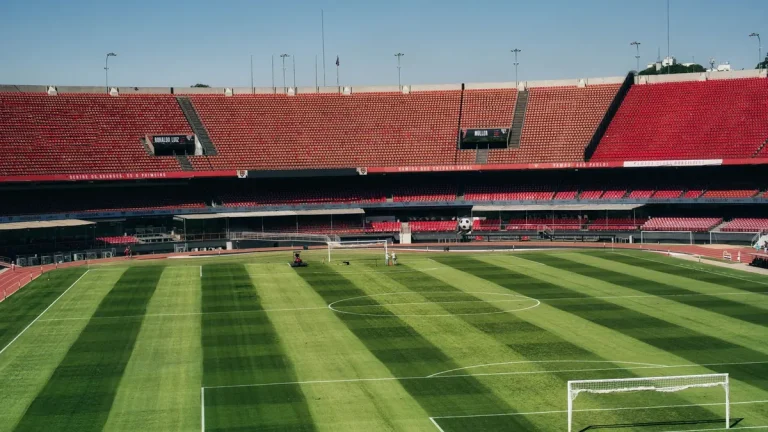
Sports turf suits surfaces built to a specific sport; it does not suit a landscape roll patching in. Generation systems cover the rest — see how 2G, 3G and 4G pitches differ. This article stops at the attribution.
Putting green grass suits short, dense surfaces where a ball must roll true. Commercial and high-traffic turf suits retail, parks and event floors that face constant footfall. Roof and balcony turf suits light, modular installs where weight and access rule the brief.
Walking the Classification Axes Step by Step
No guide in this category gives a sequence between the dimensions, so here is one that does. It moves from the broadest question to the narrowest, and every step removes options rather than adding them.
- Frame the candidate pool with the application axis. By the end of this step you should already be able to rule out any category built for a different use.
- Narrow to one or two pile height and density bands. Here you should be able to rule out rolls whose density will not carry the expected traffic.
- Settle yarn form for feel and recovery. At this point you should be able to rule out fibre families that cannot deliver the look or bounce you want.
- Check backing and installation against site conditions last. Here you should be able to rule out any backing or laying method the terrain cannot support.
Starting from the material gets you a pile of options that never make it onto the ground. Starting from the use case reduces the field at every move. That is why an artificial grass lawn classification beats a flat feature list.
Buyers who run this sequence spend less time re-quoting. The sequence is a decision tool, not a hard rule. A pet owner who already knows the drainage requirement can start at the backing axis.
Conflicts Between Axes and How to Resolve Them
An axis can also point in opposite directions. This is where an artificial grass lawn classification has to arbitrate rather than list. The rules below settle each common clash.
Take a pet area that needs short grass against a look that wants a lush long pile. Structural needs such as drainage and load outrank appearance, and the same rule applies when a patio wants a seamless face but access rules out a full roll. Site access decides the laying method.
Budget is the third conflict, and it is the only place a price belongs. Material cost sits inside an indicative $7-60 per square meter range that varies by grade, so request an exact quote for your spec. The rule is to secure the density your use needs first, then find value in yarn form. The factors behind that band are in the guide to artificial grass pricing.
The fourth clash is sport against residential look. A sports use must obey the project specification, and a landscape roll cannot be substituted for it. Ask the supplier for the performance data that applies to the chosen sport.
| Conflict | Resolution rule |
|---|---|
| Pet drainage vs lush look | Drainage and load outrank appearance |
| Seamless face vs modular access | Site access decides the laying method |
| Budget band vs high density | Secure density, then optimise yarn form |
| Sport spec vs lawn look | Sport specification outranks lawn appearance |
How to Read a Turf Spec Sheet with This Framework
Walk the four axes down any artificial turf installation spec sheet and the numbers stop being a wall. Read each field against the axis it belongs to, and skip anything that does not answer one of them. A spec sheet is a lookup table for the framework, not a description of quality.
Sort the fields by axis. Pile height and face weight speak to the height and density axis. Backing and drainage speak to how water leaves. Yarn form, dtex, denier and gauge describe the fibre. Put each one back where it came from, and the sheet becomes readable.
Read the fields honestly. Face weight is not thickness, and pile height is not a durability score. A longer list of colour options says nothing about quality.
The glossary-style definitions of these terms live in their own reference, so follow the link for artificial grass glossary of turf terms and use the framework here to place them. Then put two sheets side by side and compare the same axis against the same axis, never across axes.
The practical test is still the sample. Run a hand over the surface, look at the cross-section, and turn the backing over to check the drainage openings. Run the comparison with two or three samples on the table.
Matching a Classification to Your Project
Run the four axes against three common projects — a small courtyard, a back garden with a dog, and a modest training corner — and the framework stops being abstract.
A small courtyard usually points to a medium pile with a modular or small roll. The most common error is choosing a large roll for a space no machine can reach. A dog garden points to a medium or short pile over a permeable backing. The common error here is optimising the look and leaving drainage unplanned.
A training corner points to a sport-grade surface built to that sport’s requirements. The most common error there is buying landscape grass and calling it a pitch.
Budget belongs to the whole project, not just the roll. The material stays in the band noted above, and the base and fitting also draw on the same budget for any artificial turf installation.
A frame tells you which category to buy; a sample tells you which product inside that category.
Feel the Difference Between Categories
A classification framework tells you which category your project needs. It cannot tell you which product inside that category feels right, because bounce, hand-feel and backing detail do not survive a photograph. A sample does.
Common Classification Mistakes Buyers Make
Most expensive mistakes happen at the classification stage, not the buying stage. Four of them come up again and again, and each has a simple check that catches it early.
The first is treating one axis as the whole decision. A buyer picks on pile height alone and later finds drainage does not hold up. The second is stretching a lower category to cover another use, such as landscape grass on a sports surface.
The third is ranking appearance above drainage and load. The fourth is skipping the backing axis entirely and discovering ponding after a finished artificial turf installation, when the fix is far more costly.
A warning worth stating plainly: a category that looks identical on two samples can behave very differently over a season. Confirm the backing, density and laying method before you confirm the colour. Fixing a wrong category after installation costs far more than choosing it carefully.
Quality inspection on the procurement side is a separate piece of work with its own checklist. This section is about classification misreads only, and the difference matters when a project goes to review.
Building a Reusable Classification Template
Turn the four axes into a one-page template you can fill in for any project, and the framework becomes repeatable. The template has five rows, one per axis plus a budget line. Every other decision hangs off it.
Fill in the rows in order: application, then pile and density, then yarn form, then backing and installation, then budget. Mark each must-have or can-compromise. That single mark keeps a project honest when a supplier suggests an upgrade.
Appearance and colour are usually the rows you can flex. Drainage and load are the rows you cannot. Once marks are in place, number your samples and drop each one into the same template row, so comparison happens across the same axis.
Requesting free samples before you decide turns the template into a real test, because the feel of a fibre is the one thing a spec sheet will never carry. The template is a decision scaffold; the final call rests with the project specification and the site.
Quick Reference Table of Classification Axes
One table gathers the four axes, what each one decides, when to reach for it first, and the point most buyers miss. Use it as a final pass before a shortlist is finalised. An artificial grass lawn classification only works when all four axes carry a value.
| Axis | What it decides | Look here first when | Most overlooked point |
|---|---|---|---|
| Yarn form | Feel, realism and recovery | Two samples look identical | The curly thatch layer carries no load |
| Pile height and density | Use boundary and life boundary | Traffic and expected wear are known | Tall grass can flatten and is harder to clean |
| Backing and installation | Drainage path and fixing method | Soil, climate or access is awkward | Backing fixes how water leaves the site |
| Application | The candidate category itself | Once the first three are settled | It is derived, so it belongs last |
Three lines are worth remembering. Application sets the candidate pool, pile height and density narrow it, and backing decides whether any artificial turf installation can actually be installed on the site.
Back to the opening problem — a framework built first gives every price a coordinate.
Frequently Asked Questions
How many types of artificial grass are there?
There is no single number. An artificial grass lawn classification splits turf across four axes: yarn form, pile height and density, backing, and application. Count by one axis at a time, or the answer will not settle.
Which classification axis matters most for a home lawn?
Start with application, because it frames the candidate pool. Then narrow with pile height and density, and finish with backing to confirm drainage for an artificial turf installation. Reversing that order is what leads buyers astray.
Does a higher pile height mean better artificial grass?
Not by itself. Taller grass looks fuller but flattens and is harder to clean. In busy areas a medium pile with higher density usually outlasts a longer roll with thin coverage, so density deserves equal weight.
Does an artificial turf installation differ by type?
Yes. Backing and laying method change the base depth, the drainage detail and the seaming approach for every artificial turf installation. Confirm those before you confirm the surface look, because they are harder to change later.
What pile height suits dogs?
A short to medium pile cleans and drains more easily. Pair it with a permeable backing so water and odour do not linger, and avoid a long pile that traps waste and flattens under constant traffic.
 English
  Arabic
  French
  German
  Portuguese
  Russian
  Spanish