





Insights & Guides

Artificial Grass Insights

Yarn engineering, installation know-how and sourcing insights from the Relyir Grass factory team — sports turf, landscaping, playgrounds and putting greens.

Turf Estimates: How to Prepare for Accurate Pricing

Turf Estimates: How to Prepare for Accurate Pricing

Five bids land on a contractor desk for the same 5,000 square metre commercial build. Three come back as ballparks. Two carry a 20 percent contingency. Our team has walked enough sites to know the difference is rarely the grass. The difference is the site-info packet the buyer sent before asking for the number. How ...

Read Article
Artificial Turf in the Backyard: Why It Adds Up

Artificial Turf in the Backyard: Why It Adds Up

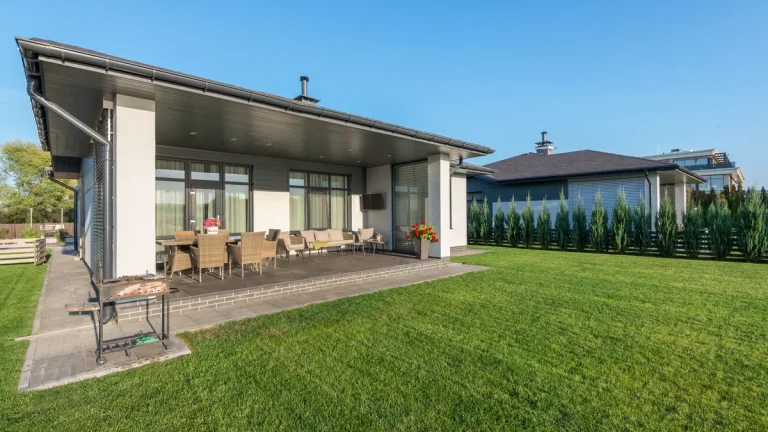
The worst patch in most backyards is the one the family wants most: the strip under the old tree, beside the back door, where the hose line never quite reaches. Grass there gets the least light and the most feet. We build artificial grass rolls on our own line and have shipped them abroad since ...

Read Article
How to Choose the Proper Artificial Grass Backing

How to Choose the Proper Artificial Grass Backing

On our bench we review failed artificial turf installations and the cause is almost always the backing. Our team specifies PP+Net and PU backings for our line because the hidden layer decides how long the surface lasts. A PP+Net backing typically lasts six to eight years while a PU backing runs twelve to fifteen years. ...

Read Article
Replacing an Artificial Turf Field: Signs and Timing

Replacing an Artificial Turf Field: Signs and Timing

Worn fibres rarely announce themselves before a fixture list forces the issue. A grounds team notices that one goalmouth stays slick after rain. Brushing no longer lifts the pile, and the infill order keeps growing. Deciding when to replace your artificial turf field should not depend on who argues hardest in a budget meeting. Our ...

Read Article
Which Artificial Turf Looks the Most Realistic?

Which Artificial Turf Looks the Most Realistic?

Realism fails on a residential lawn for reasons you can put numbers to. Sightlines, midday glare and the direction the fibres lean all register at a distance, and none of them appear on a headline spec line. Our line builds rolls for landscape contractors and distributors, so we read data sheets the way a buyer ...

Read Article
Artificial Grass in Summer: How Hot Does It Get?

Artificial Grass in Summer: How Hot Does It Get?

How much heat will artificial grass absorb on a 100°F afternoon? The honest answer is a number set by researchers, not by marketing ranges. Our team has run a factory-direct manufacturing line for eighteen years. We see buyers arrive with the same vague 120°F to 160°F band, no study behind it. This guide replaces that ...

Read Article
G-Max Testing for Turf: How It Reduces Injury Risk

G-Max Testing for Turf: How It Reduces Injury Risk

A storm cancels Friday training and the grounds crew starts doing the arithmetic on lost bookings. For a school, club or municipal venue the playing surface is a safety and budget decision, not just a line item. What is g max is the question behind most of those decisions. We build artificial grass rolls on ...

Read Article
Why Turf Surfaces Work So Well in Sports Facilities

Why Turf Surfaces Work So Well in Sports Facilities

When a storm lands on a Friday, the crew at a school or municipal sports complex starts doing arithmetic. A slow-draining grass field pushes fixtures back, refunds rentals, and turns the following week into patch repairs. The advantages of turf surfaces in sports facilities come down to one idea: a surface you can schedule around. ...

Read Article
Artificial Grass for Hockey: Choosing the Right One

Artificial Grass for Hockey: Choosing the Right One

How to choose the right artificial grass for hockey is not about picking a turf type by name. It is about matching the level of play, surface category, pile height, backing, irrigation, and roll width to how your facility will actually be used. When those variables drift apart, the first signs are slow ball roll, ...

Read Article
Back to top