
Most gym floors fail because the buyer picks a turf name before picking the workout. Knowing how to choose the best artificial turf for gyms begins with the movements members perform daily—sled pushes, Olympic lifts and rope slams load the surface differently.
Our team builds turf on a production line, so we see the same failure pattern repeat. A flat pile at the sled lane, a seam lifting by week six, a floor that smells by month three are the calls we get. We wrote this guide around the zones you actually run, not a catalog of grass types.
What Gym Turf Must Withstand Daily
A gym floor takes a different beating than a lawn. Sled straps drag yarn sideways, loaded bars drop with force, and rope workouts twist the pile until weaker turf mats down within a season.
Add the chemical load: sweat, chalk and disinfectant meet the surface every hour. A turf that copes with this daily mix stays safe and presentable; one that does not becomes a complaint and a downtime cost.
We group the daily stress into four loads—drag, impact, foot traffic and chemistry. Rate each zone on these before you read a single spec sheet, because the spec follows the movement, not the other way round.
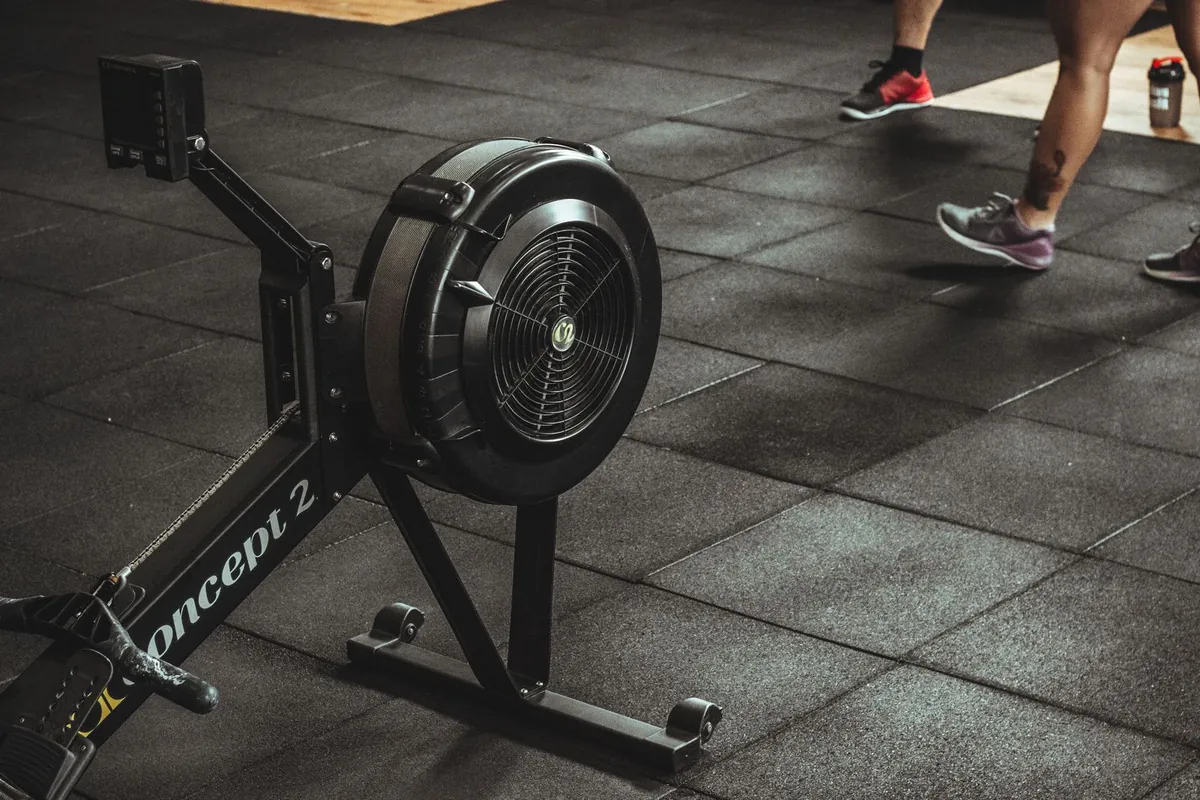
Our bench sees the same mistake in distributor returns: buyers match a photo instead of a stress profile. A warm-up corner and a sled lane are not the same floor, and treating them as one is where budgets leak.
Match Turf to Your Training Zones
Training zones are not decoration; they set the spec. A sled lane wants short, textured yarn that resists drag, while a stretch corner wants softer, taller pile your members can sit on.
We map each zone to a yarn profile so one open floor can carry several programs without one lane failing the others. The table below is the shortcut our line uses on fit-out calls.
| Training zone | Yarn type | Pile height | Key spec |
|---|---|---|---|
| Sled track | Textured monofil | 15–25mm | Drag-resistant, dense |
| Strength / CrossFit | Straight monofil | 10–15mm | Abrasion resistant |
| HIIT / functional | Curled monofil | 15–20mm | Spring-back, grip |
| Warm-up / stretch | Soft landscape | 20–30mm | Comfort underfoot |
Split the floor by zone and you buy three specs instead of one compromise. That is the first real lever in how to choose the best artificial turf for gyms, and it protects both performance and budget.
Pile Height and Density for Gym Use
Pile height sets feel; density sets life. Aim for stitch counts above 15,000 per square metre and a face weight above 2,000 GSM so the yarn springs back after thousands of foot strikes.
Walk a 15mm sled lane next to a 30mm stretch mat and the difference is instant—one feels like a track, the other like a padded studio. Our team specs the lane short so sleds glide, the corner tall so muscles relax. That short-versus-tall split is the heart of how to choose the best artificial turf for gyms.
Yarn polymer matters too. Polyethylene and polypropylene blends wear well under gym loads, and you can read how polymer choice shapes turf life in the artificial turf overview before you commit a spec.
Backing and Subfloor That Hold Up
The backing is the part you never see and the part that fails first. It binds yarn to the floor and decides whether a seam stays flat through a busy year of classes.
We pair backing to the subfloor on every fit-out. Concrete with a level screed takes PP+Net for standard traffic; a rubber underlayment or heavy sled use needs PP+Grid cloth or a PU coat to hold the joints.
| Backing | Subfloor | Durability |
|---|---|---|
| PP+Net | Level concrete | Standard traffic |
| PP+non-woven | Concrete / thin pad | Moderate stress |
| PP+Grid cloth | Rubber underlayment | Sport-grade |
| PU (optional) | Wet or high-impact | Hydrolysis resistant |
Match the backing to the base and the floor behaves for years. Skip that step and the seam lifts where members pivot most—exactly the spot a contractor gets called back to fix.
Infill or No Infill for Gym Floors
Infill is a trade. Rubber crumb adds shock absorption for lifting zones but scatters as members train, so it needs weekly recovery to keep the floor clean.
Quartz sand stabilizes yarn and adds weight, yet indoor gyms rarely want it underfoot. Infill-free turf stays flat, traps less dust and wipes down fast—our pick for functional and yoga spaces.
Decide infill by cleaning load first, impact second. A shared studio that runs ten classes a day should lean infill-free; a dedicated strength den can take rubber for the joint relief.
Shock Absorption and Joint Safety
Joints take the hit when turf is thin. Target shock absorption near 30–50% impact reduction and keep vertical deformation under 5mm so landings stay consistent across the floor.
The backing and any pad below the turf do the work together; yarn alone will not save a knee. We write these numbers into the spec sheet so safety is measured, not guessed by feel.
Grip must hold under sweat. A surface that slips when wet is a downtime risk, so we test traction on the same yarn the member will actually train on, not a showroom sample.
Traction Grip and Sled Performance
Multi-directional grip keeps agility drills safe and sled pushes honest. The yarn shape drives it: straight filament bites, curled filament cushions, textured filament resists the sled strap’s sideways pull.
Sled lanes and strength zones are not interchangeable. A tall, soft pile that feels great for stretch work will fight the sled and flatten fast under the strap—spec them apart from the start.
Our line tunes the yarn profile per lane so a member transitions from push to lift without changing shoes. That continuity is why zone mapping beats a single uniform roll.
Indoor Versus Outdoor Gym Turf
Outdoor training turf lives or dies by weather. It needs UV-stable yarn to hold color, a drainage layer to shed rain, and mold resistance so a damp corner does not turn hostile.
Indoor turf has it easier on weather but harder on sharing. Hygiene, traction and easy cleaning lead; infill-free is the default for spaces many members touch each day.
| Need | Indoor | Outdoor |
|---|---|---|
| Color hold | Moderate light | UV-stable required |
| Base | Concrete / rubber | Compacted, drained |
| Cleaning | Easy, infill-free | Mold resistant |
A rooftop or courtyard workout zone is its own spec, not a leftover from the indoor floor. List it separately so the supplier quotes the right yarn and base.
Roll Width Cuts Seams and Waste
Roll width decides your seam count before the install crew arrives. Standard rolls run 2m, 4m and 5m wide, all 25m long, and a custom width can remove seams entirely for a premium.
Picture a 200 square metre functional area. Five-metre rolls lay it in four lengths with three seams; two-metre rolls need ten lengths and nine seams—nine spots to lift, nine cuts of waste.
We steer contractors to 5m rolls for open sled floors and 4m rolls where the space is awkward but supply must stay broad. Width is the quiet cost lever in how to choose the best artificial turf for gyms that most buyers miss.
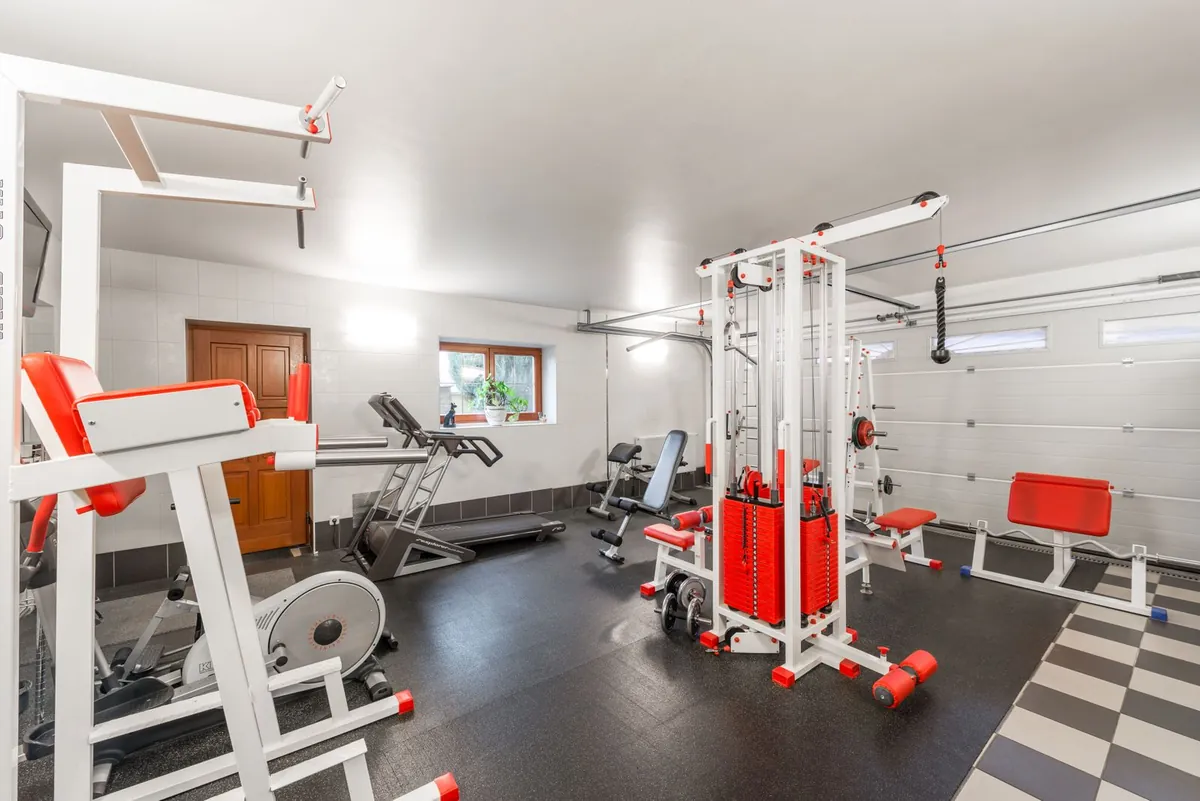
Fewer seams mean fewer call-backs, and offcut waste drops with each wider roll. Plan width on the zone drawing, not at the loading dock, and the floor installs once.
UV Stability and Color Retention
UV stability is not a weather footnote; it is the difference between a floor that looks new in year two and one that reads tired by spring. Stabilizer load in the yarn sets the fade curve.
Our view: color fastness is a renewal-rate lever most buyers underprice. A member renews a studio that still looks sharp, and reorders follow the look—so we spec UV grade into every window-side and outdoor lane.
Polyethylene and polypropylene take UV differently, and the blend decides how long the green holds. Ask for the grade, not just the claim, before you sign the batch.
Cleaning and Hygiene in Gym Spaces
Shared turf is a hygiene surface, not just flooring. Sweat and chalk settle into the pile daily, and a space with no routine turns musty fast—members notice, and complaints follow.
Infill-free zones clean fastest because there is no granule to trap odor. Brush, vacuum and a gym-safe disinfectant on a weekly beat keep the floor presentable and the air clear.
| Task | Frequency | Purpose |
|---|---|---|
| Brush / vacuum | Weekly | Remove sweat and dust |
| Disinfect | Weekly | Kill gym-surface bacteria |
| Deep refresh | Quarterly | Lift trapped odor |
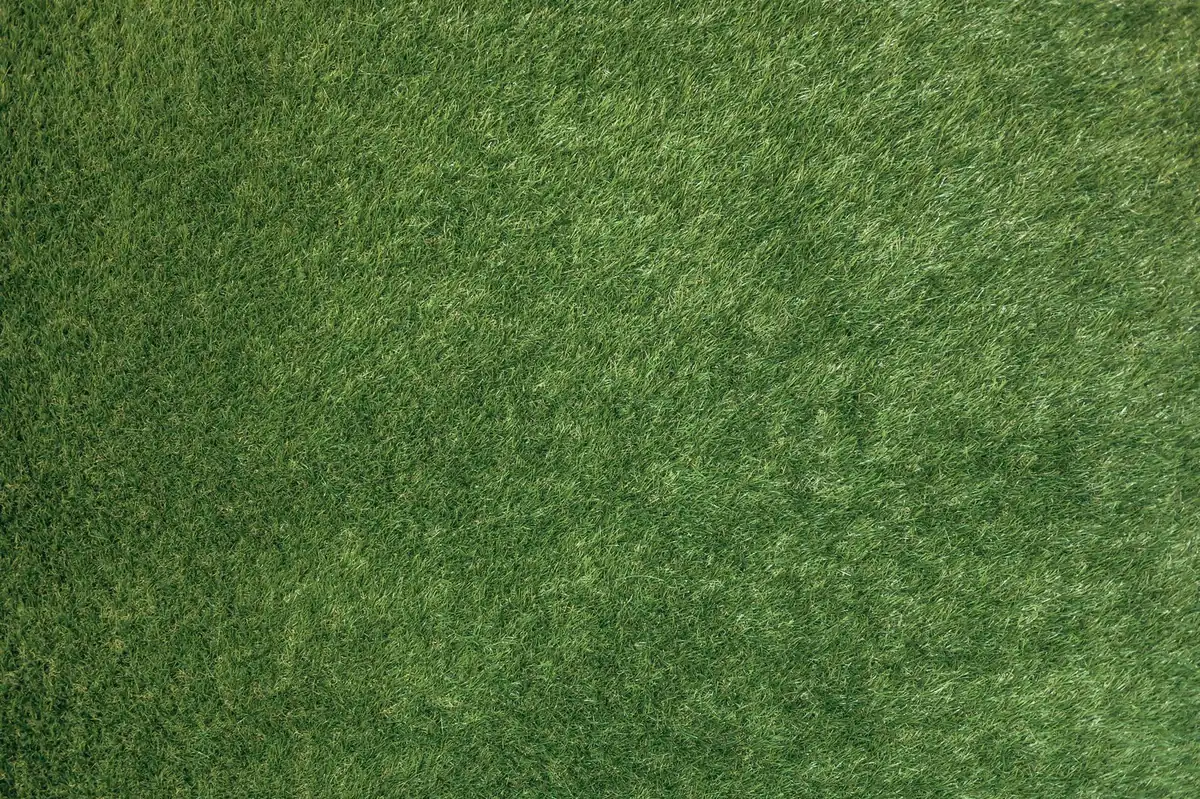
Antimicrobial treatment helps in high-traffic studios where the same square metre sees hundreds of shoes. We fold the cleaning beat into the maintenance SOP so the floor stays a selling point.
Custom Logo Colors and Branding
Customization is where a gym floor becomes a brand. Yarn color, shape, density and height are all adjustable, and a logo mat or a signature color band turns a training zone into a photo moment.
Boutique studios and group-class rooms use this most—a colored sled lane or a branded warm-up circle reads as intent. We lock the sample before bulk so the color matches the render.
Treat custom as premium and plan early. A bespoke width or logo cut runs on its own production slot, so it belongs in the first quote, not a later revision.
Source Gym Turf From a Factory Directly
Buying direct from a manufacturer changes the math. You set the yarn, backing and roll width yourself, get one batch color across the whole order, and receive bulk samples to feel before you commit.
Our team has 18 years of export experience and ships factory-direct, so the quote reflects the build rather than a reseller margin. Minimum order and lead time sit in the FOB quote, not on a retail shelf.
Choosing gym turf is like writing a training program—you list the movements first, then match the equipment, never the reverse. A factory partner reads your zone plan and builds to it, zone by zone.
Gym Floor Failing Under Sleds and Dropped Weight?
Thin turf ripples where the heavy work happens. We build gym rolls for that load. Priced at the factory gate, typically 30–50% under market on comparable specifications.
Cost Drivers Beyond Price per Sqm
Sticker price is the smallest line. The turf itself runs $7–60 per square metre indicative, but backing, infill and any pad stack on top of that base before the floor is usable.
Subfloor prep and seam labor swing the total more than buyers expect, and roll width changes both waste and install hours. A 5m roll can save a full day of crew time on a large floor.
| Cost driver | What it adds |
|---|---|
| Turf material | $7–60 per square metre indicative |
| Backing / infill / pad | Layered on the base spec |
| Subfloor + seams | Prep and install labor |
| Roll width | Waste and crew hours |
Budget by zone and by lifecycle, never by the headline rate alone. A cheaper roll that lifts at season two costs more per year than a stronger roll bought once. That gap is the last step in how to choose the best artificial turf for gyms.
Questions to Ask Before You Buy
Before you sign, ask the supplier six things. Minimum order that fits your floor, a FOB quote with one batch color, and a sample dispatch window you can plan around.
Confirm pile height and backing can vary by zone, and ask how replacement stock stays color-matched on reorder. These answers separate a factory partner from a box mover.
Use how to choose the best artificial turf for gyms as your phone script. The sports artificial grass range shows the spec options a direct supplier can build to your plan.
Frequently Asked Questions
What pile height should I pick for a gym?
Match height to the lane: 10–15mm for strength work, 15–25mm for sled tracks, and 20–30mm for stretch zones. Shorter pile resists flattening under daily drag.
Which backing works best for a gym subfloor?
PP+Net suits standard concrete. Choose PP+Grid cloth or PU backing where traffic is heavy or moisture is high, since those layers hold seams through years of impact.
Should I use infill or go infill-free?
Infill-free turf stays flat and easy to clean, ideal for functional and yoga zones. Rubber infill adds shock for heavy lifting but scatters dust that needs weekly removal.
How does roll width affect seams and waste?
Wider rolls cut seam count: a 5m roll needs fewer joints across a large floor than 2m rolls do. Fewer seams mean less lift risk and less offcut waste.
What differs between indoor and outdoor gym turf?
Outdoor turf needs UV-stable yarn, drainage and mold resistance. Indoor turf focuses on hygiene, traction and easy cleaning, with no infill preferred for shared spaces.
How do I get a factory quote for gym turf?
Send your zone plan with square metre, pile height and backing. A factory returns a same-batch quote at $7–60 per square metre plus a 4-6 day sample dispatch.
 English
  Arabic
  French
  German
  Portuguese
  Russian
  Spanish