
The gardening quote arrives with two numbers and no map of the garden they map to. One number lays an artificial lawn over a compacted base. The other lays a paver patio over the same base, and the visible difference fits inside the cost of a weekend trip. By the time the install uncovers a sloping site or a dog run that takes most of the daily traffic, the original numbers are history.
For a typical residential garden, the artificial grass or paving question is a use-zone decision. A green surface suits shade patches, dog runs and play areas. A hard surface suits dining tables, BBQs and any zone that holds a chair or a fire pit. The honest comparison treats both as legitimate answers and shows where each one earns its keep.
Why the Grass vs Paving Question Stalls Most Garden Plans
The stalemate shows up in three places. Two quotes that line up on the line items look like a price comparison, but neither shows how the two surfaces survive the same base work. The catalogue conversation is about colour and texture while the real question sits underneath in drainage and slope. The contractor who lays patios often dislikes turf edges, and the turf installer often avoids paving, so the design gets pushed toward the trade the installer prefers.
The fastest way past the stalemate is to ignore the catalogue for an hour and answer three quiet questions. Which zone holds the dining table. Which zone takes the dog in the rain. Which zone crosses the garden at the deepest frost line. Once those zones are mapped, the artificial grass or paving question answers itself, because each surface wants its own area.
The base work is also where most budget surprises land, and it is identical for both surfaces. A proper sub-base in a residential garden runs through excavation, geotextile in poor soils, a compacted crushed-stone layer and accurate falls to a drainage point. Most artificial turf installations and paver patios on the same site share the same base profile. Whether the top layer is a roll of turf or a square metre of paver, the cost moves by site more than by surface choice.
What Each Surface Actually Is and What It Does
Modern artificial grass is a soft surface made from synthetic yarn, commonly polyethylene or polypropylene fibres, often with a curly thatch layer, tufted into a backing that allows drainage. The backing is typically a polypropylene or polypropylene plus net construction, with optional polyurethane coating where extra tuft bind matters. The perforations shed water into the sub-base rather than letting it pool on top.
Pavers are individual units of concrete, natural stone, brick or porcelain, laid in patterns over a compacted base. The joints between units are filled with polymeric sand that locks each piece in place and resists weed growth. The variety of materials, colours and patterns is much wider than turf, which is why paving tends to win the design conversation and lose the comfort conversation.
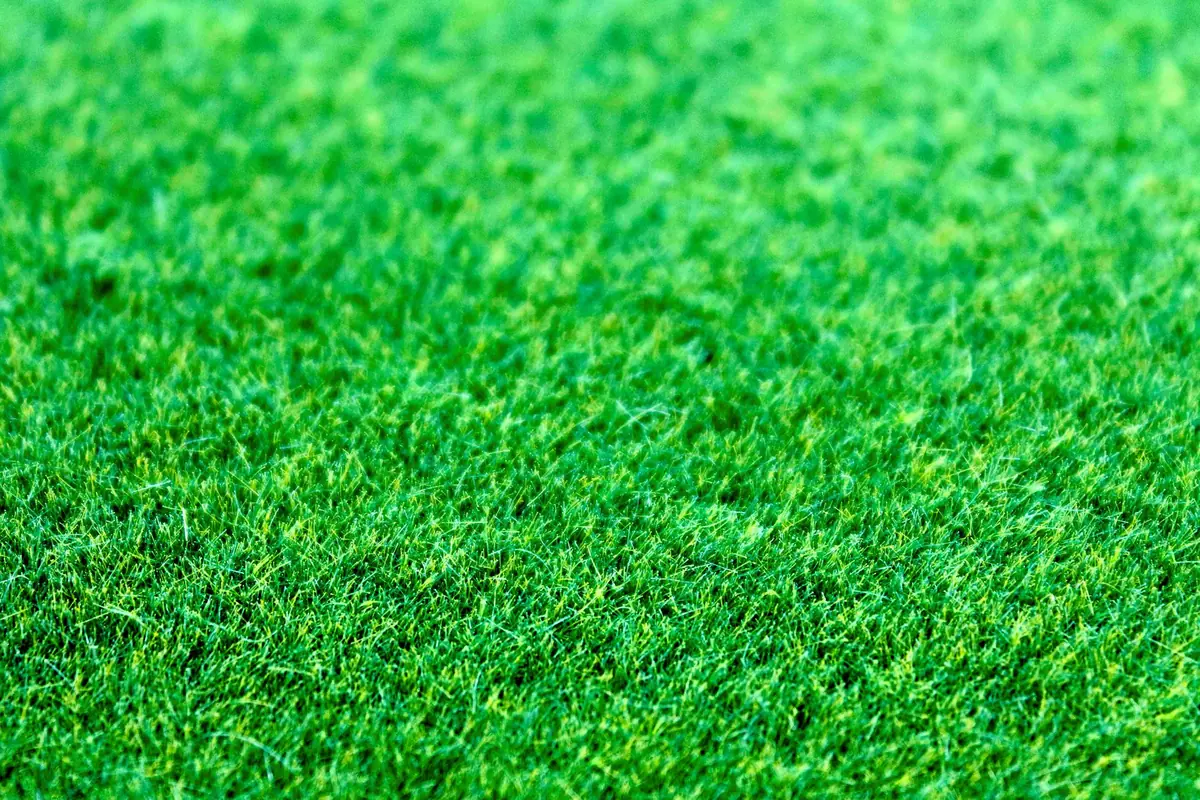
Across artificial turf installations in backyards, what separates the two surfaces is what each one does on a Tuesday afternoon in July. Turf absorbs impact and stays soft; paving reflects impact and stays level. Neither behaviour is universally better; the right answer depends on how the garden is used at four in the afternoon, not how it photographs for the brochure. For a closer walk of the residential options, see the residential artificial grass options that match each use zone.
Cost Side by Side: Upfront, Annual and Lifetime
Installed residential cost bands for the two surfaces often overlap once base work is included. Artificial grass installed in a typical garden lands between $8 and $20 per square foot. Pavers installed over a comparable base land between $10 and $30 per square foot, depending on material choice, access and ground conditions. The visible material price alone does not decide the winner; the sub-base, the access and the labour rate do.
Annual upkeep tilts toward turf because pavers need joint re-sanding every few years and an optional seal every two to four years. Turf needs brushing a few times a year, a rinse to clear dust and pet residue, and an annual infill top-up if the surface sees heavy use. Across a decade, those differences add up to a few hundred to a few thousand dollars on a typical 400 square foot garden. Across many artificial turf installations, the same annual pattern repeats.
| Cost lens | Artificial grass | Paving |
|---|---|---|
| Installed price (per sq ft) | $8 to $20 | $10 to $30 |
| Annual upkeep | Rinse, brush, occasional infill top-up | Sweep, re-sand joints, optional seal |
| Likely service life | 10 to 20 years, depending on use and UV | 25 to 50+ years with proper base prep |
| Water use after install | Essentially none | None for the surface, runoff only |
| Repair pattern | Patch a seam or replace a worn zone | Lift and reset a single unit |
The factory-direct material band for the grass roll itself sits between $7 and $60 per square metre, with the same caveat the EPA applies to outdoor water budgets. The number depends on padding, grade and product type, so request an exact quote against your area and use pattern. Pavers follow a similar pattern from a different cost stack: material cost, cut and pattern complexity, base depth. Read the cost factors that move the per-square-metre price before agreeing to a per-square-foot number on either surface. The outdoor water picture matters too, because the EPA WaterSense program on outdoor water use places household outdoor water near thirty percent of total use, much of it on lawn.
Heat, Drainage and How the Ground Behaves Under Each Surface
Heat is the first surprise most owners report. Surface temperature on artificial turf in full summer sun can run thirty to fifty degrees Fahrenheit above ambient air, which makes barefoot walking uncomfortable at peak hours. Light-coloured stone or concrete pavers reflect more heat than darker synthetic fibres; dark pavers can reach foot-scorching temperatures of their own. The fix is the same in both cases: shade, a quick rinse before use, or a lighter material choice.
Drainage mechanics are different enough to change the sub-base design. Turf sheds rain through perforations in the backing into the open-graded stone beneath, provided the sub-base is built to absorb it. A well-built turf installation takes heavy rain without ponding. Pavers in a conventional pattern shed water across the surface to a fall, while permeable paver systems use open joints filled with gravel that let water return to the sub-base.
Cold regions change the trade-off entirely. Pavers can crack where freeze-thaw cycles work moisture into the body of the unit, especially if the base was not built with proper drainage falls. Turf in deep frost can feel stiff underfoot and may mat where heavy snow sits for weeks. Across artificial turf installations in cold regions, neither surface freezes the decision; it just shifts which one looks better at the end of winter. For the deeper drainage picture under the turf, see the write-up on drainage and base preparation for turf, and check infill options for heat and feel for warm seasons.
Pets, Children and Daily Use
Pets change the conversation more than climate does. Across artificial turf installations built for pet households, the pattern stays consistent. For a household dog, artificial turf is softer underfoot, drains urine quickly through the perforations, and avoids the muddy worn patches that real grass develops at the favourite toilet area. Pet-grade turf with a sensible infill cleans with a rinse, and a quick brush stops the pile from matting where paws run.
Paving is also easy to rinse, but it is harder on paw pads in summer and grit in the joints can become uncomfortable for older dogs. For children, both surfaces are usable but for different reasons. Turf offers a softer landing for the inevitable trips and falls during daily play. Paving wins where bikes, scooters and outdoor toys get parked, because hard wheels cut into turf edges.

For dining and entertaining, paving wins decisively. A dining table, a BBQ and an outdoor kitchen all benefit from a level, hard surface that does not shift under chair legs and tolerates hot trays without damage. Turf under a table is workable for short periods but tends to compress and discolour in the same spots. A practical reading of the pet picture is on artificial grass for dogs, including drainage and infill suited to animal use.
Maintenance Routines You Actually Sign Up For
The maintenance pattern for artificial turf is low-frequency rather than zero. A monthly rinse clears dust, pollen and any pet residue that has dried on the surface. A twice-yearly brush with a stiff-bristle broom lifts the pile back upright in the higher-use zones. An annual infill check tops up the material that has walked or blown away, and a quick edge inspection catches lifting before it grows into a seam repair.
Paver maintenance is also lighter than the marketing suggests but a little more periodic. A regular sweep keeps debris from breaking down into the joints. Re-sanding every two to three years refreshes the polymeric sand that locks each unit in place and resists weed growth. Sealing every two to four years protects colour and reduces staining, though many homeowners skip this step on dense stone.
Skipping maintenance on either surface is where costs swing. A turf surface left without brushing begins to mat in the high-traffic zones and the matting is hard to reverse without a professional groom. A paver surface left without re-sanding begins to shift and grow weeds in joints, after which the patio reads as tired within a couple of seasons.
Read the Surface Before You Sign the Quote
The numbers change by site, climate, and base. Send your area, use mix, and the look you want. We will match a turf pile, backing and roll width, or steer you toward paving if your use pattern makes that the stronger answer.
The Edging, Base and Crossover Details Most Comparisons Skip
The cleanest detail where turf and paving meet is a concrete edge, set flush with the paver surface and slightly proud of the turf pile. The turf tucks against the edge with a tucked-and-glued seam, which keeps the cut edge tidy and stops the pile from separating over time. Without that strip, the grass edge spreads and the paver edge collects grit, both small failures that read as poor finish within a season.
The sub-base matters more than either surface choice. A proper residential base is roughly a hundred to a hundred and fifty millimetres of compacted crushed stone and a screed of sharp sand for the paver bed. The same base profile serves both surfaces, which is why a hybrid layout is more efficient than two separate installs. A walk-through of the layers sits in the what goes under an artificial lawn breakdown.
Stepping stones in a turf lawn need bedding into the base, not laid on top of the grass. A unit set on the pile shifts underfoot and the pile around it dies back from the contact area. A unit bedded into the base reads as intended, takes foot traffic without complaint, and gives the lawn a usable path without carving up the softer surface.
When Paving Clearly Wins the Call
There are five garden cases where the answer is clearly paving and the time spent on turf is wasted. A steep slope sheds water off a turf surface faster than it can drain, leaving dry patches no amount of infill will fix. A driveway or any zone that takes vehicle load needs a paver built for that traffic, not a turf roll that compresses under tyre weight.
A full-sun south-facing patio with no shade tree will see surface temperatures that no one wants to walk on barefoot. A rooftop or upper terrace where the structural slab will not accept a deep sub-base favours lightweight pavers on pedestals over turf that needs the same excavated depth. A commercial or public setting where the surface takes constant foot traffic usually reads as paving in the design stage.
Climate narrows the answer further. Cold regions with deep frost lines can crack pavers if the base lacks proper drainage falls. The same climate is hard on turf edges that freeze and lift through the season. Hot and arid regions favour turf for water savings at play areas. The same regions see pavers at full sun temperatures that need shading or light-coloured stone.
A Combined Layout That Avoids Picking a Side
The most useful residential layouts treat turf and paving as complementary surfaces rather than competing ones. Across artificial turf installations paired with paving, the pattern keeps repeating. A paved patio anchors the dining and entertaining zone near the house. The turf lawn fills the rest of the garden, softens the boundary, and absorbs the day-to-day traffic that children and pets generate. Stepping stones provide a clean path across the turf from patio to shed, gate or back door.
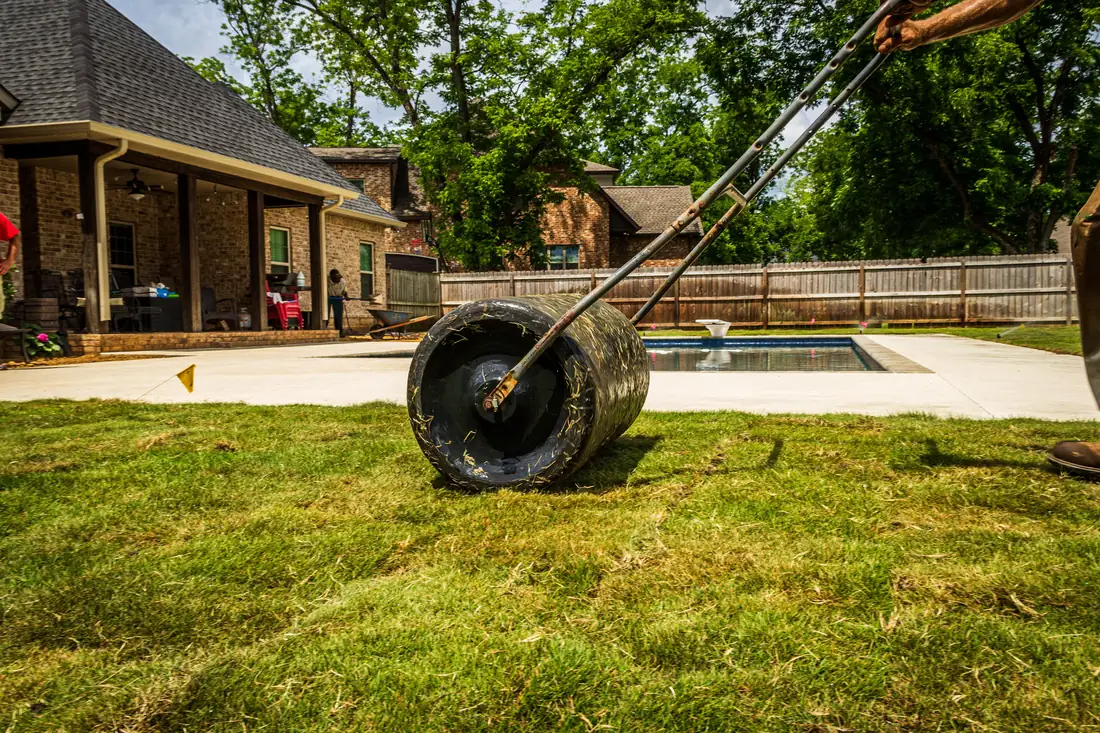
The hybrid layout also solves the drainage question more cleanly than either surface alone. The paved zone sheds water to a fall that drains into a soakaway or a planted strip. The turf zone absorbs what falls onto it through the perforated backing. With the grading right between the two zones, neither surface sits in standing water for long; hiring one crew to handle both keeps the detailing consistent at the seam. For the contractual side of combining both, see the installation preparation notes.
Reading the Honest Trade-Offs Before You Sign
The honest summary reads in three steps. First, identify the use mix across the four main zones of any garden: dining, play, utility, transition. Second, decide which surface wins each zone before the brochure gets a second look. Third, brief a single contractor on the whole layout so the detailing at the seams stays consistent. That order removes most of the catalogue noise that wastes budget.
Use the sample-first rule on the turf side. Order a free 20 cm by 20 cm sample, run a brush-back test in your hand, and judge the colour at home rather than under showroom lighting. Paving samples travel well too: lay a few units on a board at the actual site and check the colour, texture and how the joints read at your scale.
Ask the supplier or installer what the quote excludes before you sign. Excavation depth, waste removal, edge work, drainage fittings, joint sand and seal are common line items that move the price by ten to twenty percent when added on. The contractor who answers this question clearly is usually the one who finishes on budget. The honest answer to artificial grass or paving is rarely one surface; it is a layout that puts each surface where it earns its keep.
Frequently Asked Questions
Is artificial grass cheaper than paving for a typical backyard?
Installed bands place turf at $8 to $20 per square foot and pavers at $10 to $30, so the visible gap shrinks once base work is added. Annual upkeep tilts toward turf. Differences show up by year ten.
Which surface handles pets better, artificial grass or paving?
For dogs using the garden daily, artificial turf is softer and rinses cleanly with a hose, provided the base drains well. Pavers are easy to rinse but stay hot in summer and feel hard on paw pads.
Do pavers get hotter than artificial grass in summer?
Both heat up in direct sun. Synthetic turf can read 30 to 50 degrees Fahrenheit above ambient air. Light-coloured stone reflects more heat than darker fibres. Shading and lighter paver colours cool both.
Can you install paving over artificial grass or the other way around?
A paver patio can abut a turf lawn with a clean concrete edge. Stepping stones can sit in a turf lawn bedded into the sub-base. Turf over an existing paver surface fails, because the perforations cannot drain.
Which lasts longer, artificial grass or paving, in residential use?
A quality artificial lawn gives 10 to 15 years of service. A well-installed paver patio runs 25 to 50 years before base work. Lifespan is real but depends on base quality, drainage and traffic.
 English
  Arabic
  French
  German
  Portuguese
  Russian
  Spanish